Archaeologists have brought the ancient city of Imet back into view in Egypt’s eastern Nile Delta, uncovering multi-story mudbrick homes, grain spaces, animal enclosures, and a ceremonial road tied to the cobra goddess Wadjet. The discovery was announced after work at Tell el-Fara’in, also known as Tell Nabasha, in Sharqia Governorate.
The city, located near the modern village of Tell Nabasha and about 3.7 miles south of Tanis, had been hidden under farmland and modern settlement patterns for centuries. What makes the find so striking is not just its age, but what it says about ordinary people living in a dense, busy, and changing Egyptian city nearly 2,400 years ago.
Imet rises again
Imet was not a new name to Egyptologists, but much of its urban life had slipped out of sight. Unlike desert tombs and stone temples, Delta cities often vanish into fields, canals, and villages, especially when their buildings were made of mudbrick.
That is where modern tools changed the story. According to the University of Manchester, Dr. Nicky Nielsen and his team used high-resolution satellite imagery before excavation, spotting clusters of ancient mudbricks that pointed to buried architecture.
The Egyptian Ministry of Tourism and Antiquities said the work focused on the eastern mound and relied on remote sensing and Landsat satellite images. Once archaeologists opened the ground, the patterns seen from above began to turn into walls, floors, and living spaces.
Tower houses changed the city
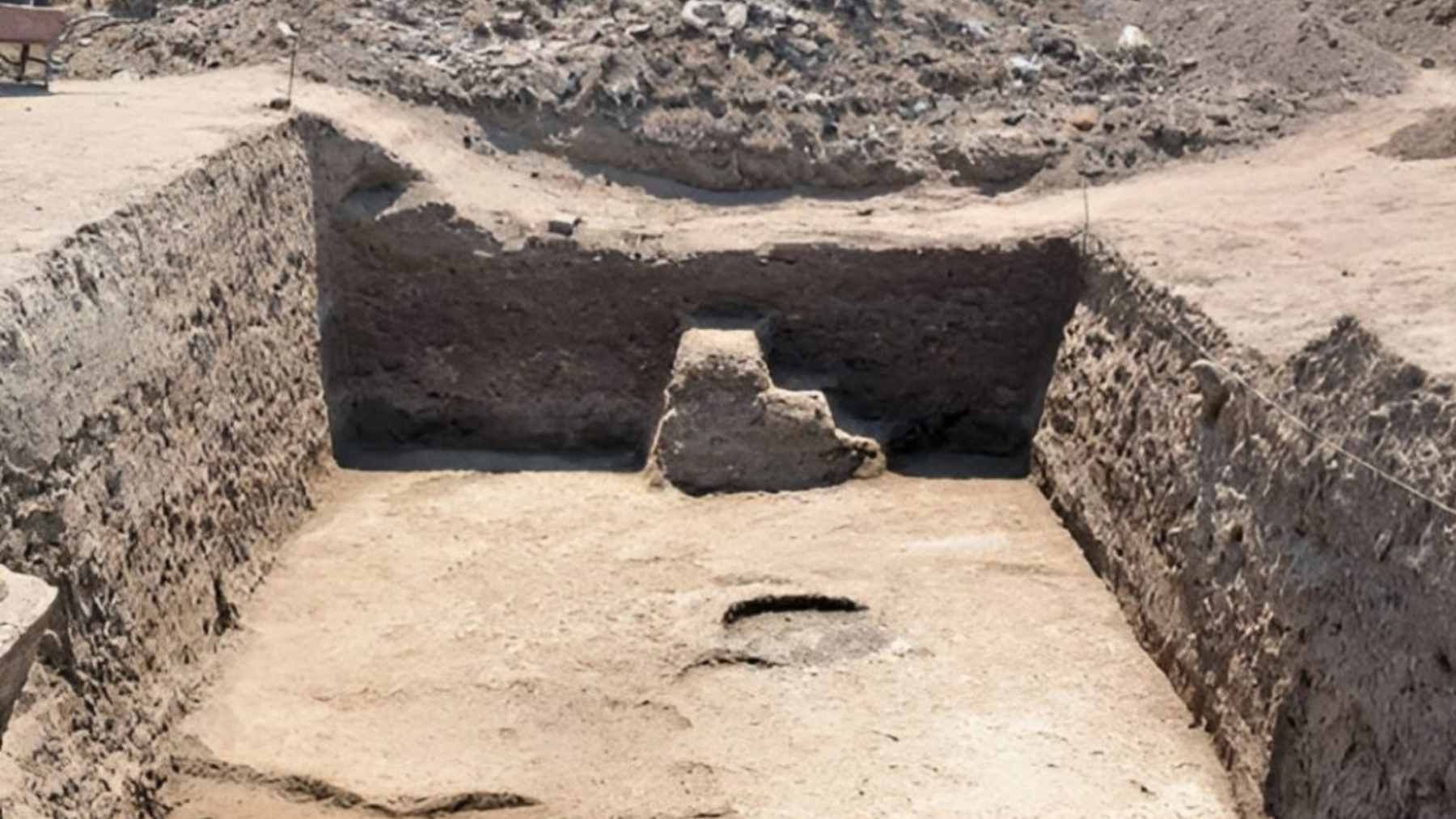
The headline discovery is a group of “tower houses,” multi-story mudbrick buildings supported by unusually thick foundation walls. In practical terms, that means Imet’s residents were building upward, not just spreading outward across the Delta.
Why build this way? Space was precious. In a flat landscape shaped by farming, flooding, and settlement pressure, stacking living areas above work and storage spaces would have helped families stay close to food production, animals, and religious centers.
“These tower houses are mainly found in the Nile Delta between the Late Period and the Roman era,” said Dr. Nielsen. He added that they are rare elsewhere in Egypt, making Imet a valuable clue to how Delta communities adapted to urban crowding.
Daily life was packed into tight spaces
The ruins do not only point to architecture. They point to daily routines. Archaeologists found evidence of grain processing, storage buildings, and spaces used for animals, suggesting that homes, food work, and livestock care were woven tightly together.
It is easy to picture the scene. Narrow passages, mudbrick walls, grain being handled nearby, animals kept close, and families moving between work areas and living rooms above. Not glamorous, maybe, but deeply human.
That matters because ancient Egypt is often told through pyramids, kings, and royal tombs. Imet shifts the camera toward the people who cooked, stored grain, repaired tools, cared for animals, and kept the city alive day after day.
Religion lived inside the neighborhood
Imet was closely tied to Wadjet, the cobra goddess associated with Lower Egypt. The University of Manchester reported that archaeologists uncovered a ceremonial road linked to her worship, along with granaries and other urban remains.
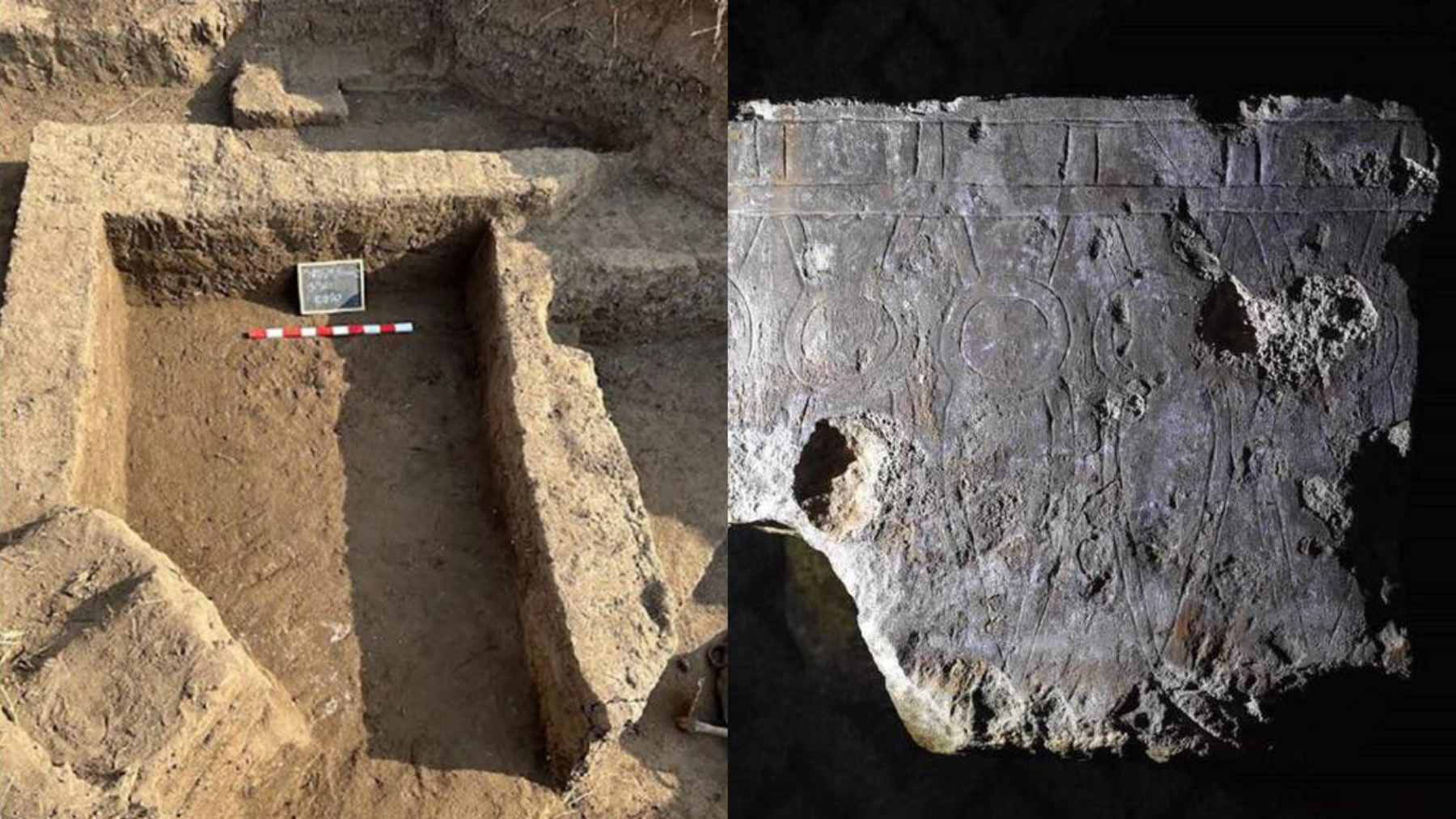
But the sacred landscape was changing. In the temple area, the team found a large structure with a limestone plaster floor and massive mudbrick pillars. Egypt’s Ministry said this building appears to have been constructed over a processional road, suggesting that the route had fallen out of use by the middle of the Ptolemaic period.
That is a small detail with a big message. Streets, shrines, and ceremonial paths were not frozen in time. As power shifted and beliefs changed, old sacred spaces could be blocked, reused, or folded into new urban plans.
Small objects tell big stories
Some of the most revealing finds were not large buildings at all. The team uncovered a green faience ushabti, a funerary figurine linked to beliefs about service in the afterlife. It was dated to Egypt’s 26th Dynasty.
They also found a stone stela showing the child god Harpocrates, or Horus in child form, standing on crocodiles with protective imagery. Nearby, a bronze sistrum decorated with the twin heads of Hathor pointed to music, ritual, and domestic spirituality.
These objects make the city feel less distant. A household might hold a ritual instrument. A small figurine could carry hopes about death and the afterlife. A protective image could sit close to the worries of everyday life, from illness to childbirth to the safety of children.
Why Imet matters now
Imet shows that ancient Egyptian cities were not simple backdrops for temples and rulers. They were crowded, adaptive places where people made practical choices about land, food, worship, and family life.
The discovery also reminds us how much of Egypt’s past may still lie beneath ordinary landscapes. A farm field, a low mound, or a patch of slightly different vegetation can hide the outline of streets and homes. Sometimes, the old city is still there. It is just waiting for the right tools to notice it.
For the most part, the story of Imet is a story of survival through design. Thick walls carried upper floors. Tight lanes kept activity close. Sacred roads changed as the city changed around them.
The official statement was published on Egypt’s Ministry of Tourism and Antiquities.