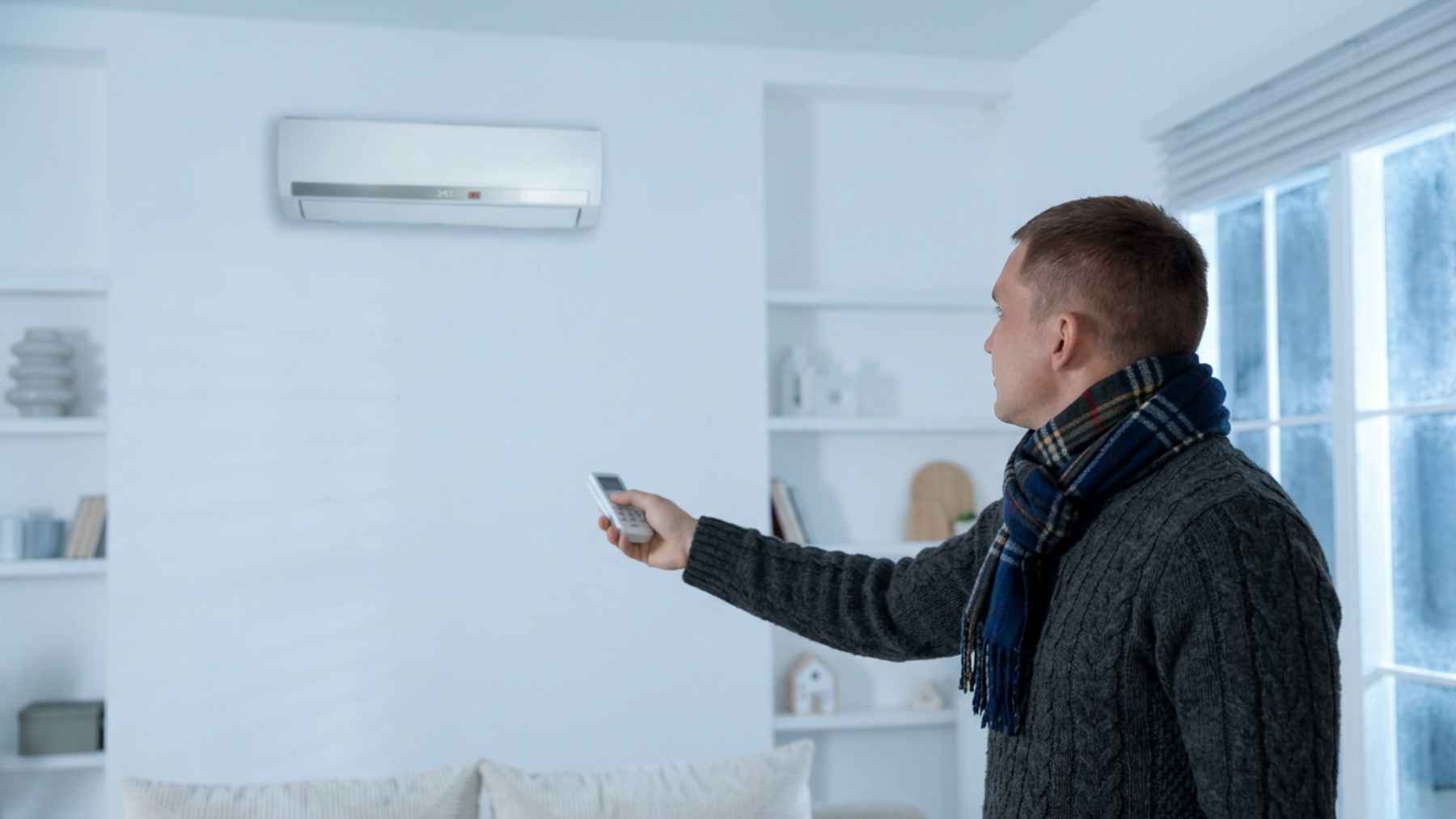
The humble air conditioner may be one of the cheapest ways to warm a home in winter, at least when it is a reverse-cycle system, but there is a catch many households learn the hard way, usually when the electric bill arrives.
Energy experts say the best winter setting is not the hottest number on the remote. It is roughly 64 to 68 ºF (18 to 20 ºC), a range that can keep rooms comfortable while avoiding a sharp rise in electricity use. Each extra degree of heating can add around 5% to 10 % to energy costs, according to Australian Government energy guidance.
The winter sweet spot
Dani Alexander, CEO of the University of New South Wales (UNSW) Energy Institute, told nine.com.au that lowering the temperature can have a “very positive” impact on bills, even when people are already dressing for the season. Her advice was simple enough: Keep cooling higher in summer and heating lower in winter.
This means setting the air conditioner between 64 and 68 ºF in heating mode. Does that sound a little cool? It can, but the point is to heat the home enough for comfort, not turn the living room into a sauna.
Reverse-cycle air conditioners are basically heat pumps. They use electricity to move heat rather than generate it directly, and Australia’s YourHome guidance describes them as the most energy-efficient combined heating and cooling option for homes.
Why one degree matters
The thermostat is not a turbo button. Raising it does not magically warm the room faster, yet it does ask the system to work harder and keep working longer.
That is why the 64 to 68 degree range matters. YourHome says every extra degree of heating in winter can increase energy use by about 5% to 10%, and Energy.gov.au gives the same range for added energy costs.
Heating and cooling are also a major slice of home energy use. In the average Australian home, they account for around 40% of household energy use, which means small habits can show up quickly on the bill.
Heat the room you use
Experts also warn against heating empty spaces. If everyone is in the living room, there is usually no need to warm bedrooms, hallways, bathrooms, and spare rooms at the same time.
Closing doors helps keep warm air where people actually are. It sounds basic, almost too basic, but it can make a real difference when the cold air is creeping in under doors and around window frames.
Curtains, rugs, draft-proofing, and door seals matter too. Energy.gov.au says draft-proofing is one of the cheapest ways to keep a home warm and can save up to 25% on heating bills.
Warm the person too
Kel Lupis, a home energy efficiency specialist with Commonwealth Scientific and Industrial Research Organisation (CSIRO), told nine.com.au that households can also use the strategy of “heating the person, not the room.” In everyday language, that means an electric blanket, warm socks, slippers, a robe, or a fleece-lined jacket can do some of the work before the thermostat climbs higher.
That does not mean sitting in the cold. It means combining modest heating with practical winter habits, especially in homes that lose warmth quickly.
At night, the advice is even more direct. Instead of leaving the heater running continuously, experts recommend relying on bedding and warm clothing for the most part, then heating rooms only when they are being used.
Timing matters
When should the heater go on? That depends on the climate, the home, the insulation, and whether anyone is actually inside.
Lupis said heating use varies across Australia because homes and weather conditions differ so much. Rather than following a fixed schedule, the better approach is to use the system when the room needs to be comfortable.
The same idea appears in official guidance. Energy.gov.au recommends setting programmable thermostats around the times people need warmth, then turning heating off overnight and when no one is home.
Dirty filters can undo the savings
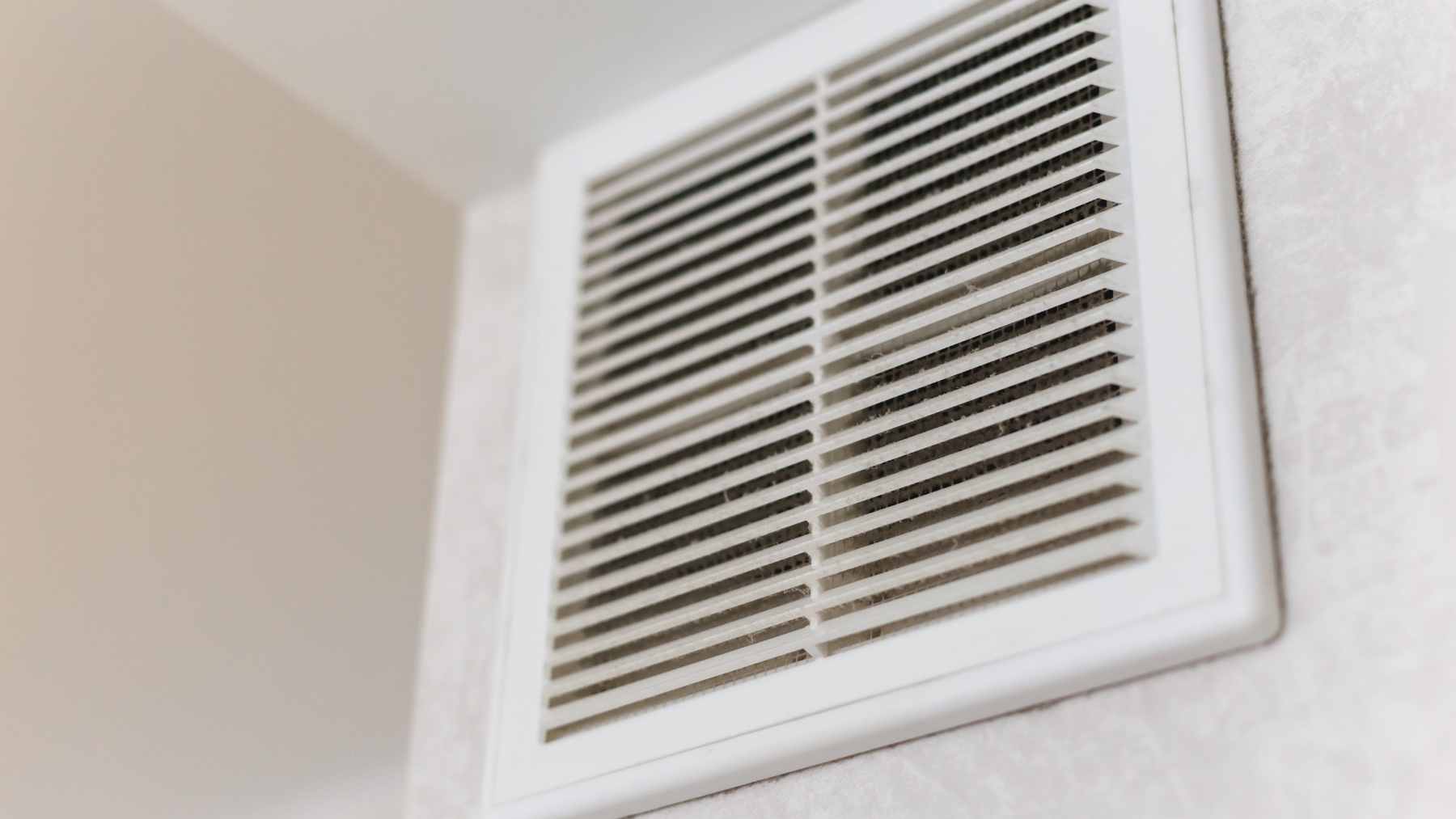
Even the best thermostat setting will not help much if the air conditioner is struggling to breathe. Dusty filters force the system to work harder, which can reduce comfort and efficiency.
Energy.gov.au recommends regularly cleaning heaters, including filters, fan blades, or vents, and following the manufacturer’s instructions so systems can perform at their best. YourHome also advises servicing heaters and coolers as directed, with special attention to air filters.
For many split systems, cleaning starts with removing dust from the filter, washing it gently with warm soapy water, and letting it dry completely before reinstalling it. It is a small chore. Still, on a cold morning, it can be the difference between a room that warms smoothly and a unit that runs loudly while barely keeping up.
The real lesson for winter homes
The ideal winter setting is not just about one number. It is about how the whole home holds heat.
A reverse-cycle air conditioner set to 64 to 68 ºF can be efficient, but only if warm air is not leaking out through gaps, bare floors, uncovered windows, and open doors. That is where low-cost fixes can punch above their weight.
At the end of the day, the message is not to freeze through winter. It is to stop paying for heat that no one feels.
The official guidance was published on Energy.gov.au.