For years, a smaller social circle has been treated almost like a warning sign. Fewer names on the calendar, fewer casual plans, fewer people to text back. It can look like life is narrowing.
However, a study in Psychology and Aging points to a different possibility. For many adults, especially as they grow older, the social circle is not simply shrinking. It is being edited, with weaker ties falling away while emotionally meaningful relationships carry more weight.
Smaller does not always mean lonelier
The research, led by Wändi Bruine de Bruin with Andrew M. Parker and JoNell Strough, analyzed two online surveys from RAND’s American Life Panel, a national adult life-span sample. In the first survey, 496 people reported the size of their social networks, including close friends, family, neighbors, and more peripheral contacts. In the second, 287 participants rated social satisfaction and well-being.
The clearest finding was not that older adults had more people around them–they did not. Older participants reported smaller networks, largely because they listed fewer peripheral contacts, yet older age was still associated with better well-being.
That is the twist. A quiet phone is not always a lonely phone.
The close ties stayed stable
The study found that the number of close friends was unrelated to age. In other words, the people who mattered most were not necessarily disappearing with time, even as the outer ring of acquaintances became thinner.
That outer ring matters in daily life. It includes coworkers you no longer see, neighbors you wave to, old contacts kept alive by habit, and the many people who can make a schedule feel full without making a heart feel full.
The researchers also found that close friends were more strongly tied to well-being than family members, neighbors, or peripheral others after those groups were accounted for. But even that came with a catch.
Quality beat quantity
When the researchers added social satisfaction to the analysis, the number of close friends was no longer associated with well-being. Put simply, it was not just having friends that mattered, it was how people felt about the relationships they had.
That sounds obvious when you think about everyday life. Most people know the difference between a packed group chat that leaves them drained and one honest conversation that makes the day easier.
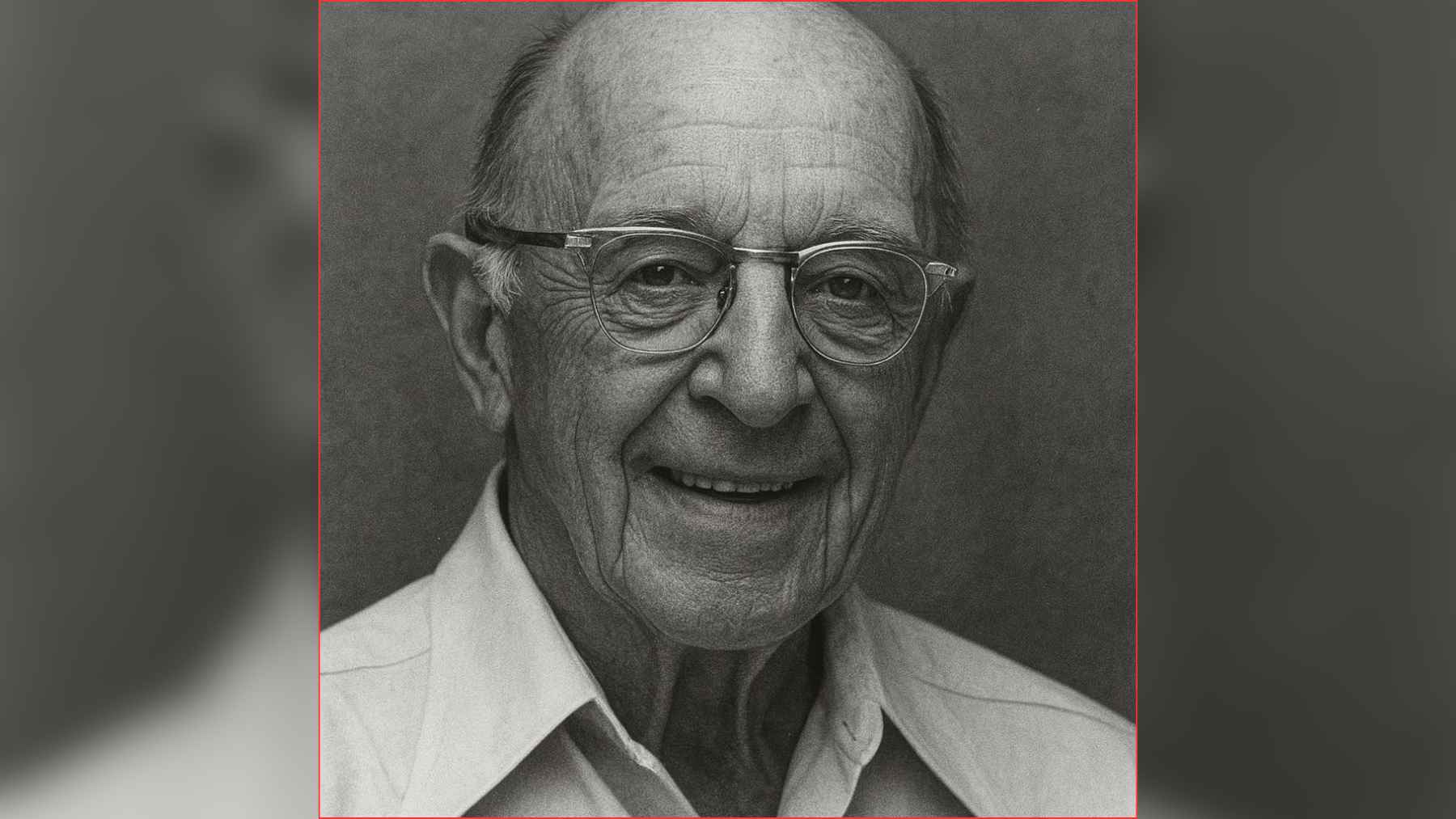
This is where humanistic psychology feels especially relevant. Carl Rogers, the American psychologist associated with person-centered therapy, put great emphasis on acceptance, empathy, and the healing power of being met without judgment.
Britannica describes Rogers as the originator of the nondirective, or client-centered, approach to psychotherapy, which emphasized the person-to-person relationship between therapist and client.
Rogers and being accepted
A line often attributed to Rogers captures the emotional core of this idea: “A person, discovering that he is loved for who he is, not for what he pretends to be, will feel that he deserves respect and love.”
That is not just a therapy-room idea. Essentially, it is what many people quietly look for in friendships, family life, and even small communities. Who lets you stop performing? Who sees you when you are tired, awkward, or uncertain?
Rogers’ person-centered approach is often summarized through conditions such as empathy, congruence, and unconditional positive regard. In clinical terms, that means a relationship where a person can explore honestly without being reduced to their worst moment.
Time changes the social map
The findings also fit with socioemotional selectivity theory, developed by Laura Carstensen and colleagues. Stanford’s Life-span Development Laboratory explains that the theory links social goals to perceived future time.
When people see the future as wide open, they often prioritize exploration and new information. When time feels more limited, emotional satisfaction and meaning move to the front.
Is that sad? Not necessarily. It may be one of the ways people protect their emotional energy, especially after years of learning which relationships nourish them and which ones only demand maintenance.
Think of it like tending a garden. At some point, growth is not about adding more and more plants, it is about making sure the ones that remain have enough light.
The hidden cost of too many contacts
A broad network can be useful. It can bring job leads, fresh ideas, neighborhood help, and a sense of belonging. It also asks for something in return, though.
Every peripheral relationship carries a small cost. There are messages to answer, roles to play, expectations to manage, and versions of ourselves to maintain. None of that is bad by itself. Added together, though, it can become surprisingly heavy.
That is why a smaller circle may feel like relief rather than loss. Less social noise can leave more room for the relationships that are steady, reciprocal, and emotionally real.
Not a license for isolation
There is an important warning here. The research does not suggest that loneliness is harmless, or that people should cut off relationships for the sake of simplicity. Social isolation, unwanted loneliness, illness, grief, or exclusion are very different from choosing a more meaningful circle.
The healthier message is more nuanced. A person does not need to chase an ever-expanding network to prove they are doing well. For the most part, what matters is whether the relationships they do have feel satisfying, safe, and worth the effort.
So the next time someone says their circle is getting smaller, it may be worth asking a better question: are they losing people, or are they finally making room?
The study was published in the journal Psychology and Aging.