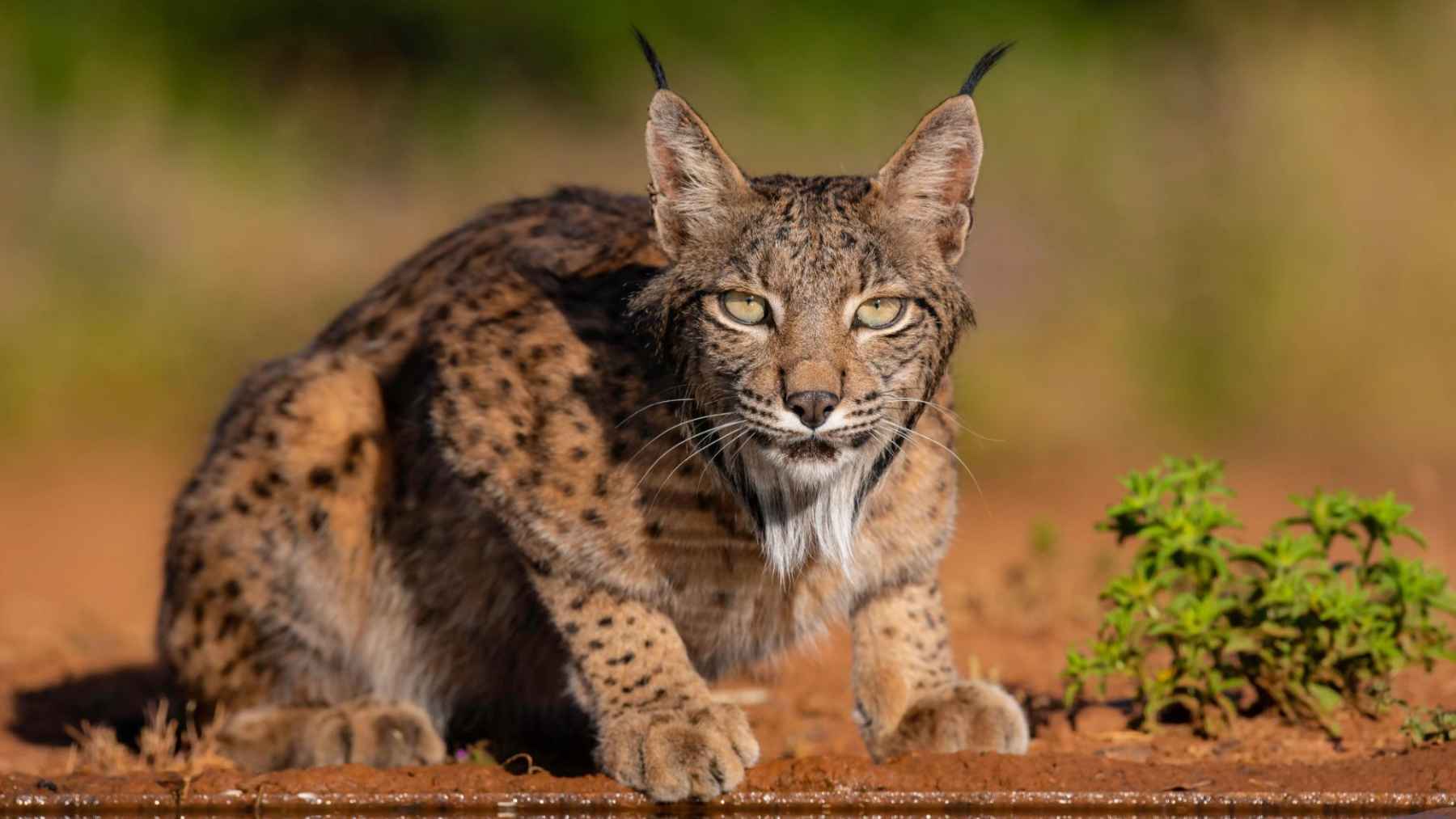
The Iberian lynx has reached a new high point after a historic rescue effort across Spain and Portugal. The 2025 census counted 2,663 animals, including 1,711 adults or subadults and 952 cubs, up 10.9 percent from the year before. But there is a catch.
Last year, 212 lynx were recorded dead after being hit by vehicles, making road collisions the cause of nearly eight in every 10 known deaths.
This is the strange shape of success. More lynx are being born, more territory is being occupied, and the species is no longer the symbol of almost certain extinction it was two decades ago. Yet every new road crossing can turn recovery into risk, especially when a young cat goes searching for space, rabbits, or a mate.
A cat pulled back from the edge
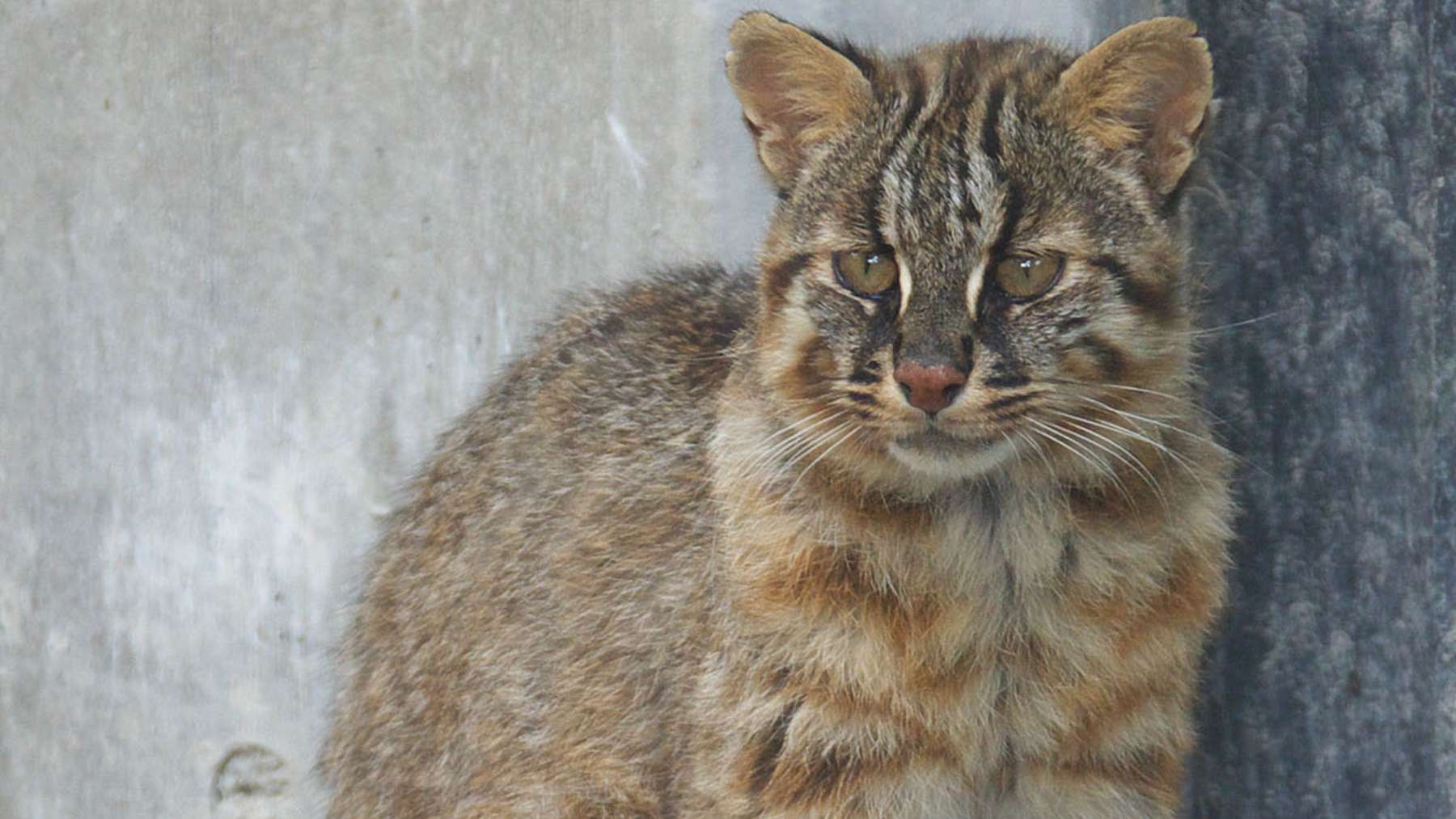
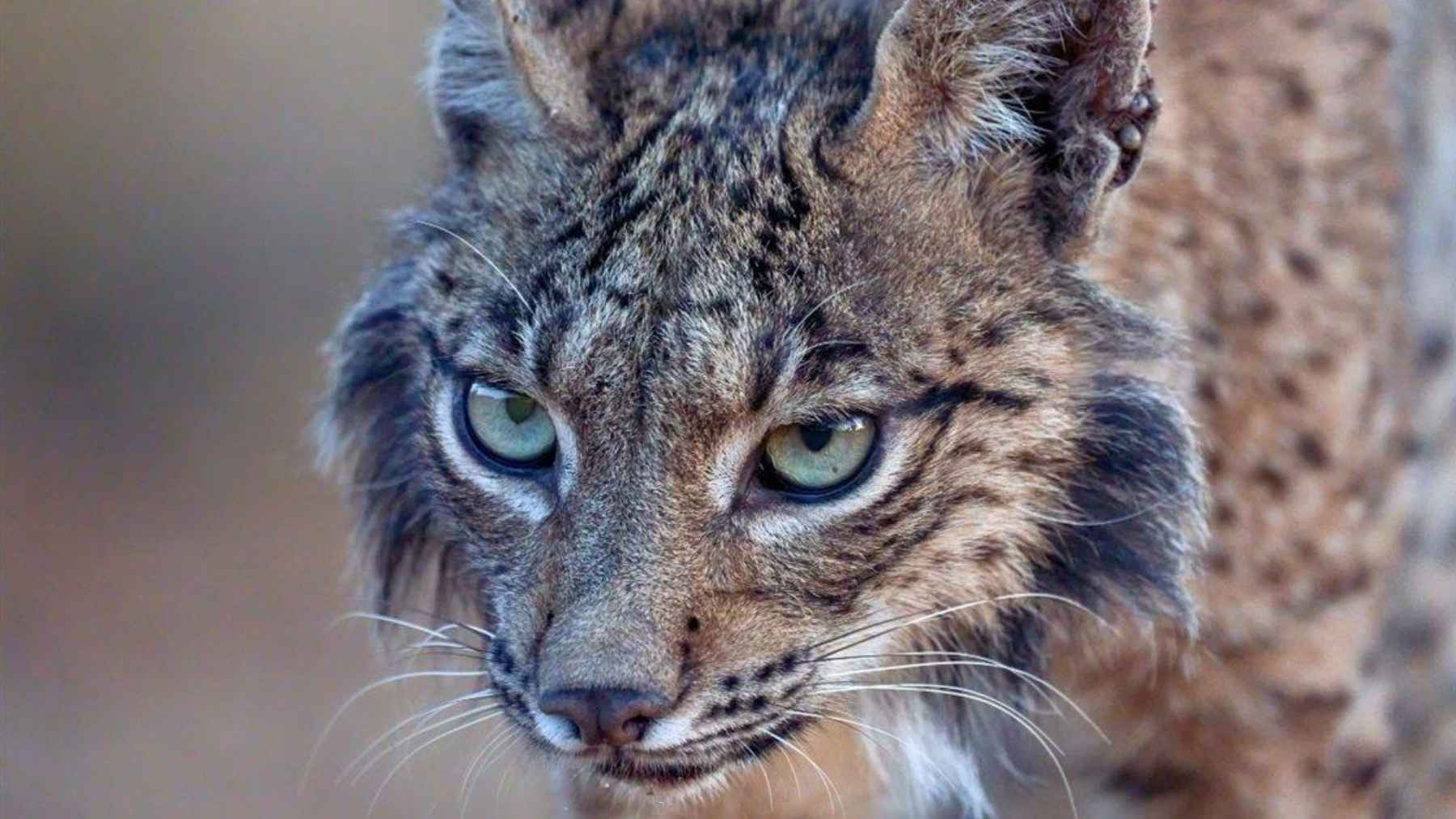
The Iberian lynx is a medium-size wild cat with spotted fur, sharp ear tufts, and a short tail. It lives only on the Iberian Peninsula, mainly in Spain and Portugal, and depends heavily on wild rabbits for food.
That dependence is part of what made the species so fragile. When rabbit populations crashed because of disease and habitat loss, the lynx nearly went with them.
The International Union for Conservation of Nature moved the species from “endangered” to “vulnerable” in 2024, while warning that road deaths, poaching, disease, and climate pressure still remain real threats.
What the new census shows
Most of the lynx counted in 2025 were in Spain, where 2,269 animals were recorded. Portugal had 394, a smaller but important share of the total recovery.
Within Spain, Castilla-La Mancha led the count with 1,051 lynx. Andalusia followed with 885, while Extremadura had 302, Murcia had 19, and Castilla y León recorded 11 in the Cerrato area of Palencia. A lone male named Uraclio also remained in the Madrid region after arriving from Guadalajara.
Roads are now the danger zone
For anyone who has driven past fields at dusk and seen an animal flash across the pavement, the problem is easy to understand. Lynx do not read traffic signs, and highways can slice through the same hunting grounds and travel routes they need to survive.
WWF has warned that roadkill has become one of the biggest threats to the species, especially at known “black spots” where animals are repeatedly hit. The group says safer wildlife crossings, better fencing, and faster action in those dangerous stretches are needed if the recovery is going to hold.
More cubs, but slower growth
The census also found 542 territorial breeding females, which is 72 more than the previous year. That matters because females are the engine of recovery. Without enough breeding females, a rising total count can still hide weakness underneath.
Those females produced 952 cubs in 2025. Still, the pace of growth has slowed to about half of the roughly 20 percent annual increase seen in recent years. Ramón Pérez de Ayala of WWF said the strongest populations may have reached “carrying capacity,” meaning there may simply be less room left in the best areas.
Why space matters now
Carrying capacity sounds technical, but the idea is simple. A place can only support so many lynx if there are limited rabbits, safe shelter, and connected patches of habitat. Once the best spots fill up, younger animals must move.
That is where the story gets risky. Dispersing lynx may cross farms, scrubland, small roads, and fast highways in search of new territory. More animals on the landscape is good news, but only if the landscape does not become a maze of traps.
Conservation is still working
The recovery did not happen by accident. Captive breeding, releases into the wild, rabbit habitat work, and cooperation between public agencies, landowners, conservation groups, and local communities have all helped rebuild the population.
The European LIFE LynxConnect project has been one of the major efforts behind that comeback, working to increase numbers, genetic diversity, and links between separate lynx populations. Its coordinator, Francisco Javier Salcedo Ortiz, has said there is “still a lot of work to do” to make sure the species survives across its natural range.
Not safe yet
The lynx is no longer standing at the cliff edge it faced in the early 2000s, when fewer than 100 were counted. That is a conservation win, and a rare one. But a record population does not mean the job is done.
Spain still treats the Iberian lynx as endangered under its own rules, even after the international downgrade to “vulnerable.” That more cautious approach reflects a basic reality. A species can be improving and still be in trouble.
The next test
The next phase will be less about saving the last few lynx and more about helping a growing population live safely in a crowded human landscape. In practical terms, that means identifying road danger zones, building wildlife passages, protecting rabbit populations, and making sure new lynx territories are connected.
It is a quieter kind of conservation than releasing a rare animal into the wild. But it may be just as important. After all, the Iberian lynx has already shown it can come back. Now the challenge is making sure it can cross the road.
The main official census report has been published by the Ministry for Ecological Transition and the Demographic Challenge.