America’s power grid just got a new set of marching orders. The Federal Energy Regulatory Commission has told six regional grid operators to defend or rewrite the way they connect data centers, crypto mines, factories, and other huge electricity users to transmission lines, a move aimed at speeding connections without quietly moving the bill to households.
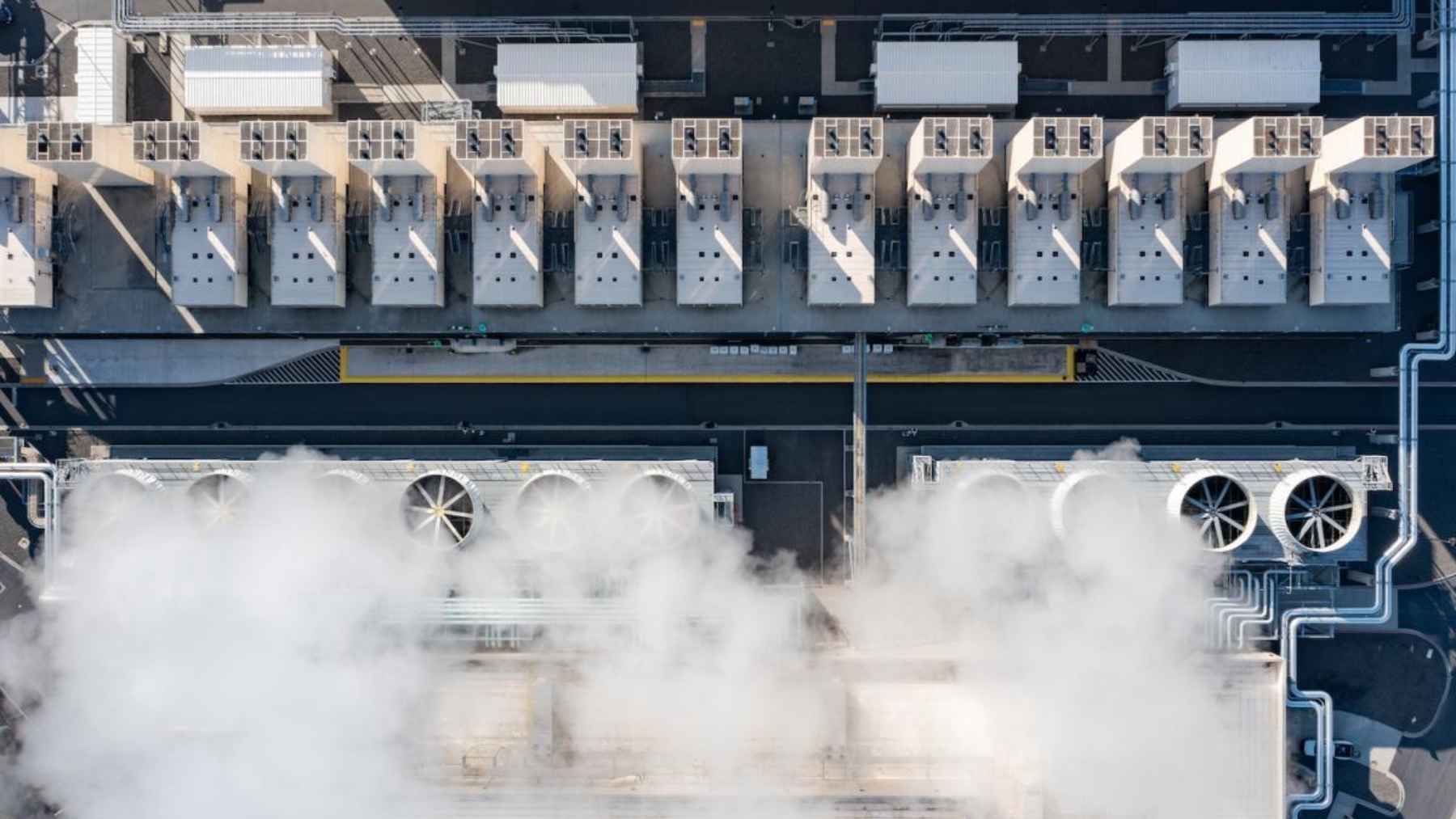
This is not just a paperwork fight in Washington. Data centers are becoming the power-hungry engine behind AI, cloud computing, and everyday internet life, and their growth is now colliding with electricity bills, summer reliability, and the basic question of who should pay when the grid has to expand.
A 60-day clock for the grid
Under FERC’s orders, regional grid operators and their transmission owners have 60 days to show why their current tariffs remain fair or to file changes. They also have 30 days to explain how they plan to make sure enough generation exists for existing and new large loads.
The order covers PJM, MISO, SPP, CAISO, ISO New England, and NYISO. Texas’ ERCOT is not on that list, a reminder that the nation’s grid is really a patchwork of regional systems rather than one neat machine.
FERC says the plan is meant to help large users connect faster while protecting reliability and affordability. In practical terms, that means the agency wants data centers to get power without leaving families and small businesses holding a bigger electric bill.
Why the urgency now
The numbers explain the pressure. A Department of Energy backed report from Lawrence Berkeley National Laboratory found that U.S. data centers used about 4.4% of the nation’s electricity in 2023 and could rise to 12% by 2028.
That growth is not evenly spread across the country. In some places, one proposed campus can look less like a normal commercial customer and more like a small city suddenly asking to plug in.
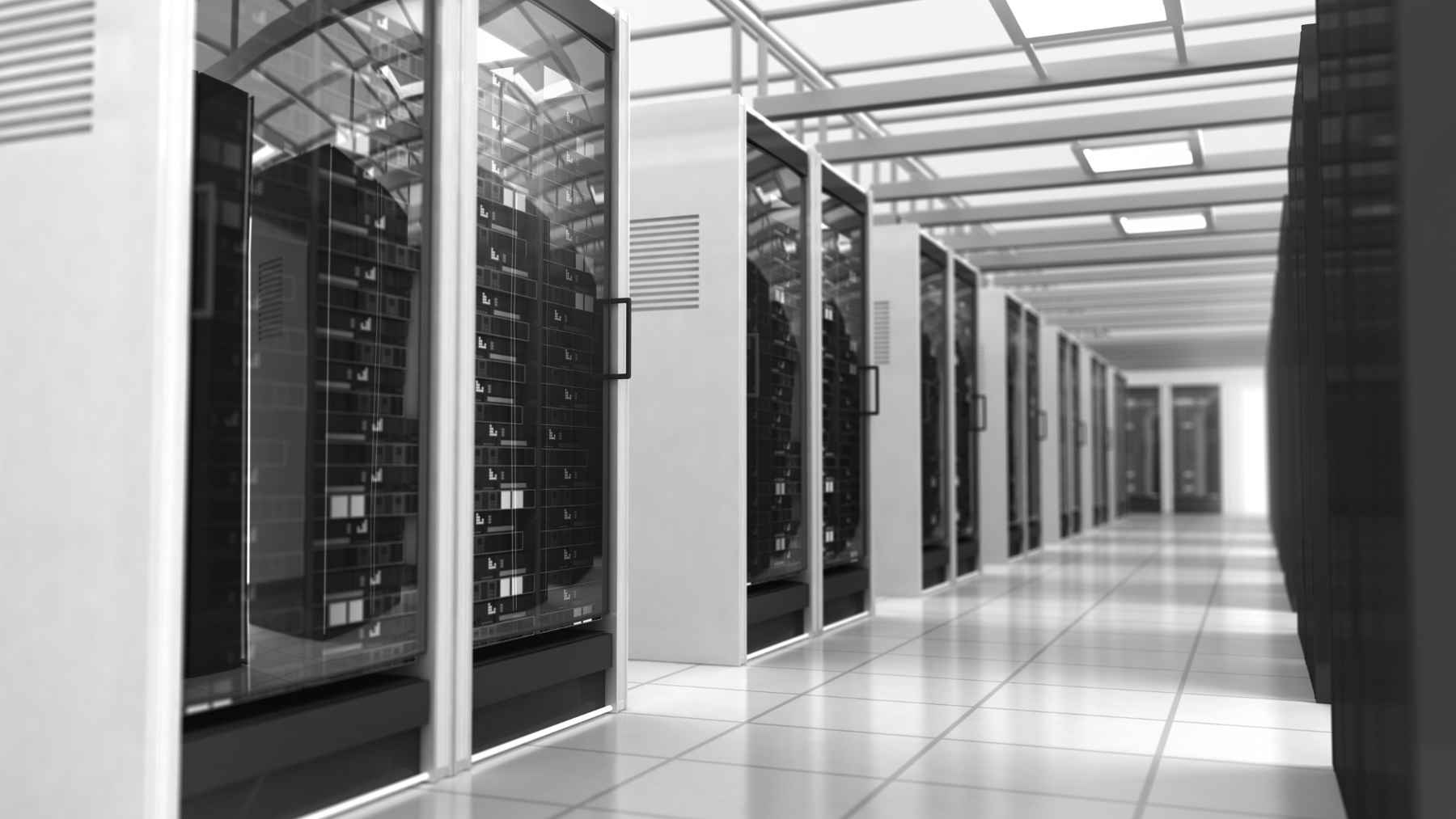
FERC’s earlier docket described “large loads” as demand generally greater than 20 megawatts. Many local debates involve projects far above that mark, which is why the issue has moved from utility planning rooms into public meetings, rate cases, and kitchen-table conversations about monthly bills.
The hidden risk of sudden drop-offs
Data centers do not only create stress when they consume power. They can also create trouble when many of them disconnect at nearly the same time.
That risk became clearer in Northern Virginia, where Reuters reported that 60 data centers suddenly dropped off the grid last summer and switched to on-site generators after a voltage fluctuation. The sudden imbalance forced PJM and Dominion Energy to scale back power plant output to protect grid equipment and avoid a worst-case cascade.
That is a strange problem to picture. The grid was not short of power at that moment. It had too much power in the wrong place at the wrong time.
Who pays for new wires?
One of the biggest questions is cost shifting. If a utility builds new transmission lines or other infrastructure for a data center that never gets built, who pays for the stranded equipment?
Consumer advocates have warned that the answer should not automatically be households. The concern is especially sharp with natural gas plants and pipelines, which can last for decades even if a data center contract or energy forecast changes much sooner.
That is why FERC is asking grid operators to address cost transparency and rules that prevent large customers from pushing upgrade costs onto others. Nick Guidi of the Southern Environmental Law Center described the action as less ambitious than what Energy Secretary Chris Wright requested, but still within the kind of traditional approach FERC tends to take.
Co-location gets a closer look
The orders also ask grid operators to examine “co-location” and “behind-the-meter” power. That means arrangements where a data center sits near a power plant, or builds its own generation, while still relying on the grid as backup.
At first glance, that may sound simple. Let the data center bring its own power and leave the grid alone. But the grid is not a spare tire that appears for free when needed.
If a private generator fails during sticky summer heat, the regional system may still have to step in. That is why PJM and other operators are under pressure to decide how much these customers should pay for backup access, flexibility, and the studies needed to keep everyone else’s lights on.
States still matter
FERC made clear that it is not taking over every part of the electricity business. The commission said its orders do not interfere with state authority over power plant siting, permitting, or retail electricity rates.
That matters because households do not pay FERC directly. They pay local utilities, and state regulators decide many of the rules that shape those bills.
The Sierra Club and consumer advocates have pushed for protections that keep large-load costs from spreading across the wider customer base. Their worry is simple enough. AI infrastructure may be useful, but ordinary customers should not become the default backup plan for risky forecasts.
What comes next
The next two months will show whether regional grid operators can produce serious reforms or mostly defend the status quo. FERC is giving them room to design regional answers, but that flexibility also means the final rules may look very different from California to New England.
For the most part, this is not a question of being for or against data centers. It is about whether the grid can absorb a new class of giant electricity users without creating higher bills, more gas overbuild, or reliability surprises during traffic-heavy, air-conditioning-heavy, power-hungry days. The trouble is, the clock is moving faster than politics.
The press release was published on FERC.