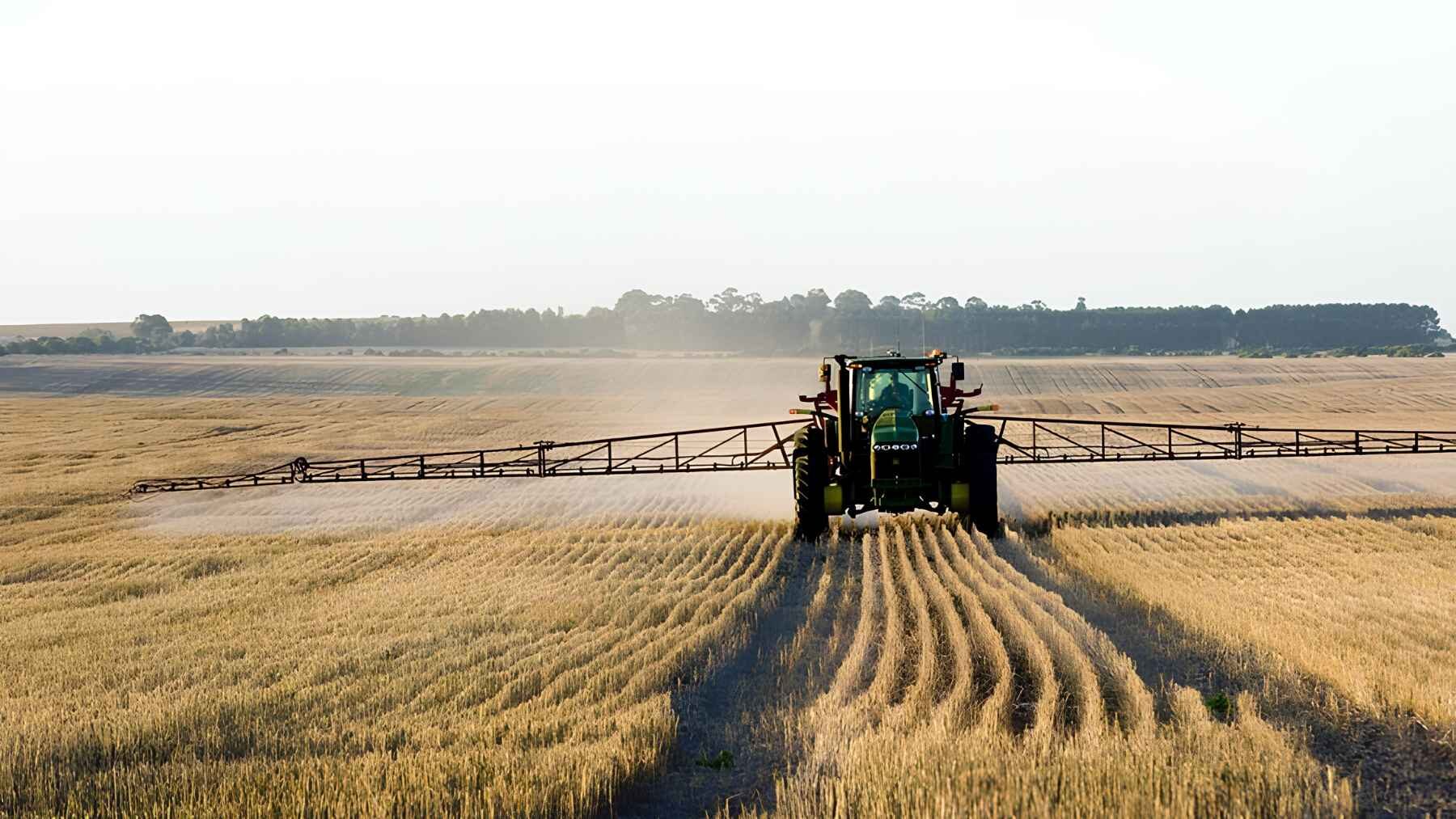
Following an 80% slash to the maximum legal application rate of paraquat, Syngenta announced on July 24, 2026, that it will stop selling all herbicides containing the highly toxic chemical in Australia and New Zealand. The commercial exit comes one month after a major regulatory overhaul restricted how the weed killer can be mixed, loaded, and sprayed.
This is not an Australian ban. Generic paraquat products from other suppliers are expected to remain available, which means the decision changes who sells the chemical more than whether farmers can still use it.
Why Syngenta is leaving
Syngenta said a commercial review found that tighter regulation, declining profitability, manufacturing difficulties, and an increasingly expensive supply chain had made its paraquat portfolio financially unviable. The company also pointed to the loss of a local formulation partner and the closure of specialized hazardous-chemical storage facilities.
“Regulatory constraints, combined with a highly complex and increasingly expensive supply chain” made the products “commercially unviable,” managing director David Van Ryswyk said. Syngenta plans to phase out its products in line with official sell-out and use-by deadlines rather than remove them overnight.
The rules are much tighter
The Australian Pesticides and Veterinary Medicines Authority published its final paraquat and diquat decisions on June 23, 2026. The standard maximum rate fell from 1,150 g (40.25 oz.) to 231 g (8.09 oz.) per hectare; backpack sprayers will be phased out, enclosed mixing and loading systems will be required, and users will need enhanced personal protective equipment.
New labels apply to products manufactured from the decision date, while existing stock will be phased out over two years. The regulator said the restrictions were driven by acute poisoning risks for handlers and by evidence of acute and chronic risks to birds and mammals feeding in treated areas.
A chemical with little room for error
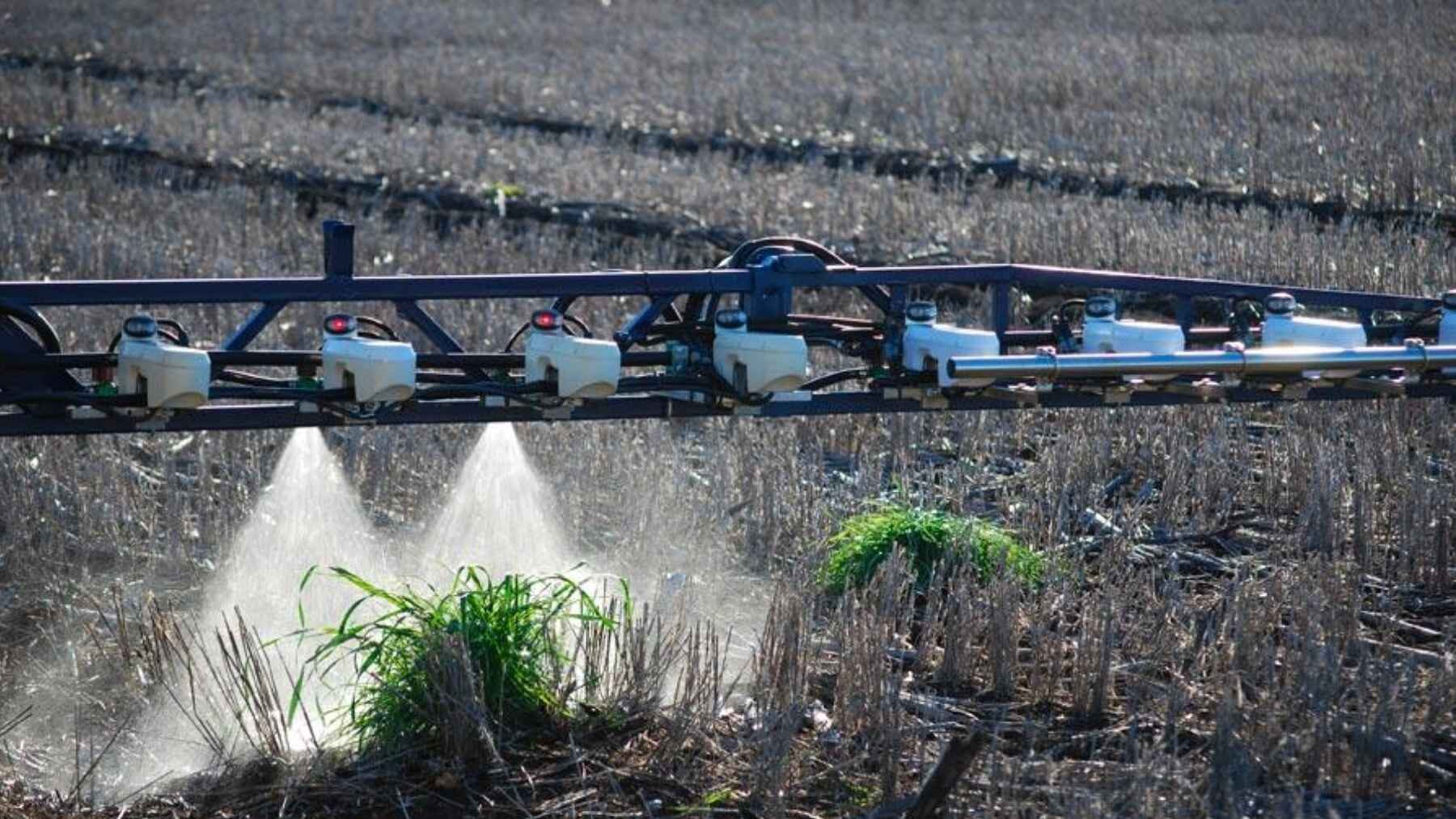
Paraquat is a fast-acting, nonselective herbicide that destroys green plant tissue on contact. The U.S. Environmental Protection Agency warns that one small accidental sip can be fatal and that no antidote exists, while the European Commission lists paraquat as not approved for pesticide use in the European Union.
Why do farmers still rely on it? Australian grain groups say paraquat helps control difficult weeds, manage herbicide resistance, and support minimum-till or no-till systems. These farming methods leave the soil’s protective skin intact rather than plowing it up, reducing soil disturbance, erosion, and fuel use — hence why those organizations have opposed an outright ban.
The Parkinson’s debate remains open
The APVMA concluded that the weight of evidence does not show that exposure through approved uses increases the risk of Parkinson’s disease. The U.S. EPA has reached a similar position for labeled uses, but it also acknowledges that published studies vary in quality and have produced conflicting results.
A 2024 population-based study in California compared 829 people with Parkinson’s disease and 824 community controls. Its strongest workplace measure produced an odds ratio of 2.15 — essentially signaling that exposed workers had more than twice the odds of developing Parkinson’s disease — although the observational design cannot prove that paraquat caused the illness and two authors disclosed consulting work for plaintiffs in paraquat litigation.
What farmers now face
Generic paraquat will remain on the Australian market, so farmers are not expected to lose access immediately. Even so, grower organizations say Syngenta’s departure removes a long-established supplier and creates uncertainty over future registrations, supply chains, label changes, and investment in replacement chemistries.
The farm shed may not look empty tomorrow, but the way paraquat is handled will change. Lower application limits, closed transfer systems, added protective gear, and disappearing backpack uses can mean new equipment, more planning, and fewer situations in which the herbicide is legally available.
The environmental trade-off
The new rules are designed to reduce direct harm to workers and wildlife. On the other hand, grain groups warn that losing effective chemical options could increase reliance on cultivation in some farming systems, potentially bringing more soil disturbance and fuel use, although that outcome is an industry concern rather than a certainty.
That is what makes this decision bigger than one company’s product line. Australia is trying to reduce the risks of a highly toxic herbicide without abruptly removing a tool that many growers consider central to weed management, and continued generic sales mean the health and environmental debate will not end with Syngenta’s departure.
What happens next
Syngenta will manage its exit according to APVMA sell-out and use-by timelines, while other manufacturers can continue supplying compliant paraquat products. The next test will be whether generic suppliers adapt smoothly to the new labels and whether effective alternatives arrive quickly enough for growers dealing with resistant weeds.
For consumers, the key point is simple. Syngenta’s withdrawal is a major market signal, but it is not the end of paraquat use in Australia.
The official statement was published on Syngenta Australia’s website.