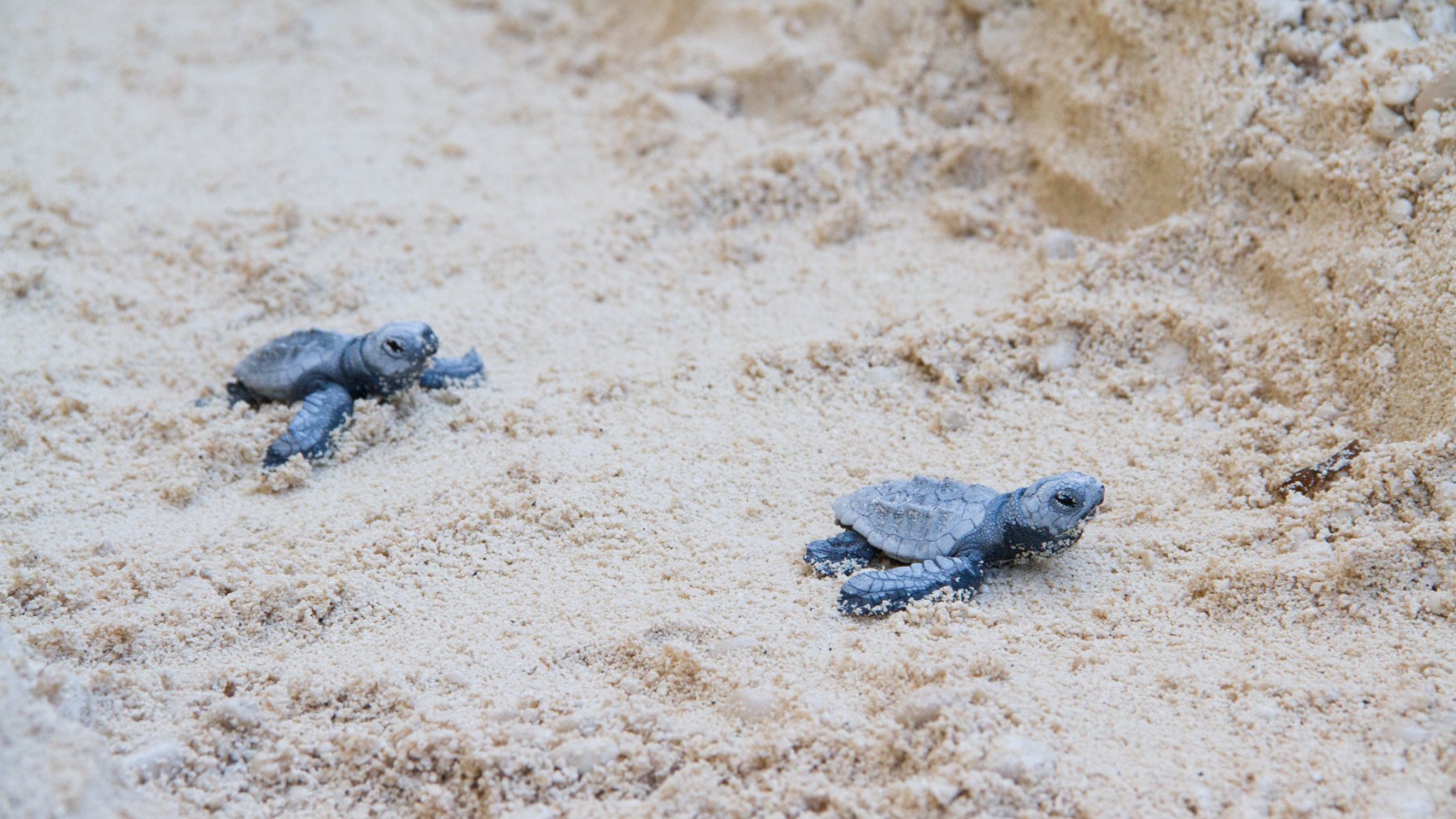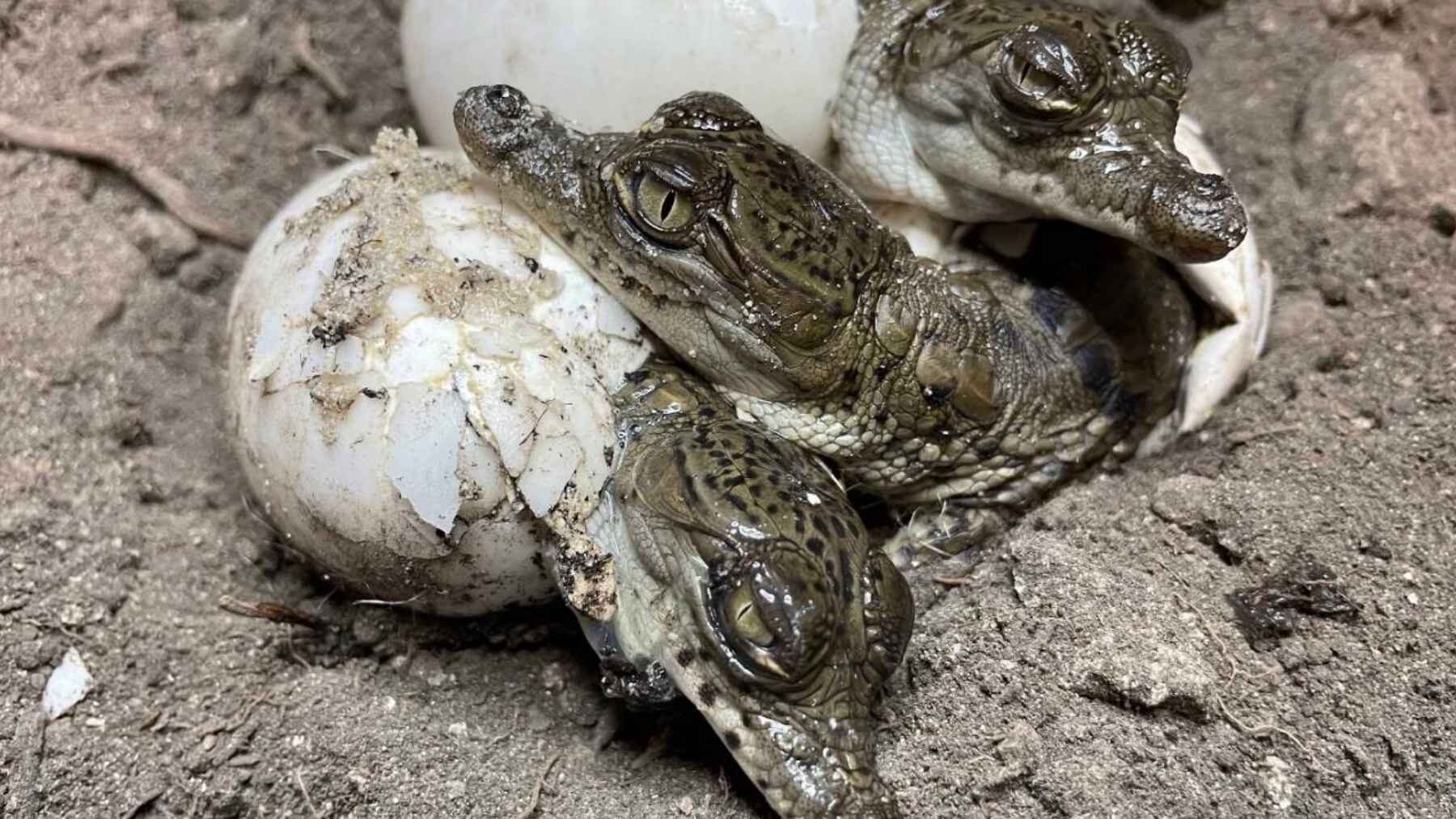
Around 25 miles south of Miami, on an elevated strip of earth, an American crocodile can bury her eggs above the waterline, while behind her, you can see Turkey Point’s reactor domes. This area was never designed as a natural habitat for wildlife, but it ended up turning into one of the most important reproduction areas for a species that almost disappeared from Florida.
However, the same canal system that offered crocodiles warm water, dry ground for nests and quiet surroundings, also concentrated high amounts of salt and resulted in hypersaline groundwater entering the Biscayne Aquifer. Turkey Point is an example in which a successful conservation effort led to pollution.
A radiator built in South Florida
The company Florida Power & Light built these nuclear units in the 1970s next to Biscayne Bay and developed a 5,900-acre cooling system which included 168 linear miles of canals.
Water completes its cycle in around 48 hours and its temperature cools by about 10 – 15 degrees Fahrenheit through evaporation and other processes of heat transfer. However, these canals were created without liners so they are still connected to groundwater.
Why crocodiles chose it
When the number of American crocodiles was just a few hundred, the species was declared endangered in 1975. They depend heavily on brackish environments and also need high grounds to build their nests to prevent them from flooding.
Although this was never planned, the berms in Turkey Point’s canal ended up providing perfect conditions. They enable great draining, are next to suitable water, and offer another important advantage: it is a secured property where people and predators rarely access.
An accident that led to conservation
The first crocodile was found in 1976 at Turkey Point. After the first nest was discovered in 1978, they started monitoring them.
FPL subsequently created a formal program that protects nesting areas, they eliminate invasive vegetation, monitor animals, tag hatchlings, and create nursery ponds with fresher water.
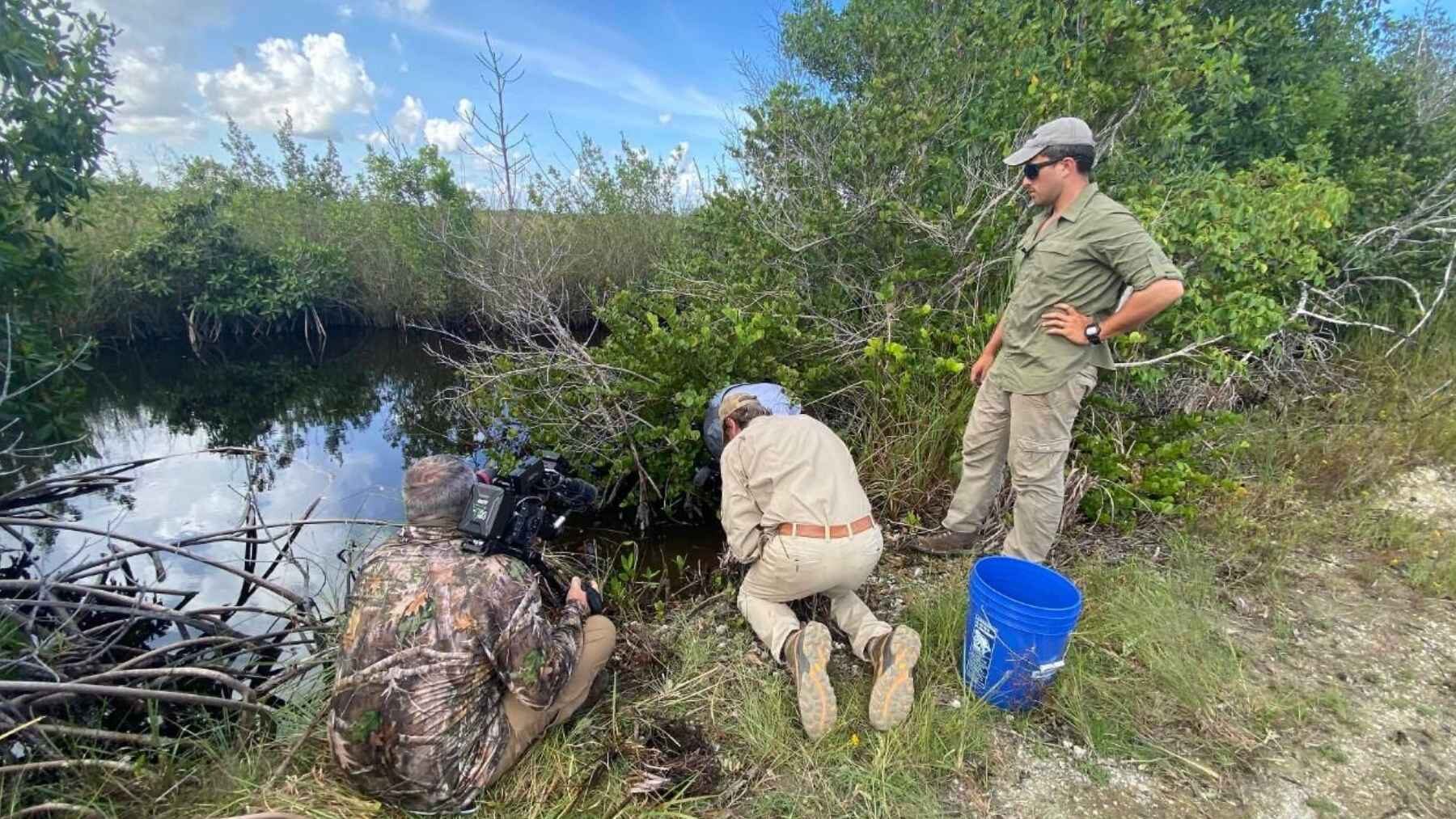
A study carried out during 50 years in South Florida studied 3,013 nests and increased the nesting success rate from 61 percent in the 1970s to around 90 percent since the year 2010.
According to FPL reports, in 2025 there was a record of 610 hatchlings from 28 nests. After this significant recovery, federal officials changed Florida’s American crocodile classification from endangered to threatened in 2007.
Less salt in the canals
Another environmental problem was caused by evaporation. Water evaporates but salt does not, it remains. In 2008, Regulators registered an average canal salinity of 50 – 60 practical salinity units, compared with approximately 35 for common seawater.
This dense and salty water filtered into the Biscayne Aquifer and spread beyond the limits of the canal. The County of Miami-Dade ordered the FPL to contain and revert the hypersaline plume, by establishing the 2015 consent agreement.
Uneven progress in cleanup works
The FPL told WLRN that the system removed more than 36 billion gallons over six years. To achieve this, recovery wells pumped hypersaline groundwater from the aquifer and sent it to a deeper formation underground.
The shallow plume has significantly declined, but there is still deeper contamination, which is difficult to remove.
Two conclusions for the same system
It is not possible to determine whether Turkey Point is an environmental success or a failure. The truth is that berms really helped American crocodiles recover, but on the other hand, its cooling canals contaminated groundwater, so they generated a cleanup obligation that stands until today.
There are two sides to this story. Somewhere at Turkey Point, there is a crocodile nesting above the same waters regulators still require the utility company to clean up.
The latest official crocodile report was published on Florida Power & Light’s LinkedIn page.