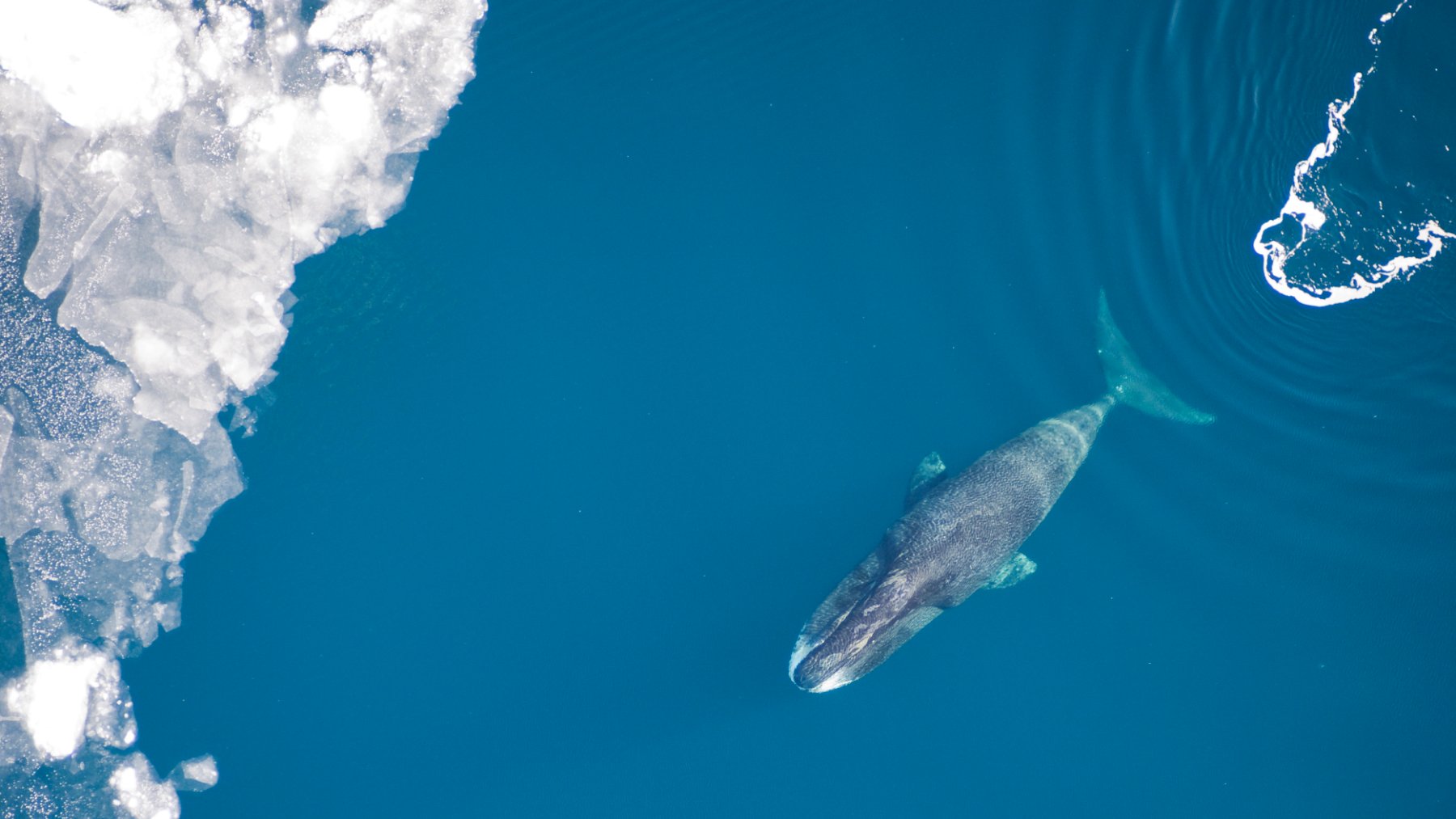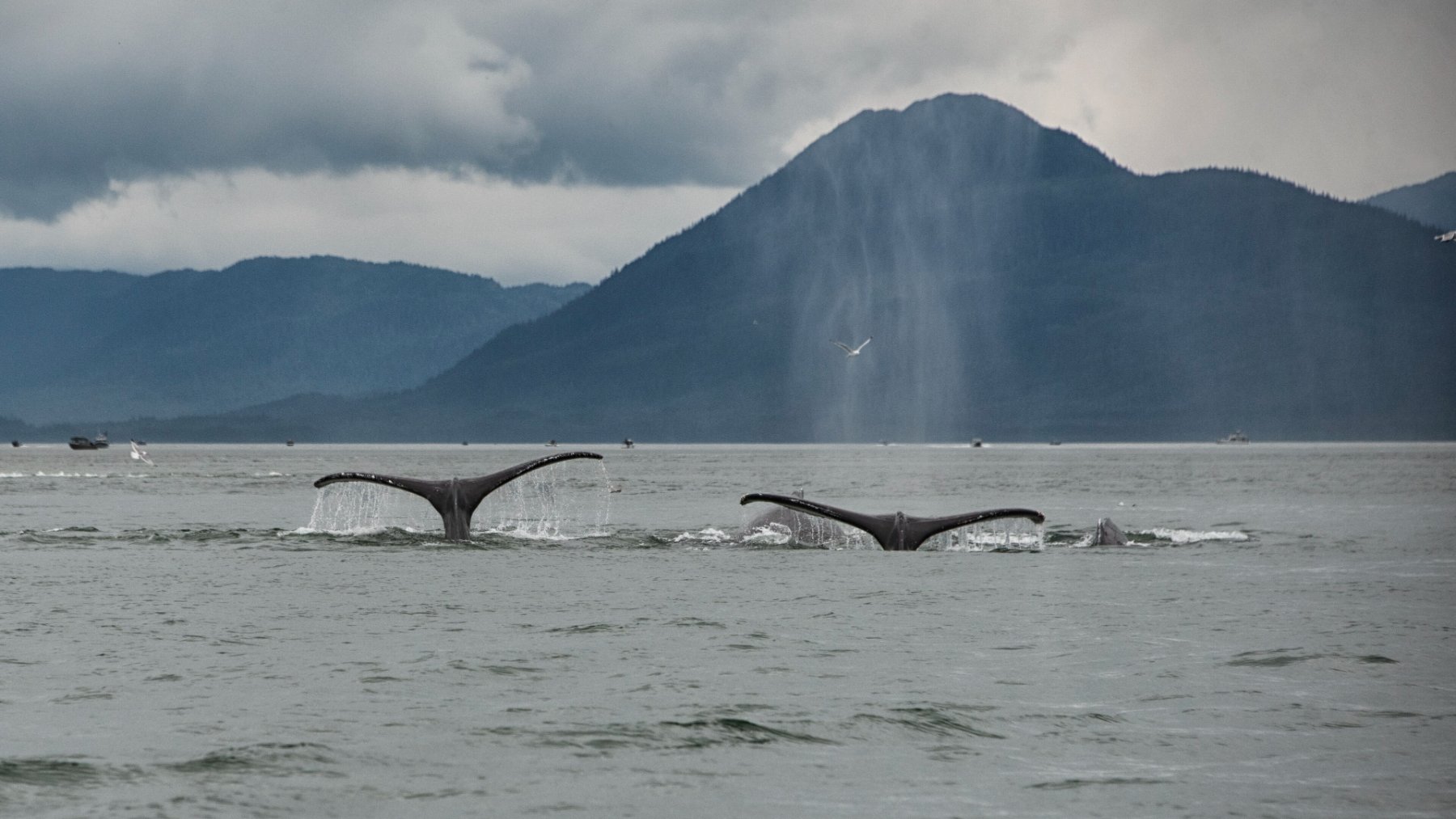
A juvenile humpback whale near Alaska’s Endicott Arm was tethered to the seafloor by two commercial crab traps weighing about 1,600 pounds combined. On May 11, 2026, a trained response team spent five hours making four cuts that allowed it to swim away. The rescue began with people on passing boats noticing something was wrong.
The operation, about 50 miles south of Juneau, shows how ordinary boaters can help without attempting a dangerous rescue themselves. The whale escaped the heavy traps, but some rope remained in its mouth, and responders were hopeful rather than certain about its full recovery.
Crab traps turned into anchors
The animal had become caught in lines from two Tanner crab pots, each weighing approximately 800 pounds. Rope passed through its mouth and baleen before forming a tight knot around the peduncle, the narrow part of the body just ahead of the tail.
With the traps resting on the bottom, the whale could not travel far or use its tail normally. Dr. Suzie Teerlink, a NOAA Fisheries marine mammal specialist, explained that it had to rely mainly on its pectoral fins (the large flippers on either side of its body) to reach the surface and breathe. Simply getting air had become hard work.
Passing boats became a rescue network
The first reports came on the evening of May 10, when mariners called the NOAA Fisheries Alaska Marine Mammal Stranding Network’s 24-hour hotline. Cruise ships, charter boats, fishing vessels, and private yachts use the area, creating opportunities to notice an animal in trouble.
“That communication was critical,” Teerlink said in NOAA’s account. Vessel crews shared updates that helped coordinators understand the entanglement, plan the response, and find the whale again. Their contribution was not cutting rope but making sure trained rescuers knew where to go and what they would face.
Five hours to make four cuts
The Juneau-based team included biologists from NOAA Fisheries and the Alaska Department of Fish and Game, along with local partners from Alaska Sea to Shore. U.S. Coast Guard Station Juneau provided safety support and helped direct nearby vessel traffic while responders worked.
“Cutting gear off an animal of this size can be dangerous,” said John Moran, a NOAA research fisheries biologist. Responders used long poles fitted with specialized knives, giving them more reach while reducing the need to get close to the whale.
After four carefully chosen cuts, the heavy pots and most of the lines were no longer holding the animal. A short, unknotted section stayed threaded through its mouth, which responders hoped would work free on its own.
Swimming away is only the first step
For scientists, watching the whale swim away does not answer every question about what comes next. Identifying it in later sightings could help document its movements and survival, turning the rescue into an opportunity to learn how whales fare after entanglement.
Usually, researchers identify humpbacks by the individual black-and-white patterns under their tail flukes. The ropes had restricted this whale’s tail too much for responders to get that view, so they photographed its dorsal fin instead. They also collected small pieces of skin from the gear for possible DNA identification.
A recurring danger in Alaska’s waters
Entanglement is one of the leading human-caused threats to large whales worldwide. Humpbacks feeding in Alaska’s productive summer waters can encounter crab-pot lines, gillnets, longlines, anchor lines, and marine debris.
The danger does not necessarily end when an animal manages to move again. In its broader guidance, NOAA explains that whales unable to shed entangling gear may carry it for months or even years, with consequences for feeding, swimming, and breathing.
That makes this rescue more than an isolated wildlife story. Alaska’s response network depends on trained personnel, fishing-industry partnerships, and reports from local communities to reach animals in trouble across an enormous area.
The safest help starts with a report
See an entangled whale in Alaska? Call NOAA’s 24-hour hotline at 877-925-7773 or contact the U.S. Coast Guard on VHF Channel 16. Give its location, describe the gear, and explain how the animal is behaving.
Stay more than 100 yards away, remain aboard your boat, and never try to cut the whale free yourself. Photographs taken from a safe distance can help responders assess the problem while keeping observers out of the rescue operation.
At Endicott Arm, public reports helped turn a dangerous entanglement into a chance for survival.
The official rescue account was republished in July 2026 on the Alaska Department of Fish and Game website.