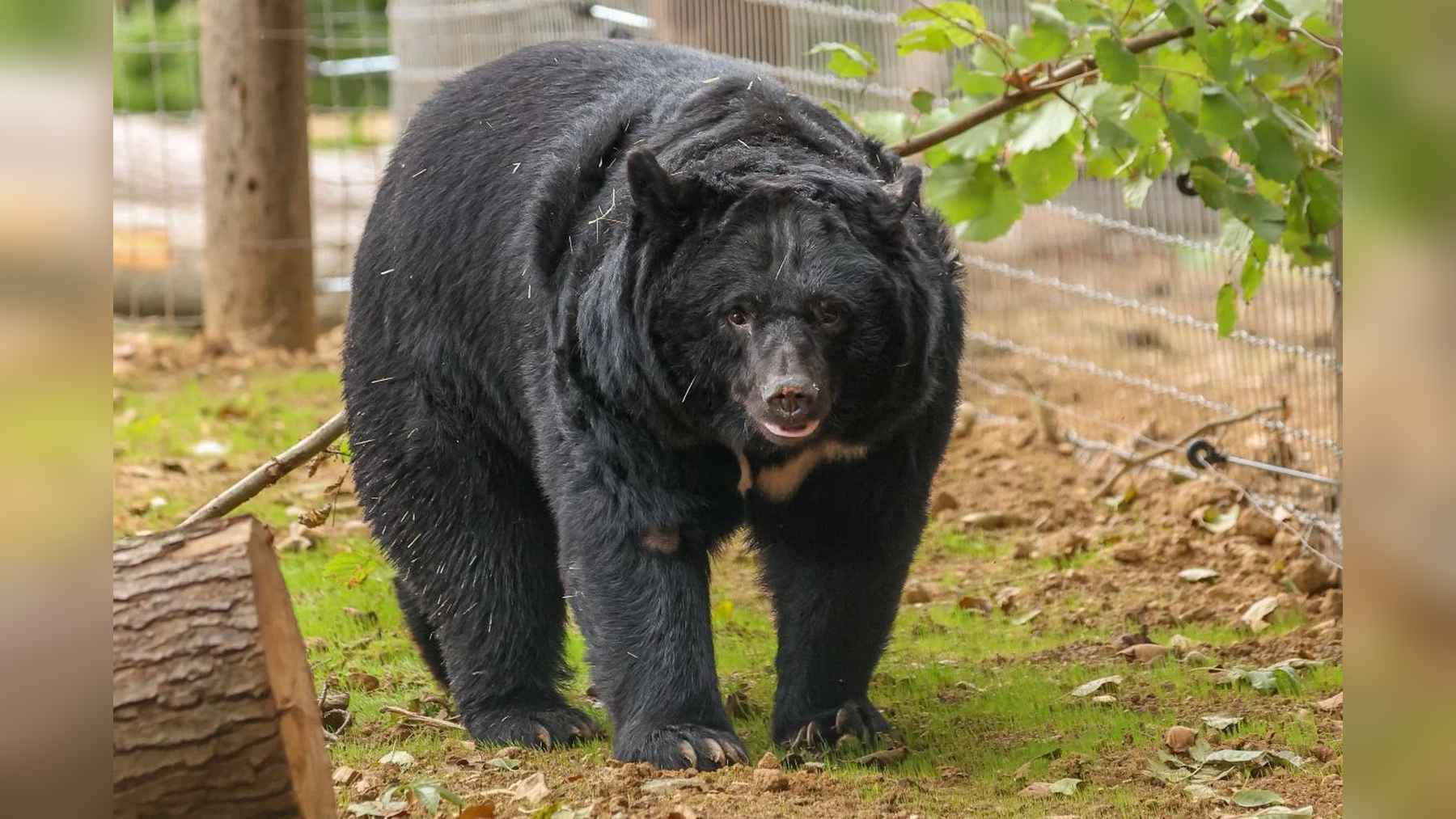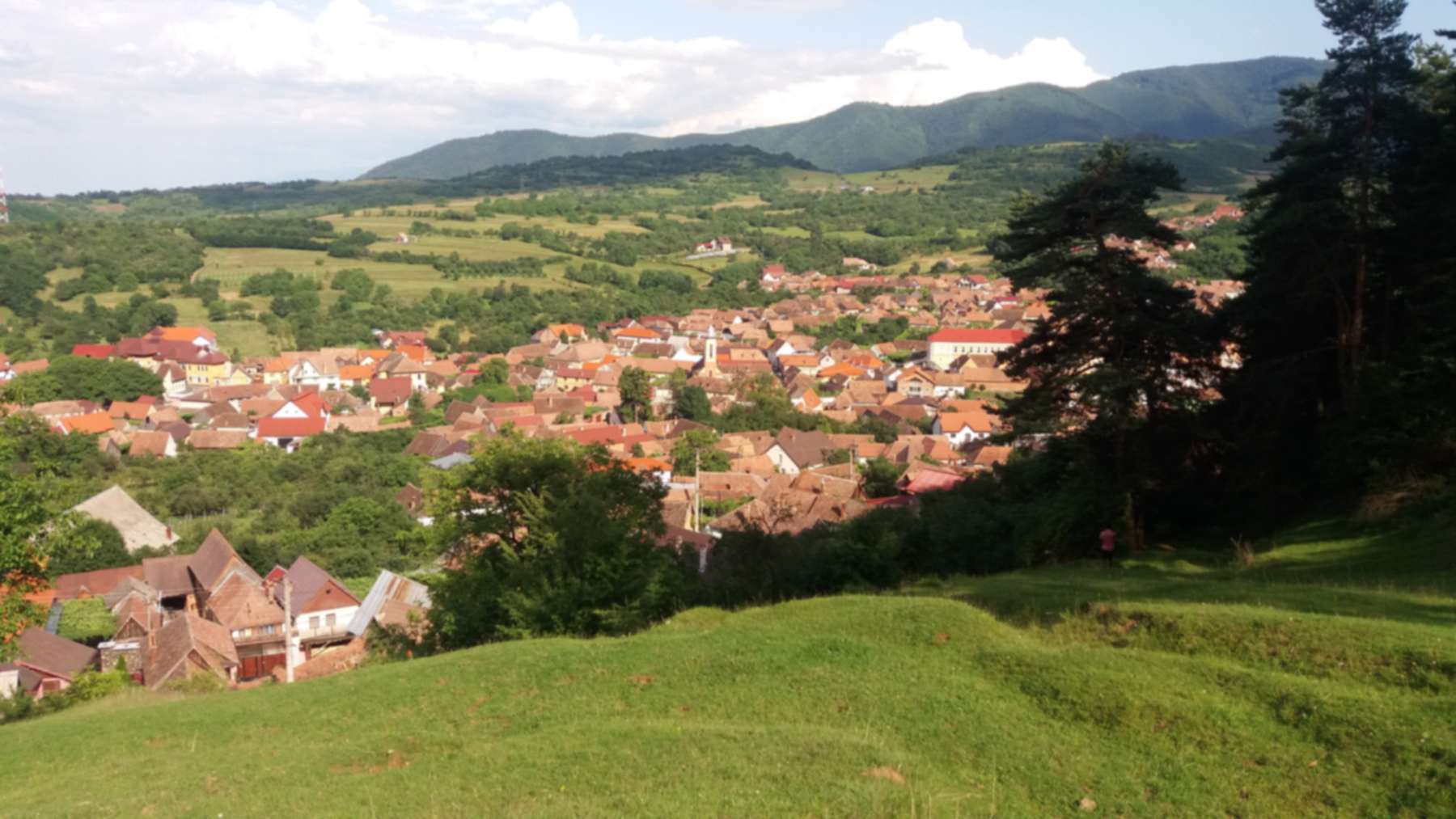
Romania’s national genetic estimate puts the country’s brown bears at 10,657 to 12,787, and Brașov County has the highest density of any county, with an average of 1,329 bears, or 29.9 per 100 square kilometers (about 77 per 100 square miles). Environment minister Diana Buzoianu received the final results of the four-year project at Transilvania University of Brașov on Dec. 12, 2025.
Field teams pulled tufts of bear hair off marked trees and wire corrals with sterile tweezers and swabbed droppings into 2-milliliter tubes, about 24,000 samples in all. Romania has the largest brown bear population in Europe outside Russia, roughly 43 percent of the EU’s bears, according to an August 2024 statement from WWF, which added that the exact number remains a topic of debate.
Brașov County has the most bears per square mile
The project ran from 2021 to 2025 and cost 57.3 million lei. The ministry led it with Romsilva, the Marin Drăcea forestry research institute and Kronstadt, the city-owned forest agency of Brașov.
Two samples with the same genotype mean one bear, so the lab can estimate animals instead of adding up sightings, the method also used for brown bears in the French Pyrenees. Harghita, Buzău, Vrancea, Mureș and Covasna follow Brașov on the density list.
In Postăvarul, a Natura 2000 site between Brașov, Predeal and Râșnov, 6 motion-triggered cameras on 1,288 hectares (about 3,180 acres) picked out 24 different bears in 2020 and 22 in 2021, the project’s zoning report says.
Dr. Cristian-Remus Papp, then wildlife practice coordinator at WWF-Romania, said in 2024 that no law or cull will resolve human-bear conflicts sustainably without managing attractants such as waste and supplemental feeding sites. Bears can detect them from up to 5 kilometers away, he said, and hunting alone is not enough.
How a forest bear turns into a town bear
The zoning report sketches five stages. A young bear picks up the smell of food from a distance and comes to the edge of town at night, then by day, and eventually turns up in crowded places such as resorts and parking lots. At the end, such animals “cannot be rehabilitated in most cases,” the authors write.
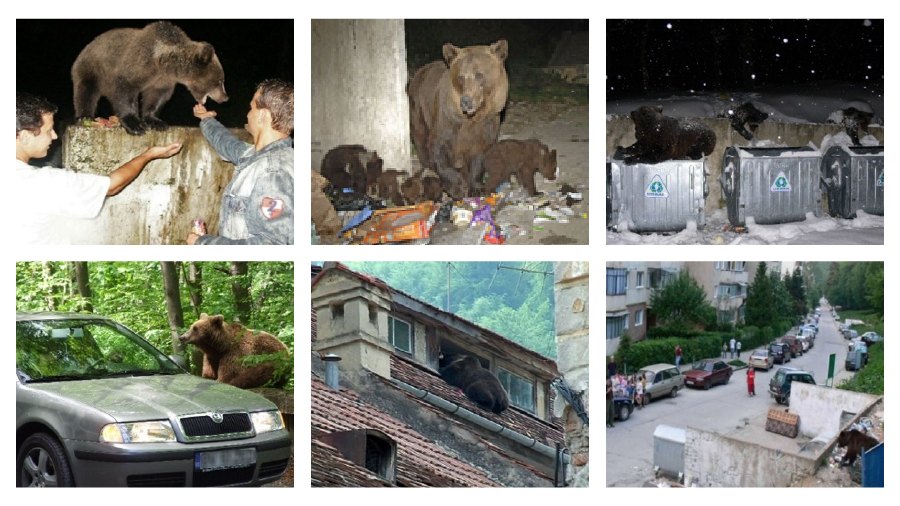
Hiking, berry picking, mushroom collecting and off-road sports in bear habitat, combined with easy food, push bears to expand their territories into previously bear-free areas, WWF wrote.
Feeding sites in the forest are a separate question. László Gál of Babeş-Bolyai University, with WWF-Romania’s Alexandra Sallay-Mosoi and Cristian Papp, put camera traps at hunters’ feeding sites 2 to 4 kilometers (1.2 to 2.5 miles) from a busy tourist town, in a corridor of about 64 square kilometers (25 square miles).
Over 283 days the cameras logged 27,007 recordings but found no evidence of spatial overlap with bears detected in the town, the team wrote in an abstract for the TusnadEcoBear conference, held in Băile Tușnad in October 2025. Feeding sites can work, they concluded, as long as hunting staff avoid direct contact with the bears during feeding.
Relocated bears found their way back
The zoning report maps four habituated bears relocated from the Brașov area. A bear from Poiana Brașov, the ski resort above the city, was taken to the Bucegi Mountains and was back in the same spot within 3 days. After a second move it came back in 1 day, and the hunting ground manager shot it.
A mother with cubs from the city of Brașov, released in the Lotru Mountains, crossed 7 counties and settled near the resort of Păltiniș. A young female from Predeal died 2 days after her move to the Codru Moma Mountains, when her collar sent a mortality signal. In capital letters, the authors wrote that for bears in repeated contact with people, relocation “is not a viable solution in the medium and long term.”
Fences, fines and bins that bears test
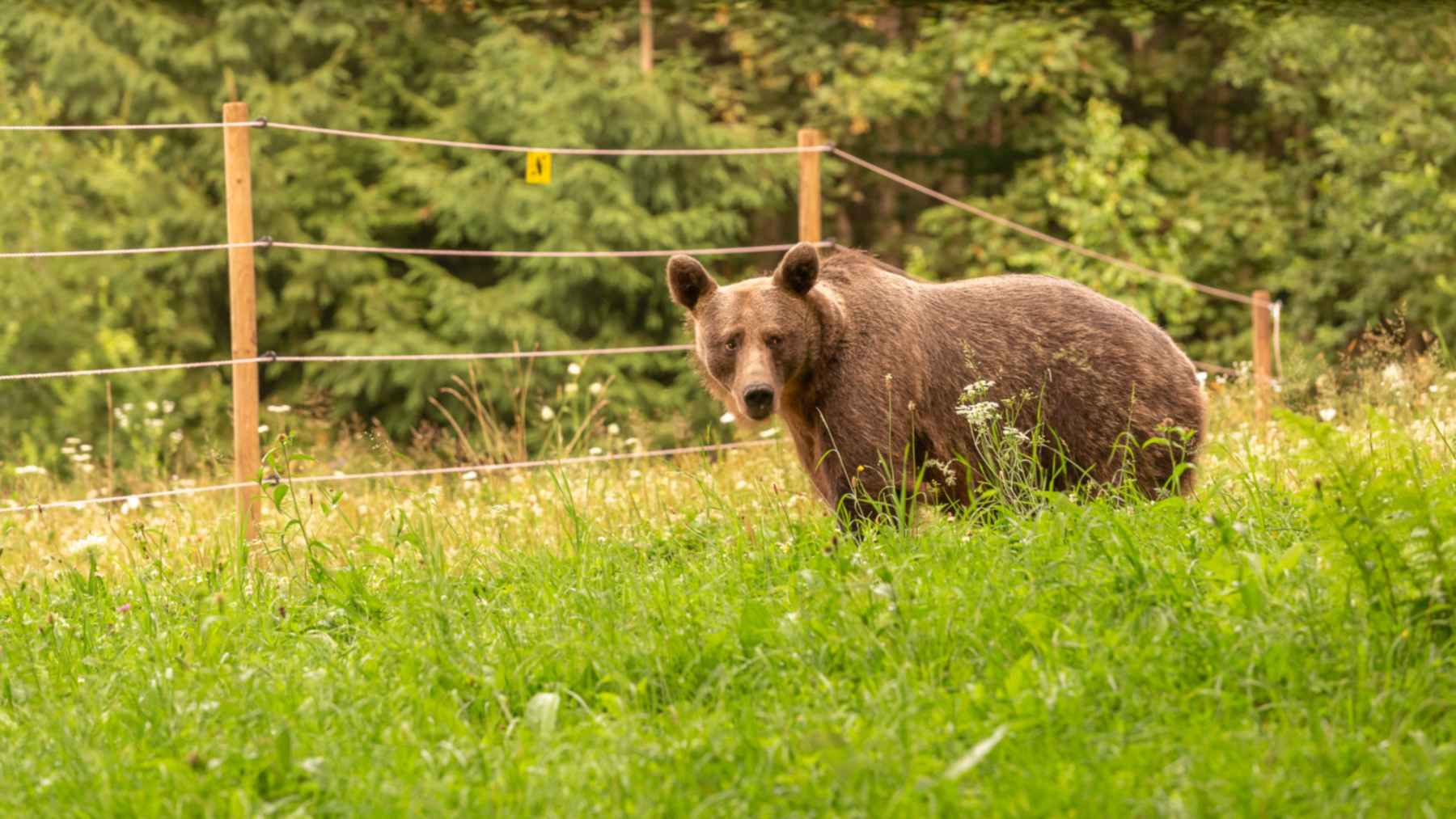
Romania’s national project handed out 1,140 electric fence systems to protect livestock, crops and property, much like a fence around beehives on a Virginia solar farm. Brașov County logged the most reports of wildlife at the fences, 198 of 1,888, and the monitoring report says they failed only when a system was not kept to spec.
Since November 2025, feeding a bear in the wild can cost 10,000 to 30,000 lei. In conflict zones, the zoning plan wants bear-proof containers, emptied daily, for good reason, as anyone who has read about a bear living under a house for a month knows.
Bins have to survive a determined animal. At the same conference, Michal Haring of Comenius University Bratislava described trials in which a zoo bear in Slovakia tried to reach food inside common bin types by pushing, biting and overturning them.
Other Transylvanian towns are changing course
In Băile Tușnad, a spa town of about 1,300 people in Harghita County, bear alerts and interventions fell from 237 in 2021 to 14 in 2024 after the town, WWF-Romania and the Project Bag Association set up an early-warning system and bear-proof bins, WWF reported. The town’s entry on Interreg Europe puts RO-Alert calls at 7 in 2025 and lethal removals at zero.
Researchers at BOKU University in Vienna see room to expand that approach to other regions. In Târgu Mureș, bears walk onto the forested Cornești Plateau around the city zoo, and János Szánthó of the zoo and plateau administration wrote that such sightings “are not unprecedented.” After almost purely reactive responses, such as scaring off, relocating or culling habituated bears, the administration is gradually shifting toward prevention and removing attractants, he wrote.
What the counts still leave open
The ministry calls its papers synthesis reports, not final deliverables. In March 2026, WWF-Romania asked for the raw data and an independent audit of the genetic study.
Romania does not assess whether culling actually reduces human-bear conflicts, WWF wrote in 2024. The camera study had its own gap, since its authors note there is no precise quantitative data on individual bears.
The genetic and zoning reports were published by Romania’s Ministry of Environment, Waters and Forests on Dec. 15, 2025.
Near the feeding sites, the cameras caught bears easing off when people were around, much as bears in Alaska fled recorded human voices. The bears are probably adapting to their surroundings “while actively avoiding human presence,” the team wrote.
Photo: Romanian Ministry of Environment, Waters and Forests