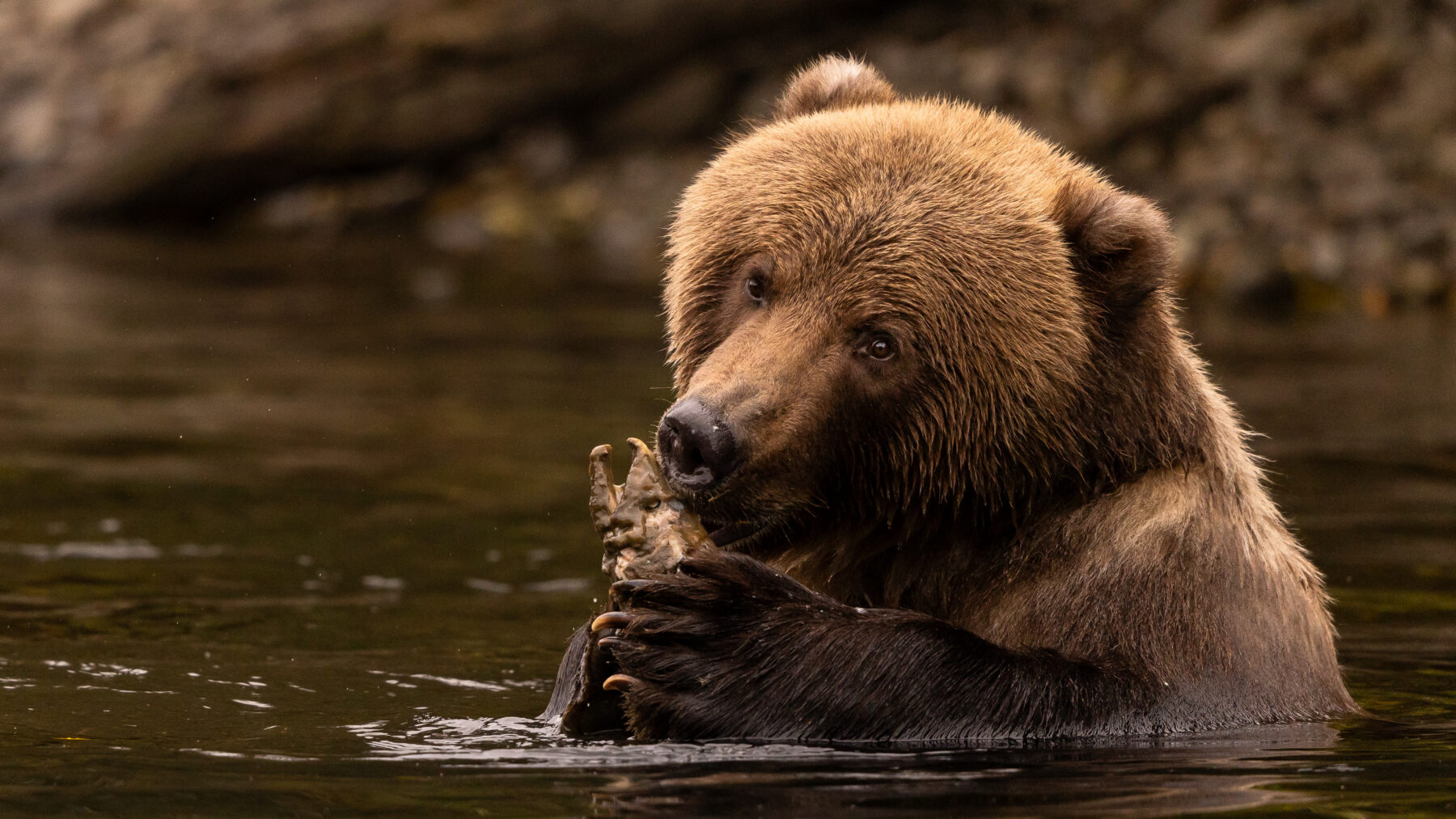
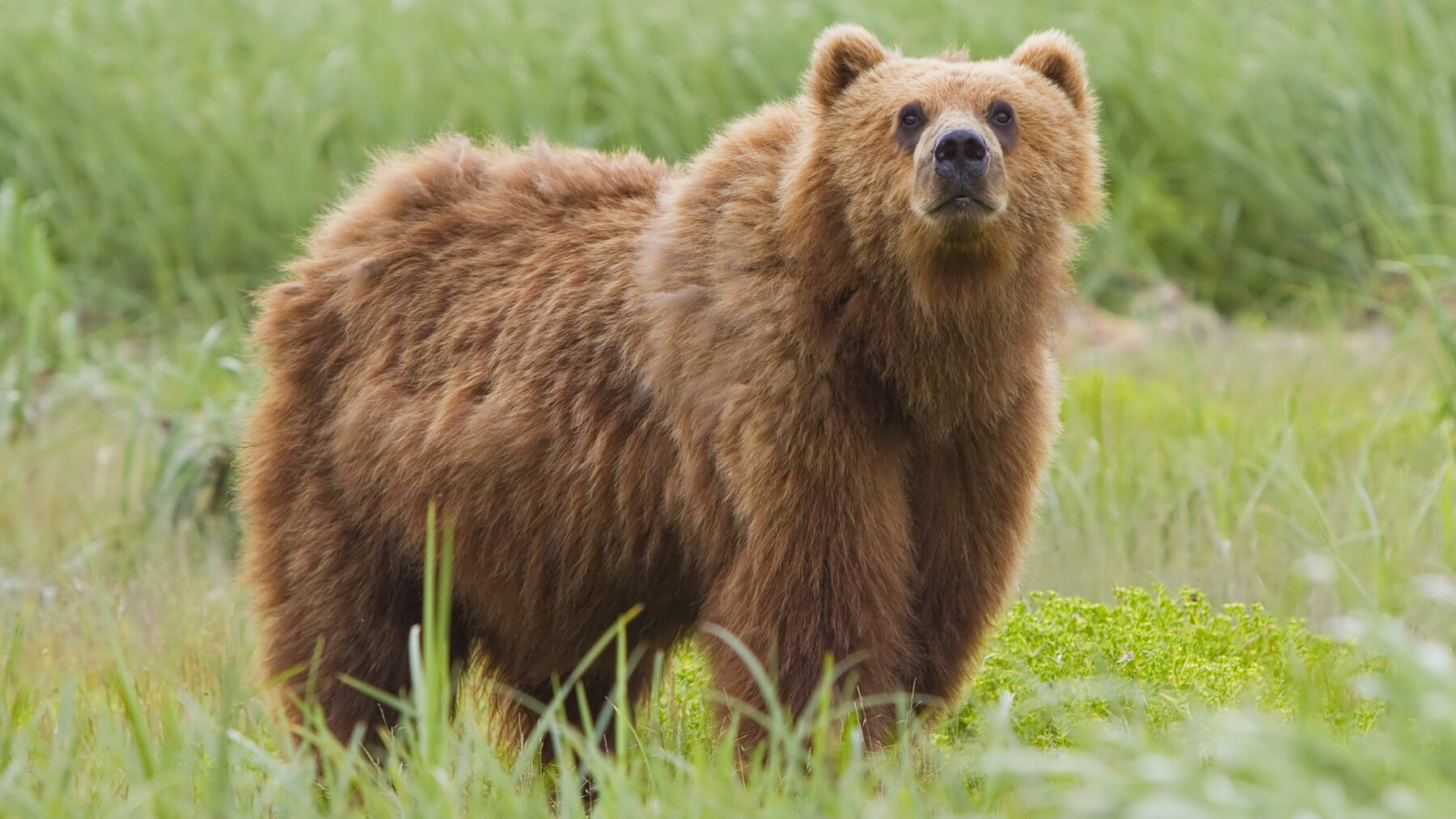
Bears do hibernate, and one brown bear in Alaska’s Brooks Range stayed curled up in its den for 233 days straight, eight days short of what National Park Service biologists consider the physiological limit for a bear in torpor. That’s 64 percent of a year spent underground.
The bear was one of a group that park biologists fitted with GPS collars in Gates of the Arctic National Park and Preserve, a chunk of northern Alaska that lies entirely above the Arctic Circle. On average, the collared brown bears (Ursus arctos) spent 206 days in their dens, or roughly 6.8 months. They went in around September 30 and climbed back out around April 25. The team called these “some of the longest denning durations ever reported in the world” in an NPS write-up of the study, which ran in the journal Wildlife Biology in February 2025.
Even the biologists hedge on the vocabulary, though. Their bears spend winter “with lowered body temperature, slowed breathing, and reduced activity,” they wrote, and “technically, this is torpor, but it is often called hibernation.”
Not quite ‘true’ hibernators
Shenandoah National Park, in Virginia, goes a step further with its black bears. “Black bears are not considered to be true hibernators but they do not eat, drink, defecate, or urinate while denning,” the park says on its black bear page. Part of the reason sits in the very next line. “They may be easily aroused from their dens.”
The Alaska Department of Fish and Game, meanwhile, just calls it hibernation and moves on. Up there, black bears lower their body temperature, cut back their metabolism and sleep for long stretches. “In the northern part of their range, bears may be dormant for as long as seven to eight months,” ADF&G says.
The habit is stubborn. ECONEWS wrote about a bear raised in a tiny cage that started hibernating again once it finally got space, cold and time.
When do bears hibernate?
Salmon had a lot to do with it in the Brooks Range. Bears with better access to late-running chum salmon went to bed later, because “bears will stay out of the den and remain active in the fall if they can continue to consume high-quality food, like salmon,” the NPS team wrote. Getting up was more of a group decision. Half the bears emerged between April 23 and 28, more or less on the snowmelt’s schedule.
Pregnant females and moms with cubs averaged 211 days in the den, against 203 for males. After they came out, the bears loitered within about half a mile (0.8 kilometers) of the den for 6 days on average. Mothers with cubs lingered 12.
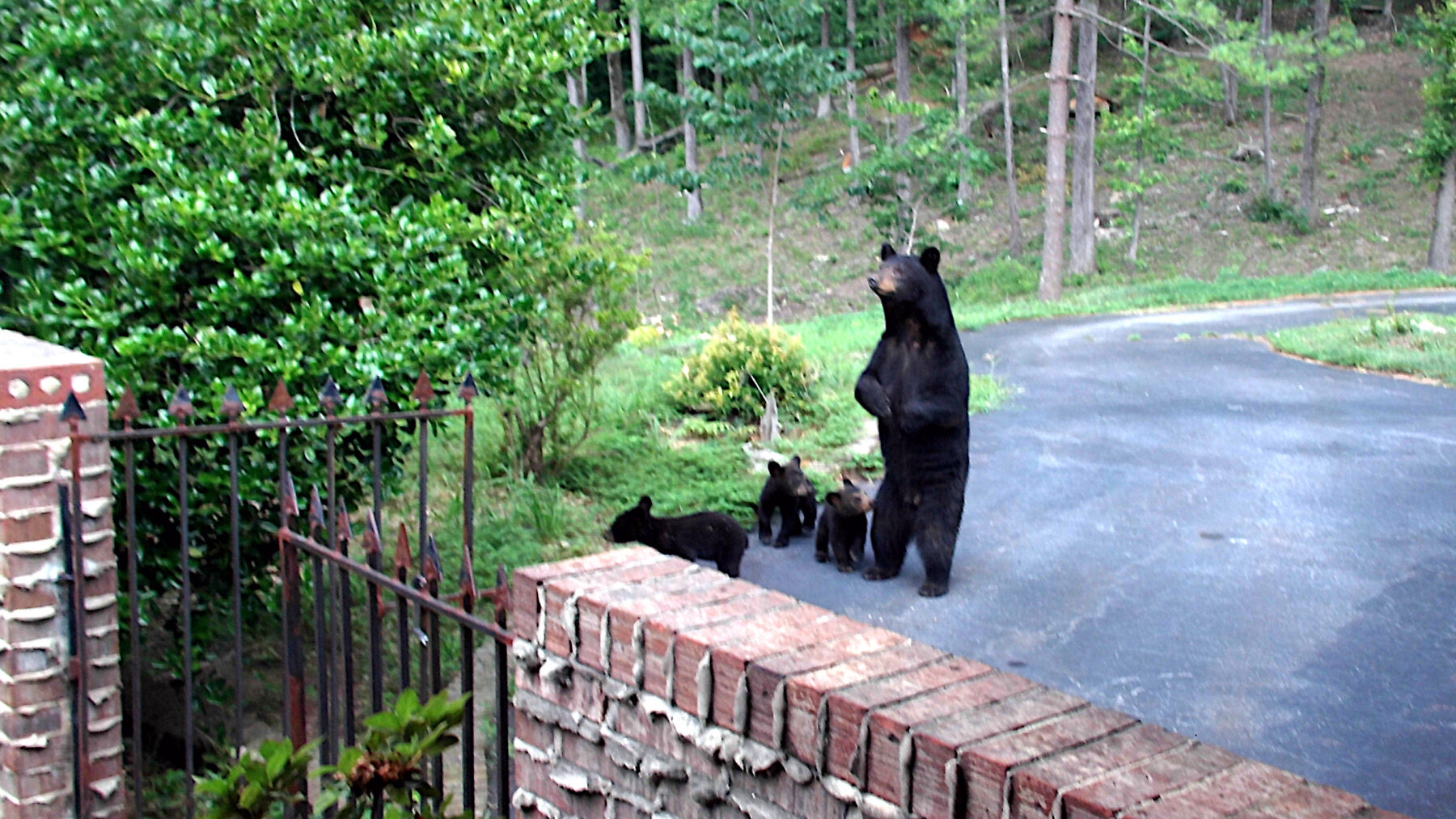
Virginia runs on a gentler calendar. Shenandoah’s bears settle into hollow trees (or snags, rock crevices, brush piles and dug-out holes) in October and November and come out in April or May, usually after the big males are already up. Some skip it entirely. If it stays mild, the park says, a few bears roam about all winter.
Before any of that, they eat like it’s a job. A Shenandoah bear can add 1 to 2 pounds a day in fall, and ADF&G says Alaska’s male black bears, around 180 to 200 pounds in spring, can be about 20 percent heavier by fall. Think Fat Bear Week in Katmai. The NPS says that stored fat is what the body burns in the den.
A slower, stiffer heart
Grizzlies (Ursus arctos horribilis) drop from 84 heartbeats a minute when active to 19 while hibernating, according to an echocardiography study of unanesthetized bears indexed on PubMed. The researchers wanted to know how the bears “tolerate extremely low heart rates without developing cardiac chamber dilation.”
Volume pumped per beat stayed put. The left ventricle slimmed down, though, from 402 grams (14.2 ounces) of muscle to 300 grams (10.6 ounces), and it got stiffer. The team traced the stiffness to titin, a giant protein in heart muscle. Hibernating bears shifted toward its stiff N2B form, and the ratio of the floppier N2BA version to N2B fell from 0.73 to 0.42. The authors suggest that’s what keeps the chambers from stretching.
Polar bears are a different case. ADF&G’s polar bear profile puts most of them out near the pack ice in winter and describes dens only for pregnant females, who dig into drifted snow in October and November. Their cubs, usually twins, are born in December or January at 1 to 2 pounds and leave the den in late March or early April at around 20 to 25 pounds.