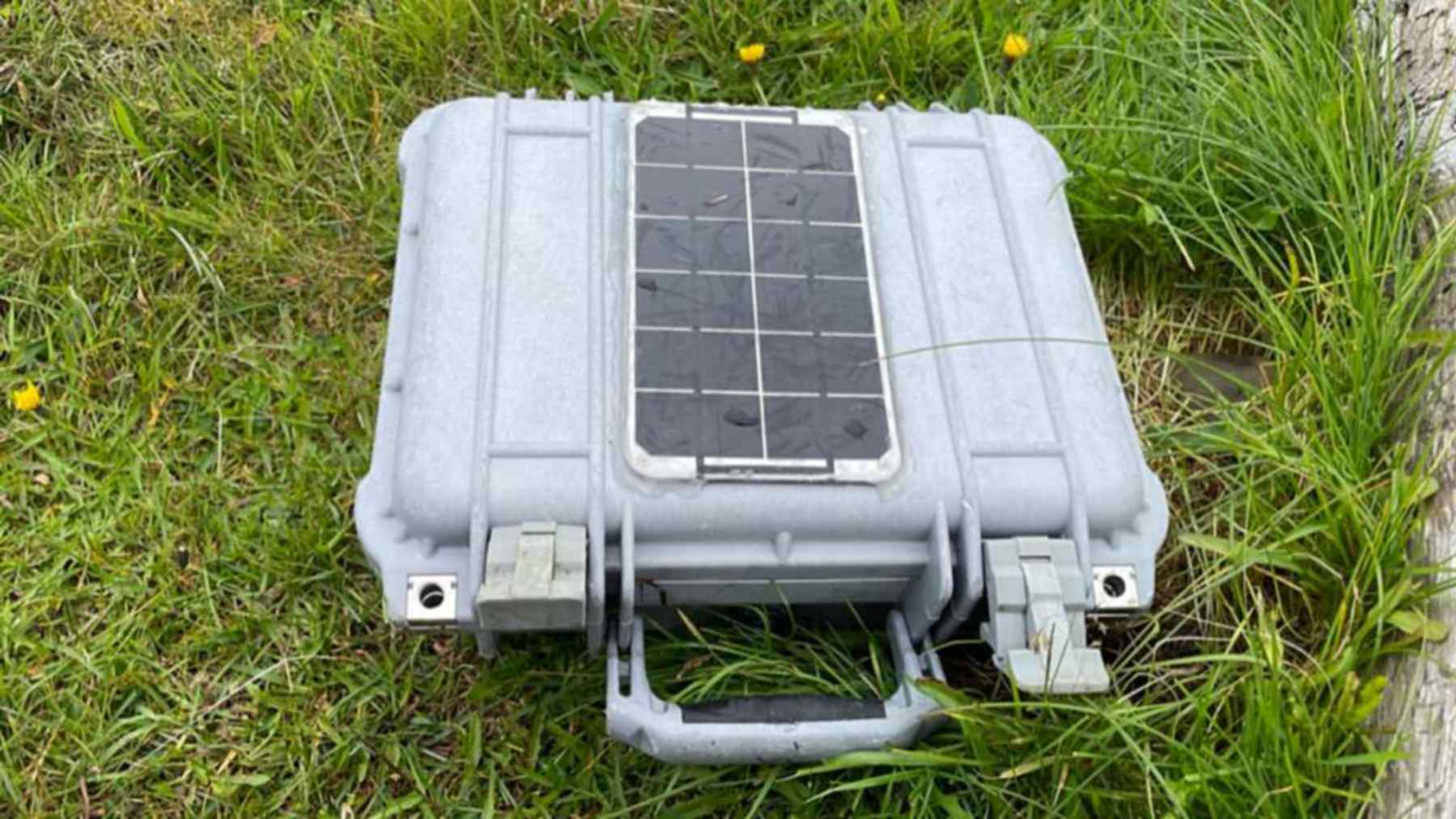
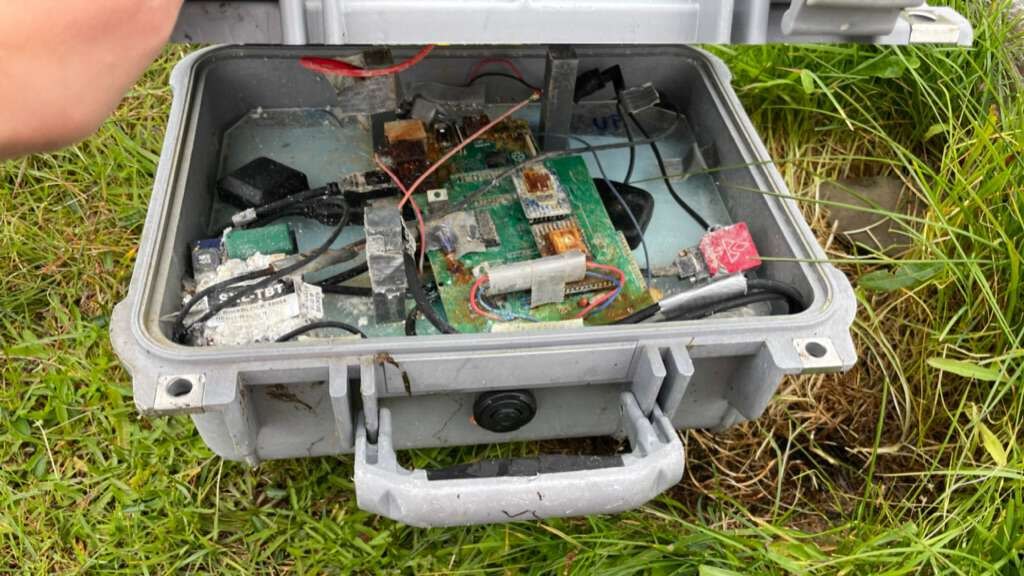
An archaeologist in northern Iceland found a battered gray suitcase near the farm Hafnir, on the Skagi peninsula. Norwegian researchers had put it out on the Arctic sea ice north of Svalbard in August 2020. Its memory card still held 142 files of raw motion data.
Back in Oslo, those files showed waves knocking ice floes into each other far inside the pack. The University of Oslo posted the story of the find on September 25, 2026.
Six cases on the Yermak Plateau
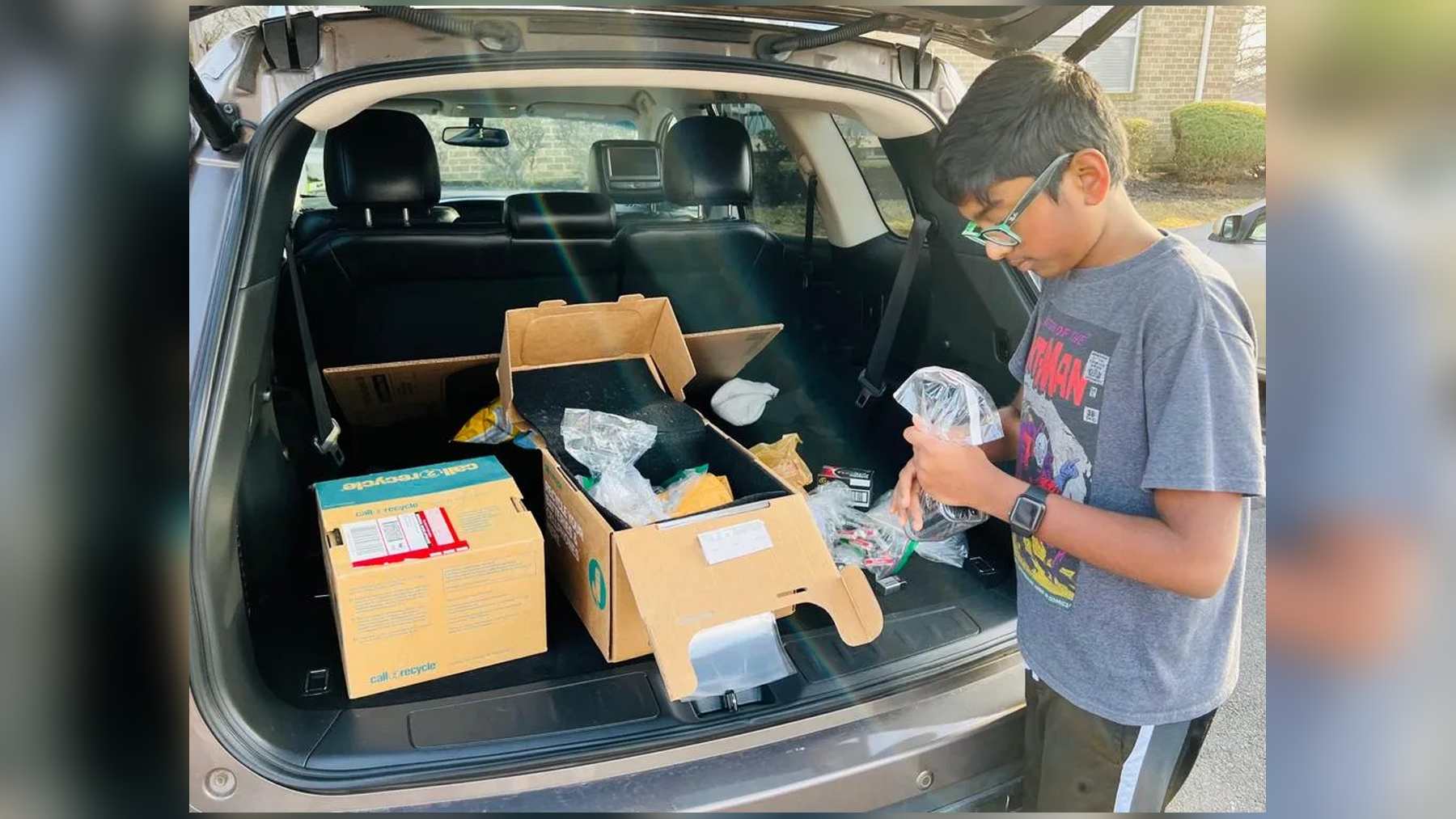
In summer 2020, a team set out six wave buoys on the Yermak Plateau, north of Norway’s Svalbard archipelago. They worked from the research hovercraft Sabvabaa, and each instrument rode a drifting floe inside a sturdy case.
The question was what happens when ocean waves run into floating ice. Off Svalbard, a storm with big waves about 10 feet (3 meters) high had already sent 3-foot (1-meter) waves a good way beneath the ice. That kind of stress can crumble ice over large areas.
Each buoy had batteries meant to last about two months and sent compressed wave summaries home by satellite. Transmitting drains power, so the raw records stayed on an SD card inside each case.
An email from Skagi
Atle Jensen, a professor of fluid mechanics at the University of Oslo, said the team wrote those records off early. “The cost of retrieving them is extremely high. That’s why we considered them lost,” he told the university.
Still, the cases carried labels in case anyone came across one. Two years later, Jensen got an email from Lísabet Guðmundsdóttir, an archaeologist in Iceland. It held a photo of a rusty, worn case and a short question asking whether it was theirs.
At the Department of Mathematics, the news brought cheers and a toast with coffee. Jensen then talked Guðmundsdóttir through copying the card onto her own computer and sending its files to Oslo.
Seawater spared the SD card
Salt water had corroded much of the electronics, but the card survived. The researchers say it was sealed in plastic with gold-plated connectors, and every file on it was readable.
Each of the 142 files holds a 20-minute burst of motion and GPS data, logged every four hours. That adds up to roughly 47 hours of measurements. The buoy had gone silent on September 9, 2020, about three weeks after it went out on the ice.
The authors are open about the role of chance. “The present study owes a lot to luck and serendipity,” they write. This older buoy model kept a full copy of its raw data only because it carried an extra Raspberry Pi computer to process the signals.
Sideways jolts timed to waves
Lars Willas Dreyer of the University of Oslo and Jean Rabault of the Norwegian Meteorological Institute led the analysis. With Jensen and four colleagues, they screened all 142 files for jolts the waves alone could not explain.
Four files showed statistically significant spikes at 99 percent confidence. In two of them, the buoy logged sharp sideways jolts aligned with the incoming waves. Those jolts also clustered at specific points in each wave cycle.
That timing points to collisions between the buoy’s floe and its neighbors, driven by the waves. “The data showed what we had believed, but had never been able to confirm,” Jensen said.
Where the buoy sat adds weight to the result. It was typically about 50 miles (80 kilometers) inside the ice edge, deep in the marginal ice zone. That is the band of the pack still affected by the open ocean.
Floes that soak up wave energy
Waves lose strength as they travel through sea ice. That damping shields the inner pack from break-up during strong wave events. Nobody has pinned down which processes do most of that work, and the authors write that this gap hurts weather and climate forecasts for the Arctic.
Lab and field tests had already shown that colliding floes can dissipate energy. Computer models point the same way, including simulations of 2,000 neighboring ice floes that help explain how Arctic ice spreads.
Older work cited in the paper found that average Arctic ice thickness fell from about 12 feet (3.64 meters) in 1980 to about 6 feet (1.89 meters) in 2008. Over the same years, the ragged outer zone has taken up more and more of the Arctic.
Bright sea ice reflects sunlight, while darker open water absorbs it, the National Snow and Ice Data Center explains. Losing ice can therefore feed more warming, and studies have also tied Arctic ice melt to the polar vortex.
Two files, no collision rate
Two files cannot show how often floes collide or how much wave energy the impacts remove. The authors call their records “not a sufficiently large and well-sampled dataset to extrapolate our results.” Over half the recordings came from calm spells.
Wave height alone did not predict the collisions. Both events hit when wave height and wave period jumped suddenly, so something about the wider ice probably sets the stage. The team now plans buoys that compute simple collision statistics on board.
Another of the six cases may help in the meantime. A German tourist found it in Iceland and sent its GPS coordinates, but three recovery attempts had been made by late September, and bad weather was holding up further efforts.
Jensen hopes a second record would confirm the first and add something new. “When we have two points logging movements, we can see how they move relative to each other,” he said.
The full study was published in Cold Regions Science and Technology in 2025. The University of Oslo described the recovery on Titan, its research news site.
Photo: Lísabet Guðmundsdóttir / University of Oslo