A Scottish sailor marooned on a Pacific island in 1704 solved his worst nighttime problem with goat meat. Alexander Selkirk lived alone on Juan Fernández for four years and four months. He fed the island’s feral cats until they drove off the rats that bit him in his sleep.
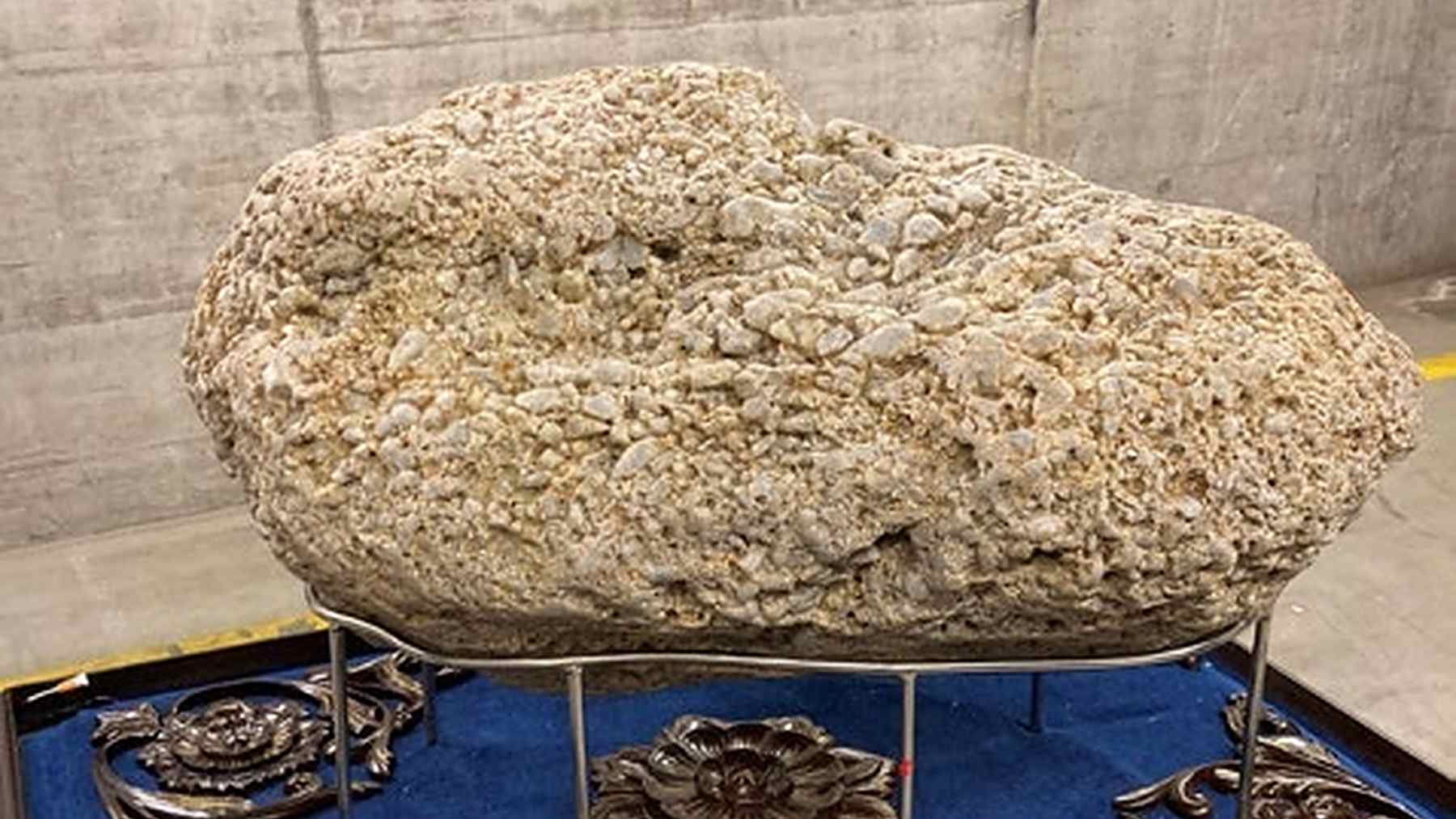
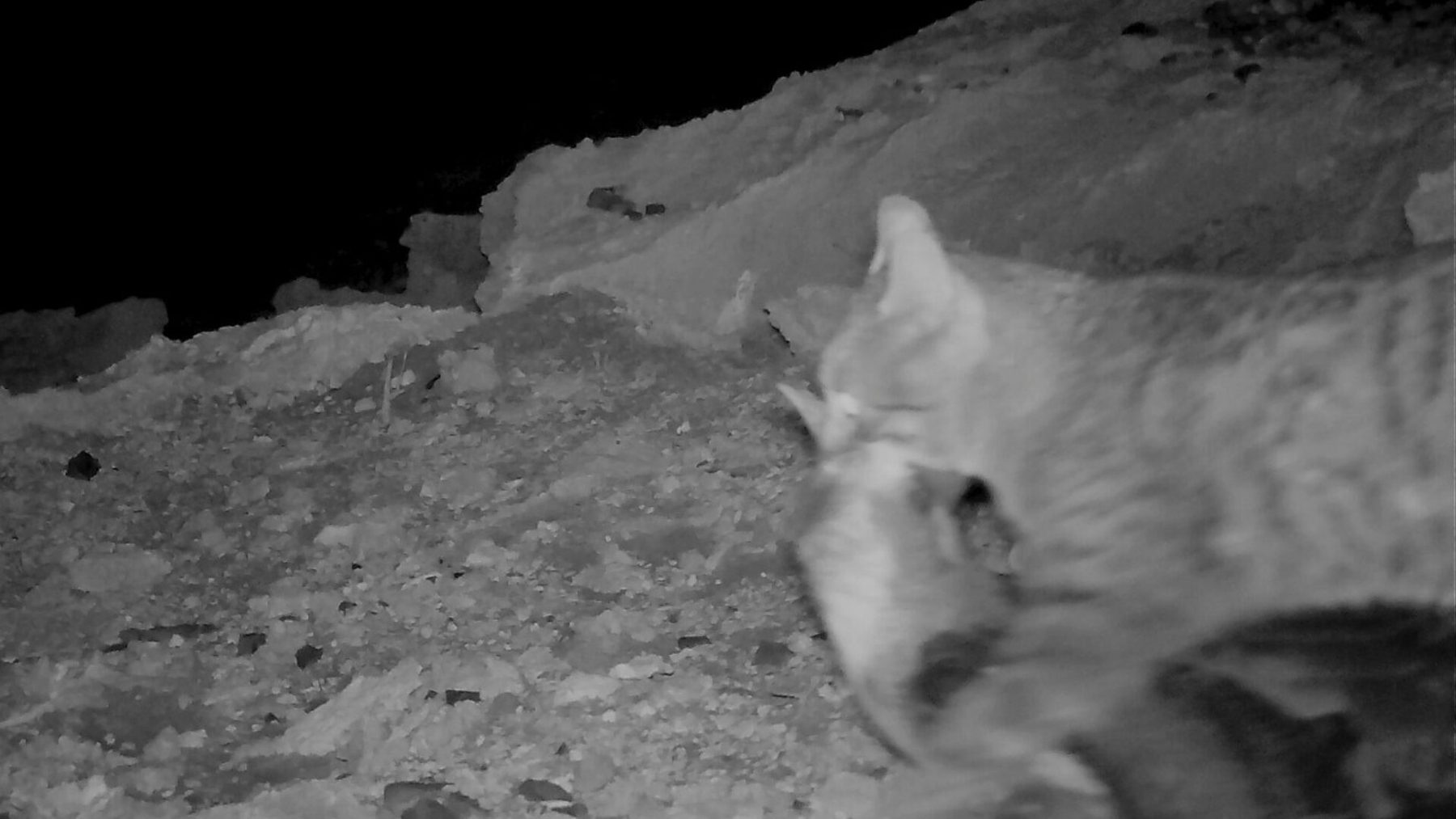
More than three centuries later, park rangers on that island photographed a domestic cat hunting an adult pink-footed shearwater. Chile’s National Forestry Corporation, known as CONAF, published the camera-trap images on June 30, 2025.
Goat flesh for hungry cats
Captain Woodes Rogers, whose privateers picked Selkirk up in February 1709, wrote down what the castaway told him. His journal says cats and rats had bred from animals that got ashore from visiting ships.
At night the rats chewed Selkirk’s feet and clothes, so he started feeding the cats goat meat. Rogers reported that many grew so tame they would “lie about him in hundreds” and “soon deliver’d him from the rats.”
According to the same journal, Selkirk also tamed young goats. For amusement he would “sing and dance with them and his cats.”
A leaking ship, a bad bet
Unlike most castaways, Selkirk asked to stay behind. Jeremy Michell, a senior curator at Royal Museums Greenwich, writes that the privateer Cinque Ports was leaking badly. It had spent 16 months at sea without a proper refit, and Selkirk judged it unsafe.
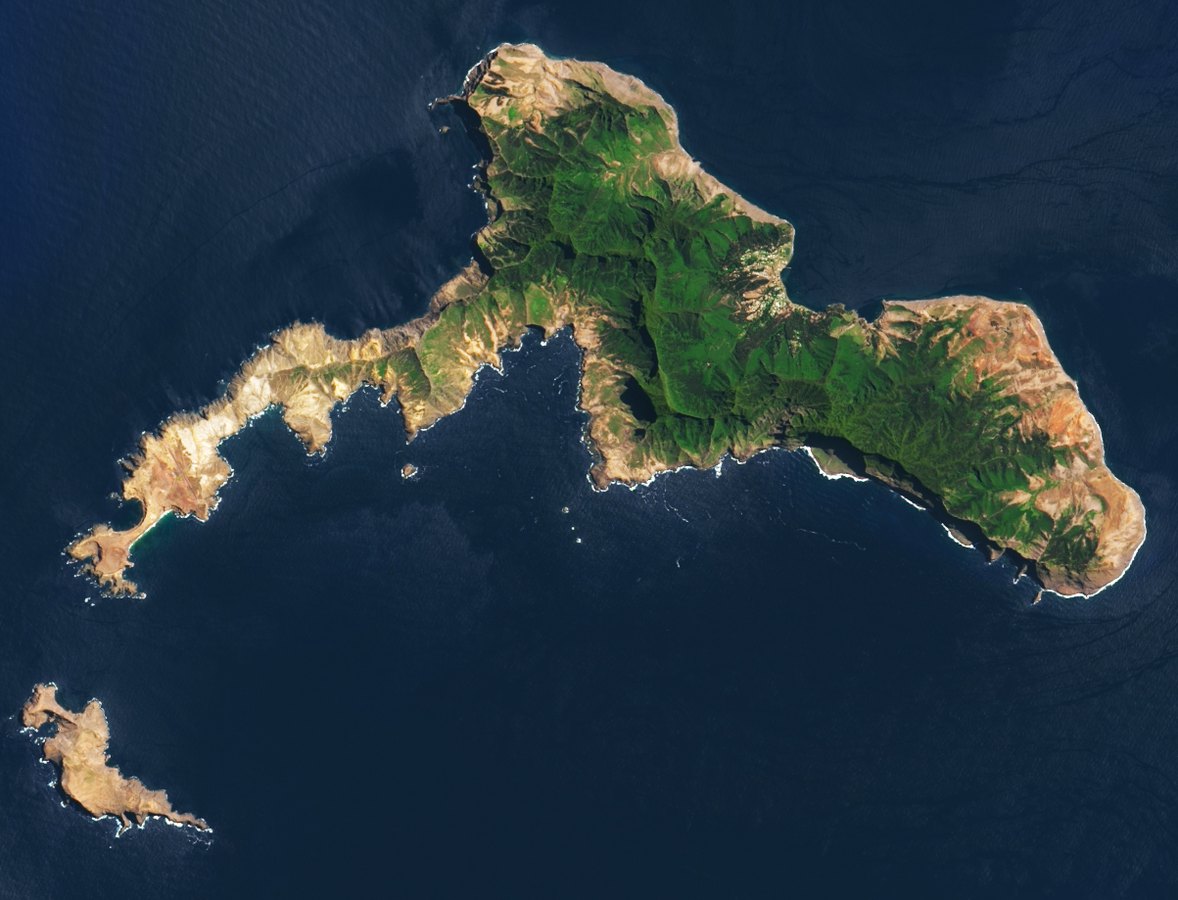
He went ashore in October 1704 and then changed his mind, but Captain Stradling sailed anyway. The place is now called Robinson Crusoe Island. UNESCO puts its archipelago about 400 miles (650 kilometers) off the Chilean coast.
The museum says his fear about the ship proved correct, because the Cinque Ports was later abandoned. Only 18 survivors reached South America, where the Spanish captured and imprisoned them.
Two huts and 500 goats
Rogers listed what Selkirk had when the ship left: bedding, a firelock, a pound of powder, a hatchet, a knife, a kettle and a Bible. For the first eight months, melancholy and the terror of being alone nearly overcame him.
Eventually he built two huts of pimento wood, cooking in the smaller one and sleeping in the larger. Goats left by earlier settlers fed him. He counted 500 that he killed, and he caught about as many more, marked their ears and let them go.
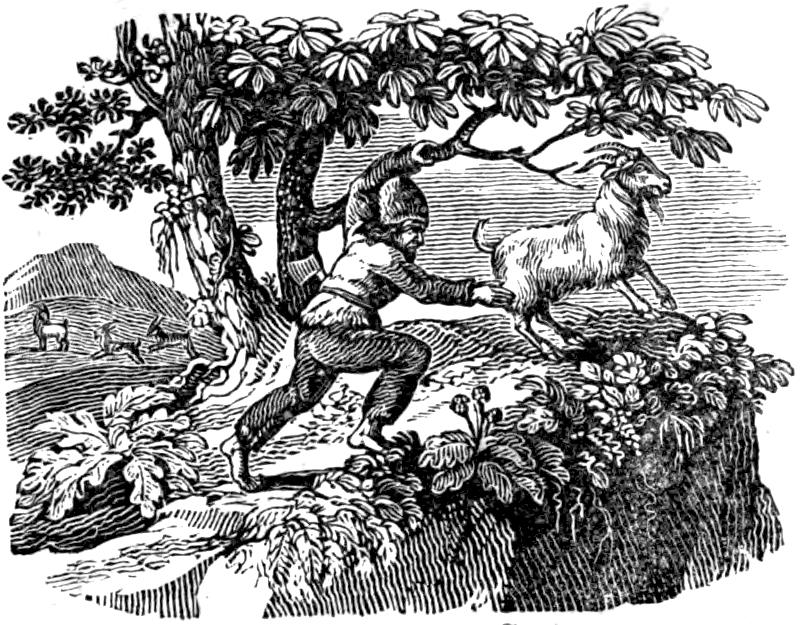
Once his powder ran out he chased goats down on foot, and the habit nearly killed him. During one chase he fell over a hidden precipice and lay stunned for about 24 hours. Turnips sown by earlier crews, cabbage trees and crayfish filled out his diet.
When his clothes wore out, he stitched a goatskin coat and cap. A nail served as his needle, and old iron hoops became new knives.
Half-spoken words aboard the Duke
Early in February 1709, Rogers’s pinnace returned from shore with crayfish and “a man cloth’d in goatskins, who look’d wilder than the first owners of them.” The crew could hardly follow him at first, Rogers wrote, because he seemed to speak his words by halves.
William Dampier, who was on board, vouched for him as the best man on the Cinque Ports, and Rogers signed him on as mate. The Greenwich museum says Selkirk later joined the Royal Navy and died of yellow fever off West Africa in 1721. Daniel Defoe had published Robinson Crusoe two years earlier.
Night cameras at the nesting ground
Cats look very different in the CONAF statement. Its images show one prowling a nest and catching an adult shearwater. Chile lists this seabird, the fardela blanca, as endangered.
Ranger Ignacio Ibáñez explained that the species is monogamous. The dead parent left its chick unprotected, and the nest will not be active next season.
Francisca Ravanal, a regional conservation chief at the agency, said dogs and cats attack both chicks and adults. Many of those animals are feral, and their presence can push birds to abandon nests.
Those losses are slow to repair, since CONAF says the bird needs five to seven years to reach breeding age. Ravanal added that it migrates roughly 12,400 miles (20,000 kilometers) from North America to nest in Chile. Similar damage has followed introduced predators on other islands.
Selkirk’s campsite remains a supposition
Nearly everything known about the cats comes from Rogers, who was repeating what Selkirk told him. No count confirms those “hundreds,” and nothing ties today’s island cats by descent to the ones Selkirk fed.
Physical traces have been harder to pin down, although archaeologists have searched for them. The title of a 2007 paper by Takahashi and colleagues in Post-Medieval Archaeology refers to an excavation at Aguas Buenas, a gunpowder magazine and “the supposed campsite” of Selkirk, along with early navigational dividers.
That wording shows the campsite is still only supposed, and none of the sources used here confirms where Selkirk lived. The CONAF photographs, for their part, document a single attack, and the agency’s statement gives no count of birds killed by cats.
Rogers’s account appears in an 1889 edition of his journal, and CONAF reported the seabird attack on June 30, 2025.
Photo: CONAF