Archaeologists at Külhöyük, a mound in Ankara’s Gölbaşı district, found the oldest known seeds of Turkey’s “love flower” inside a Hittite jug about 4,000 years old. Culture and Tourism Minister Mehmet Nuri Ersoy referred to the find in a social media post that his ministry relayed on September 14, 2026, calling it the oldest known seed remains of the flower, found in a 4,000-year-old Hittite jug.
Botanists call the plant Centaurea tchihatcheffii, and people around Ankara call it sevgi çiçeği. The excavation report says it grows nowhere else on Earth but the Gölbaşı area. Turkish officials rate it critically endangered.
Three knobs on the shoulder
Derya Yılmaz Tekin of Ankara University directs the dig. Her report on the 2024 season, which ran from August 13 to September 20, gives far more detail than the minister’s post.
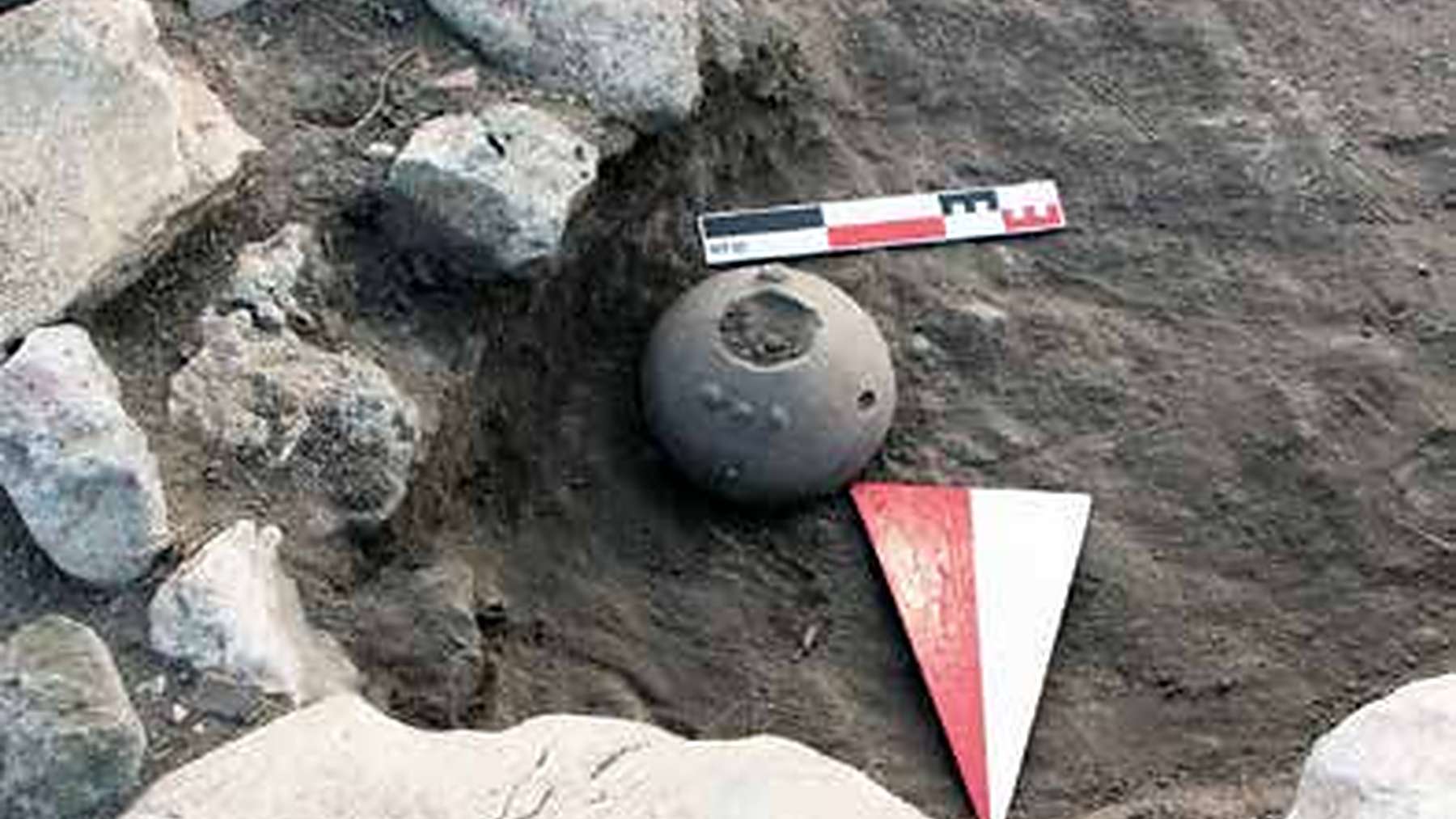
According to Tekin, the jug is a nearly complete piece of coarse ware with a round body. Three small knobs sit on its shoulder, and its handle and rim are broken.
It lay in Room 1 of a large building at the center of the mound. The room also held a storage vessel base, weaving weights cut from broken pottery and a piece of obsidian blade. Excavators found a damaged mud-brick hearth there as well.
Pieces of bull-headed cult bowls and unfinished seals came from the same building. Tekin reads them as signs of a seal cutter’s workshop, and she places most finds near the start of the Old Hittite period.
Bread wheat, lentils, oak seeds
Emel Oybak-Dönmez and Barbaros Yaman ran the site’s archaeobotany, the study of ancient plant remains. Their first results for 2024 list bread wheat, einkorn, barley, lentils and bitter vetch.
Oak seed and the love flower turned up in the site’s second millennium B.C. layers for the first time. Inside the jug, the specialists identified what Tekin calls the oldest seed of the species known so far.
“Thus, in light of the Külhöyük botanical remains, it is understood to be a species found in the region since the Hittite Age,” Tekin writes, in a translation from Turkish. Her conclusion ranks the seed as the season’s most important result.
A city before the Hittites
Ankara University describes a mound about 820 feet long, 490 feet wide and 72 feet high. Settlement began around the third millennium B.C. under the Hattians. The place became a Hittite city during the following millennium.
Illegal diggers exposed the site in 1978. Museum teams then ran 14 seasons of rescue excavation between 1992 and 2006, and they uncovered massive stone city walls.
Tekin has led the work since 2021 for Ankara University and the ministry. Elsewhere in Turkey, Hittite archaeology recently produced a clay fragment of the oldest known peace treaty.
Petals that change red
Turkey’s patent office describes the living plant in geographical indication No. 412, registered in 2019 for the Gölbaşı Municipality. It is an annual in the daisy family, with outer flowers in red, pink, purplish or whitish tones.
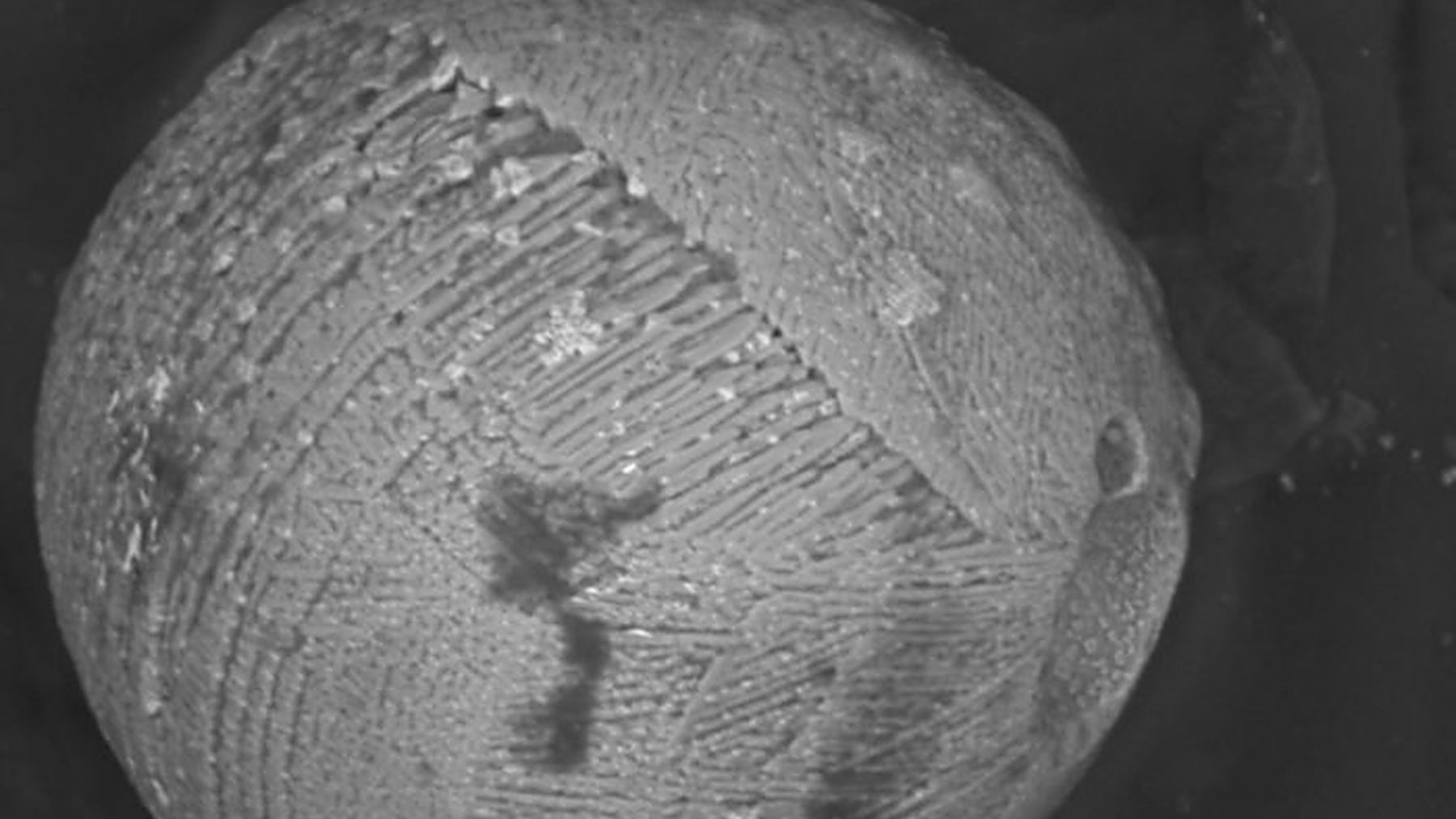
Its other local name, yanardöner, refers to color that seems to shift with the light. Each brown seed measures just 0.08 to 0.16 inch. Blooming runs from late April to early July.
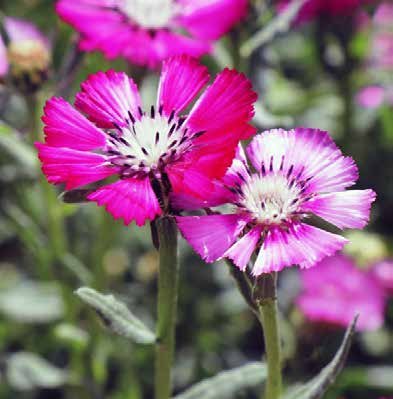
The same paperwork limits production of the branded flower to 1,750 square meters, about 0.43 acre, in Eymir. That plot is a growing area and says nothing about the wild range.
Turkey’s nature conservation directorate records wild plants around Gölbaşı and near the village of Gölbek. They grow in fields, on fallow land and on roadsides, the kind of strip that matters for wild plants elsewhere too.
Plowing after the seeds fall
The directorate’s list of threats includes new settlement, intensive farming, herbicide use and stubble burning. The flower also has strict protection under the Bern Convention.
Yasemin Ergüner Baytok measured those pressures in a 2008 doctoral thesis at Middle East Technical University. She mapped 14 patchy subpopulations and followed two of them from 2004 to 2008.
Herbicides proved the most serious human threat, with high mortality and weaker germination. Tillage did the opposite and raised plant density the following year.
Most scenarios in her model ended in extinction within 4 to 95 years. Delayed tillage kept populations viable, so she recommended plowing protected patches after seed set, every other year.
Conservation staff started a protection project around Lake Mogan in 2016. They fenced growing areas, plowed land, collected seed and sowed it in suitable spots.
No radiocarbon date for the seeds
Tekin’s report labels the plant identifications as first results and gives no seed count. It also mentions no direct radiocarbon test, which would show whether the seeds are as old as the jug.
The figure of 4,000 years comes from the minister’s post. Tekin compares the jug with second millennium B.C. pieces from sites such as Boğazköy and Gordion.
Nobody has explained how the seeds entered the jug. Claims about Hittite medicine, ritual or gardening would go beyond the evidence published so far.
The full season report appears in the proceedings of Turkey’s 45th Excavation Results Meeting, published by the Ministry of Culture and Tourism.
Magnetic surveys have already flagged buried structures for future trenches at Külhöyük.
Photo: Kulhoyuk excavation / Turkish Ministry of Culture and Tourism