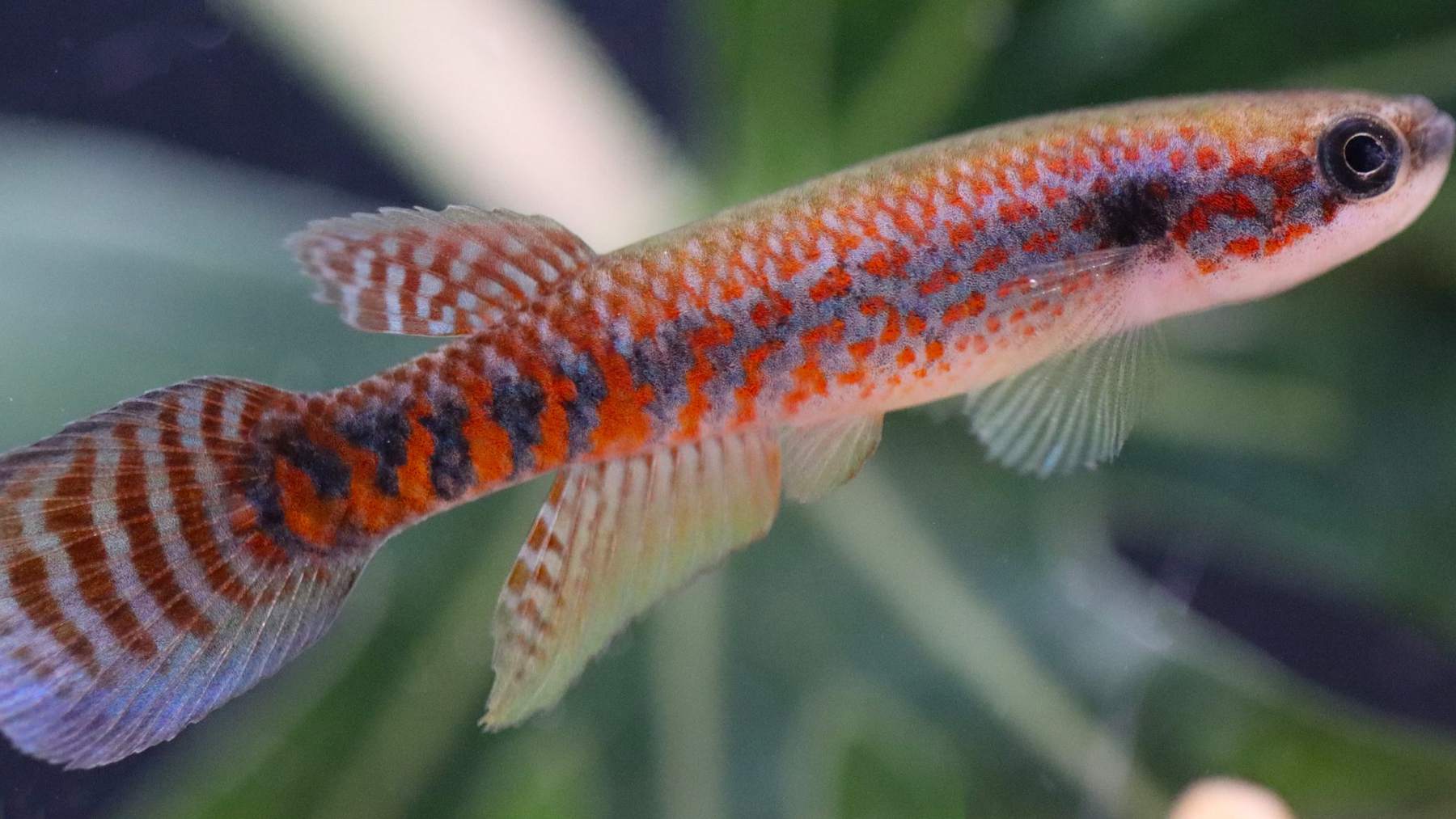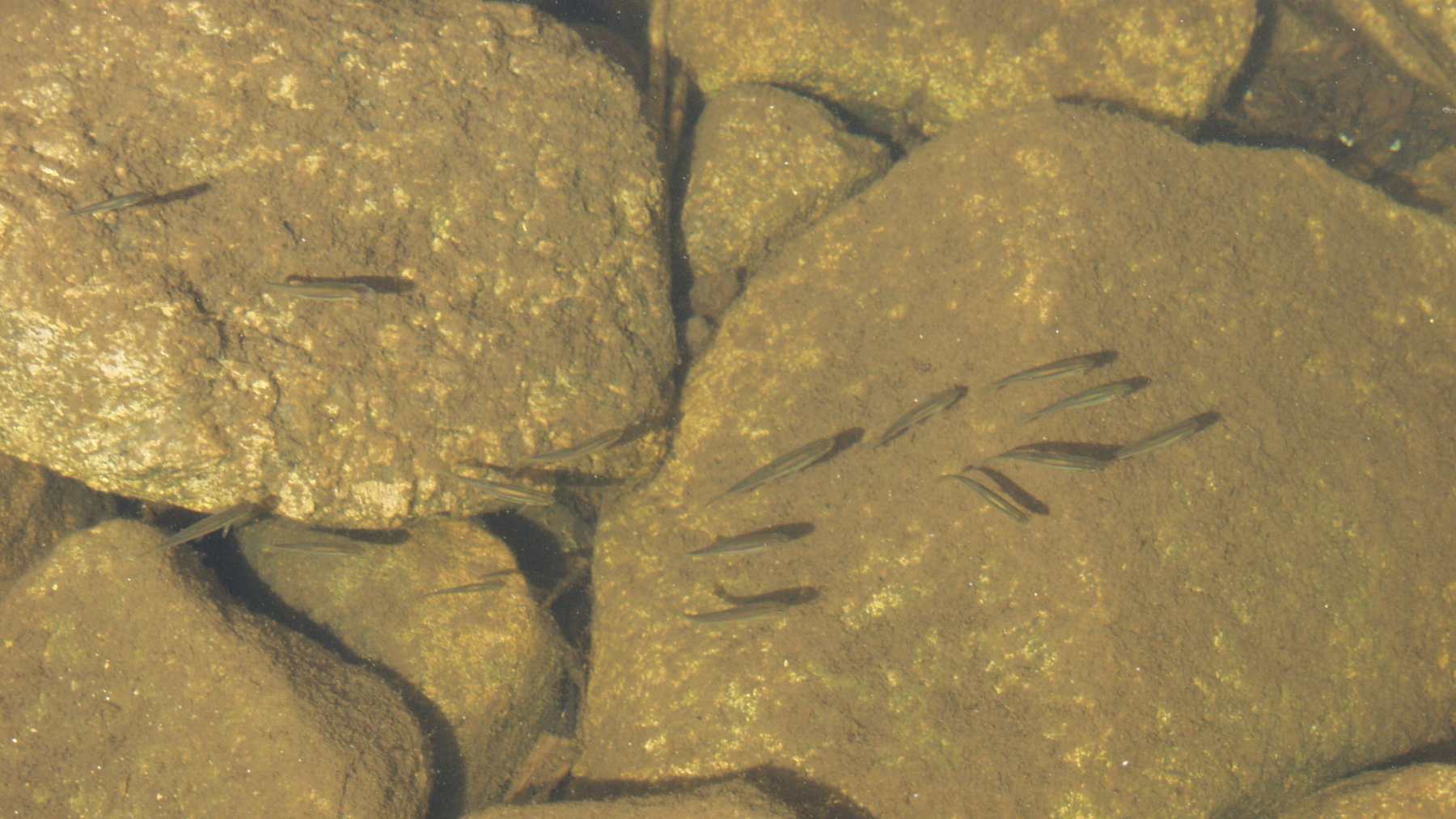
Researchers added a birth control hormone to an entire lake in northwestern Ontario, and male fathead minnows grew more aggressive around their nests. Laboratory tests had predicted the opposite. During the last two years of the exposure, nests held 67 percent fewer eggs than before dosing, according to a study in Current Biology.
The hormone, ethinylestradiol or EE2, is a synthetic estrogen used in oral contraceptives. McMaster University said on September 14 that wastewater treatment removes much of it. Small but potent amounts still enter rivers and lakes.
Erin McCallum of the Swedish University of Agricultural Sciences co-led the work with McMaster’s Karen Kidd and Paul Blanchfield of Fisheries and Oceans Canada. “It changed the social conditions in the lake,” McCallum said in the university’s announcement.
Three summers of dosing Lake 260
Scientists dosed Lake 260 three times a week during the open-water seasons of 2001 through 2003. This lake covers about 84 acres (34 hectares) at the IISD Experimental Lakes Area.

Exposure reached about 5 nanograms per liter, roughly five parts per trillion. According to the authors, monitoring has measured concentrations like this in surface waters globally. Fish elsewhere face other low-dose threats, including a farm pesticide that biologists link to faster aging.
Cameras filmed nesting males near shore before, during and after the additions. The team also filmed males in two nearby lakes that never received the hormone. From first to last, the record covers 12 years.
A 2007 paper in PNAS had already described this minnow population collapsing in fall 2002. Earlier work also found delayed sperm development and intersex males, with egg cells growing in testicular tissue. Nobody had yet shown how those fish behaved on their nests.
Rivals crowded the spawning sites
Under normal conditions, a male fathead minnow claims a territory and courts females. He then guards the eggs laid in his nest, often under a submerged branch. One to two months into dosing, males in Lake 260 still acted much as they had before.
By the second and third years, exposed males spent less time at their nests than males in the reference lakes. Their care came in more separate bouts, and they chased other fish more often.
More fish were showing up at the nest sites, and that crowding appeared to drive the chases. McCallum’s team began counting those visitors only after noticing the extra aggression. The paper calls the fighting an indirect effect of the hormone.
“This is a great example of how animals can respond differently in the real world than they do in laboratory experiments,” said Kidd, a McMaster biology professor.
Tank studies had shown EE2 dampening aggression in male fish. Those tests usually put pairs of fish in a confined space, which limits how they can interact.
Nests lost two-thirds of their eggs
To measure the damage, the team collected nests from guarding males and counted eggs under a microscope. Egg numbers in Lake 260 fell 38 percent early in the exposure and 67 percent late in it. Counts in the reference lakes showed no significant change over time.
Other fathead minnows eating the eggs are the leading cause of egg death in unexposed lakes. A father busy chasing intruders may not have been able to protect his brood, the paper suggests.
Few fathead minnows in these lakes live past age 2, so a bad breeding year costs them dearly. The authors conclude that the altered male behavior contributed to the population decline.
Tubercles fell to 9 per male
Nuptial tubercles, small breeding bumps that may play a role in competition, also faded. Males in Lake 260 averaged 22 in 2002 and only 9 in 2003. In three reference lakes, males averaged between 24 and 27 that year.
Nesting males brush their eggs clean with a dorsal fat pad, and that pad shrank too. Exposed males averaged 1.13 on the study’s scale in 2003, against 2.25 to 2.94 elsewhere.
Spawning males were back by 2011
Snorkeling surveys found very few reproductive males with a nest in 2003 and the following two years. Males were nesting in Lake 260 again in 2011, the final year of observations.
By then, chases and the number of fish at nests matched the reference lakes. Males still spent less time on the nest than those in one reference lake.
If estrogen inputs fall, “our findings suggest that impacted fish behaviors will recover,” the authors write. That recovery took years, as the species stayed near extinction in the lake until four years after treatment.
Nobody identified the nest intruders
Video could not show whether the extra visitors were females or feminized males. The source of the crowding therefore remains unresolved. Immature follicles in exposed females may also have shrunk the broods, and the paper cannot separate those causes.
Only one lake received the hormone, and the work followed one short-lived species. Personnel changed over the years, and some measurements began partway through. People scoring the videos did not know the treatment or the lake.
Everyday chemicals raise similar questions on land, as with bisphenol coatings on paper receipts. Some waters look far worse than Lake 260, including a Bangladesh river too polluted for native fish.
The full study was published in Current Biology.
McMaster says the team hopes the results will improve environmental risk assessments. Experiments on this scale matter, Kidd said, because “they allow us to see consequences that would otherwise remain hidden.”
Photo: Karen Kidd