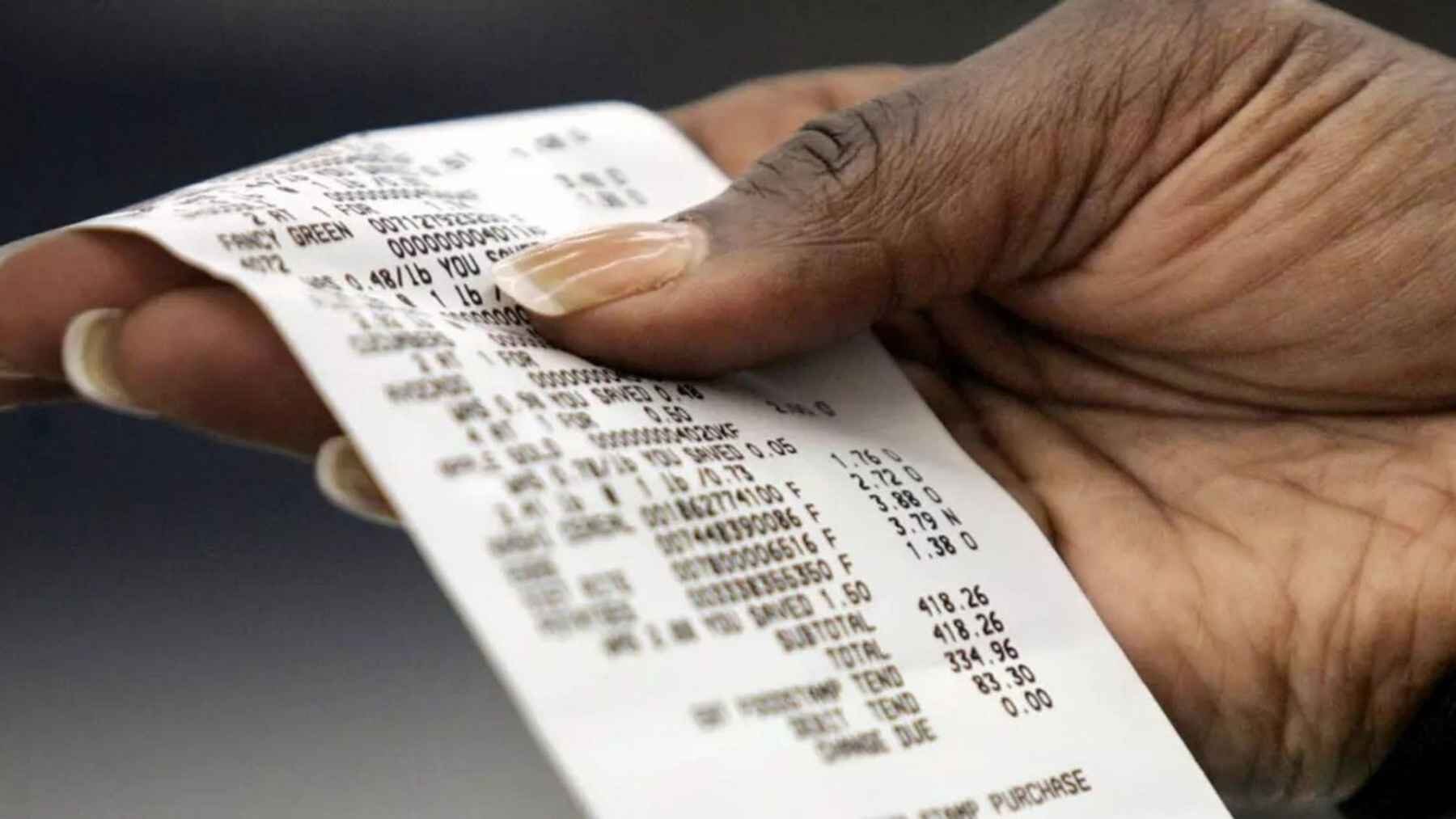
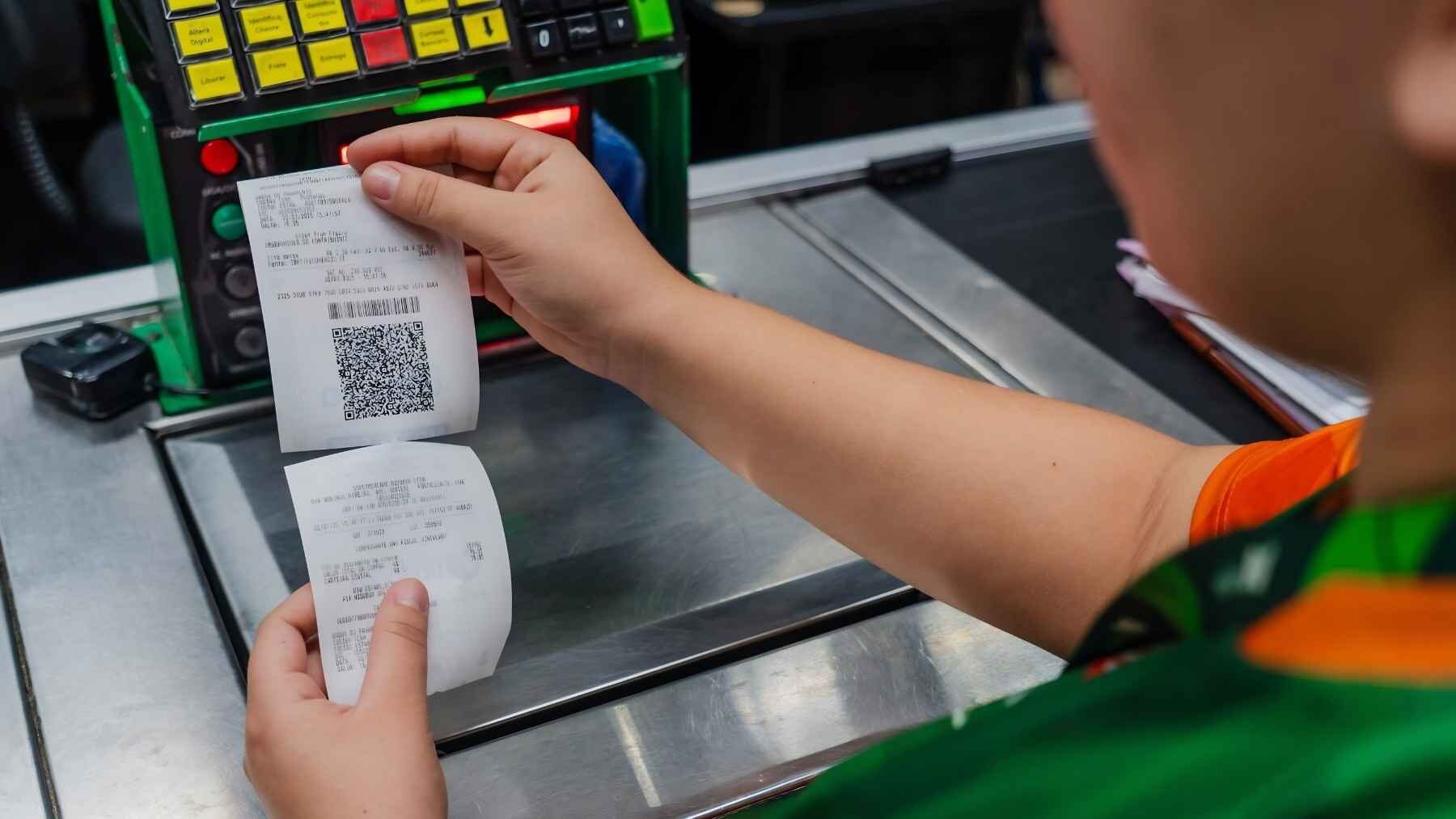
You go to the supermarket, the cashier hands you a narrow slip of paper, around three inches wide. Even though it seems to be printed with regular ink, around nine out of 10 receipts have a bisphenol coating that changes color when exposed to heat.
We touch these receipts with our hands every day before folding them and placing them into wallets. They are later forgotten at the bottom of bags, or simply thrown away. What most people do not know is that no ink is used in these receipts: words and numbers are created by heat, not by regular ink.
How does the text appear?
Thermal receipt paper includes two chemicals that do not react when placed together. One of them is a colorless dye, and the second one is an acidic substance called a developer.
Instead of applying ink to the paper, the printer heats certain areas of the paper. This heat melts the coating and allows the two chemicals to combine. This causes dye to appear black. The whole process works without toner, ribbons, or ink cartridges.
A study collected receipts from U.S. retailers and analyzed its chemicals. It found that approximately 93% contained BPA or the closely related chemical BPS as its developer. The presence of these chemicals was intentional, it was not the result of contamination: without the use of a developer, no text would appear on the receipt.
The importance of coating
Unlike regular ink, which penetrates the paper and mixes with its fibers, a thermal coating remains in a thin layer on the surface. This explains why receipt text might smear when it is rubbed or even disappear after being left in a hot car.
Bisphenol levels have been measured, and the result was around 12 to 18 millionths of an ounce per square inch. According to state guidance, just one of these receipts may contain hundreds of times more bisphenol than a food can, and also, its chemical can be absorbed through our skin.
So, touching one receipt is not an immediate health risk. However, the concern is repeated exposure to these chemicals, in particular retail workers, who handle lots of receipts during their eight-hour shift. Studies demonstrated significantly higher bisphenol levels in these workers compared with the general population.
Receipts should not be recycled
Because these receipts look and feel just like normal paper, a reasonable choice would be to recycle them. However, their chemical coating can contaminate recycled fibers, enter mill wastewater, and spread throughout an entire batch of recycled material.
As a result of this, the Minnesota Pollution Control Agency recommends placing thermal paper in the trash, and avoiding recycling it. The production of receipts in the United States is estimated to consume around 3.7 million trees and 10.1 billion gallons of water per year. It also generates approximately 334 million pounds of waste.
This is a significant footprint for something that is normally used just for a few seconds. People put the slip into a pocket, then throw it in the trash. The resources used to produce it are easily overlooked.
Better options are available
This problem does not require a complex solution. Thermal printing can use developers that do not include bisphenol. There exist systems based on vitamin C or urea compounds.
Other methods use heat to remove a top layer and expose a dark layer below, so this avoids the usual developer reaction. There are some major retailers that already use these types of paper. This means that the solution already exists, now it depends on them to make the change.
Consumers can also make the difference. They can accept an electronic receipt when offered, refuse paper receipts when it is not necessary, throw thermal receipts in the trash rather than recycling them, and also, keep them away from children. National estimates on the use of receipts and waste have been published in Green America’s Skip the Slip report.
The official alternatives assessment was published on the U.S. Environmental Protection Agency website.