Global warming is a concern shared by all humanity, although clearly not homogeneously. The concerns that Pacific Islanders have are different from those experienced by people living in the Faroe Islands. But what about United States? A study has revealed the main threat we fear, and it is as terrifying as it is unexpected, we assure you (and you will confirm it below).
Climate change, a concern for United States and for Americans
Even though many Americans don’t view climate change as an immediate threat, we are already seeing major impacts across the country from the changing climate. Extreme weather events like hurricanes, floods, and wildfires are becoming more frequent and more severe.
In recent years, wildfires have been breaking out earlier in the season and burning more acres across western states like California, Oregon, and Colorado. The Camp Fire in 2018 was the deadliest and most destructive wildfire in California’s history, causing over $16 billion in damage.
The combination of hotter temperatures, drought conditions, and drier vegetation has created a tinderbox effect that enables even a small spark to erupt into an inferno. Flooding has also been increasing, especially across the Midwest and Southeast.
As precipitation patterns change and more rainfall occurs in heavy downpours, floods are inundating communities. The extensive flooding along the Mississippi River in 2019 caused billions in damage and devastated many rural towns.
This is the main threat to Americans from global warming
One of the most noticeable impacts of climate change has been the increase in extreme weather events across the United States. Heat waves, hurricanes, droughts and other natural disasters are becoming more frequent and more severe.
Prolonged heat waves now occur nearly every summer in many parts of the country. These extreme heat events have caused thousands of deaths and pose a serious public health threat. Major cities like Phoenix and Las Vegas will continue to see dangerously hot summer temperatures that make it difficult to be outside.
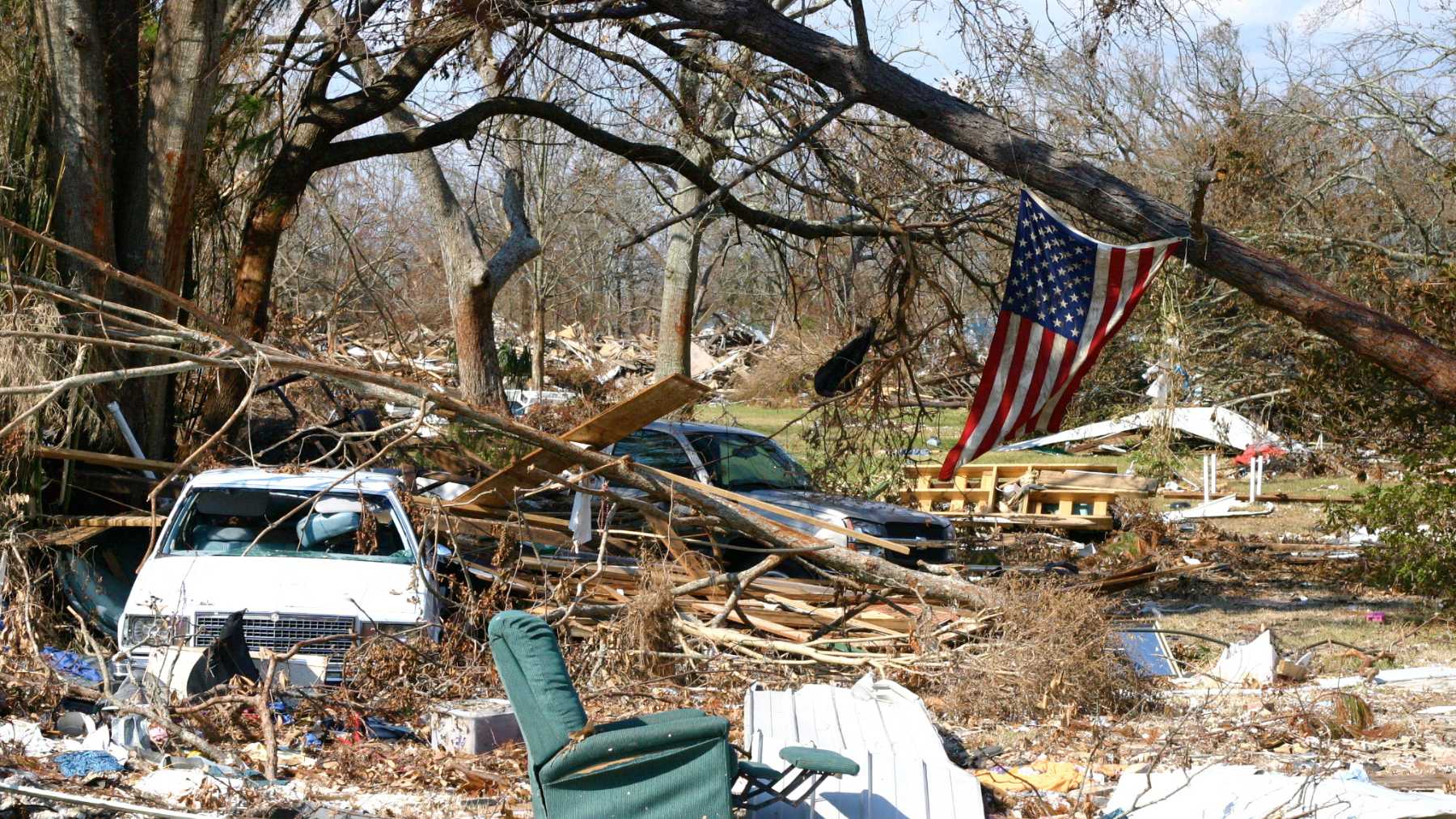
The intensity of Atlantic hurricanes has increased substantially in recent decades. Warmer ocean temperatures provide more energy to fuel these massive storms. Hurricane Harvey in 2017 was the second-most costly hurricane on record, causing $125 billion in damage to the Houston area.
Drought conditions plague the western half of the country and make wildfires worse. Drier conditions have already impacted crop yields and increased water restrictions. The ongoing megadrought in the Southwest is the worst in over 1,000 years. Further drying will place more strain on limited water resources.
A national security problem feared even by the government and the military
Climate change poses a major threat to national security, acting as a threat multiplier that exacerbates existing risks and tensions. Rising global temperatures are linked to increases in resource scarcity, food insecurity, poverty, mass migration, and civil unrest.
These impacts strain social and political systems, creating instability that enables terrorism and conflict. The Department of Defense has identified climate change as a national security risk, warning that it will intensify global challenges and threaten military infrastructure.
Climate impacts can degrade living conditions, leading to humanitarian crises and mass migration that overwhelm borders and resources. This heightens ethnic tensions and fuels insurgencies that challenge governance and sovereignty.
As climate change accelerates, the US military anticipates heightened operational demands in response to climate-related conflicts and natural disasters. Defense infrastructure and military readiness are also jeopardized by extreme weather, flooding, and wildfires driven by climate change.
Once again, we see that global warming is pushing us to the limit, worrying both national institutions and the military, not just the UN or those who express it at every Climate Summit. American citizens have been concerned about extreme weather phenomena, which are becoming more and more common, and the situation is not for nothing: let’s hope for a calm hurricane season.