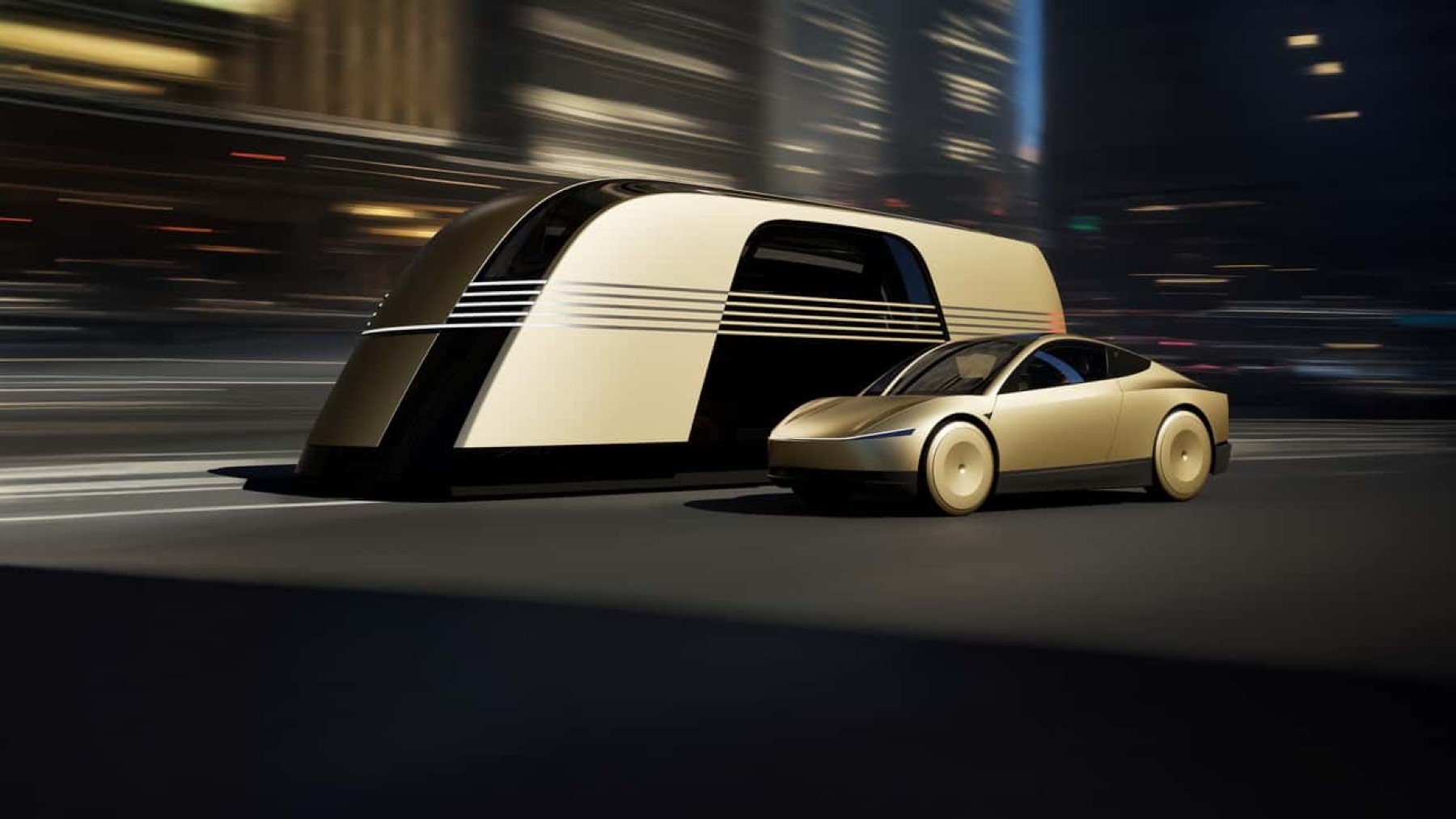
Elon Musk, the head of the American electric car and clean energy company Tesla, is not new to big statements and promising futures. At the recent “We, Robot” event, Musk introduced a line of electric robotaxis for the company, such as Cybercab.
However, as flashy as the presentation was, it was full of great, futuristic-looking designs and staged sci-fi battles, with several essential points left untouched. What else did you not notice at the presentation besides the shiny robots and big promises?
Timeline troubles: Why the Cybercab launch is still uncertain
Their proposal for Musk to launch a sub-$30,000 Cybercab without a steering wheel or pedals seems excellent, but when it arrives is the question: Musk initially said that production would start in 2026 and later added before 2027, admitting that he had set aggressive targets in previous years. If such is the case, then Tesla has failed at this goal, especially with its robotaxi plan.
Earlier in 2019, Musk was sure that fully self-driving robotaxis would be up and running in 2020. Fast forward to today, and while progress has been made, fully unsupervised autonomous vehicles have not fully materialized. Such a timeline variation hampers the confidence investors and consumers have in Cybercab to be functional at the right time. Not even the most ardent of Musk’s fans can now ignore the apparent issues with production, undermining the viability of his new vision.
Regulatory challenges: What obstacles is Tesla facing in this venture?
While Musk describes a future where the car is doing all the work, regulation is one of the most significant hurdles for Tesla’s robotaxi future. Many US states and numerous global countries have strict legal provisions regarding AV technology, particularly those without conventional features such as steering wheels and pedals.
It is pretty audacious, if not unrealistic, for Tesla to plan for a fully driverless car by 2026 and propose to start testing in California and Texas. They masked these regulatory challenges during the presentation. There was no discussion of the rigorous testing, safety approvals, and legal compliance that Tesla will face.
Musk also did not discuss the probes into Tesla’s Full Self-Driving (FSD), which has been involved in several accidents. Given this, the journey to approval could be much longer than Musk’s projected time to get the approvals.
Safety concerns and technology: Are they overhyping the features of the Cybercab?
Of course, the most obvious and probably the most giant elephant in the Tesla presentation room was safety. Musk himself said that self-driving cars would be “10, 20, 30 times safer than humans”, using data about millions of miles of driving done by Tesla.
However, the presentation did not have any essential information on how Tesla will avoid the accidents, especially with the recent concern over FSD. However, what Musk boasted as Tesla’s advantage – the electric car-maker uses artificial intelligence and cameras instead of costly lidar – has been met with much controversy.
Lidar, which uses lasers to paint a picture of the environment around the car, is considered to be far more reliable for fully autonomous cars. Leaving out the technology, Tesla relies on its camera-based system, a decision that many analysts say is unwise and premature.
Moreover, Tesla’s Full Self-Driving system has faced regulatory issues and future complaints. Some accidents, including fatal ones, have been associated with the autopilot and FSD systems.
Authorities still want to know whether Tesla is doing enough to prevent drivers from becoming distracted when using the car’s partly autonomous systems. However, there was no discussion of such issues in Musk’s presentation, which has left many wondering just how safe the future of robotaxis will be.
Is Tesla’s vision realistic, or just another hype?
Elon Musk is an excellent PR person and has the talent to make people believe in the future of self-driving cars, robots, and the like. However, in the case of Tesla’s robotaxi program, the presentation was far from impressive. Some of the critical factors include the production schedule, regulatory issues, safety concerns, and business model.
As a result, many investors and analysts are still skeptical. Getting swept up in the idea of having access to cheap robotaxis is easy, but getting there is easier said than done. Unless these challenges are solved, the Tesla robotaxi may still be more of a marketing idea than anything else, at least for now.
The future that Musk wants to build may be glorious, but reaching it will not only need glitz and glamour. The robotaxi revolution is not far off, but it will still be a while before it happens, at least until safer technologies are developed. The laws governing these vehicles are clarified.