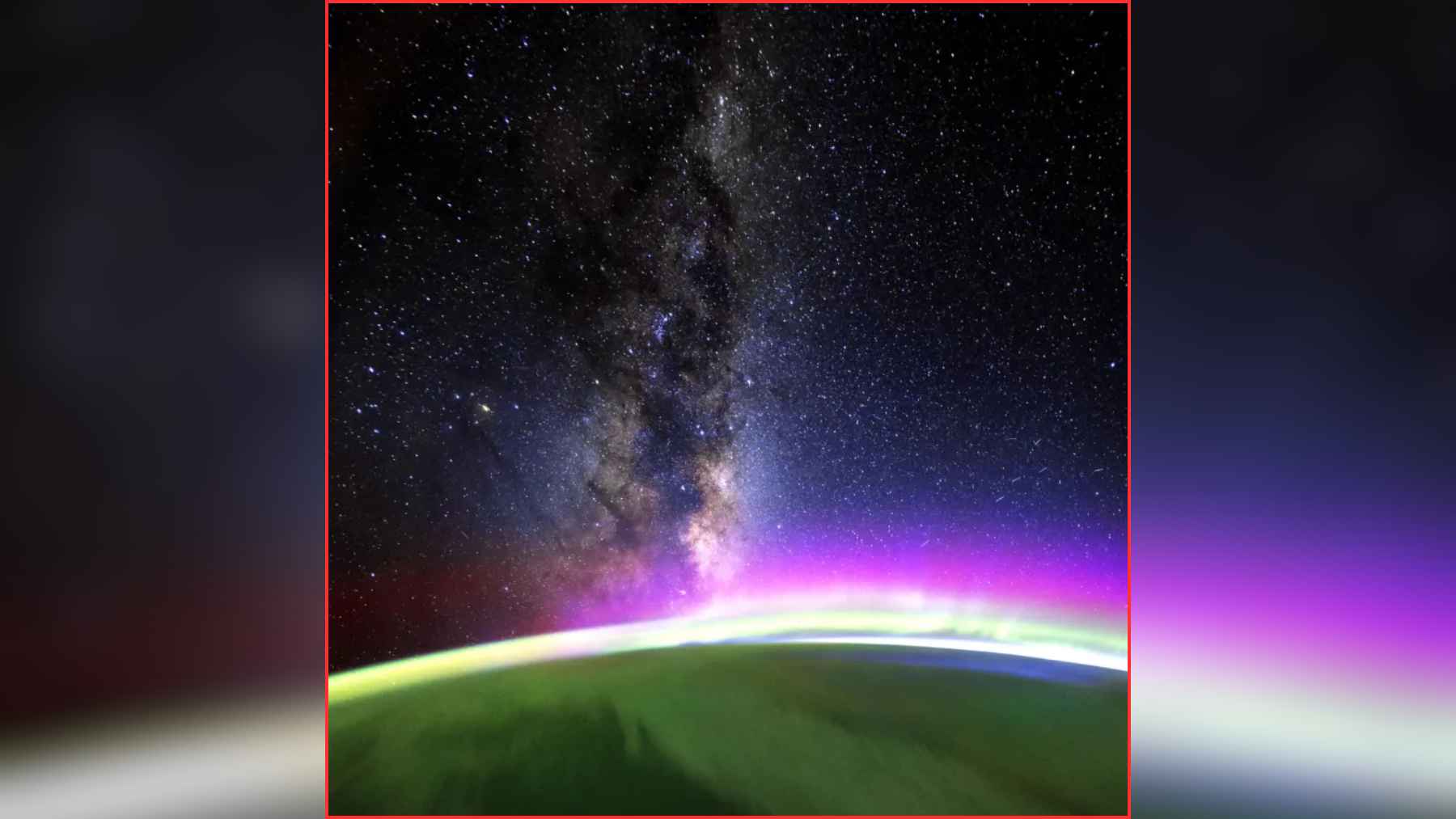
A photo from space can look like a screensaver. Swirls of cloud, a thin blue edge of atmosphere, the dark ocean catching a flash of sun. Pretty, sure. But it can also be science.
NASA astronaut Don Pettit spent seven months aboard the International Space Station with Expedition 72, and NASA spotlighted how he used photography for what he calls “science of opportunity,” quick experiments and observations done with the tools and time available in microgravity.
He returned to Earth on April 19, 2025, concluding a 220-day stay in orbit. NASA says the crew completed 3,520 orbits and traveled about 93.3 million miles.
Microgravity makes tiny forces easier to understand
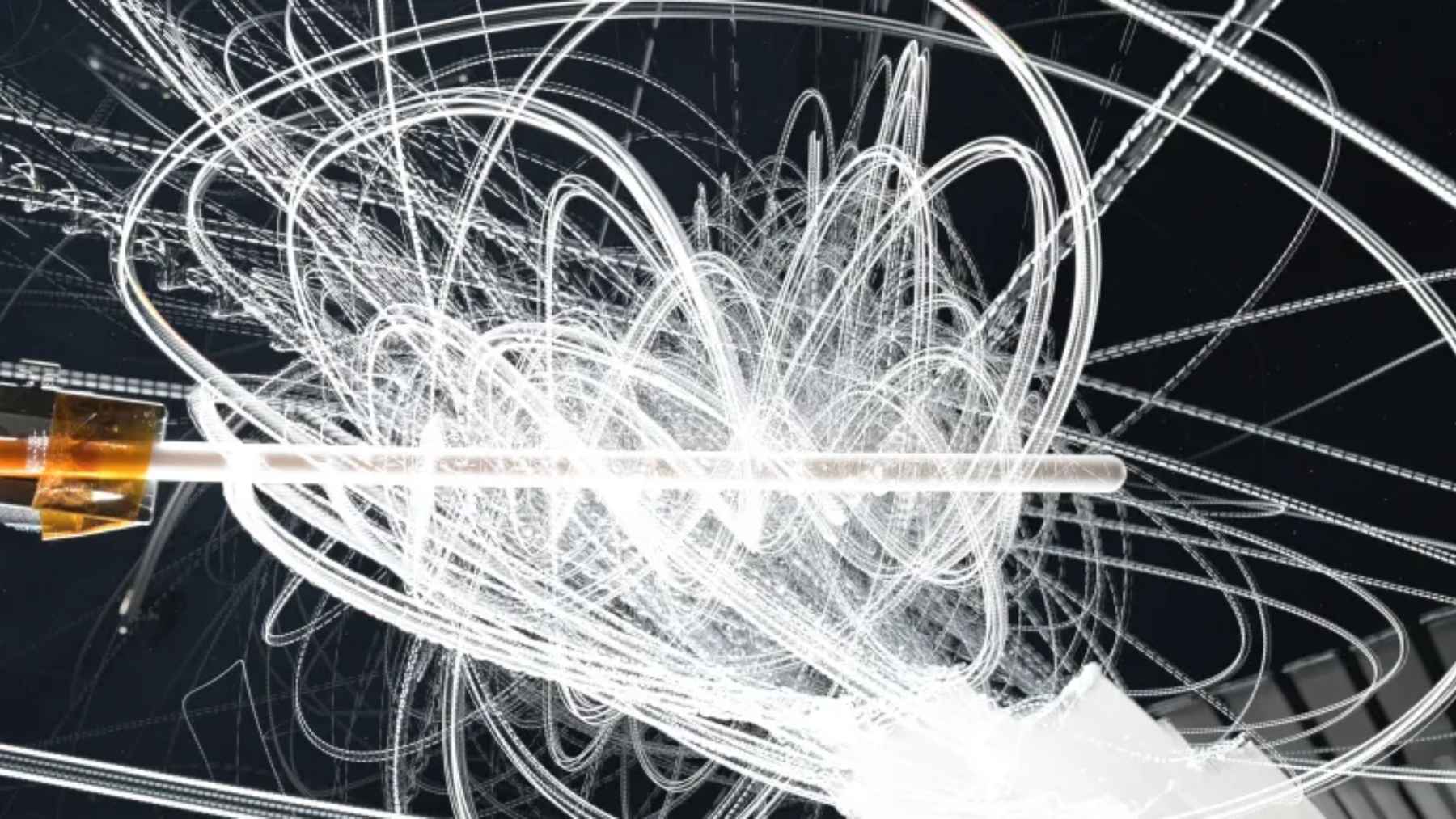
One of Pettit’s most striking images is not Earth at all. It is a series of overlapping frames that trace charged water droplets looping around a Teflon knitting needle.
On the ground, small electrostatic effects can get overwhelmed by gravity-driven motion. In microgravity, those forces stand out, almost like chalk lines on a blackboard.
NASA even notes the attraction and repulsion seen in the droplets is broadly similar to how charged particles from the Sun interact with Earth’s magnetic field, part of the same big picture that leads to the aurora borealis.
It is hard not to think about how many “invisible” processes shape our environment every day, from static electricity to the space weather that can disrupt satellites and power grids.
More research needs more power
The space station is a laboratory, and like any lab, it runs on electricity. If you want more experiments, you need more wattage. That is true at home when the electric bill spikes, and it is true 250 miles up.
Pettit photographed new and old solar arrays side by side as NASA continues upgrading the station’s power system. NASA says the roll-out solar array technology was first tested on the station in 2017, and by 2023 six International Space Station Roll-Out Solar Arrays, known as IROSA, were deployed. The result was a 20 to 30% increase in power for research and operations.
Cleaner spaceflight is its own kind of environmental work
Pettit also supported January spacewalk preparations that connected directly to the long-term question of how humans explore without carrying unnecessary contamination along for the ride.
During one spacewalk, astronauts patched NICER, an X-ray telescope that studies neutron stars, after sunlight interference began affecting data collection. NASA says the patches reduced the problem, and a NICER team update later reported performance improvements after the January repair work.
On another spacewalk, astronauts collected samples from the station’s exterior for the ISS External Microorganisms investigation. The goal is straightforward but important: to learn whether the station releases microbes, how many, and how far they can travel. Findings like that can inform how future spacecraft and spacesuits are designed to limit biocontamination.
Earth, photographed like a work of art, read like a dataset
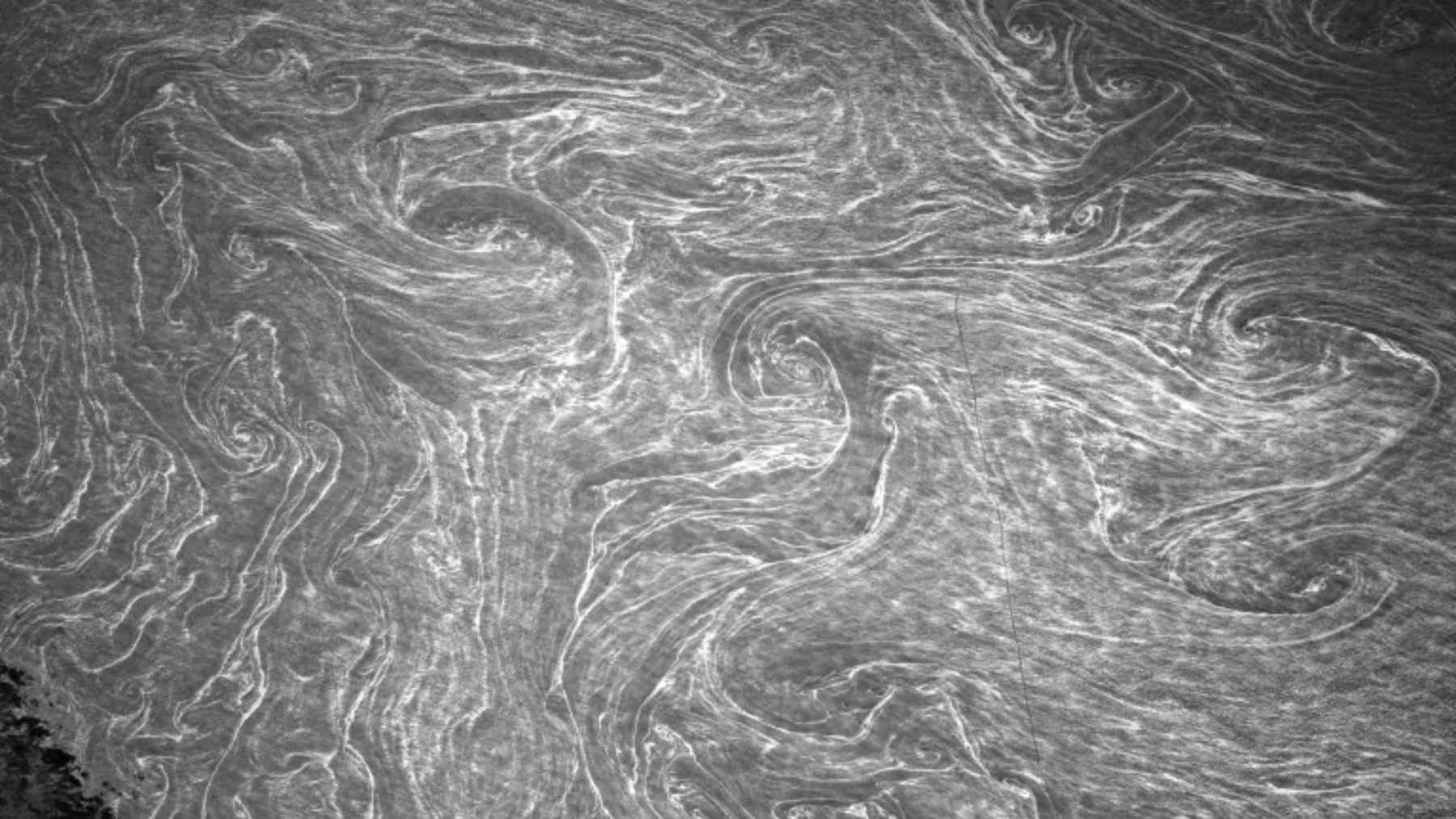
Some of Pettit’s most eco-relevant images are also the easiest to appreciate. In an infrared view of the Mediterranean Sea converted to black and white, he wrote that “watery details unseen with normal lighting appear,” helping reveal subtle patterns that can point to hidden currents.
He also captured photos that could contribute to research into transient luminous events, colorful electrical discharges that occur above thunderstorms.
NASA says the crew’s imagery can be paired with data from instruments such as the Atmosphere Space Interactions Monitor and a high-speed thunderstorm camera called Thor Davis to better understand storms and their impacts on Earth’s upper atmosphere.
So what should we keep in mind?
A camera does not replace the station’s sensors. But it can catch the unexpected, frame it clearly, and sometimes add context that instruments alone miss. In practical terms, that means the same photo that makes you stop scrolling might also help researchers understand a current, a flash above a storm, or a physics effect that will shape the next generation of space hardware.
The press release was published on NASA.