Two people were standing on Interstate 17 near Rimrock, Arizona, directing traffic around a wreck in the left lane, when a red Tesla Model Y hit their stopped Toyota 4Runner and one of them just after 5 p.m. on November 27, 2023. A 71-year-old woman from Mesa died at the scene, according to the Arizona Department of Public Safety. The Tesla had Full Self-Driving switched on, and hers is the only death among nine crashes in a federal safety probe that now covers about 3.2 million cars, with no recall so far.
Police blamed the sun in the Tesla driver’s eyes and didn’t charge the driver, department spokesman Raul Garcia said, according to the Associated Press. He said glare had played a part in the first crash, too.
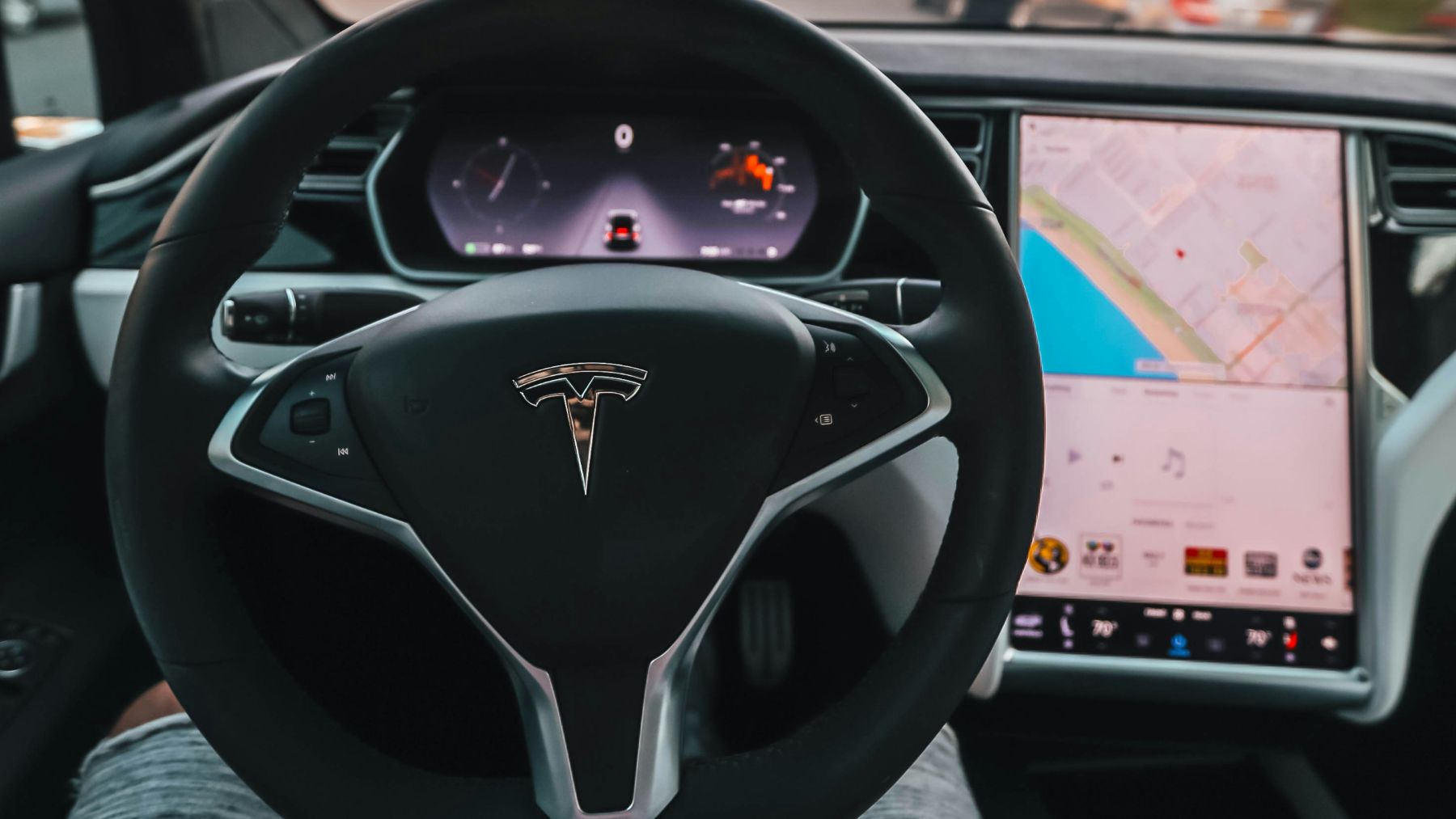
You’d think a feature called Full Self-Driving would drive the car on its own, but federal regulators see it differently. The National Highway Traffic Safety Administration (NHTSA) treats Tesla’s FSD as driver assistance, which Tesla itself labels a partial driving automation system, and the company requires whoever’s behind the wheel to stay alert and step in if needed.
The question NHTSA is digging into is a narrow one: whether FSD can tell when glare, fog or airborne dust has left its cameras unable to see properly, and whether it warns the driver in time. On March 18, 2026, the agency upgraded its probe to an Engineering Analysis covering an estimated 3,203,754 vehicles, which a wire report put at most of the Teslas on US roads.
In the crashes it looked at, NHTSA found the software missed “common roadway conditions that impaired camera visibility” or held its alert “until immediately before the crash occurred.”
Tesla’s answers to the agency turned up more crashes in similar conditions. “In each of these crashes, FSD also lost track of or never detected a lead vehicle in its path,” the agency wrote. That’s the car ahead, in plain English.
Tesla’s camera-only bet goes back to mid-2021, when it pulled radar for a setup called Tesla Vision. Elon Musk has argued that people drive with just their eyes, so cars can get by with just cameras, while most other self-driving developers add radar and lidar (laser sensing), which he’s called a “fool’s errand.” At the same time, Tesla built a degradation detection system, software meant to notice when the cameras can’t see well and tell the driver, and pushed it to new and older cars through updates.
When NHTSA opened its first probe on October 17, 2024, it had four crash reports and about 2.4 million cars in scope across five models, from the Model S and Model X (2016 on) to the Cybertruck (2023 on), all through the 2024 model year. By March 2026, the crash list had grown to nine and the scope ran through 2026 models, adding 793,752 vehicles.
Tesla didn’t report the Rimrock crash until June 27, 2024, roughly seven months later (NHTSA dates the crash to November 28, a day off the police record). On June 28, Tesla began working on an update to the degradation detection system.
The update hasn’t settled the agency’s concerns, however. NHTSA said its crash data raise doubts about both the original and the updated versions of the system, and Tesla’s own analysis, as the agency relayed it, found the update could have affected three of the nine crashes had it been installed. Regulators said they don’t know when it rolled out or which cars got it.
There may be crashes nobody counted, too. Tesla described internal limits on its crash data and labeling, and NHTSA’s Office of Defects Investigation “believes this limitation could have led to under-reporting of subject crashes over portions of the defined time-period.”
Michael Brooks, executive director of the nonprofit Center for Auto Safety, told the AP in October 2024 that the agency’s earlier investigation of Autopilot, Tesla’s simpler system, didn’t look into why the cars weren’t spotting emergency vehicles.
“Before they were kind of putting the onus on the driver rather than the car,” Brooks said. “Here they’re saying these systems are not capable of appropriately detecting safety hazards whether the drivers are paying attention or not.”
It’s not the only FSD file on the agency’s desk. A separate probe opened in October 2025 covers 2.88 million Teslas over more than 50 reports of traffic violations.
In a letter dated July 2, 2026, NHTSA asked Tesla how FSD was designed and tested. Drivers in the nine crashes, the agency wrote, “may have been unaware that the vehicles they were operating had encountered conditions that inhibited FSD’s ability to detect and respond to potential hazards.”
An Engineering Analysis is the step the agency has to take before it can push for a recall, according to the wire report, but it doesn’t guarantee one. There hasn’t been a recall yet.
This story first ran on November 11, 2024. We rewrote it and updated it with verified sources on October 28, 2026.