Lincoln has underscored yet another decisive step toward sustainability by converting harmful methane gas into renewable natural gas (RNG). This partnership project with Sparq Renewables is meant to be an integral part of the city’s landfill operations renovation and will not only bring decreases in greenhouse gas emissions, but it is also likely to bring with it many economic benefits. Here is how Lincoln is leading at the interface of environmental stewardship and the prosperity that it brings.
Lincoln’s audacious step forward: Convert methane into clean energy
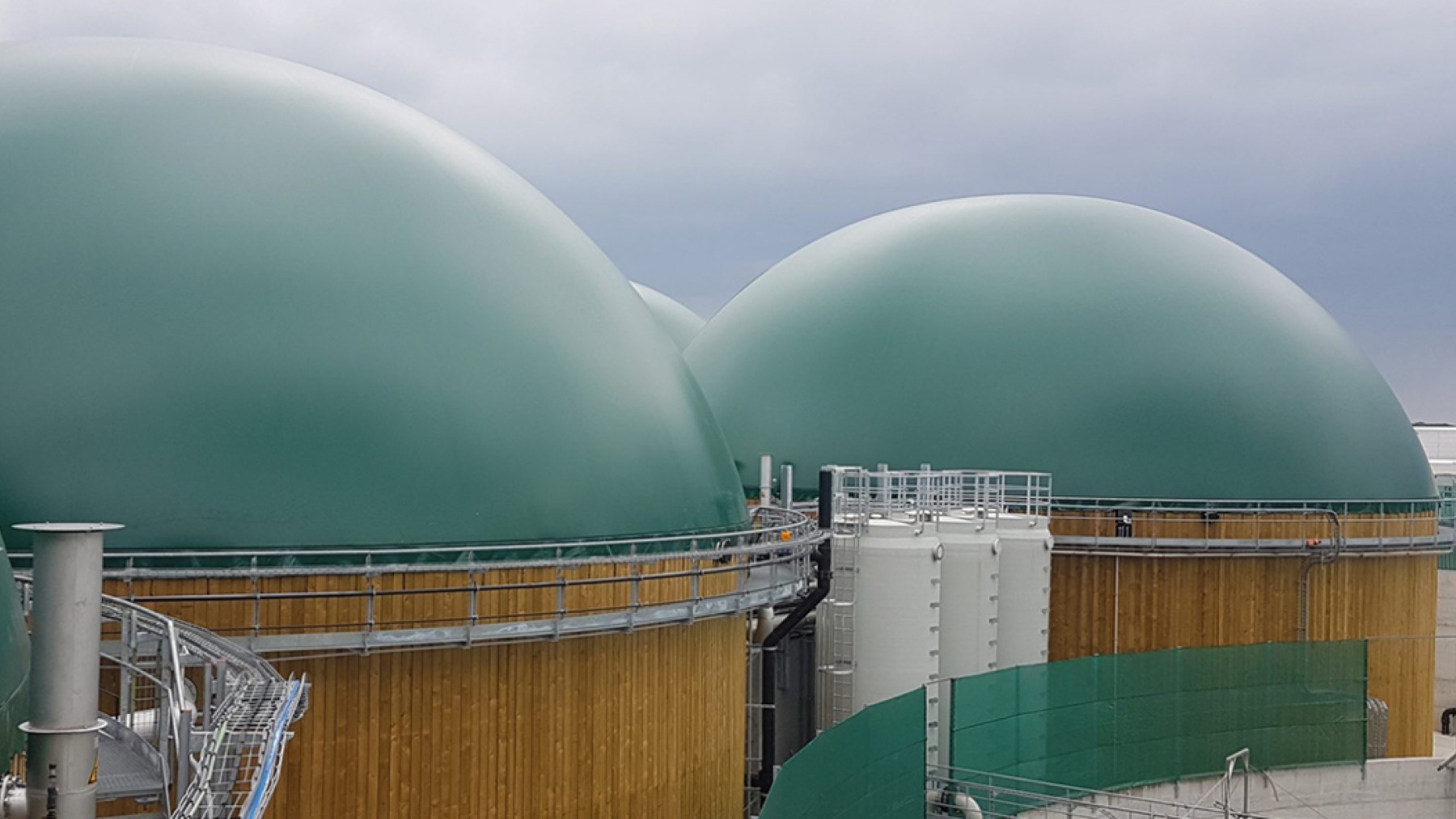
The methane gas challenged these waste management systems majorly as a harmful greenhouse gas. Through converting captured emissions from the Bluff Road Landfill now at 6001 Bluff Road into clean RNG, the Lincoln region will also be less carbon footprinted.
The landfill, whose present annual output of methane is 1500 standard cubic feet per minute already, equates to four megawatts – enough electricity for 4300 homes every year. This experiment, according to Mayor Leirion Gaylor Baird, has an economically viable angle.
“Not only do we bring the organics back into a beneficial, marketable commodity for the community,” she continued, “it will make us more efficient in our landfill operations in Lincoln and cut greenhouse gas emissions locally, all while boosting the quality of air we breathe in our top-ranked community.”
Kim Morrow, Chief Sustainability Officer of Lincoln, argued that this would result in 92 million gallons of gasoline-saving emissions over the lifetime of the project. The initiative represents a major coupled effort with Lincoln’s Climate Action Plan, which has very ambitious goals in greenhouse gas reduction to contribute to the fight against climate change.
Sustainability in symphony with profits: Lincoln’s $50M facility
Not just a landmark in environmental achievement but indeed a profitable venture for Lincoln- a $50 million facility. The city will be sharing in RNG sales- forecasted at more than $96 million-with Sparq Renewables in a 25-year contract.
That cash is reinvested in landfill upkeep and improved waste management, making this facility a sustainable, self-sufficient operation. It is indeed paving what promises to be an economically beneficial future for the project, per Liz.
“We’re showing the way that sustainability innovations can drive economic and environmental progress,” she said. Besides RNG, the facility also has the potential to investigate new markets such as CO2 credits, hydrogen, and sustainable aviation fuels, thus multiplying Lincoln’s economic potential.
According to Norman Herrera, CEO of Sparq Renewables, Lincoln is perceptive. “There is a huge demand for renewable natural gas, and I appreciate the city for its commitment and foresight in launching this biogas landfill project,” he said. It is indeed the kind of public-private partnership that yields benefits for a long time to come for both the environment and local economies.
Lincoln’s renewable energy leadership: Waste to power grid
It uses renewable energy facilities to bolster what Lincoln has already achieved in renewables. The city has operated a biogas project at its wastewater treatment plant, converting waste into RNG for energy use at the city-wide level.
Therefore, it makes Lincoln a pioneer among urban sustainability practices by demonstrating that it can be done at the municipal level. The Bluff Road Landfill biogas project will also be an indirect subsidy to the cost of waste management, minimizing the cost to taxpayers.
The RNG produced at the facility will be injected into existing energy pipelines, minting the clean energy perfectly into the power grid of Lincoln. Tom Beckius, city council member, indicated that this facility will have wider benefits.
“This partnership between the City of Lincoln and Sparq Renewables will help protect Lincoln’s air quality while increasing the efficiency and sustainability of Lincoln’s landfill operations,” he said. Reduced emissions to support core city services provide an example for cities across the nation.
Lincoln meets a defining milestone along the path to a greener future due to the – biogas project. With this renewable natural gas created from methane, the city takes on climate change put together while also reaping benefits economically. To be operational by 2026 winter, it provides an example for others demonstrated how it is effective and yet profitable for all to learn and adopt.