America builds its own artificial sun — A sealed, scorching beacon of endless energy

Laila A.
Published On: July 20, 2025 at 7:50 AM
Follow Us
artificial sun U.S.

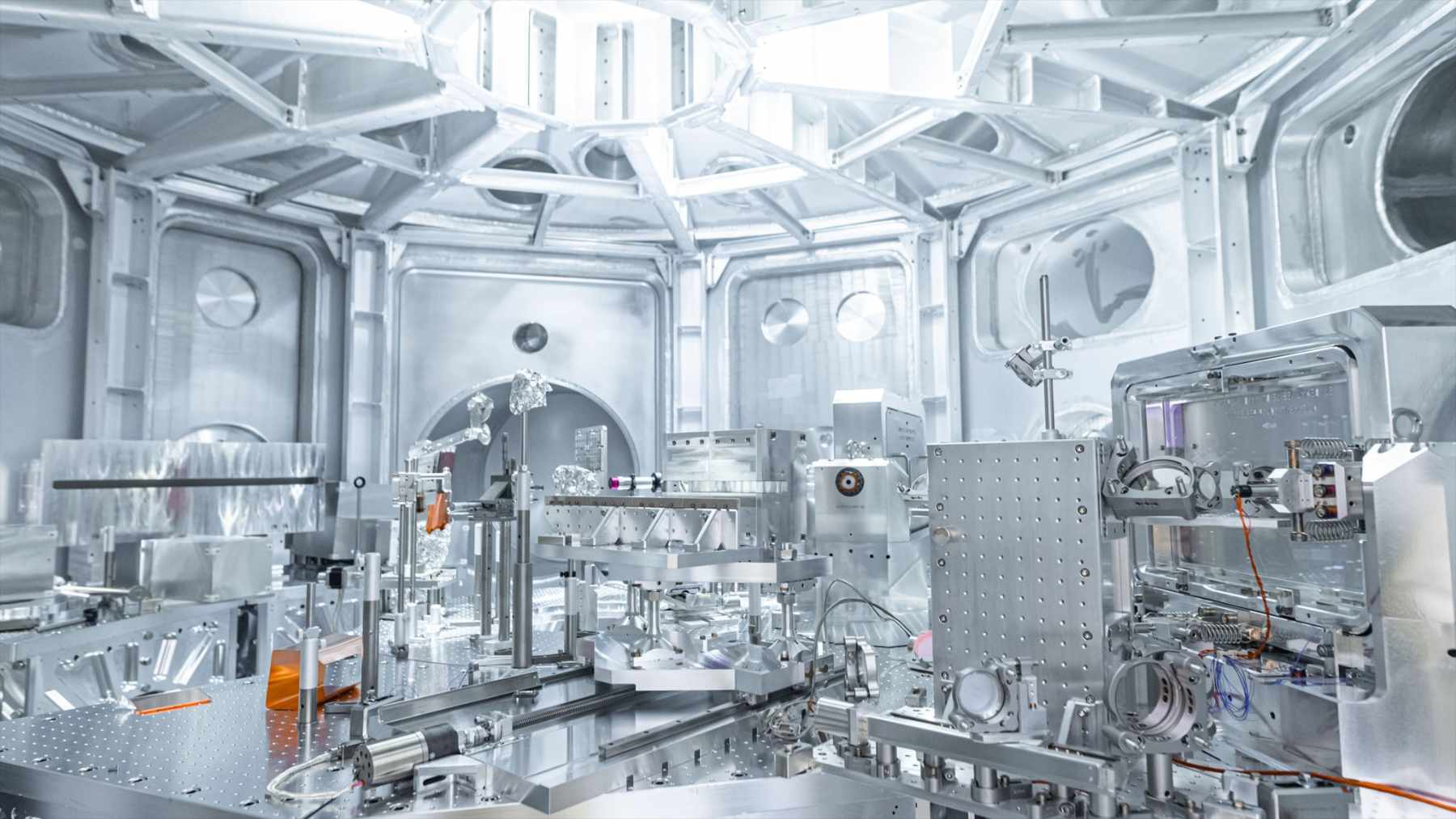
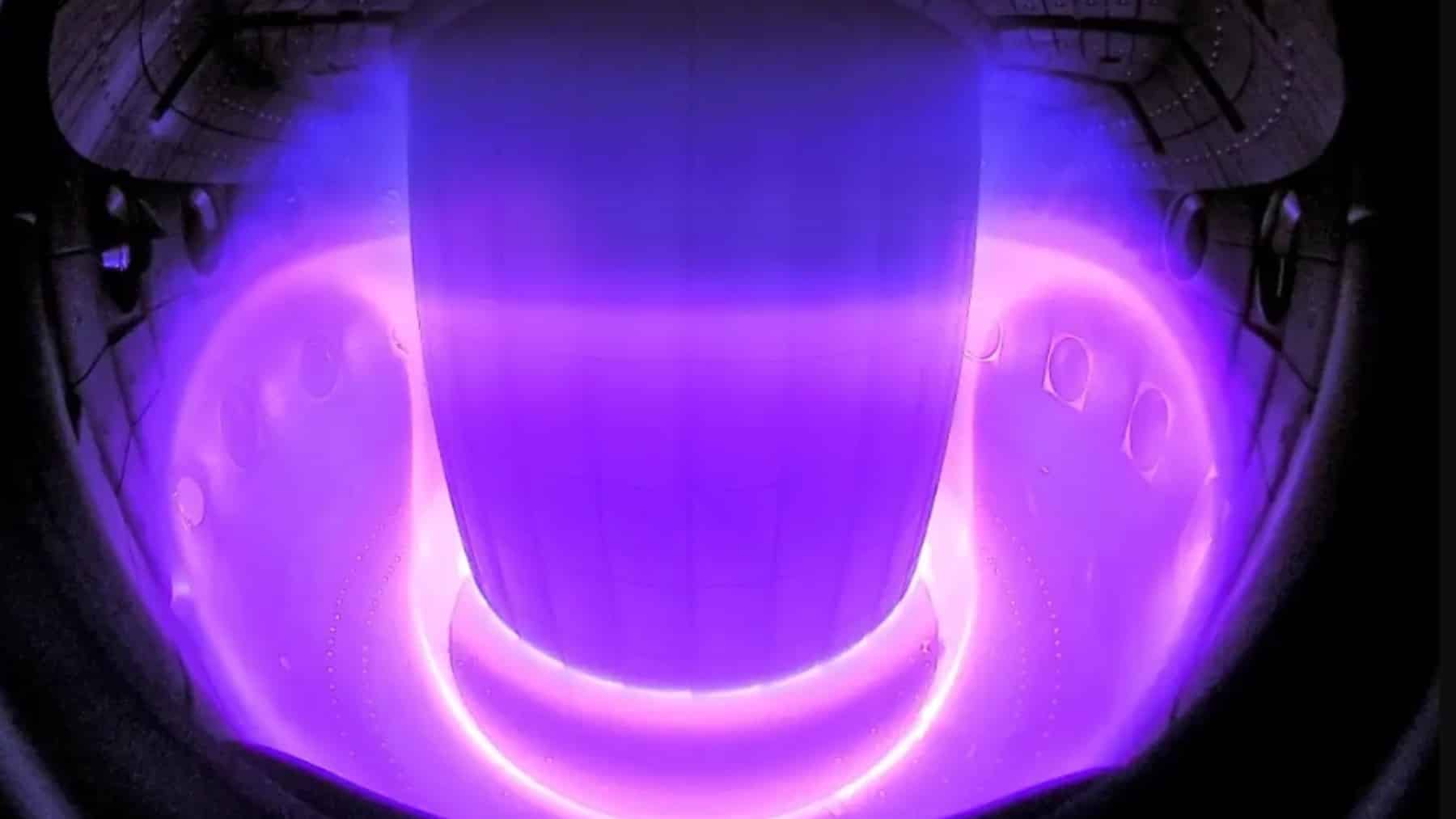
The United States may be closer to unlocking the power of the stars with a huge breakthrough in nuclear fusion. What America wishes to do is to create their own artificial sun that is set to deliver limitless and a carbon-free energy alternative. The team is facing a core challenge in that the possibility of resolving the problems related to fusion-induced metal failure and seeking out metals that can handle the extreme radiation and heat needed to achieve this stance is low.

Fusion energy- the chance to tap into the energy’s potential

Fusion is capable of combining light element into helium releasing clean power during the process. This type of fusion does not release greenhouse gases utilizing mainly deuterium from seawater. The whole idea is to use nuclear fusion to create greener energy, However, the process entailed in mimicking the sun is not easy since fusion reactors need superheated ionized gas that needs to reach temperatures higher than 150 million degrees Celsius. Plasma seems to be contained in tokamaks that are donut in shape. Net energy gain is more than energy consumed which initially was an upset that scientists have slightly overcome due the structural material within the reactor. When it comes to the reactor, much of the damage is done to the reactor walls and will also affect the atomic structure of the material. MIT researchers are looking to remedy this problem of metal failure ensuring that such metals are able to handle extreme radiation and drastic heat in all conditions.

MIT Engineers making groundbreaking discoveries

As per the MIT Energy Initiative (MITEI)., MIT engineers have been successful at identifying metals capable of handling devastating conditions within a fusion reactor. Professor Ju Li and her MIT engineering team found that combining ceramic nanoparticles into the iron-based walls of a reactor, vessel can prevent helium atoms from wreaking havoc within the metal. What MIT engineers did was eliminate helium’s harmful effects.

Since fusion reactions move from neutrons that strike vessels, helium seems to be rather problematic. Such atoms gain microscopic gaps between these metal crystals and cluster to create bubbles that inevitably split the metal open. Professor Li was capable of finding a solution that replaces helium atoms along with the various weaker spots that disperses it throughout the metal. Iron silicate, a ceramic compound, is chemically compatible and mechanically strong. Inevitably, the way forward deals with moving hot plasma fully away from energy producing coolants.

During the testing process, 1% of iron silicate can reduce the helium bubble formation by approximately 50%, increasing the lifespan of the reactor. Japan, too, has achieved a feat close to that of the U.S. by creating an artificial sun at 100,000,000 ºC producing one of the largest tokamaks in history.

A move towards fusion reactors

The fusion engineering equation is improving and so too is America’s road towards climate resilience and energy independence. Professor Ju Li’s team is putting in all of the efforts towards commercial applications such as 3D printing. The new initiative is hoping to support fusion projects in the U.S. and working to collaborate with various fusion firms in private sectors that are geared towards a 2030 launch date.

It is big associations in the ITER in France and other U.S.-based fusion startups with such material breakthroughs that are deemed interesting. The future on fusion depends on walls that can last, and materials that are perfect for plasma physics.

With America’s motive and direction moving toward the artificial sun, the technical aspects are becoming a reality. Fusion perhaps has a future that shines just as bright as the glowing sun. With infinite, enclosed, and extremely hot energy, America is lighting the first-ever artificial sun which is set to overcome all previous challenges, especially those entailing tokamak walls.

Related Post

Wind turbine standing in the snow at a research station in Antarctica

The world’s southernmost wind farm uses just three turbines to help power U.S. and New Zealand research bases in Antarctica, cutting diesel consumption by about 122,000 gallons a year and preventing an estimated 1,242 metric tons of CO₂ emissions despite operating in one of Earth’s harshest environments

September 28, 2026 at 8:41 AM
Golden eagle flying with its wings fully spread

At a 110-turbine Wyoming wind farm, AI-powered cameras can spot approaching eagles and automatically slow individual turbines, with one study estimating an 82% drop in fatalities, although later research found substantial uncertainty around exactly how much the system reduces deaths

September 27, 2026 at 12:33 PM
Large wind turbine blades lying on the ground showing their round root ends

Wind turbine blades are notoriously difficult to recycle, but Carbon Rivers demonstrated recovered glass fiber with 99.9% purity that could return to manufacturing, while recent cleanup concerns in Tennessee show that successful recycling depends on safely processing and actually selling the recovered material, not simply shredding old blades

September 27, 2026 at 8:46 AM
Solar panel canopies and battery units installed on a former landfill

New Haven turned a landfill that stopped accepting trash more than 20 years ago into a solar farm with over 1,900 panels, enough to generate the equivalent annual electricity use of about 200 homes while bringing the city $72,000 a year in rent

September 26, 2026 at 4:57 PM
Alpine Muttsee reservoir surrounded by rocky mountains in summer

Nearly 5,000 solar panels were installed on a Swiss dam 8,200 feet above sea level, and despite deep snow and freezing temperatures the Alpine plant produced 3.8 times more winter electricity per unit of capacity than a lowland installation during its first measured year

September 26, 2026 at 10:16 AM
Rows of cherry tomato plants growing inside a greenhouse

A Swiss greenhouse installed 1,736 solar modules above working tomato crops and produced up to 1 MWh of electricity a day while cutting summer grid use by 35%, yet the surprising result was that tomato yields did not fall and were actually 1% higher

September 25, 2026 at 6:31 AM