

Adrian Villellas

Adrián Villellas is a computer engineer and entrepreneur in the fields of digital marketing and advertising technology. He has led projects in data analysis, sustainable advertising, and solutions for new audiences. He also contributes to scientific initiatives related to astronomy and space observation. He writes for science, technology, and environmental media outlets, where he makes complex topics and innovative advances accessible to a broad audience.
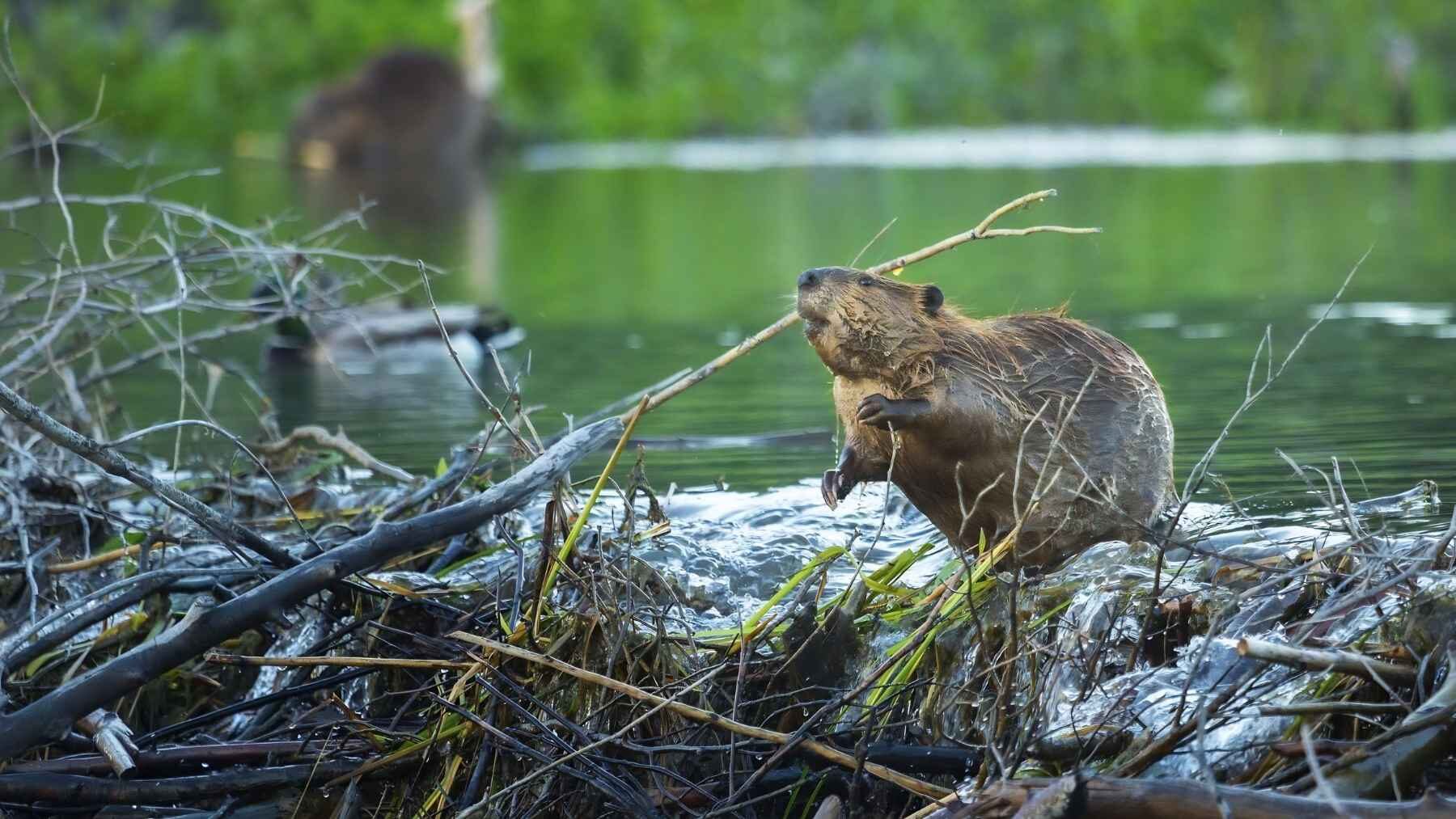
Beaver carries a branch while standing on a dam in a waterway.

Beavers kept rebuilding dams in Oregon’s aging canal, turning a century-old embankment into a safety hazard engineers finally had to address

—
August 26, 2026 at 12:04 PM
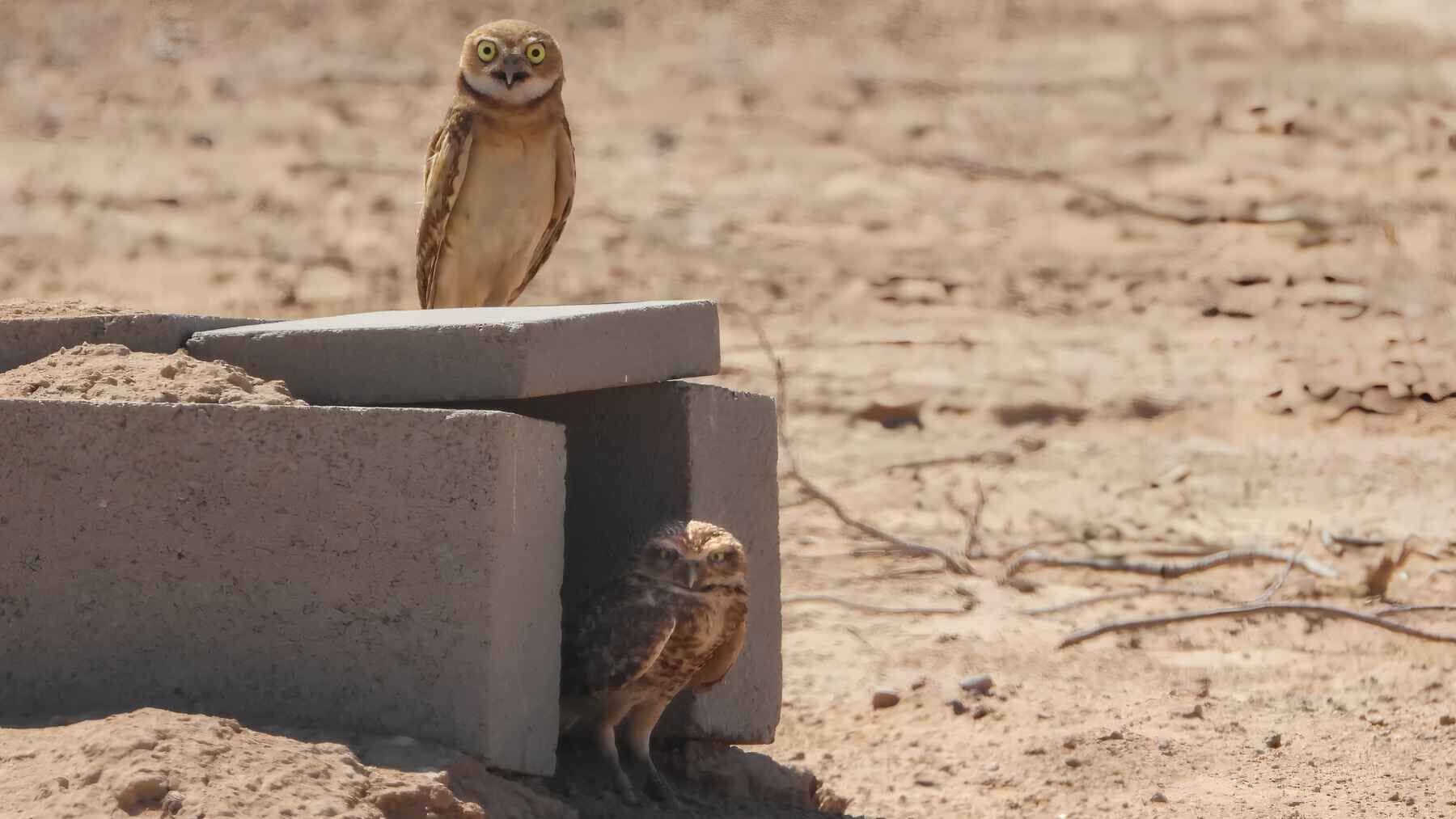
Two burrowing owls stand beside an artificial burrow at an Arizona solar farm.

Workers built an Arizona solar farm to generate electricity beneath the desert sun, but tiny burrowing owls moved into the landscape and turned part of the energy project into an unexpected nursery for their chicks

—
August 26, 2026 at 8:45 AM
ironplac-magnetic-wall-shovel-demonstration

A 29-year-old engineering student started mixing ordinary materials in an experiment and ended up creating something researchers believe could solve a problem engineers have been struggling with for years

—
August 24, 2026 at 12:30 PM
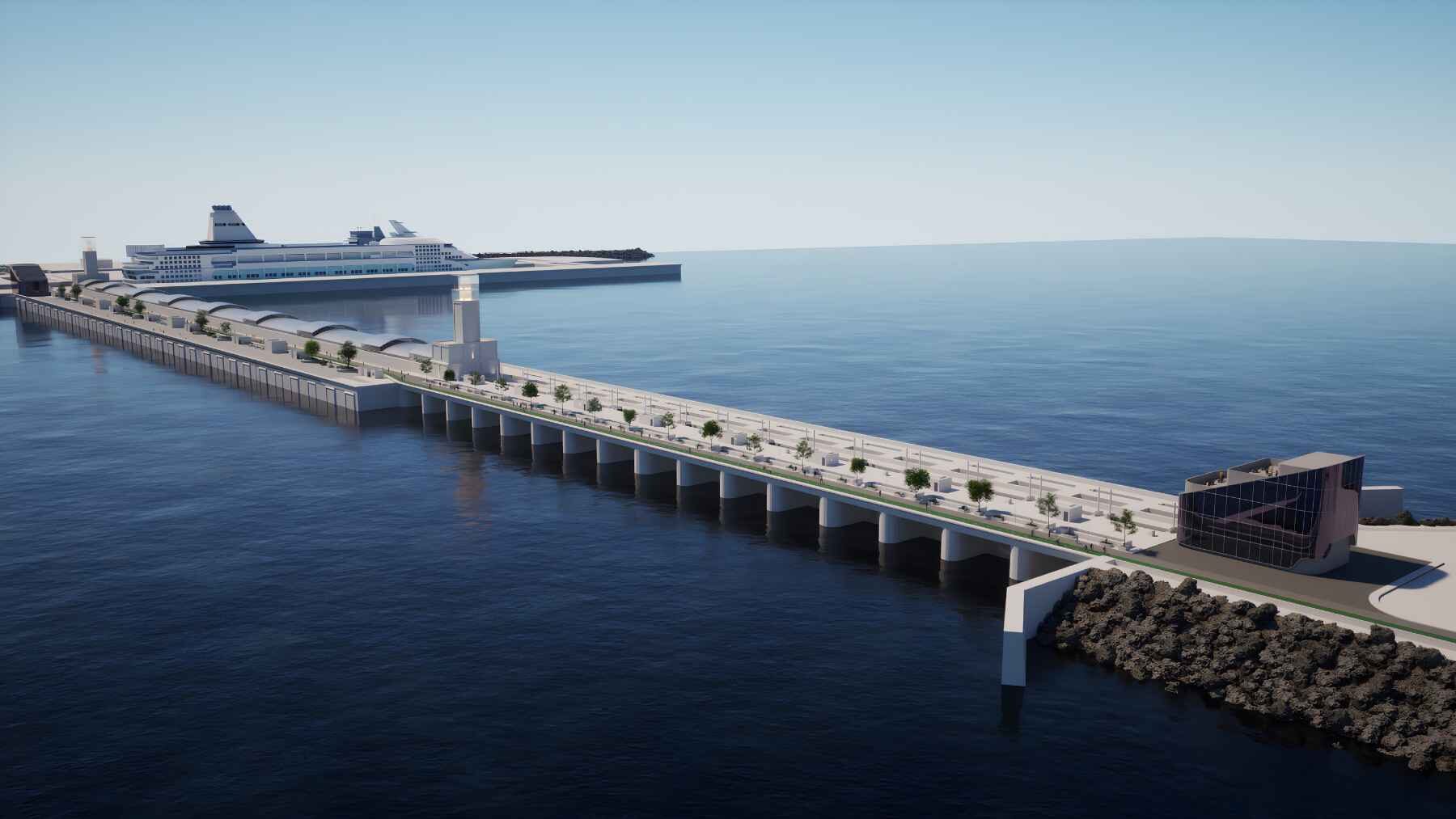
Artist's impression of the proposed Mersey Tidal Power barrage across the River Mersey.

Britain wants to build a wall across a working river with 28 turbines, hold back a 33-foot tide and generate power for 120 years, but the giant project still has not been told exactly where to stand

—
August 23, 2026 at 6:26 PM
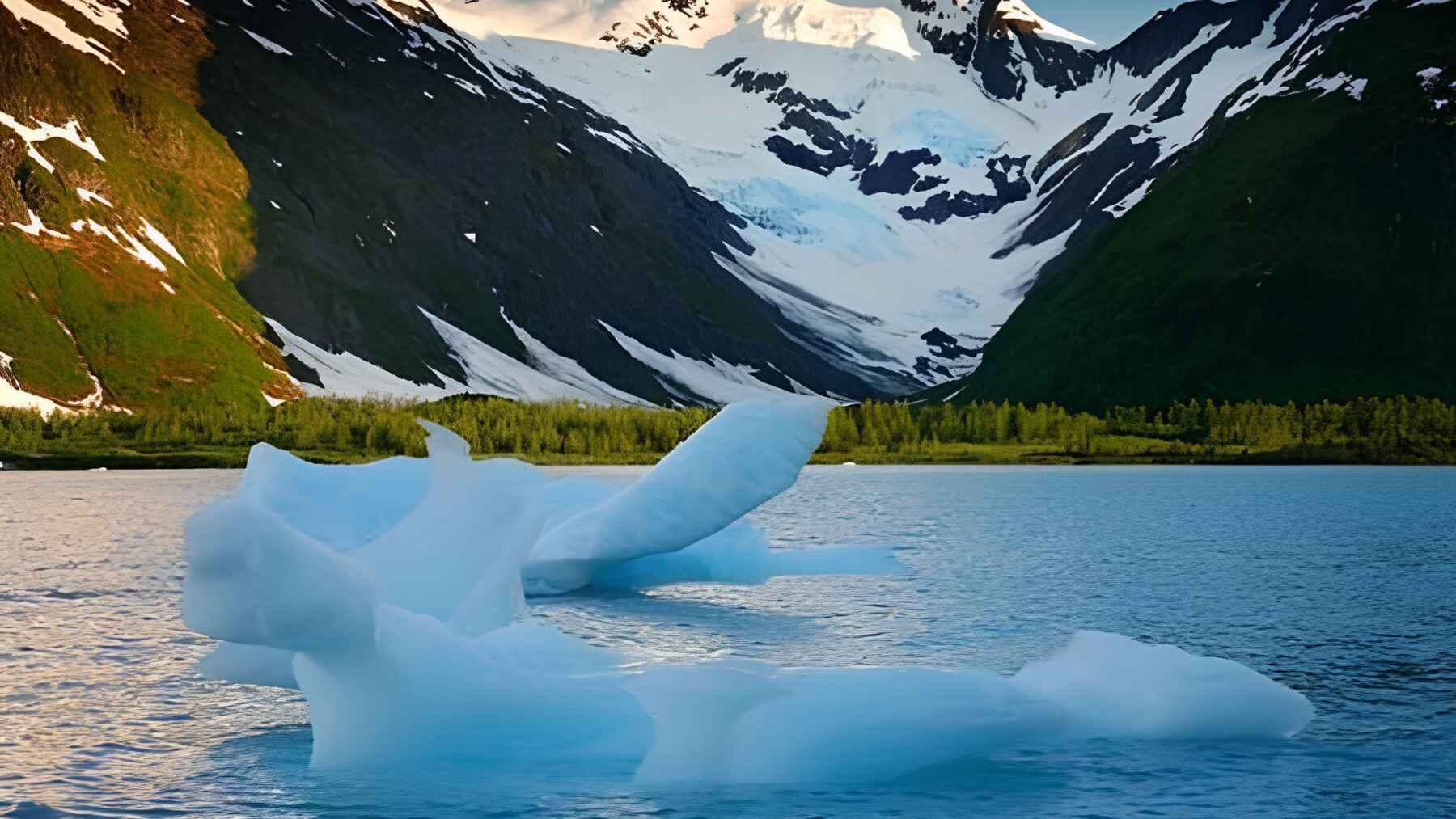
cebergs floating in an Alaskan glacial lake surrounded by snow-covered mountains.

An Alaskan glacier block weighing 2,500 pounds arrived in Iowa in 1977 by helicopter and refrigerated truck, testing whether icebergs could become drinking water for nations desperate for it

—
August 23, 2026 at 8:45 AM
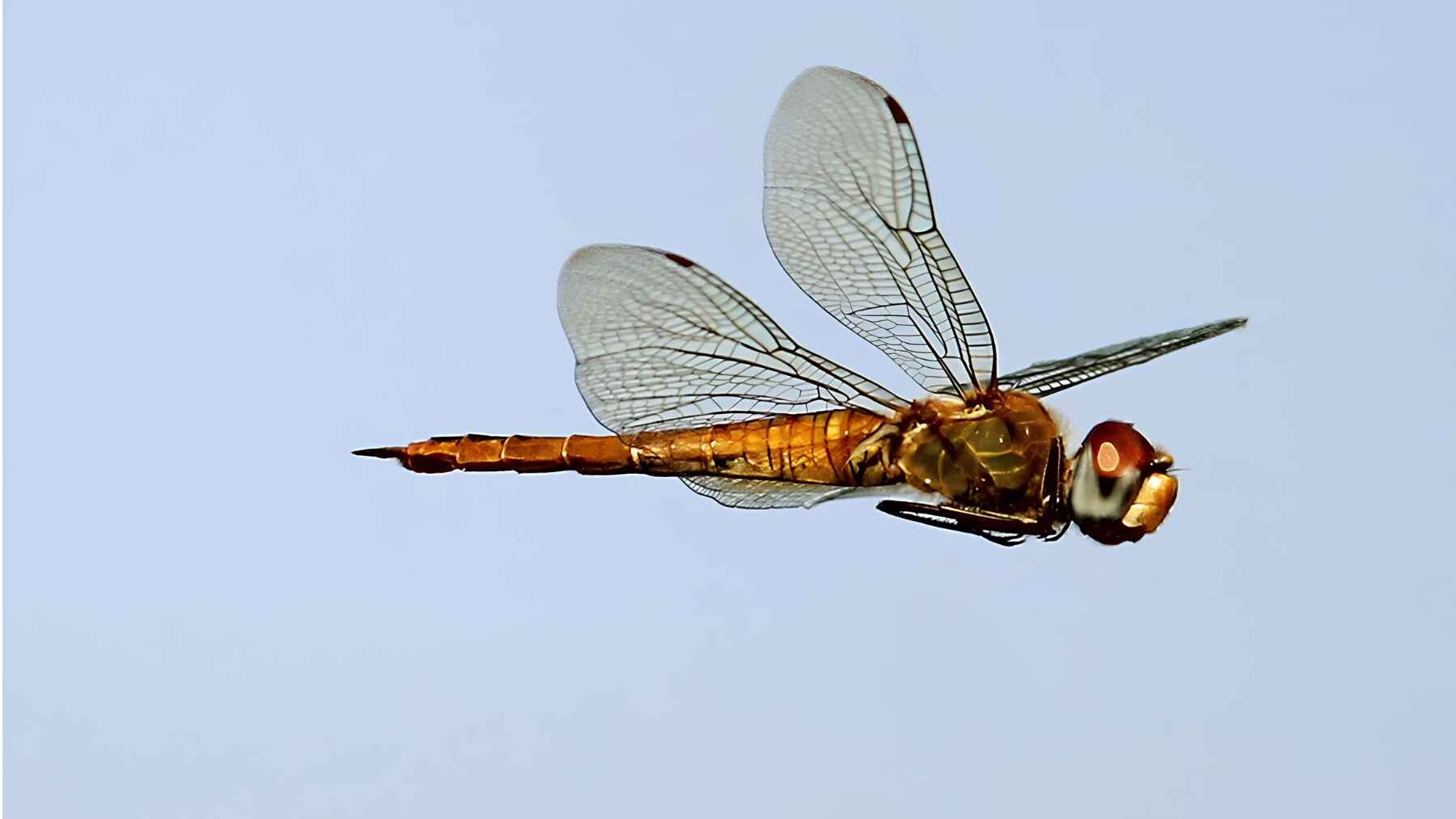
Globe skimmer dragonfly flying with its wings extended.

A globe skimmer dragonfly barely 1.5 inches long may fly 3,700 miles across generations, and DNA now links its populations across Asia and the Americas in one migration circuit

—
August 22, 2026 at 10:15 AM
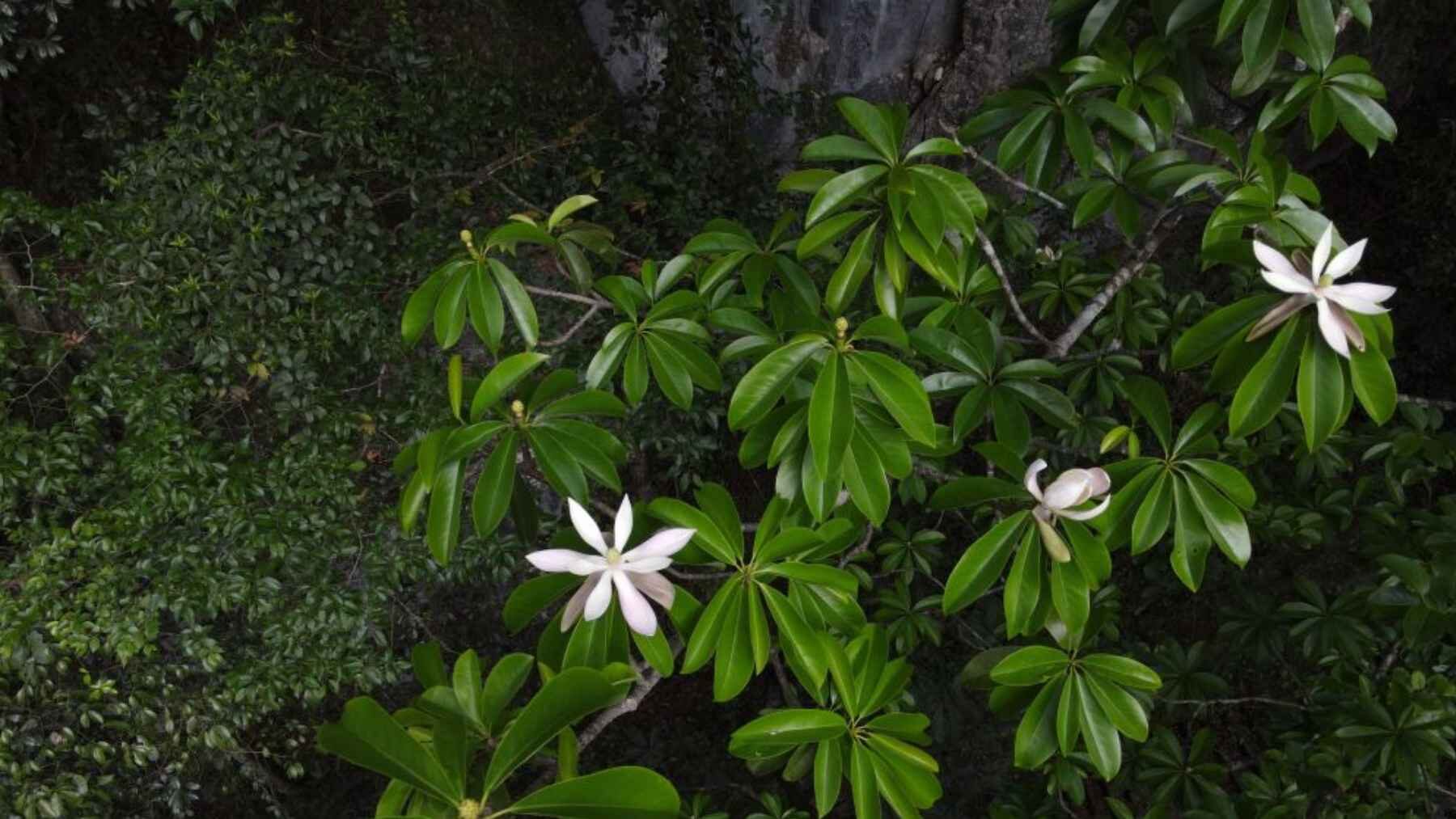
Magnolia aromatica blooming inside a sinkhole in Leye County, China

China’s karst sinkholes shelter the endangered Magnolia aromatica from heat and drought, yet genetic research found populations inside carry more harmful mutations and less diversity than trees outside, weakening their adaptability

—
August 21, 2026 at 4:45 PM
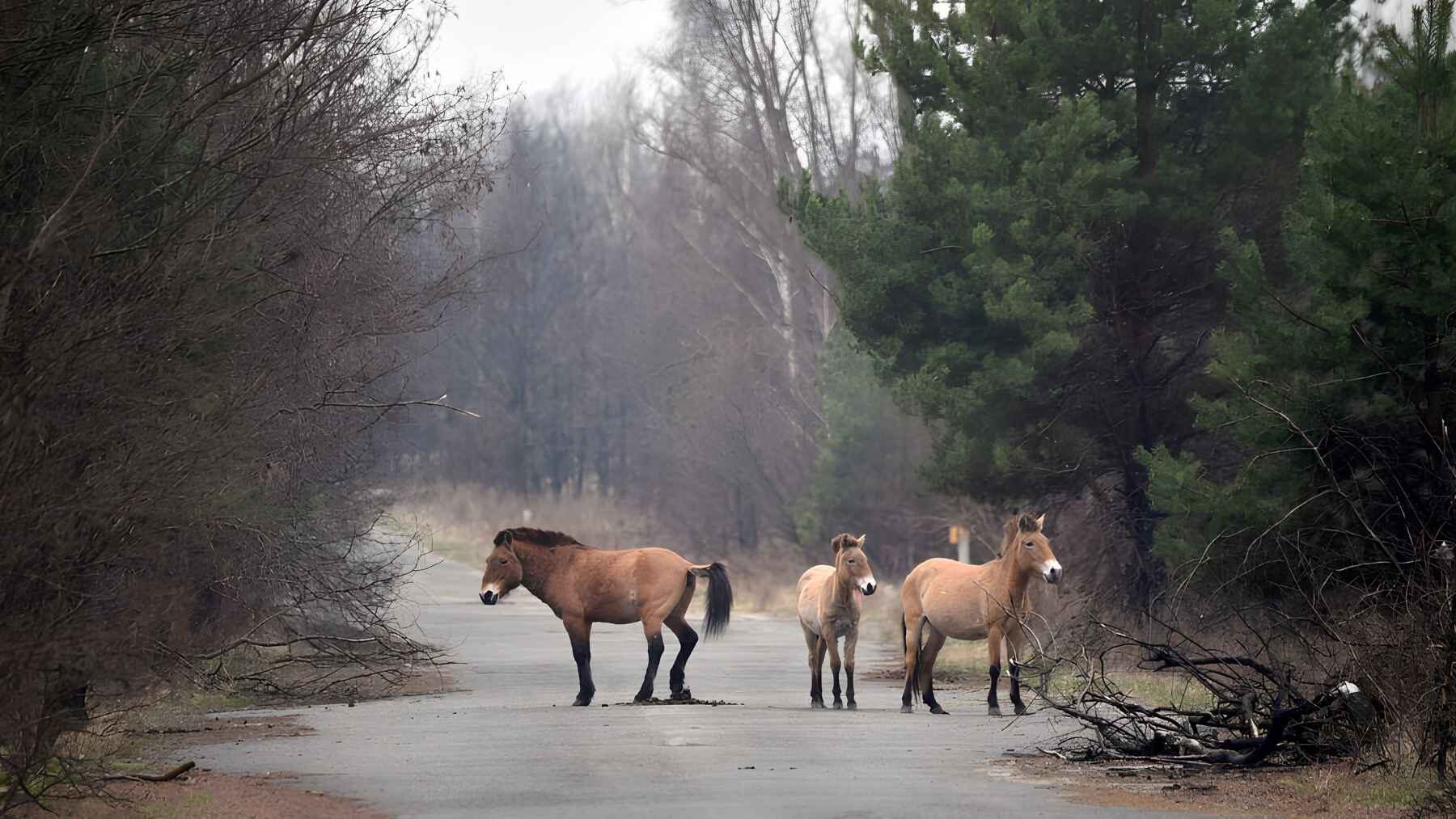
Przewalski's horses standing on an abandoned road in the Chernobyl Exclusion Zone.

Forty years after Chernobyl, wolves, lynx, Przewalski’s horses, and wild boar now use the exclusion zone at sevenfold density, showing how quickly large mammals benefit when human pressure vanishes across vast connected areas

—
August 21, 2026 at 9:30 AM
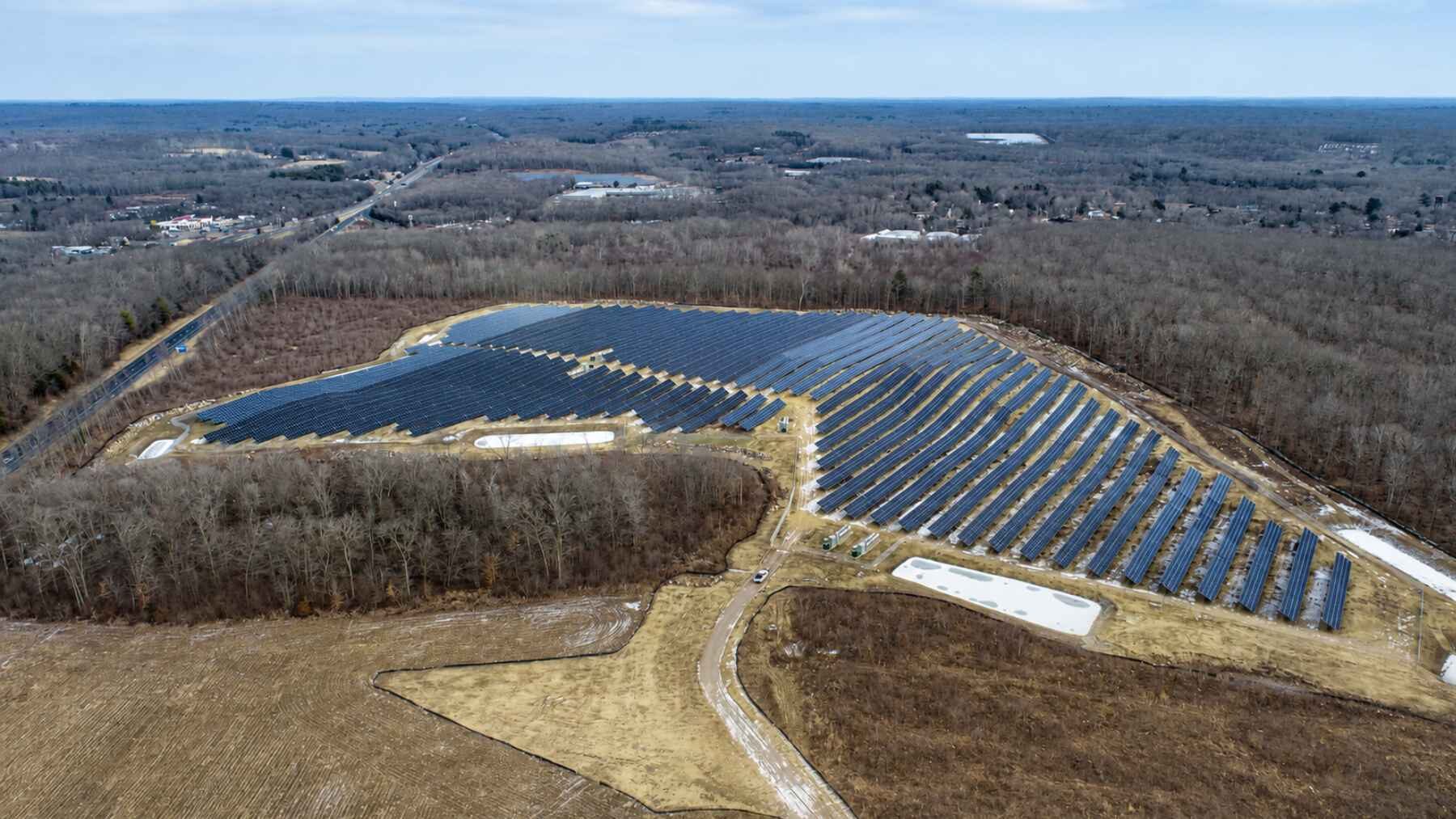
Aerial view of solar panels installed on a former landfill in New Haven, Connecticut.

New Haven placed 1,900 solar panels on a former landfill, producing 1.4 million kilowatt-hours yearly for 200 homes and $1.5 million over 20 years, while 63 gigawatts of capacity wait across 4,312 closed sites

—
August 20, 2026 at 4:44 PM
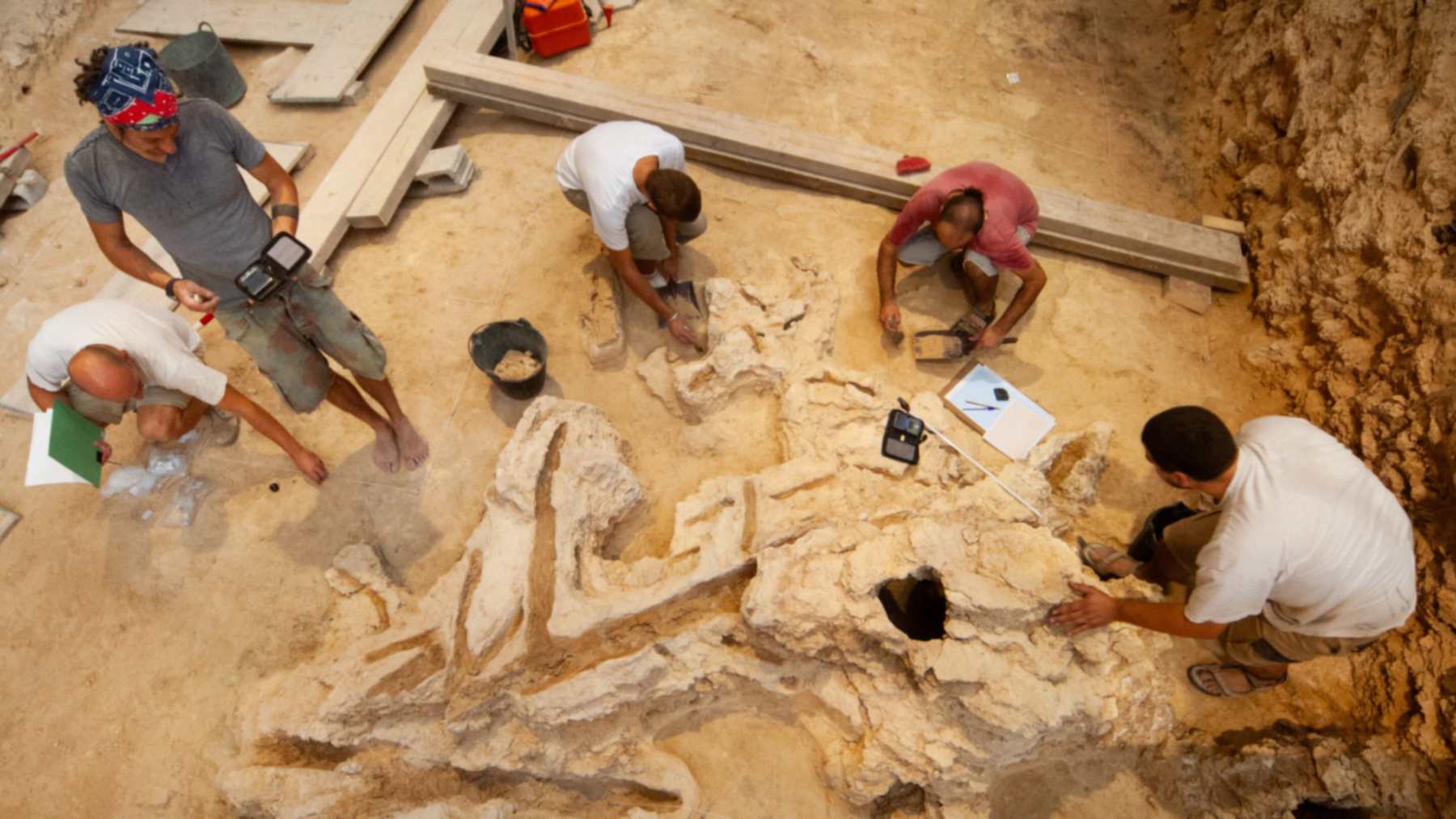
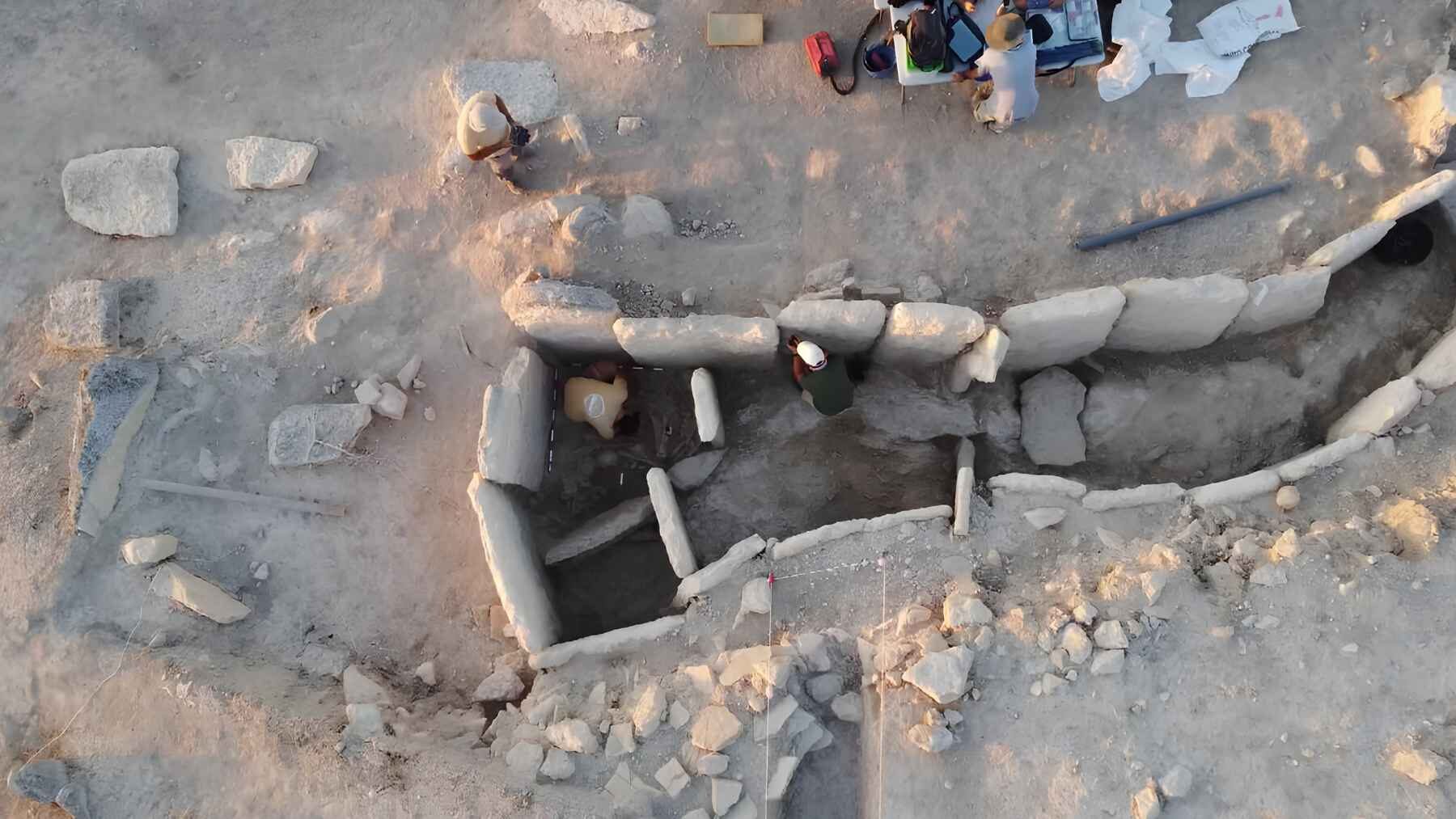
dolmen-i-la-lentejuela-archaeological-excavation

A 13-meter dolmen tomb in southern Spain preserves ivory, amber, shells, and flint from 5,000 years ago, offering context for burial customs and long-distance trade networks rather than a treasure cache

—
August 19, 2026 at 5:30 PM
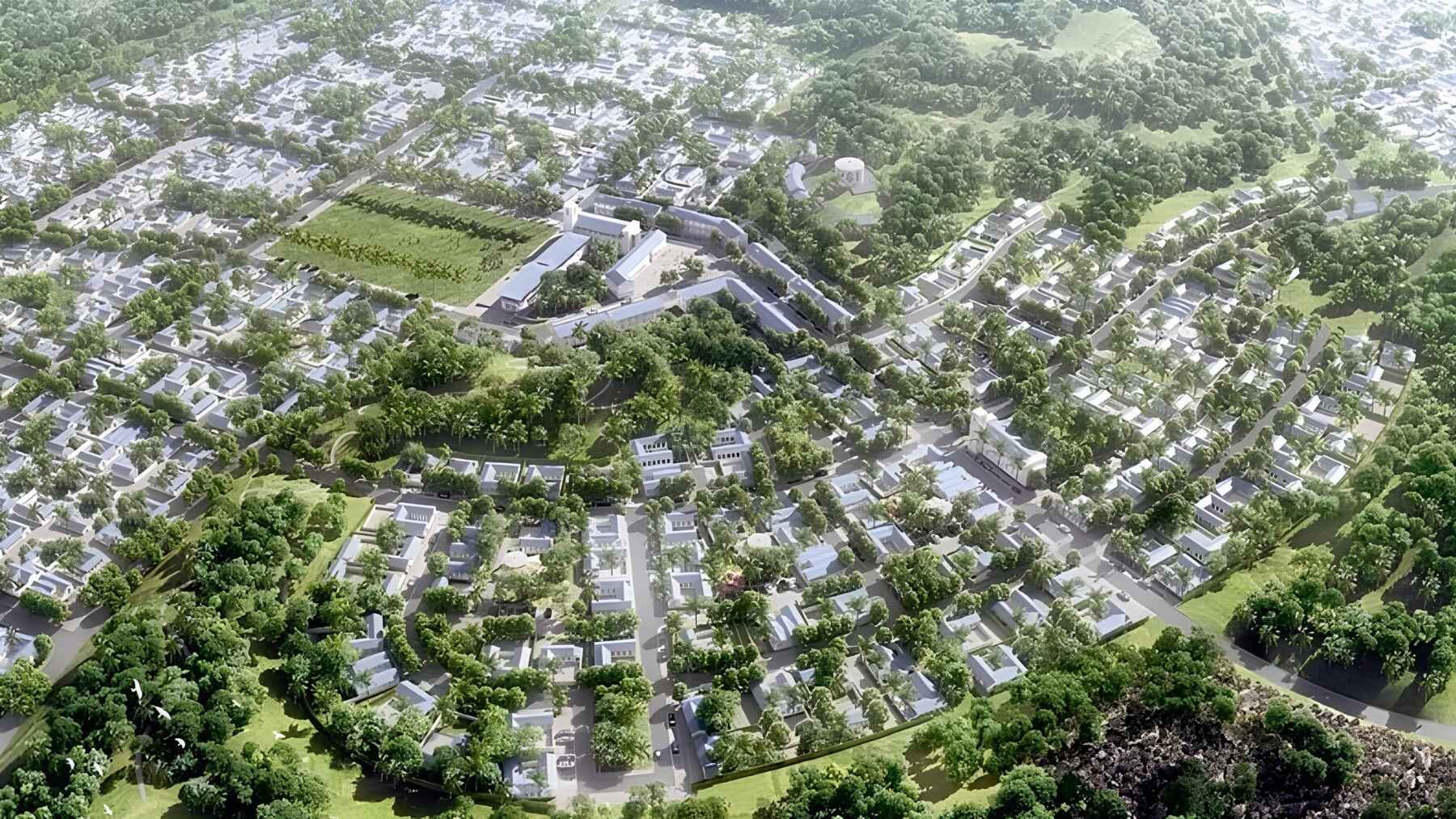
Concept rendering of Nauru’s Higher Ground Initiative to develop climate-resilient communities in the island’s interior.

Nauru’s citizenship-by-investment program raises $90,000 per applicant for climate resilience, using island relocation funding while offering passports with access to 85 destinations, no residency required

—
August 19, 2026 at 12:30 PM
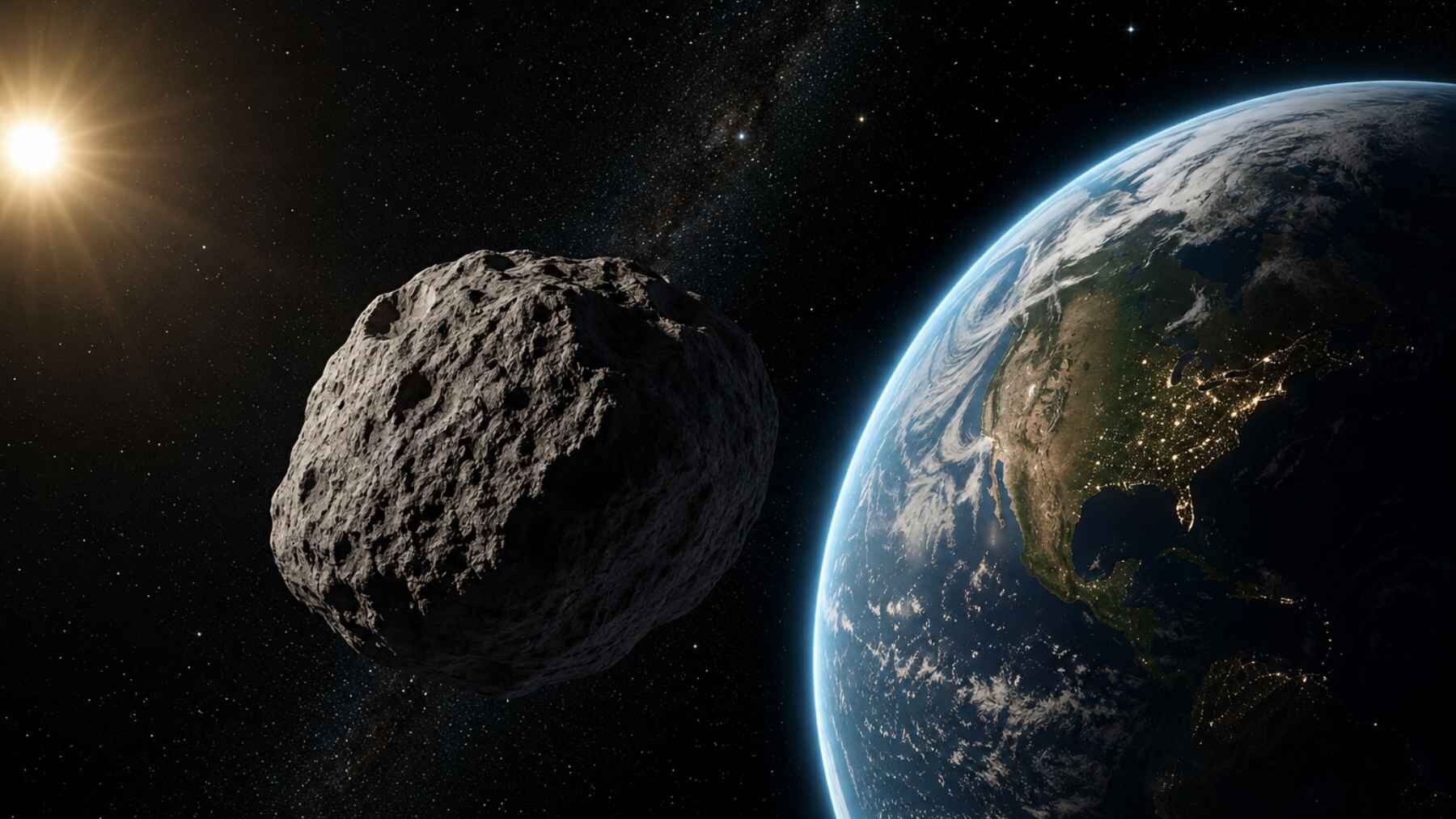
Illustration of near-Earth asteroid 2024 YR4 passing through space near Earth.

NASA ruled out the asteroid that once had a 3.1% chance of hitting Earth in 2032, and the reason those odds moved so sharply is not what it seems

—
August 18, 2026 at 7:21 AM
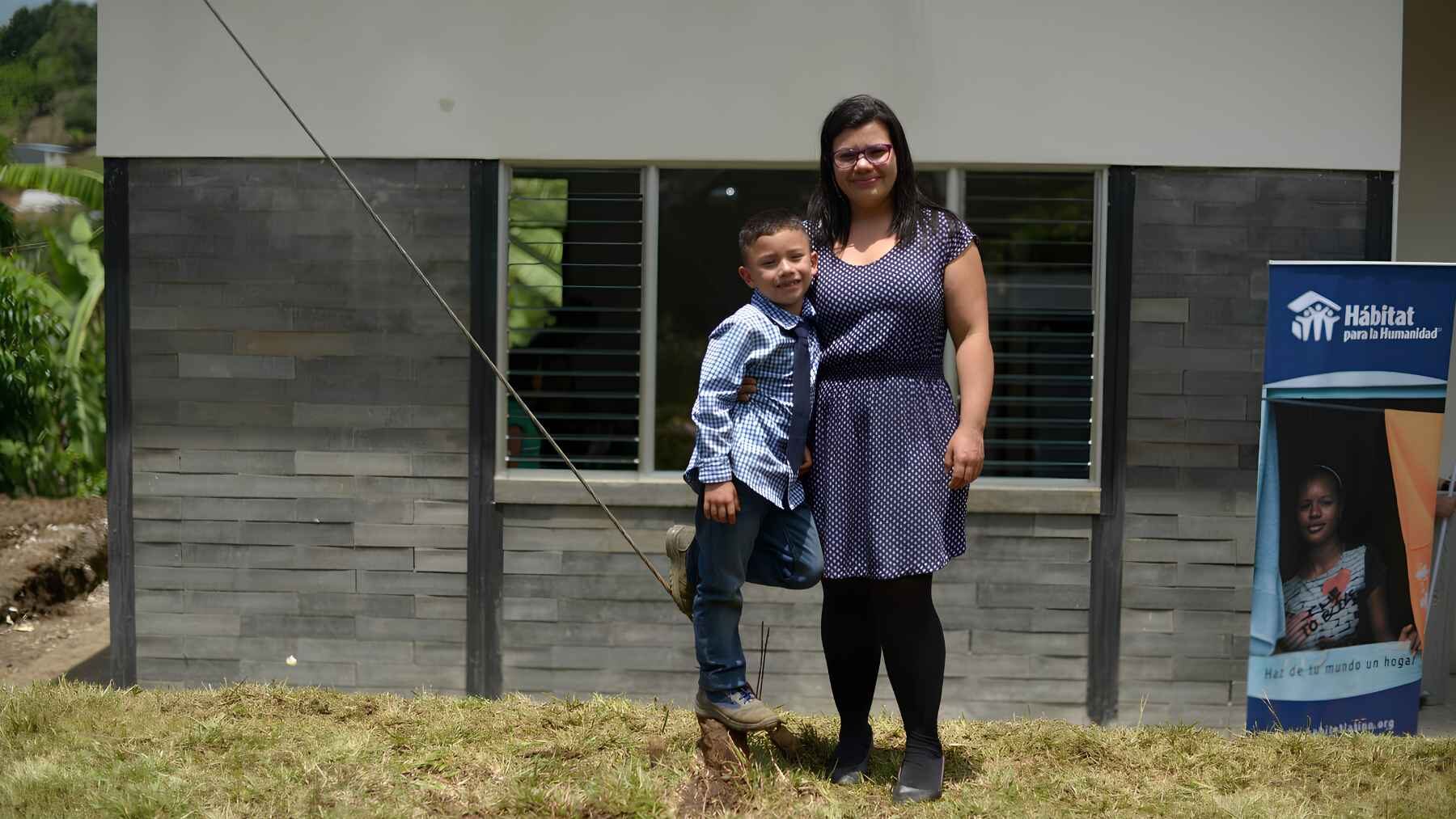
Cindy Mora and her son Fabrizio outside their recycled-plastic block house in Costa Rica.

A Costa Rican mother saved for nine years to buy land, and 850 blocks of recycled plastic became the walls of the house 800 volunteers are wrongly credited with building

—
August 16, 2026 at 6:30 PM
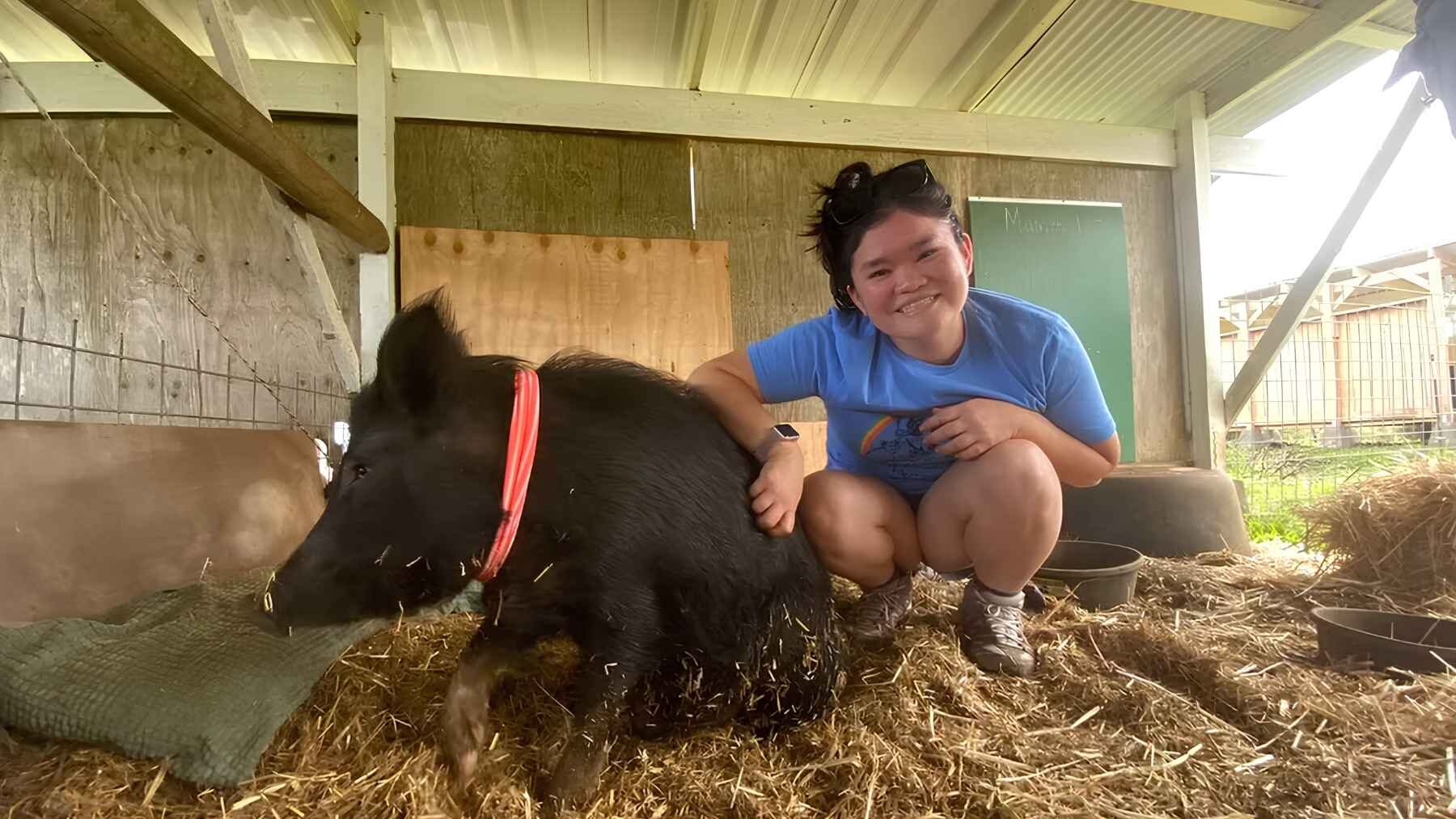
Caretaker with a rescued pig at Selah’s Pig Sanctuary in Hawaii.

Hawaii’s feral pigs damage ecosystems across the islands, and a Big Island sanctuary now recruits live-in interns to rescue and care for them in exchange for housing

—
August 16, 2026 at 5:00 PM
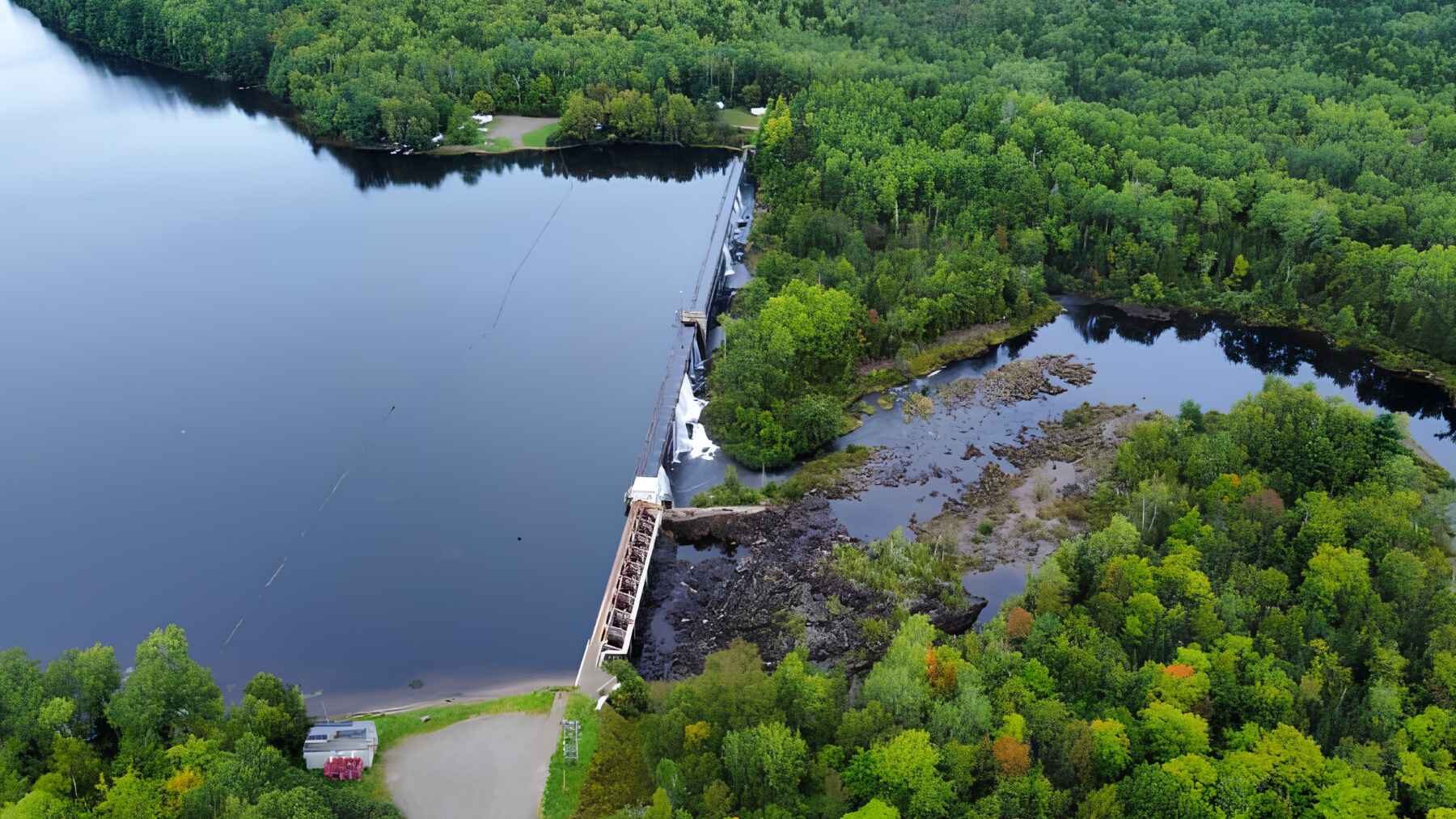
Aerial view of a dam and fish passage infrastructure on the St. Croix River in Maine.

A fish elevator on a Maine dam could reopen 600 miles of river to a small fish, and the whales people keep mentioning are not part of the story yet

—
August 15, 2026 at 6:30 PM
Mervin Raudabaugh standing on his Pennsylvania farm, which he chose to preserve instead of selling to data center developers.

An 86-year-old Pennsylvania farmer turned down more than $15 million from data center developers and took $1.9 million instead, for a reason that had almost nothing to do with money

—
August 14, 2026 at 4:48 PM
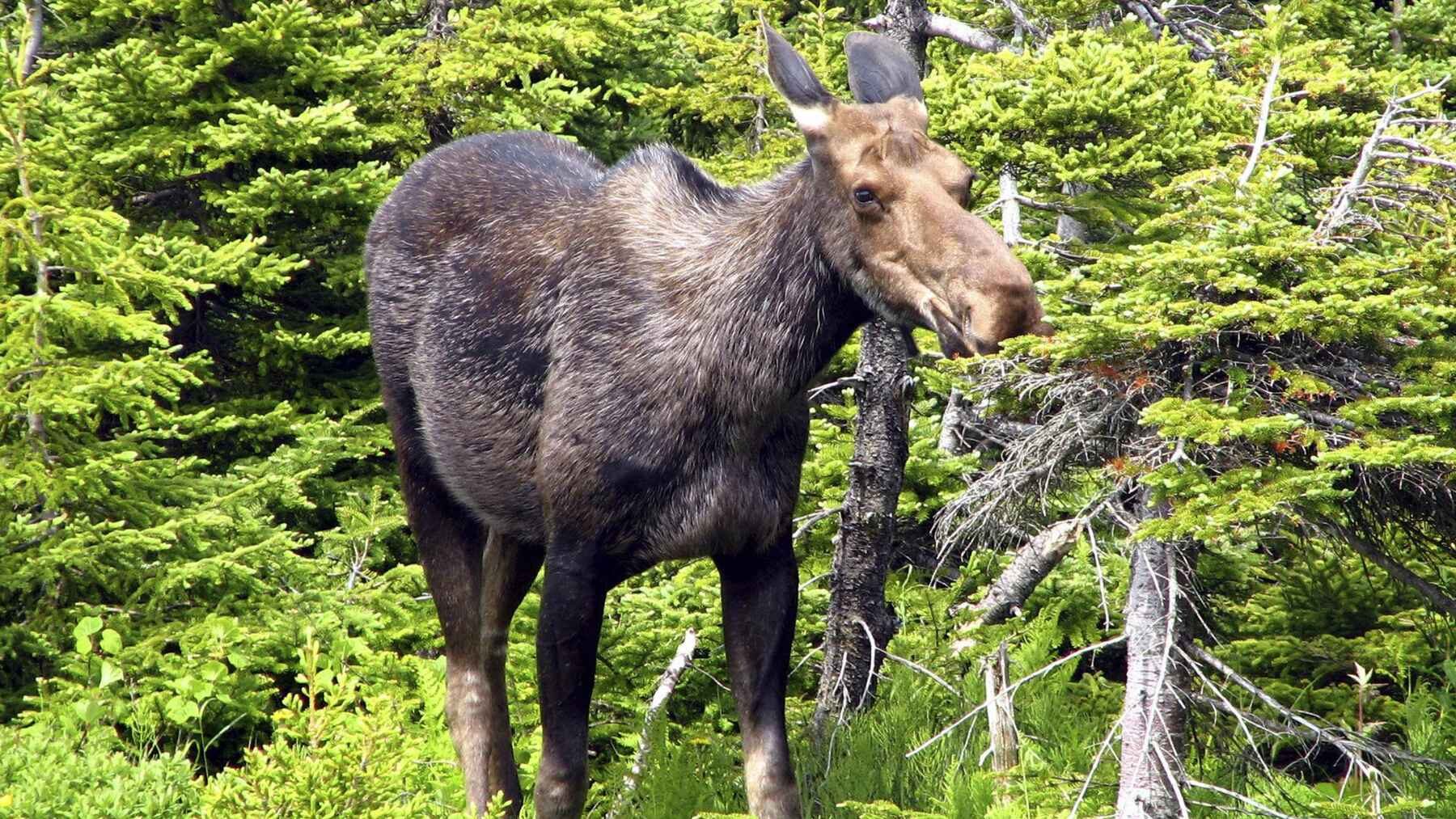
Several moose gathered in open habitat in Newfoundland.

Newfoundland introduced moose in 1878 and released four more in 1904, and today about 110,000 descendants are reshaping the island’s forests

—
August 13, 2026 at 5:00 PM
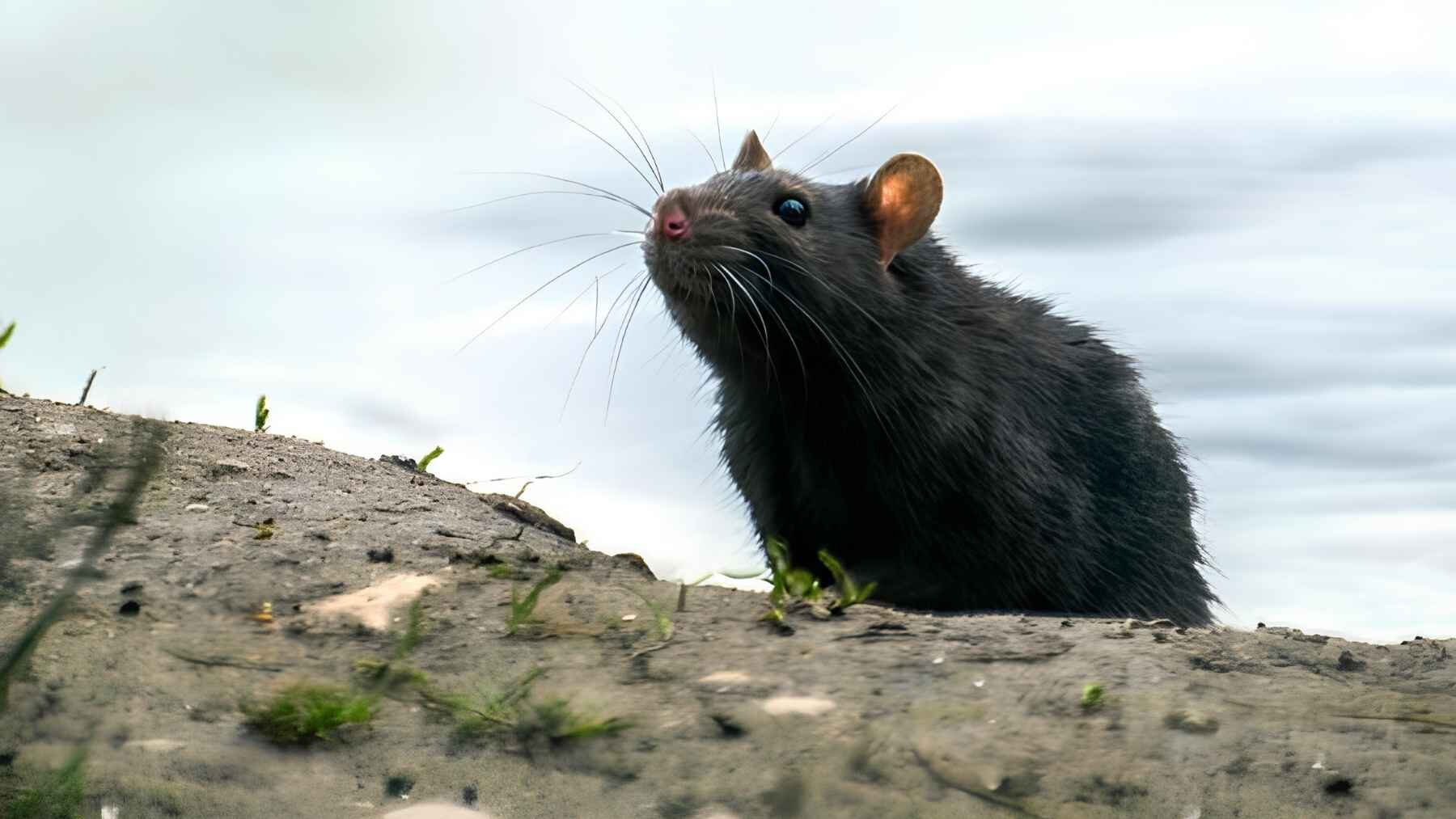
An invasive black rat on a tropical island where introduced rodents have reduced seabird populations and altered nearby coral reef food webs.

Rats never touch the coral, yet on islands where they wiped out the seabirds the whole underwater food chain took another route, and crabs gained the ground the fish lost

—
August 13, 2026 at 3:00 PM
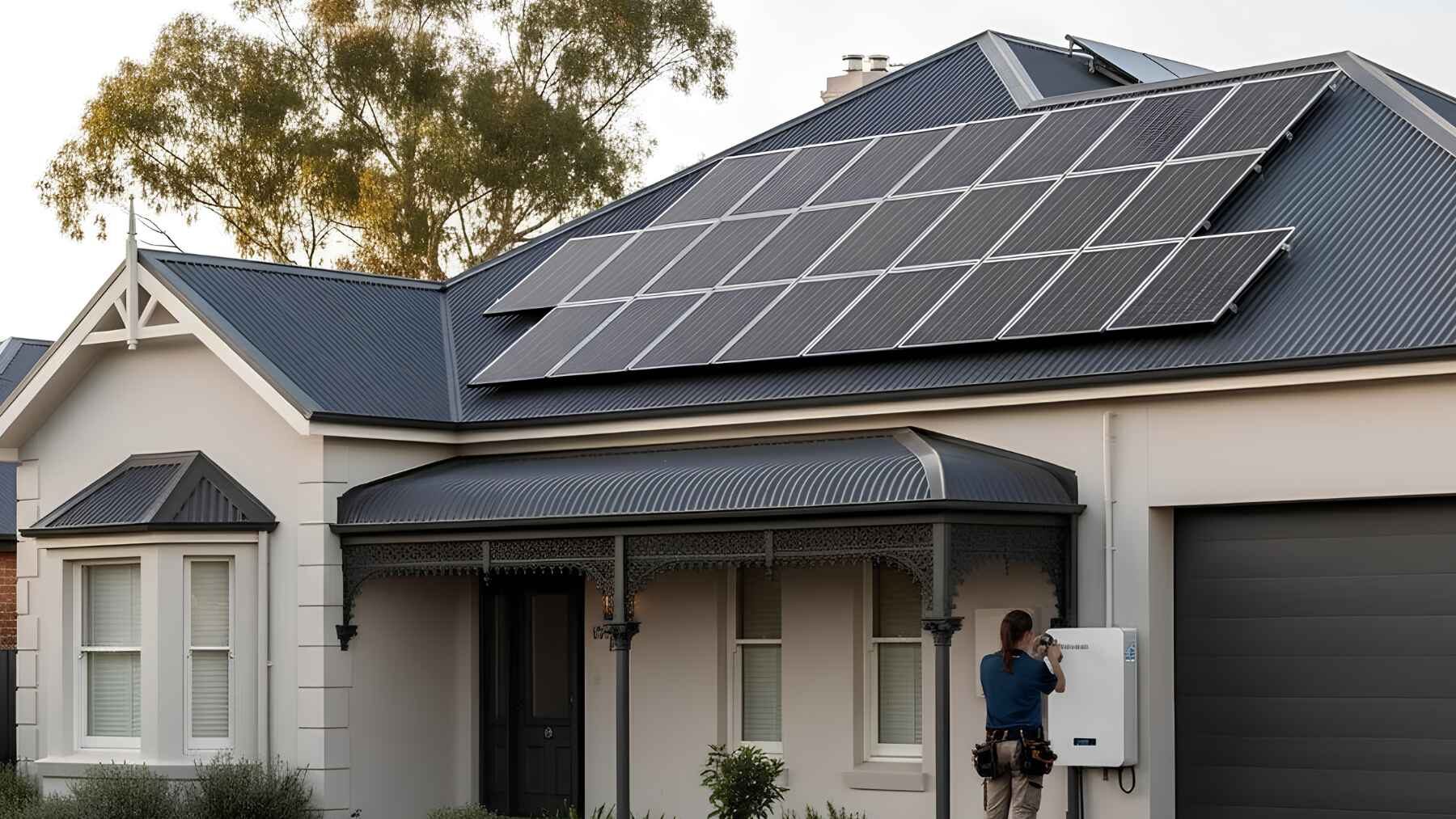
Australian home with rooftop solar panels and a residential battery system.

Only 24% of Australian battery owners have joined a virtual power plant, and the reason is not the money, because those who joined cut their bills by up to 63%

—
August 13, 2026 at 6:30 AM
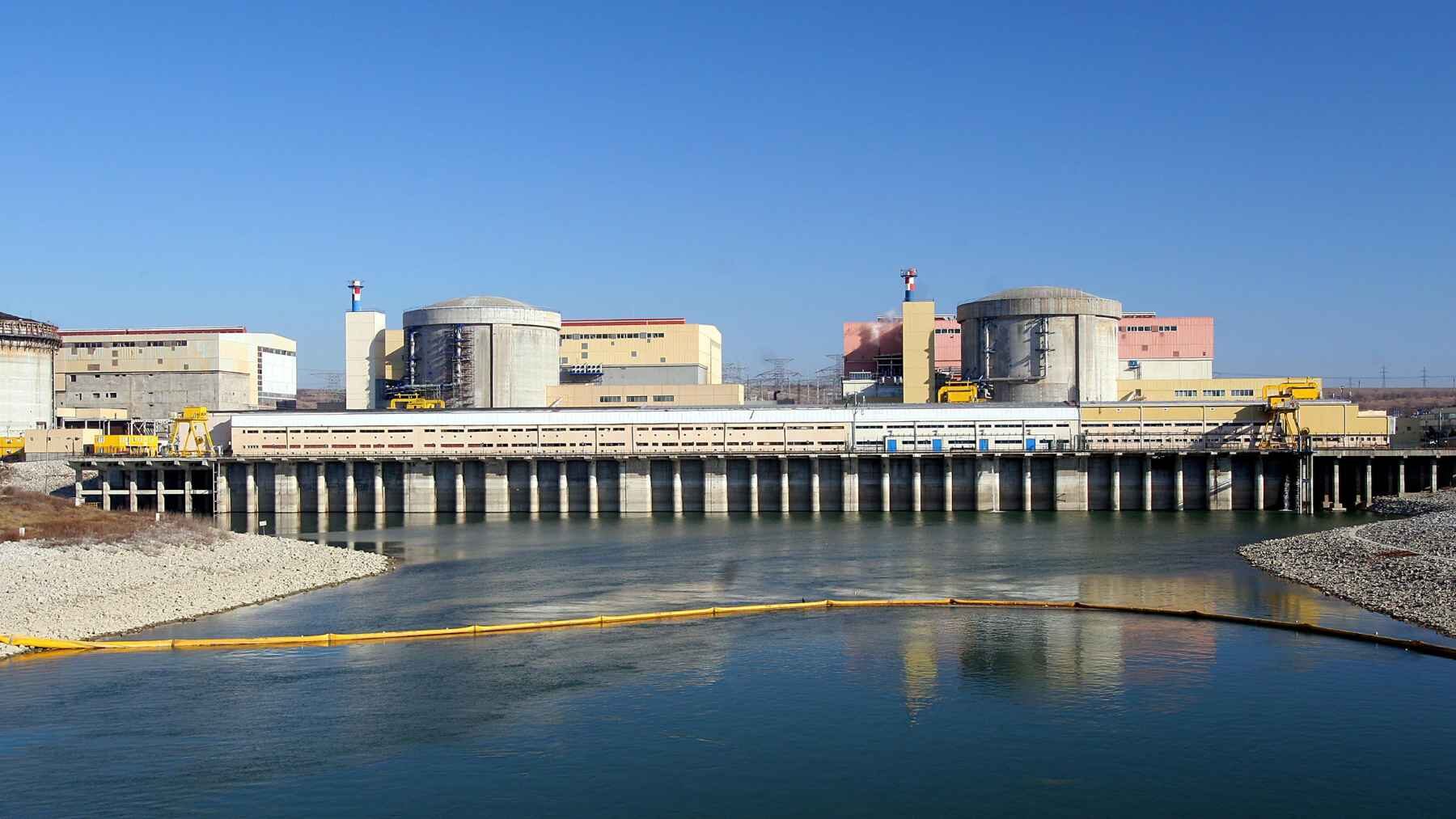
Cernavodă Nuclear Power Plant beside the Danube River in Romania.

Romania declares an energy alert as the Danube falls too low to cool its nuclear reactors, a climate-driven power crisis

—
August 12, 2026 at 6:29 PM
Previous Next