


Adrian Villellas
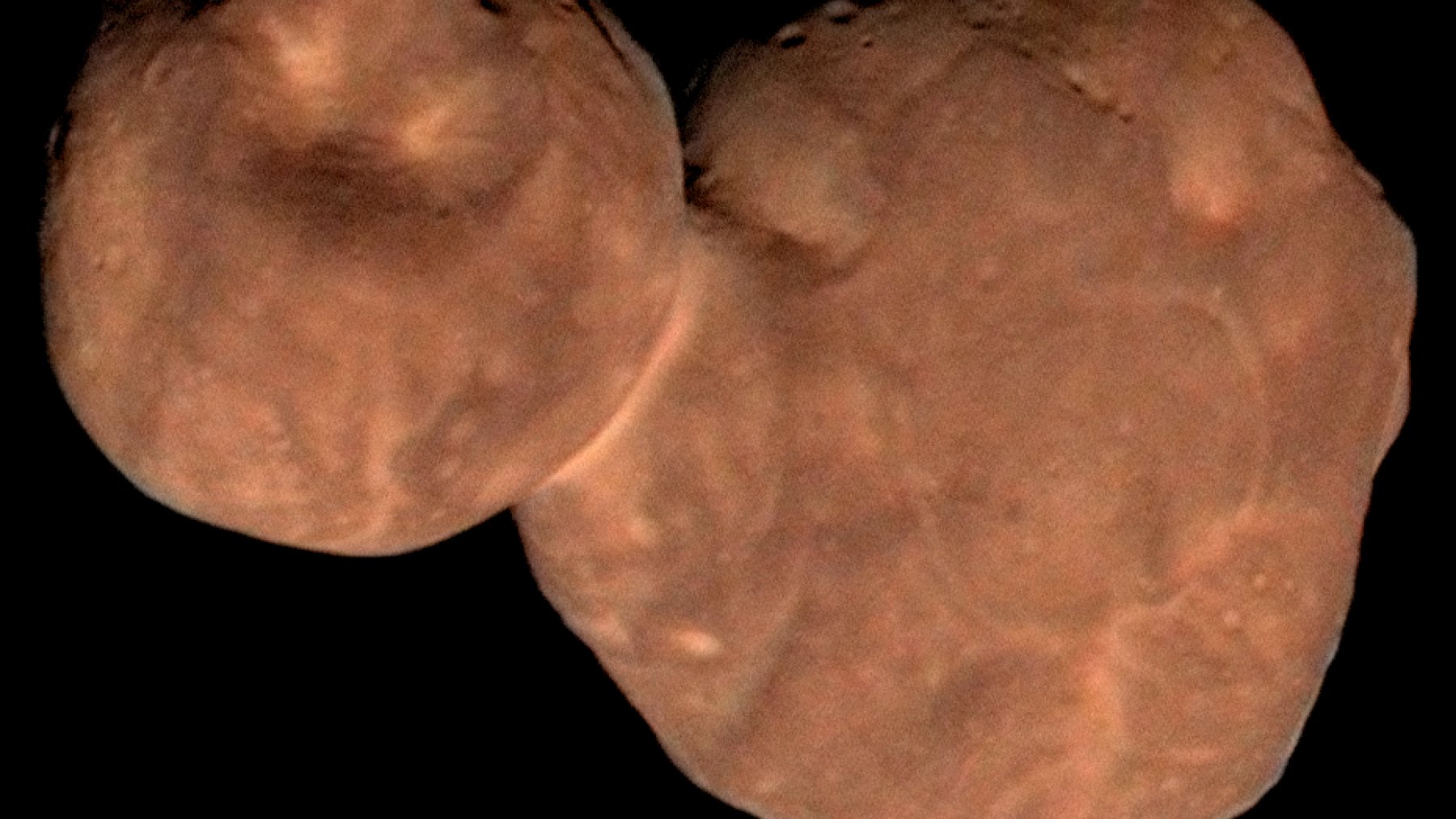
NASA flew New Horizons within 2,200 miles of Arrokoth, a strange two-lobed world about 4 billion miles from the Sun, and its remarkably intact shape suggests two ancient planetary building blocks may have joined at barely 11 mph more than 4.5 billion years ago
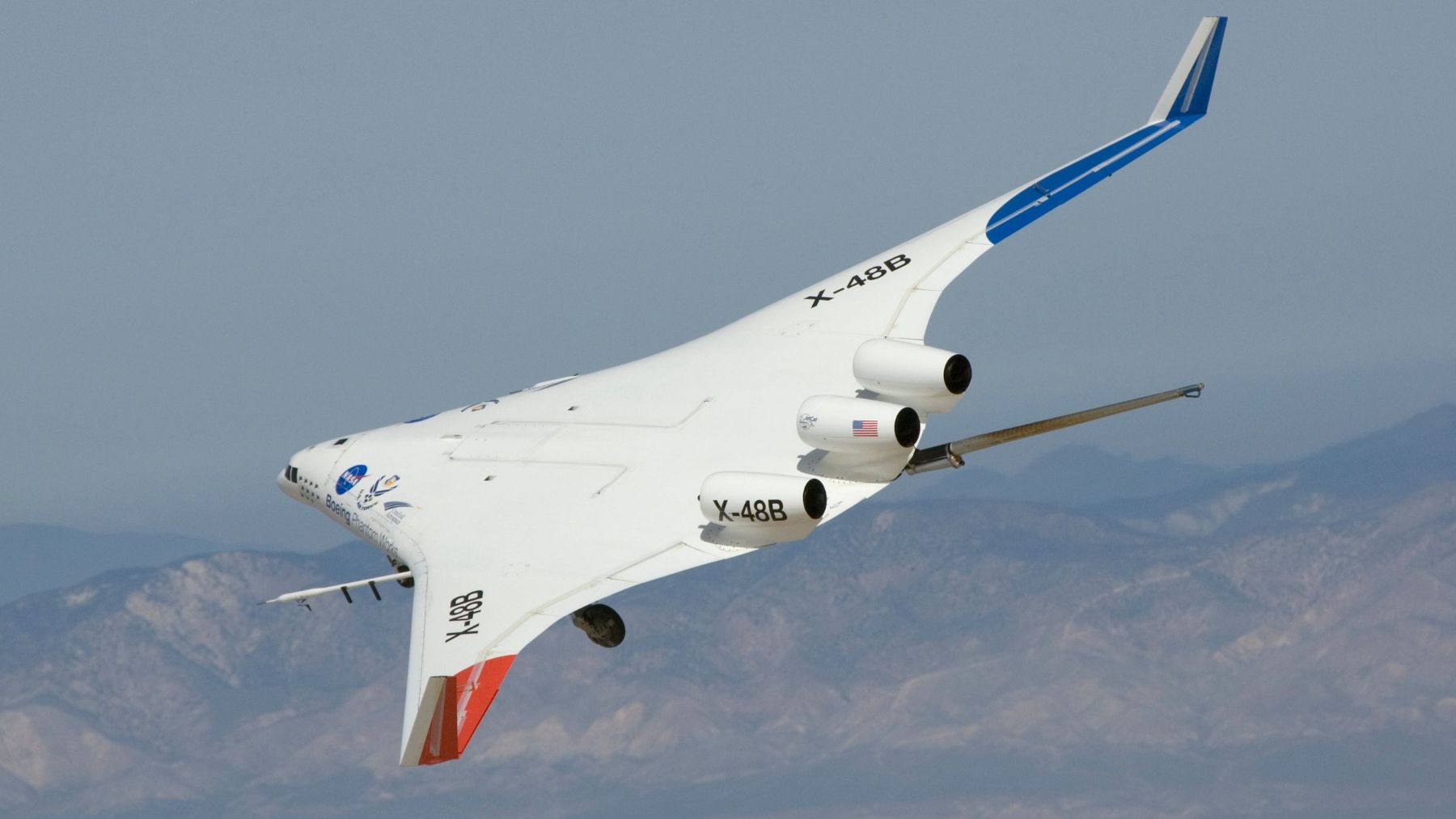
China has tested a flying wing built to carry more than 800 passengers with an 85-meter span wider than an A380, and the real obstacle is not the aircraft but the airports that would have to park it
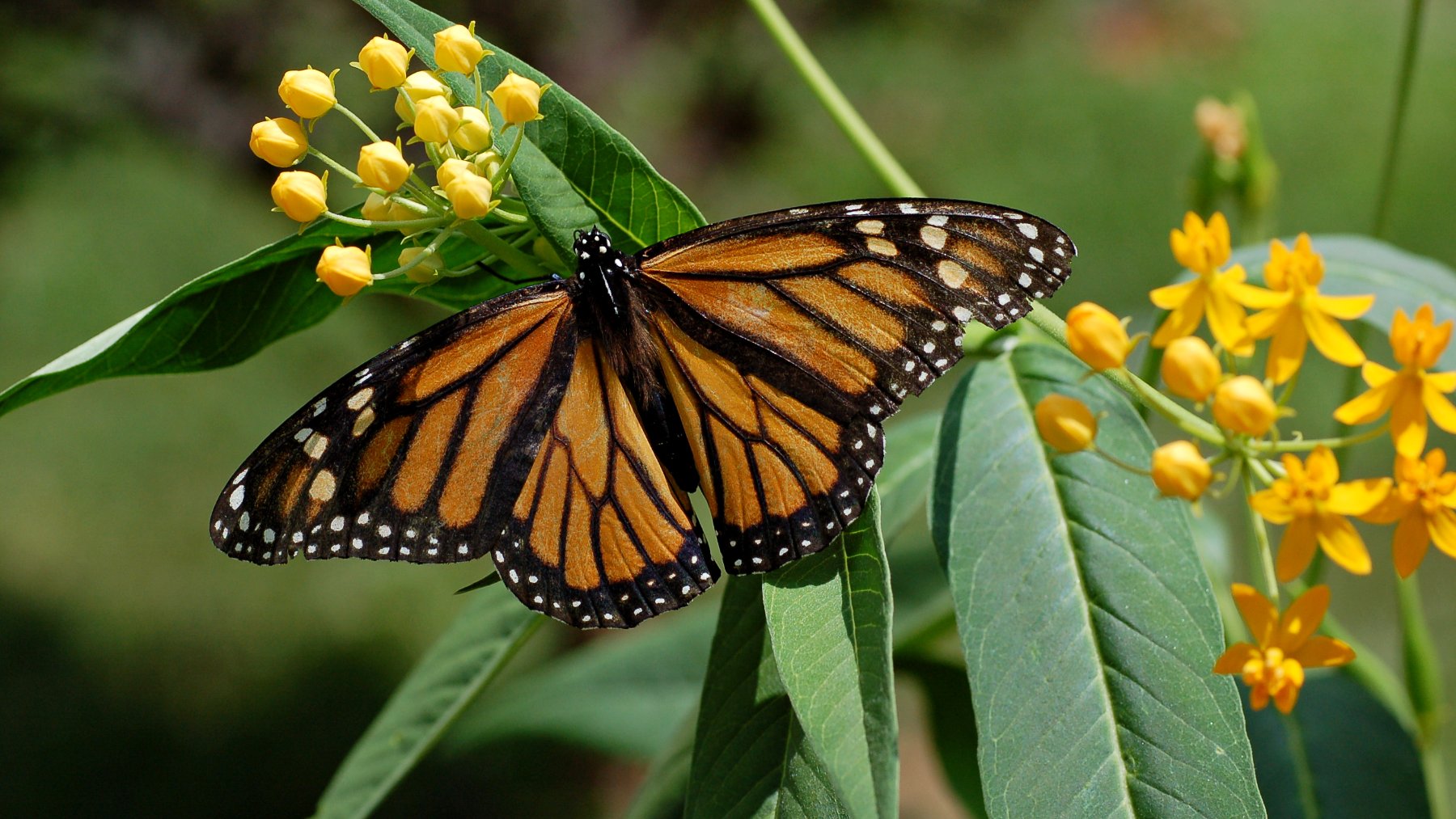
Florida researchers are planting up to 15,000 native milkweeds along North Florida roadsides through 2029, turning overlooked highway land into potential feeding and breeding habitat where monarch butterflies have already begun using the new plants
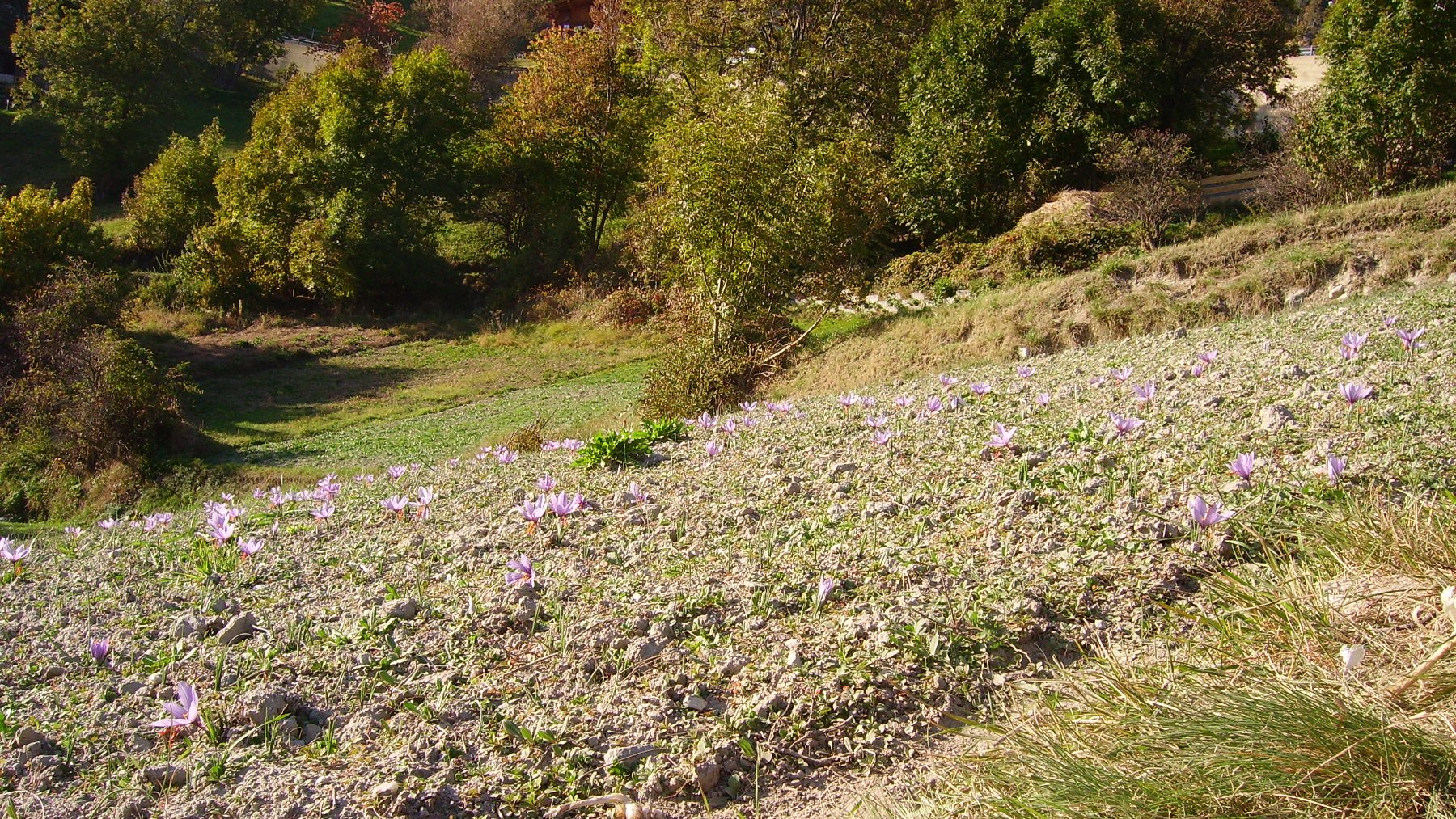
Colorado researchers grew saffron beneath semi-transparent rooftop solar panels and harvested twice as many flowers and twice as much dried spice as unshaded plots, with a five-year model projecting about $61,000 from electricity, saffron and new plants
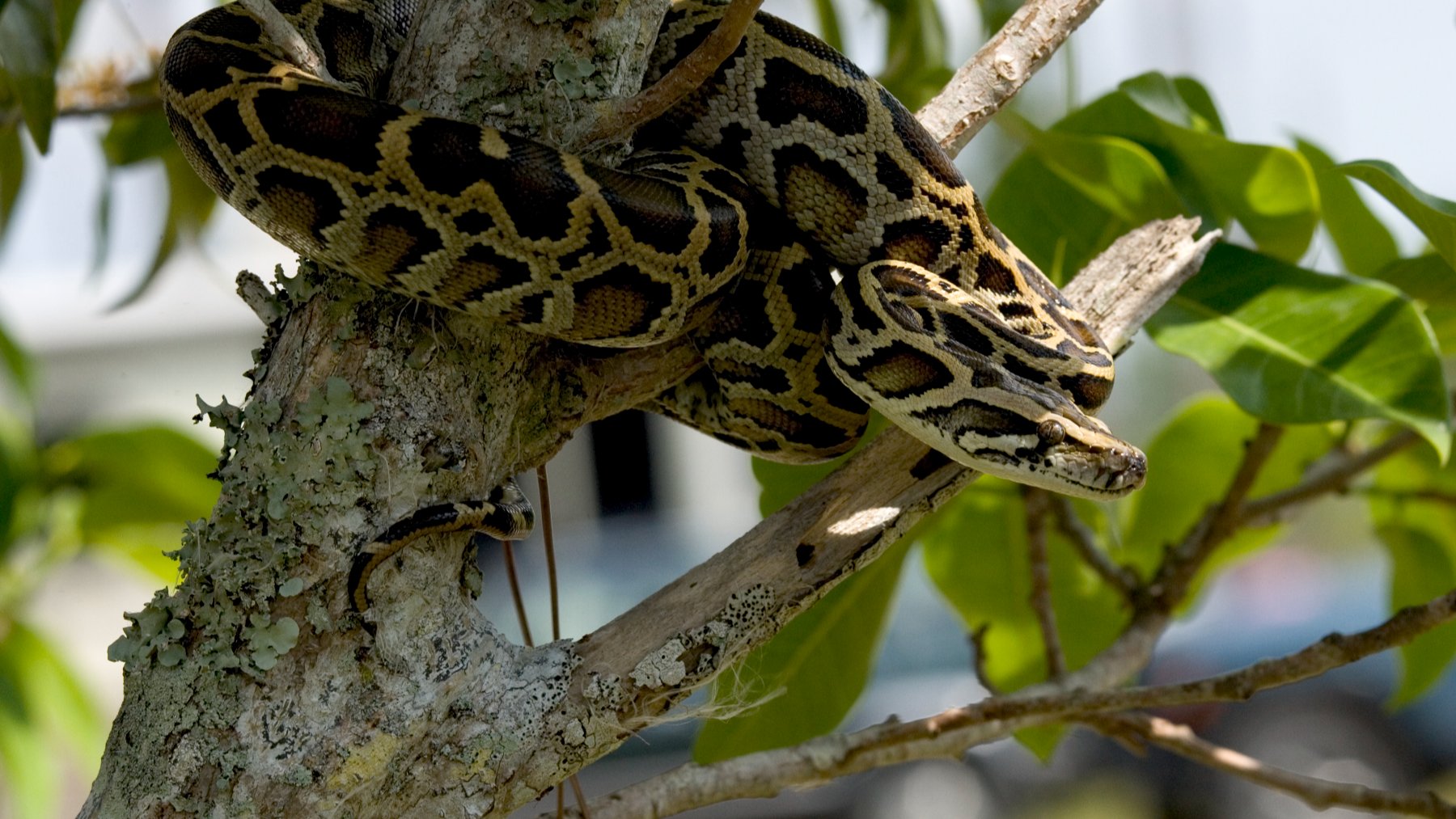
Biologists removed 177 Burmese pythons weighing more than 8,000 pounds from just 200 square miles of Florida, but the bigger blow may have been stopping roughly 4,100 eggs from hatching into another generation of invasive predators
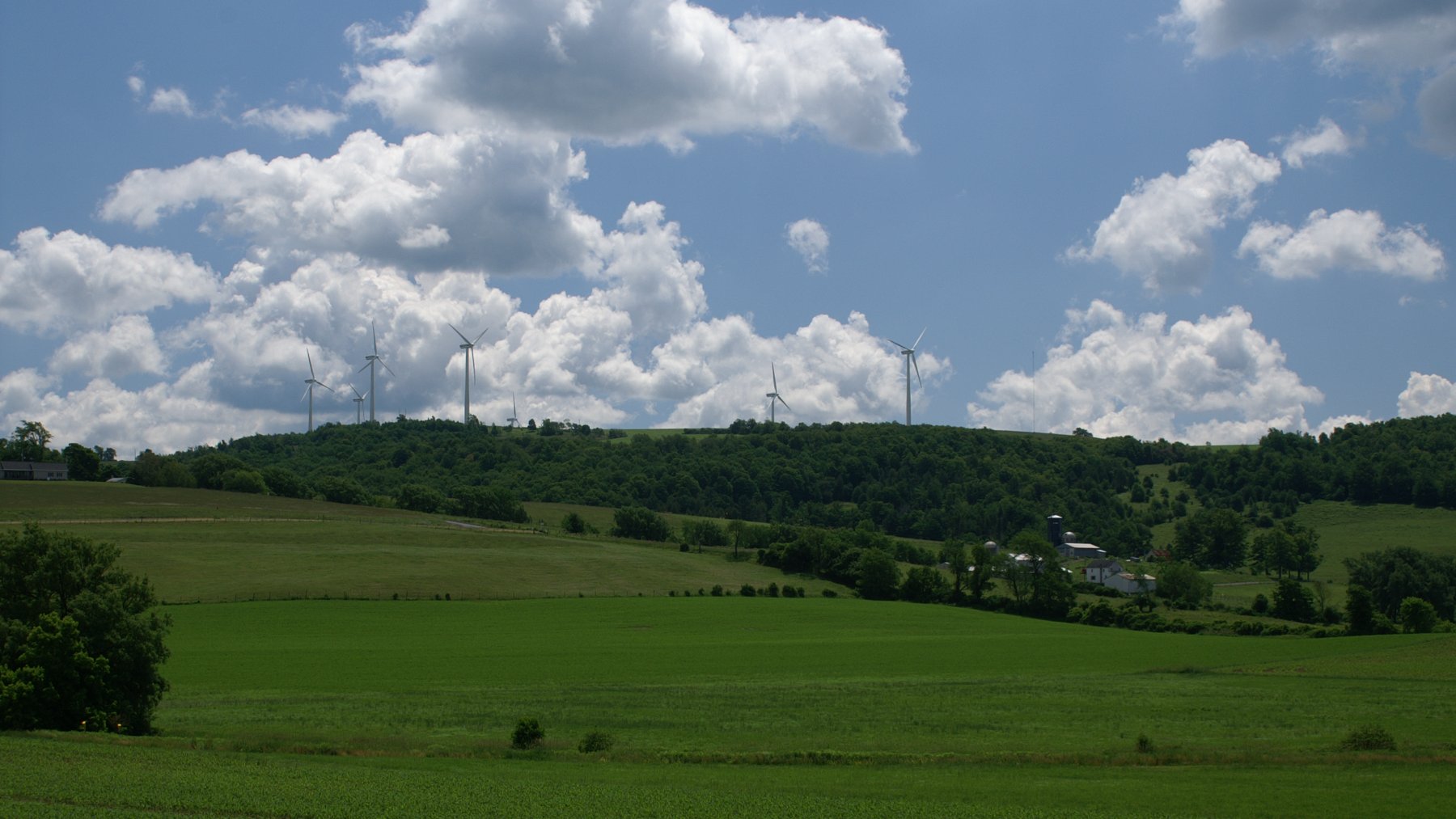
New York demolished all seven turbines at its pioneering Madison wind farm in just 30 seconds after 25 years of operation, but a proposed neighboring project with nearly seven times the capacity now has its grid-connection application listed as withdrawn
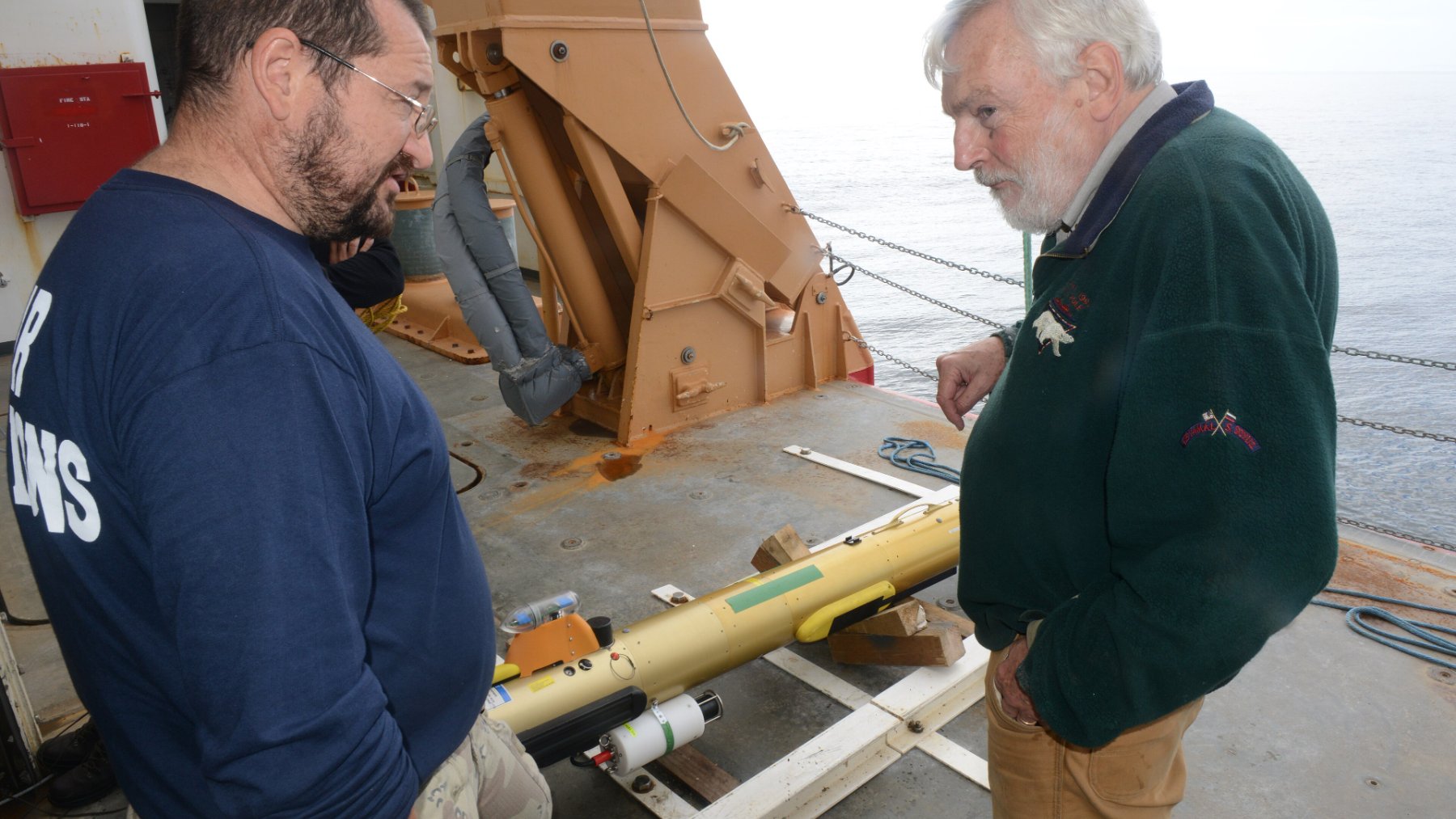
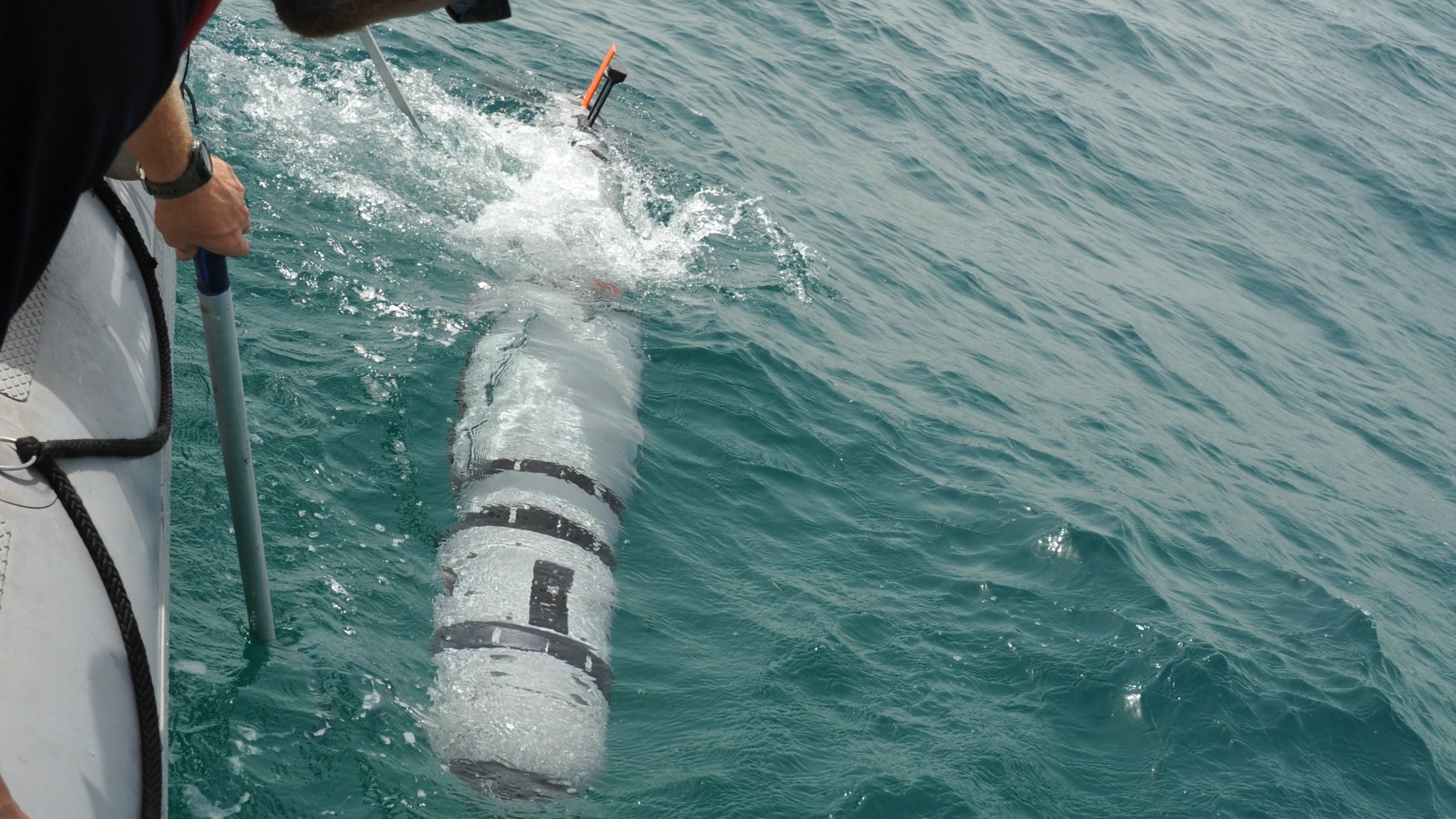
A 132-pound underwater robot surveyed North Sea drilling sites without a dedicated survey ship, and its developer says the system cut costs by up to 92% while producing detailed seabed maps in water more than 100 meters deep
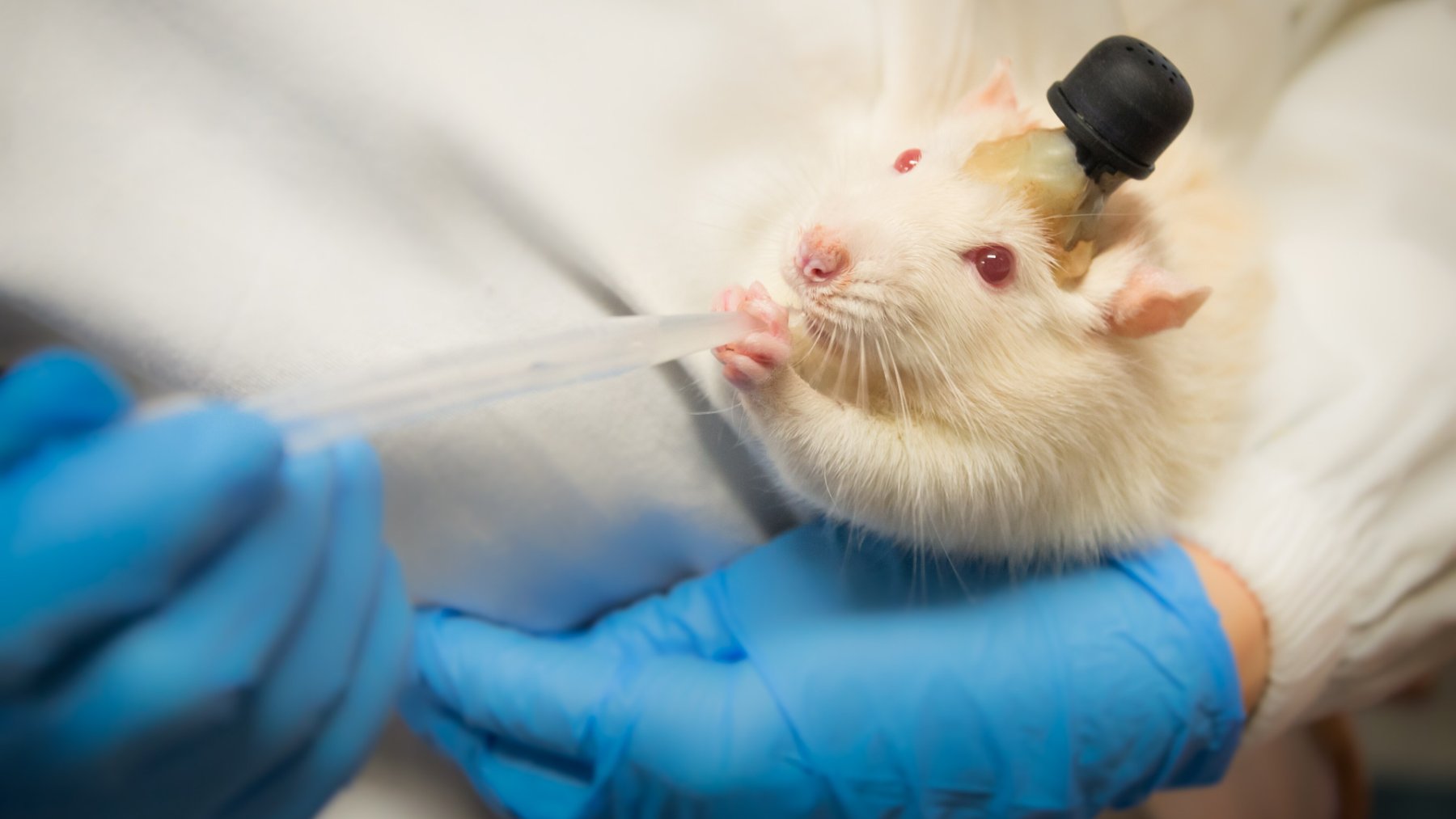
Scientists put rats through 10 weeks of treadmill exercise and found the nerve hubs controlling their hearts changed in opposite ways, with roughly four times as many neurons on the right while cells on the left grew nearly twice as large
A 12.75-inch underwater robot autonomously entered a submerged 21-inch torpedo-tube test fixture in New York and then backed itself out, a precision maneuver that could eventually let U.S. submarines launch and recover drones without sending divers into the water
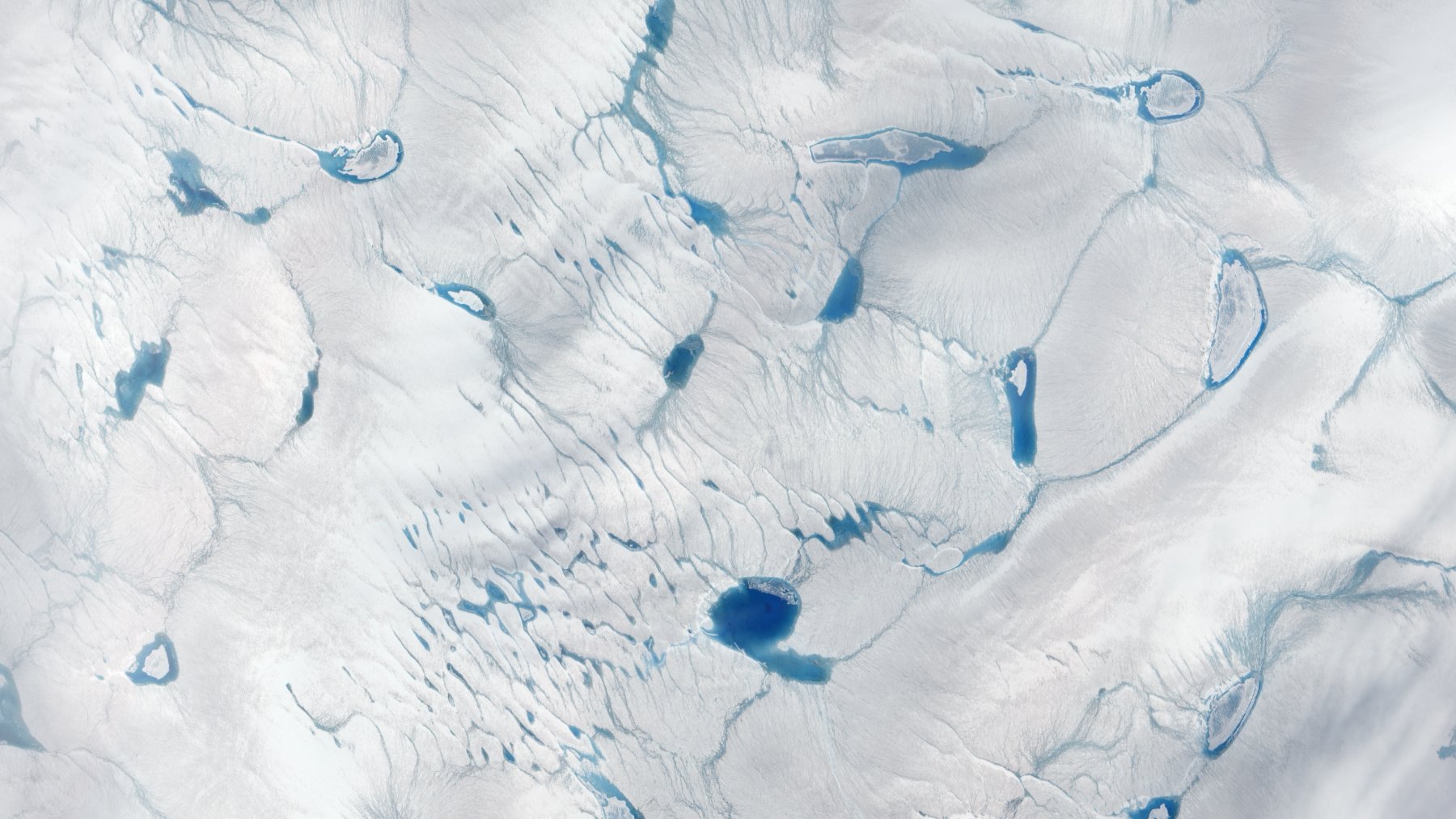
Greenland lost about 105 billion metric tons of ice in the year ending August 2025, its 29th consecutive year of net loss, while satellites captured vast gray patches where dust and soot darkened the surface and allowed it to absorb even more sunlight
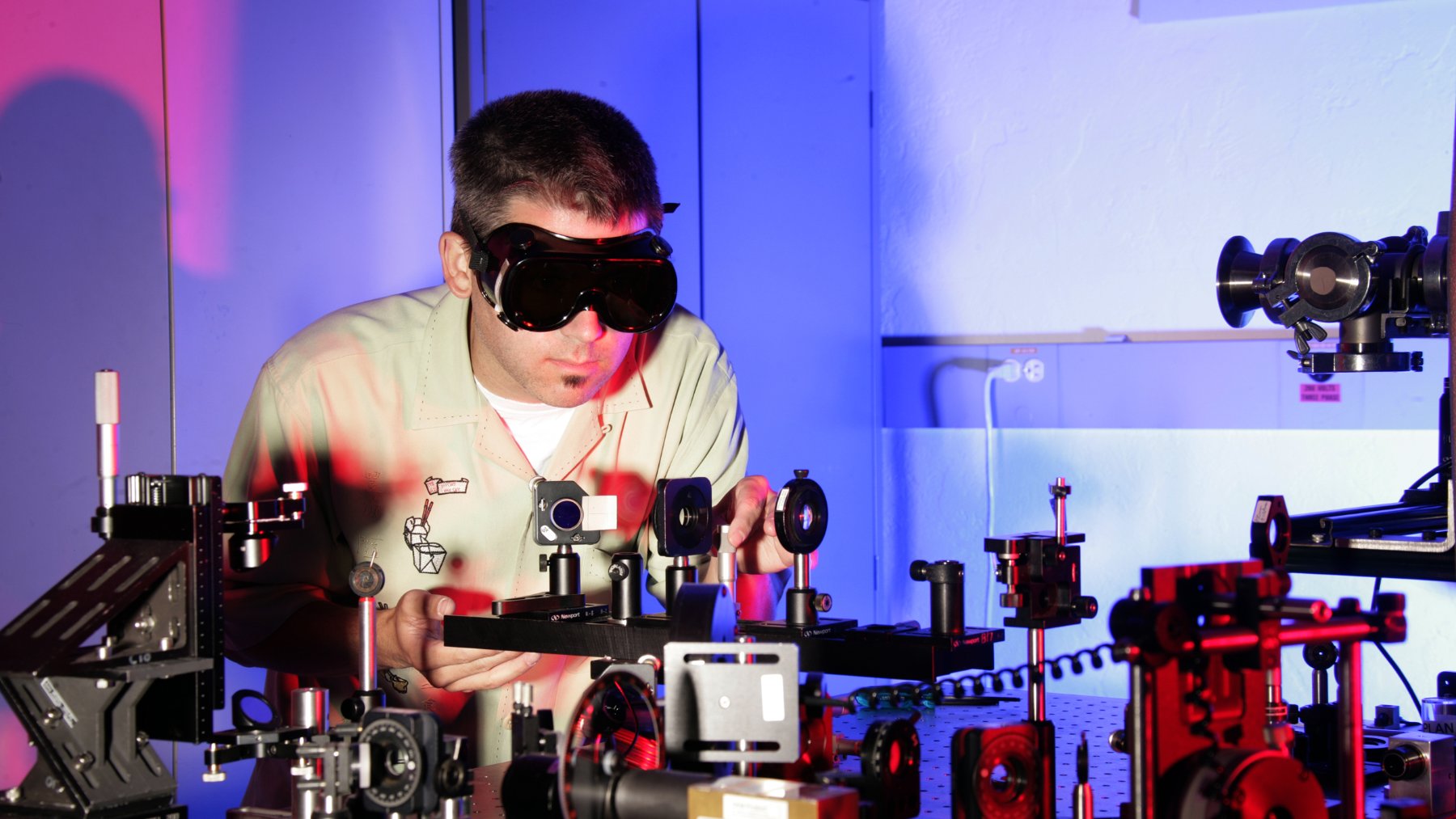
Scientists built the first all-optical photonic time crystal by making a material change its optical properties every trillionth of a second, and the strange experiment cut losses in light-and-electron oscillations by more than 50% while opening a possible path toward new terahertz lasers
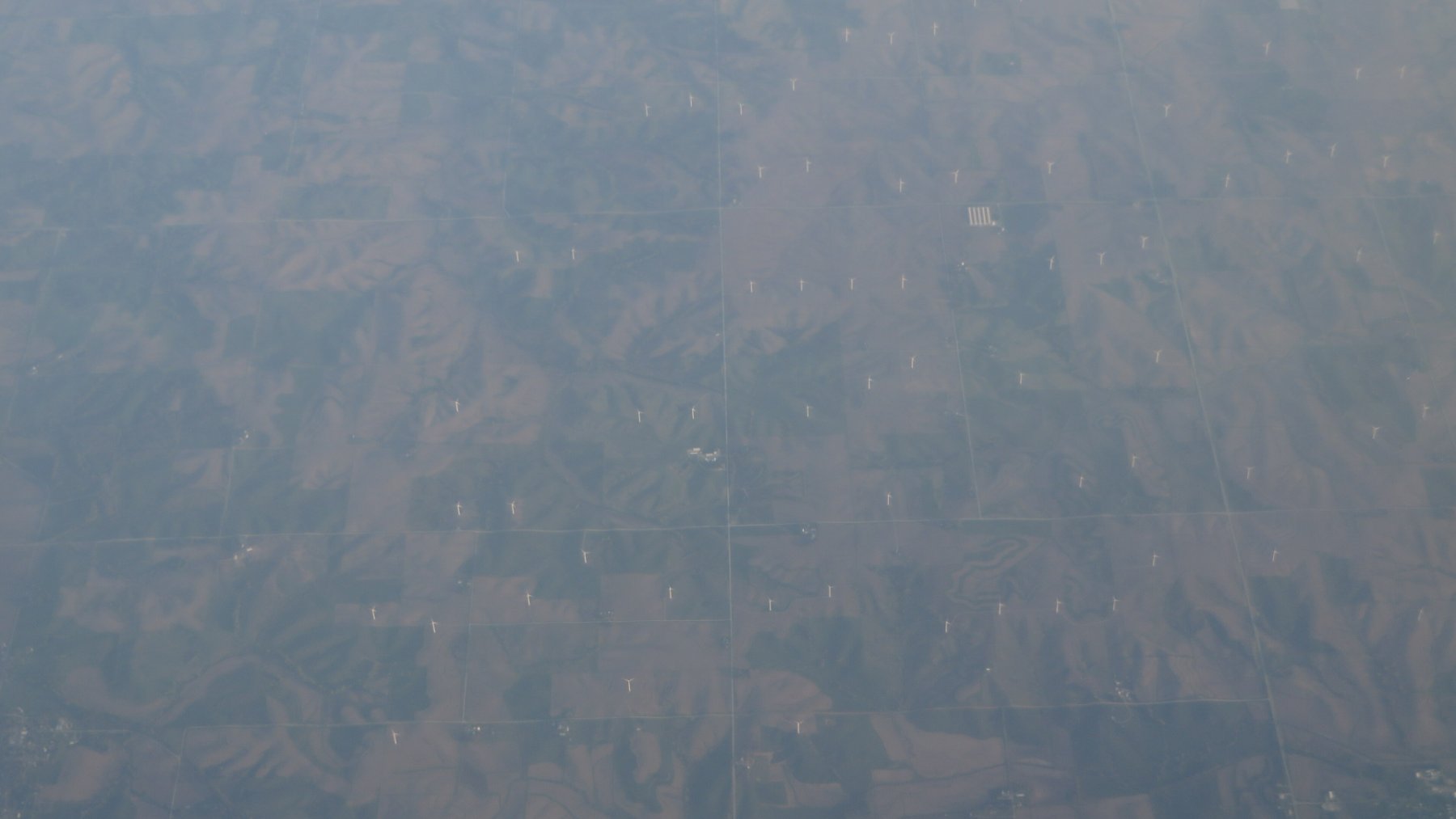
Researchers studied 200 wind turbines rising above Iowa corn and soybean fields for two summers and found they could cool the air by up to 0.75°C during the day and warm it by 1.5°C at night, but whether that actually produces more corn remains unanswered
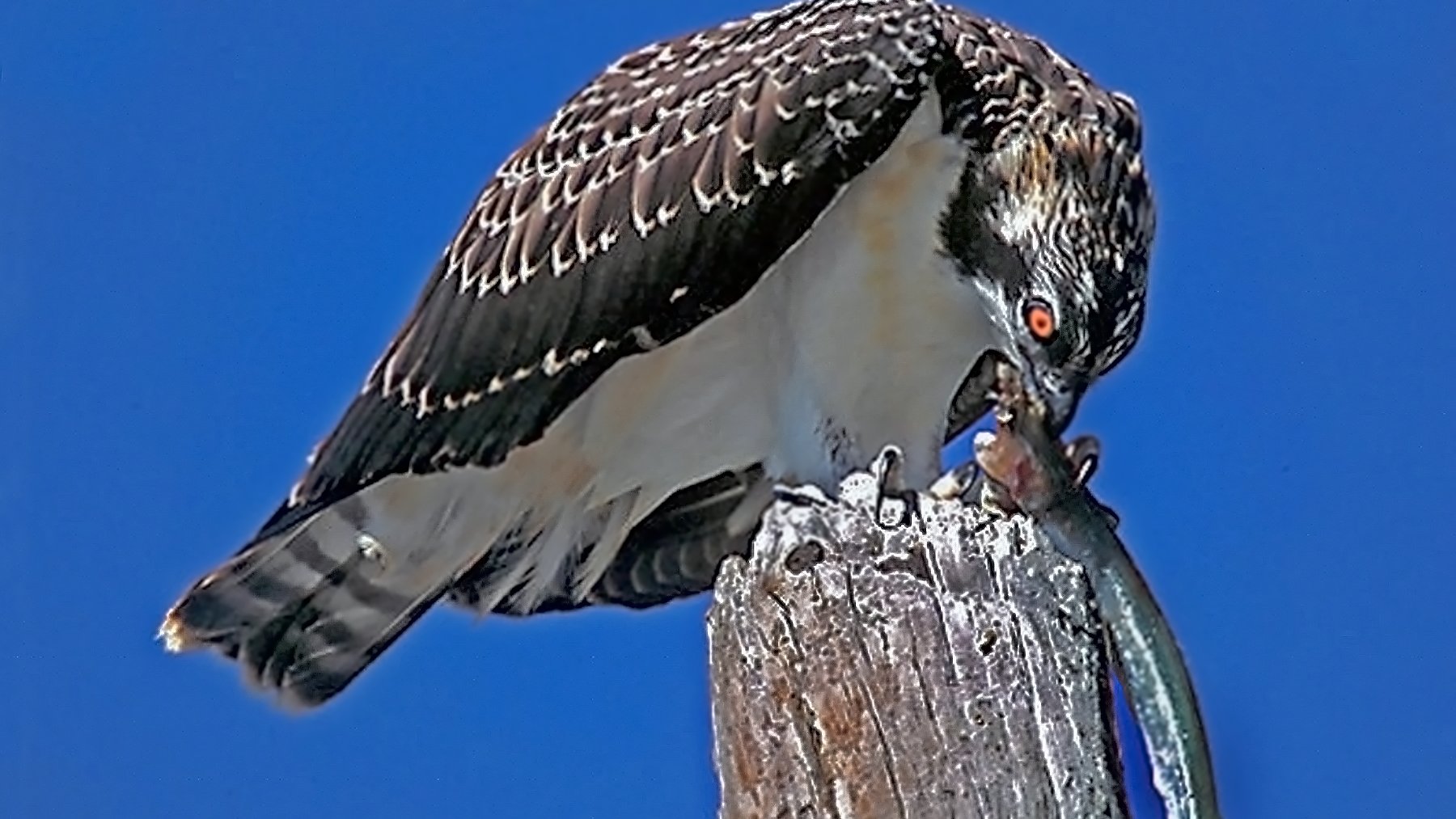
Rescuers found a young osprey stranded near the shoreline in New York after dark, and despite its four-foot wingspan the bird was still dependent on its family, so they sheltered it through bad weather before returning it to the beach a few days later
Singapore plans to plant 1 million additional trees by 2030, and research suggests well-placed shade could cut outdoor heat stress by 3°C to 5°C while models show trees may reduce summer air-conditioning energy use by 6% to 9% in humid cities
A 12-year-old Connecticut student combined algae with a natural mineral to explore a new way of reducing ocean acidification, and the experiment has now placed her among 10 finalists competing for a $25,000 prize in the 2026 3M Young Scientist Challenge
Pennsylvania once used salty oil-and-gas wastewater to control dust on rural roads, but researchers found brine averaging about 2,000 picocuries of radium per liter could perform no better than rainwater under dry conditions while sending radioactive contaminants into runoff
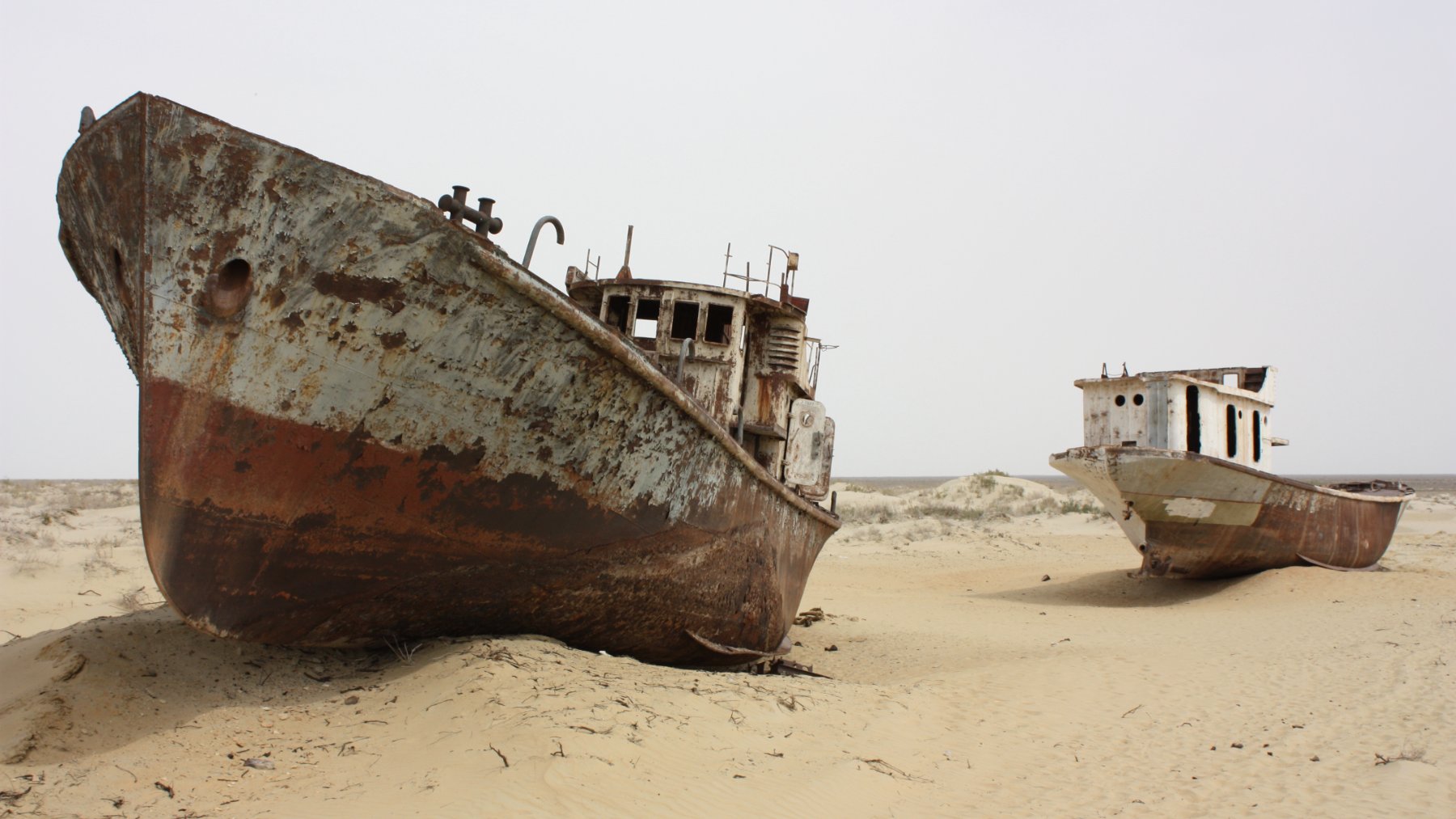
The Aral Sea was once the world’s fourth-largest lake, but after Soviet irrigation diverted its rivers, fishing boats were left stranded in a 23,000-square-mile desert while Kazakhstan revived part of the water and Uzbekistan planted 4.2 million acres of the exposed lakebed
A woman stopped beside a wooded road in Brazil after spotting two abandoned puppies, but as she approached more kept emerging until the rescue grew into an entire group that took three hours to save and had to squeeze into a refuge already caring for 164 animals