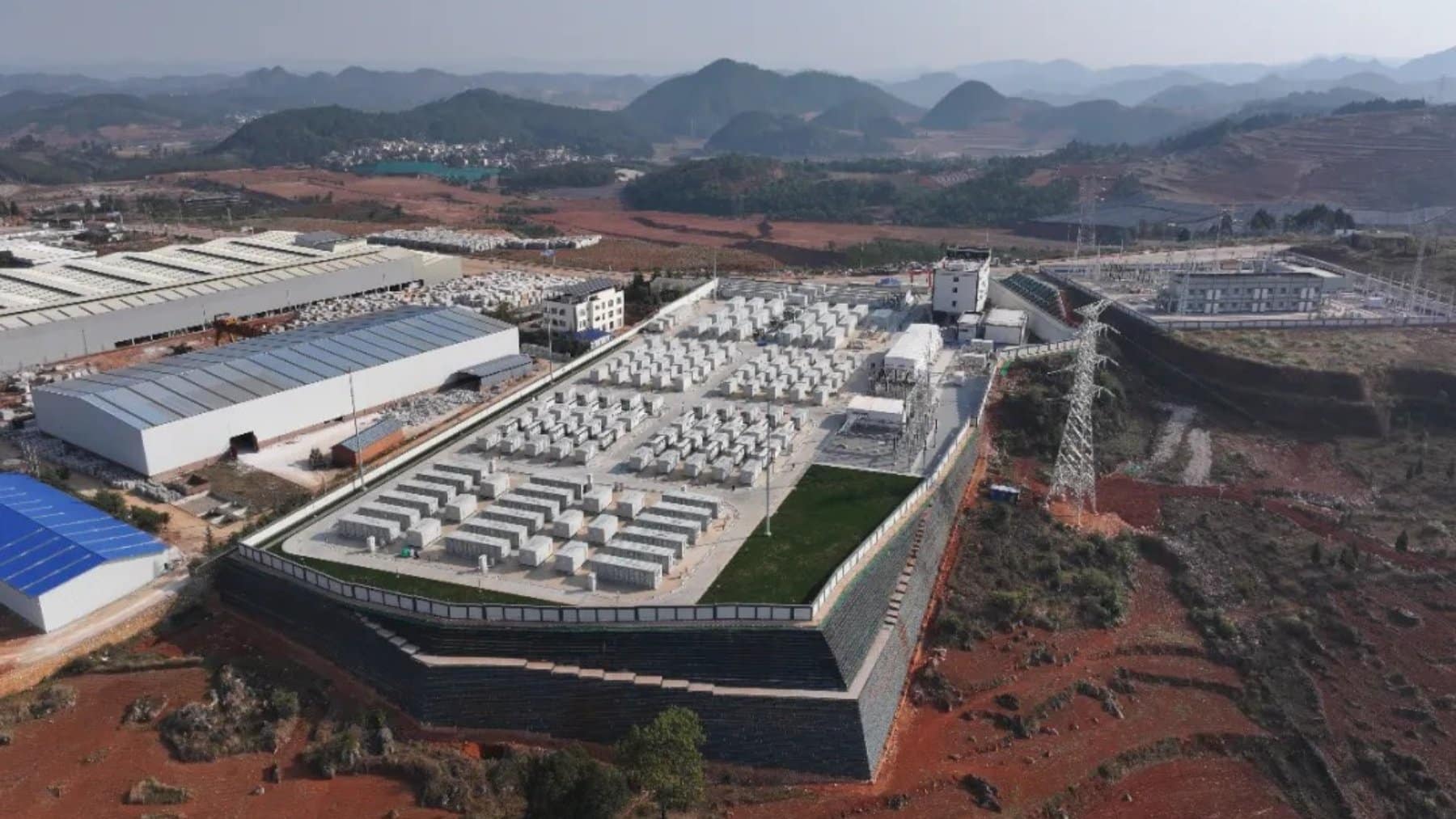
The search for innovative solutions in the energy storage sector is advancing at a rapid pace, with a growing focus on technologies capable of balancing the growing demand for renewable energy. However, a large part of this challenge lies in how to efficiently store energy generated by sources such as solar and wind. Beijing recently took a significant step forward by launching an energy storage station that promises to redefine how we approach large-scale storage. This project aims to not only improve storage capacity but also solve one of the biggest challenges in managing renewable energy sources: grid stability.
China bets on hybrid batteries
The Beijing energy storage station is not a conventional solution. The choice to integrate these two technologies arose from the need to maximize the efficiency and stability of the power grid, especially in regions like Yunnan Province, where renewable energy sources are predominant. The two technologies we are discussing are lithium and sodium, and the main advantages of this hybrid approach are:
- Combined use of lithium and sodium: Lithium batteries offer high energy density, while sodium batteries are more economical and abundant.
- Wide temperature range: The station can operate from -20°C to 45°C, allowing flexibility in different climate conditions.
- Longer lifespan: Hybrid batteries offer a longer lifespan, reducing maintenance and replacement costs.
- Fast response: Sodium batteries have a faster response time compared to lithium batteries, improving the ability to adjust in real time to energy demand.
- Sustainable solution: Sodium batteries use abundant materials, such as salt and seawater, making them less dependent on imported resources.
In other words, this technological combination makes the Baochi Energy Storage Station an effective solution for large-scale energy storage, especially in regions with high renewable energy penetration.
Storing the wind and sun: how hybrid batteries stabilize the grid
However, one of the main concerns with large-scale renewable energy use is production variability. Solar and wind power, for example, are not constant and can generate excess energy during periods of high production, placing significant pressure on the power grid. This is why this project stands out. By storing large amounts of energy and releasing it as needed, the station contributes to grid stabilization. Furthermore, its ability to perform up to two complete charge and discharge cycles per day allows energy to be quickly stored during peak renewable generation periods and released when demand increases.
Not stopping there, the station was designed to serve more than 30 renewable energy plants in Yunnan, a region where more than 70% of electricity comes from renewable sources (including a project converting 12 trillion liters of water into energy). In short, this lithium-sodium hybrid technology facilitates the integration of these energy sources into the electrical system, helping to ensure that intermittently generated electricity, such as solar and wind, is harnessed as efficiently as possible.
A new crossroad emerges: sodium power or nature itself?
We must keep in mind that the launch of the Baochi Energy Storage Station not only marks a major achievement for Beijing but also sets a new standard for the future of energy storage. This is because the combination of lithium and sodium technologies offers a more affordable solution that is less dependent on scarce resources like lithium.
The fact that sodium batteries can operate over a wider temperature range and have a longer lifespan makes them an attractive option for regions with extreme or rapidly changing climates. Of course, the path to mass global adoption may be long, but the advantages in terms of cost and sustainability are undeniable. Even with this quest in mind, China has created another type of battery, now for living beings…
Disclaimer: Our coverage of events affecting companies is purely informative and descriptive. Under no circumstances does it seek to promote an opinion or create a trend, nor can it be taken as investment advice or a recommendation of any kind.