The sun burns bright and hot, releasing massive amounts of energy every day. If people could harness the full power of the sun and turn its rays into electricity, there may be no need to burn fossil fuels ever again. The California Institute of Technology (Caltech) has been developing a project to help humanity achieve this seemingly impossible feat. Caltech’s Space Solar Power Demonstrator (SSPD) successfully transmitted the sun’s rays from space to Earth in 2023, a breakthrough that could change the future for renewable energy.
Solar panels on Earth are not as reliable as they need to be, and putting them in space could solve the problem
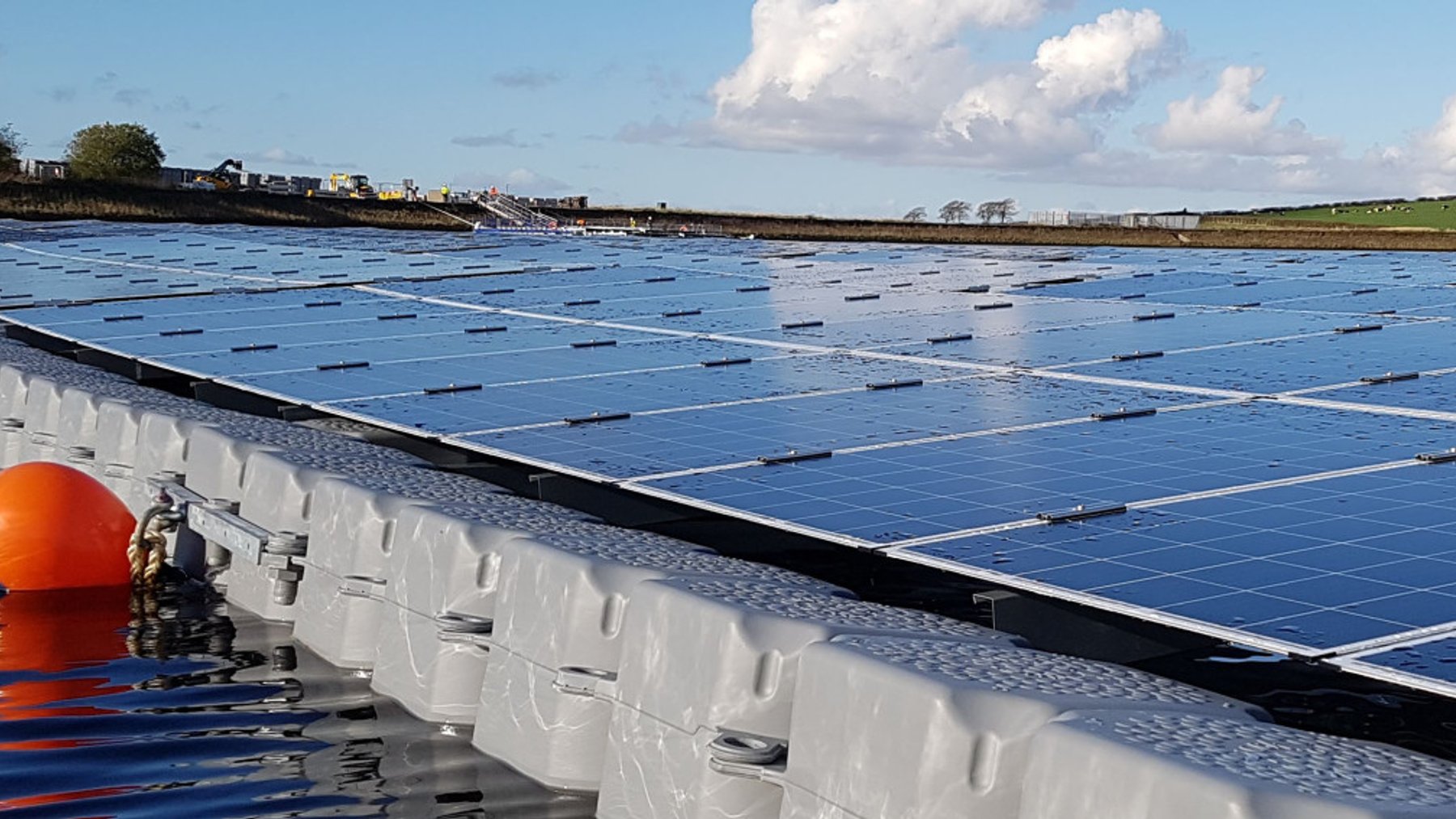
Solar power is a source of renewable energy, and solar panels are already used in many areas of the world. However, traditional solar panels are not very efficient as they can only transform 8-15% of the sun’s rays into electricity. Other factors impact solar panel performance as well, including:
- Time of day
- Quality of sunlight
- Angle of solar panel
- Outdoor temperature
- Season and weather
As environmentally friendly as solar panels are, they are limited by many things, including the fact that the Earth rotates away from the sun for some part of the day. Putting solar panels in space would solve this problem because the space panels can always absorb sunlight. Weather and climate would become non-issues as well because there is no atmosphere in space.
After twelve years in development, the first space solar ray collector has beamed the sun’s energy to Earth
For decades, scientists wondered how they could put solar panels in space and send electricity to Earth. Around 2011, Philanthropist Donald Bren visited Caltech and offered to fund a space solar power research project. The research project continued for twelve years, and in 2023, Caltech successfully tested their equipment and transferred solar energy collected in space to Earth.
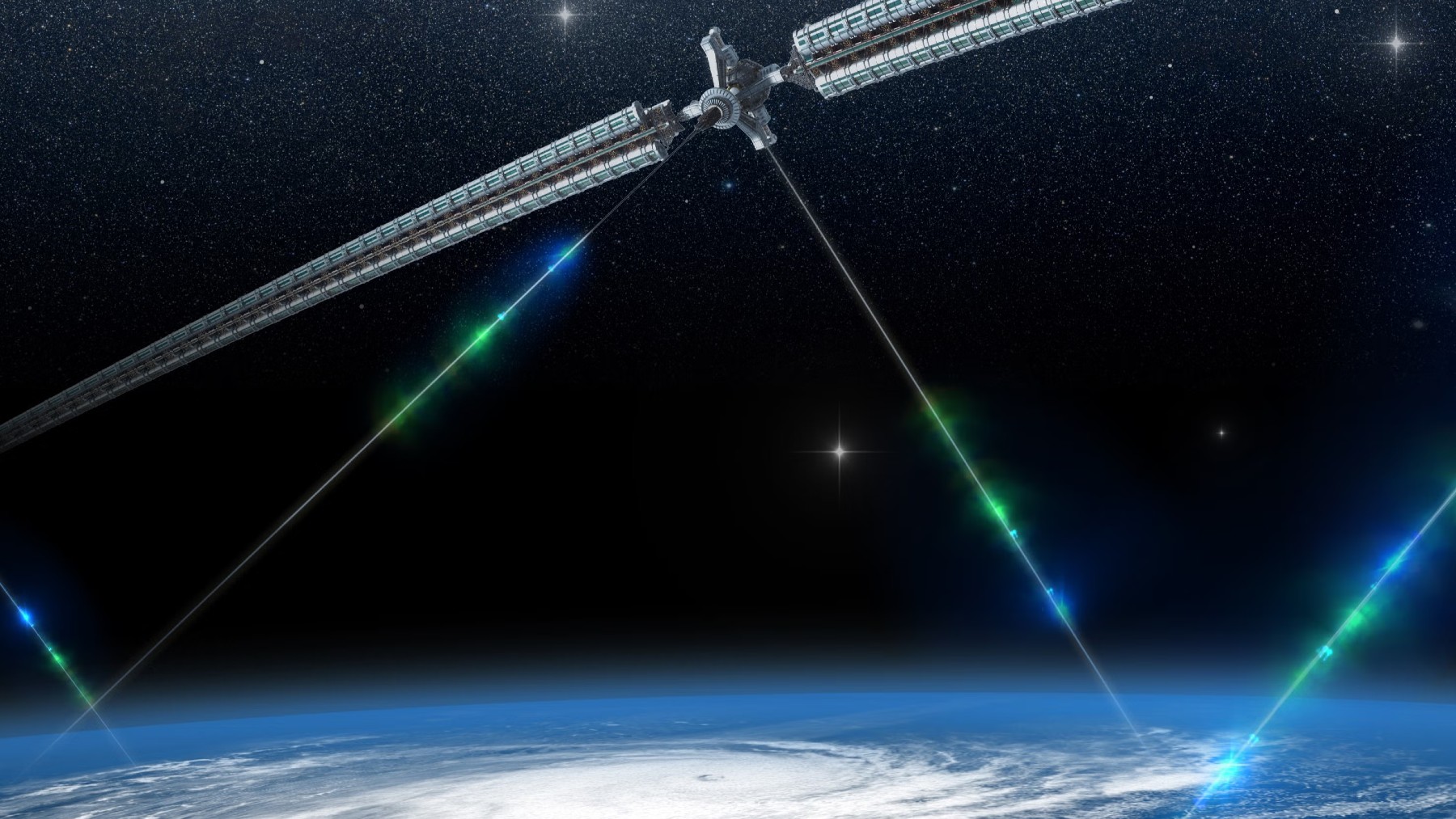
Placing solar panels on satellites in space was not the difficult part of the SSPD project. The biggest challenge was developing technology to send solar energy to Earth. The transmission has to be wireless because using cables or other materials to send electric current would have been too costly and impractical.
The Caltech team designed a new technology called Microwave Array for Power-transfer Low-orbit Experiment (MAPLE) to send energy to the Earth. MAPLE uses a flexible, lightweight array of microwave power transmitters to send energy wirelessly, and it’s one of three core technologies that allowed the SSPD to achieve its mission.
This breakthrough in wireless energy transfer could allow companies to transmit solar energy to Earth 24/7
Caltech’s SSPD achievement could change the landscape of the solar energy industry. With the ability to send solar energy from space to Earth using wireless technology, the world could embrace these impressive benefits:
- Consistent and reliable power supply even in disaster-prone areas
- Significantly higher solar energy absorption
- Global reach for buying power in any remote area
- Increased energy security and stability
- Conserving land on Earth for other uses
There are still challenges ahead to make this technology work in the long term. The current way that people have access to electricity is through a grid system. Caltech hasn’t provided an answer for how machines like the SSPD can send electricity directly to existing electric grids, but the institute is working to figure it out.
There are so many reasons to use space solar panels to gather rays from the sun and transmit energy to Earth. The benefits are vast and could help stop the climate crisis in its tracks. That’s why other countries are working on similar projects, including Japan and China. Caltech’s successful test has no doubt inspired these countries and others to invest in space solar projects.