The automotive industry continues to focus on EVs, although more and more brands are opting for other alternatives. One of them has just left electricity in the background to bet on a fuel as futuristic as its new engines. Do you know which one we are talking about? It is one that is produced in the air, in rocks, in water and even under the ground.
New fuel efficiency boosted, but not with gas or electricity
The gas prices are soaring and the climate change is accelerating, thus the necessity for the more fuel efficient transportation is growing bigger and bigger. In this century, internal combustion engines have been the main player in the auto industry, however, their days may be numbered.
The automobile industry has made some amazing inventions in fuel technology which will significantly increase the mileage and at the same time will decrease the emission. This article will give a detailed description of the latest engines that are geared towards the dream of that goal.
BMW revealed a hydrogen-fuelled car which can beat Tesla’s electric vehicles in speed. Other ideas are based on the use of fuels other than those commonly used such as ammonia and microwaves. It is the time of the new age of fuel efficiency.
More than 20 years investing on hydrogen engines: what BMW has done
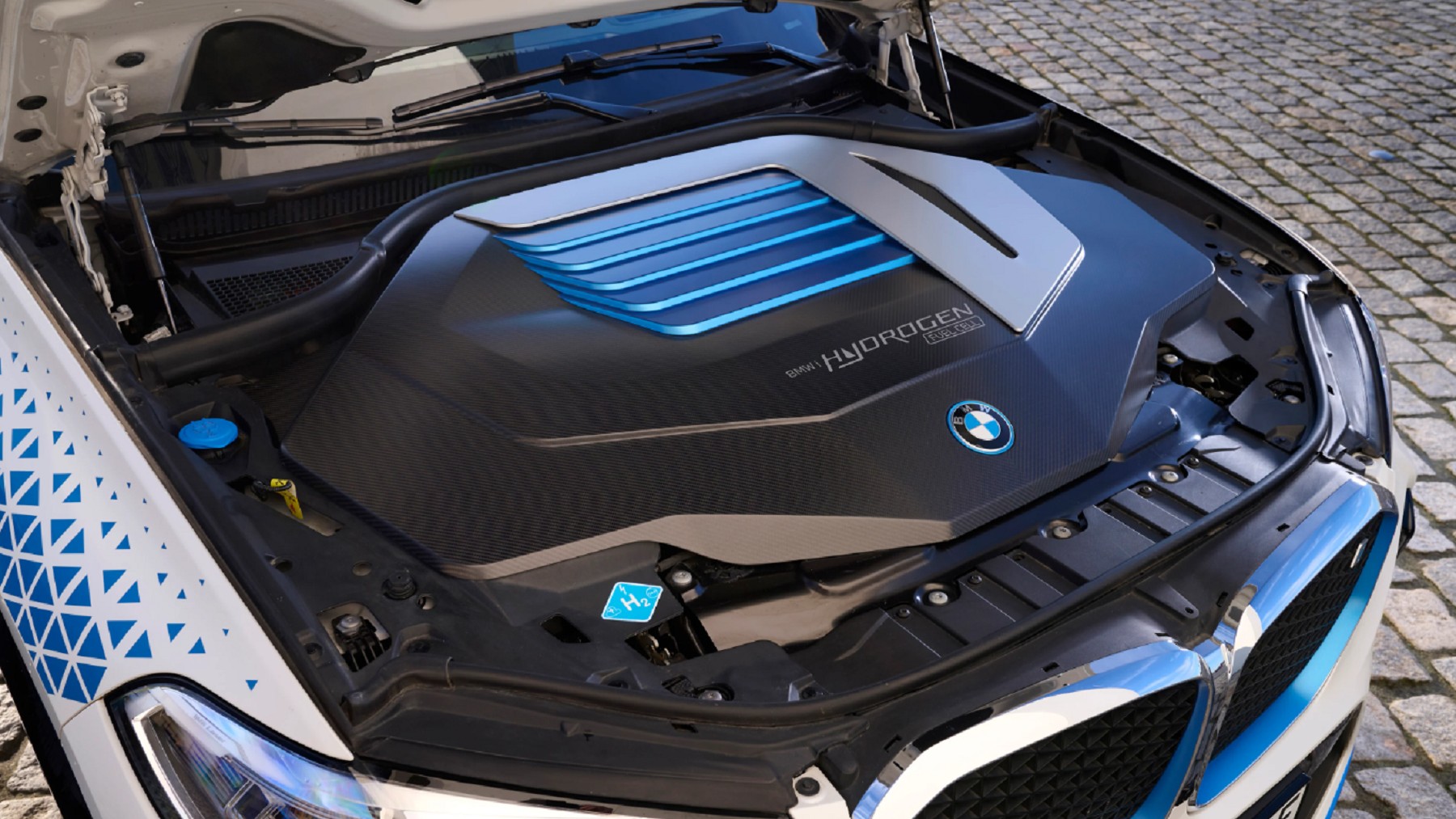
Bringing the electro-hybrid drivetrain project back, BMW introduced its H2R hydrogen-powered engine concept in 2005. The engine is a modified version of BMW’s 6-liter V12 engine which is now used to run on liquid hydrogen.
The H2R engine represents the vision of the future where hydrogen will be used to achieving the maximum fuel efficiency. During the tests, the H2R achieved the fuel consumption of less than 200 litres per 100 km. This is a fuel efficiency that is more than three times higher than the gasoline-powered engine.
The hydrogen’s properties as an energy carrier are the source of its high efficiency. In the engine, hydrogen and oxygen combine and the chemical reaction gives out energy and water is the only emission. The BMW’s engineers successfully optimized the engine’s combustion process.
Unlike the electric cars which have to use heavy batteries, the H2R keeps hydrogen fuel in a lightweight, insulated tank. This lets the car to have a long driving range like the gasoline car. The process of refueling is also fast and the entire process takes only a few minutes.
Why gas and electricity have not been a good option for BMW
The internal combustion engines nowadays have achieved much in terms of fuel efficiency in the past decades, although they still waste over two-thirds of the energy in gasoline. Classical gas engines will probably be limited to a certain level of efficiency improvements because of the existing obstacles, such as heat-loss.
Although electric cars are the solution of the problems caused by gas engines, they have also their own disadvantages. The weight and range of the EV batteries limit the design such as the EV car and the driving range between the charges.
Although, with the fast charging technology, most EVs still take more than 20 minutes to become 80% charged. This is the reason why long road trips are now very inconvenient and at the same time the battery capacity of the vehicle becomes very large which reduces the overall energy efficiency.
As you can see, these new hydrogen engines will multiply the thermal efficiency of fuels and, above all, reduce dependence on the most polluting ones. The key is to continue the line that manufacturers such as Stellantis are opening, which involves increasing large-scale production and continuing mass marketing, for which they have found partners such as Hyundai.