Electric cars and trucks are quickly becoming the world’s preferred vehicle by providing a more efficient, eco-friendly, and less noisy way of transportation. However, what has drawn controversies among potential consumers and critics and remains is the issue of battery replacement costs. Is anyone actually making money on battery replacements for electric vehicles, or is the cost still negative in the future? What are the real numbers, and what do the projections indicate?
Shocking costs of EV battery replacement today: Are they too high to justify?
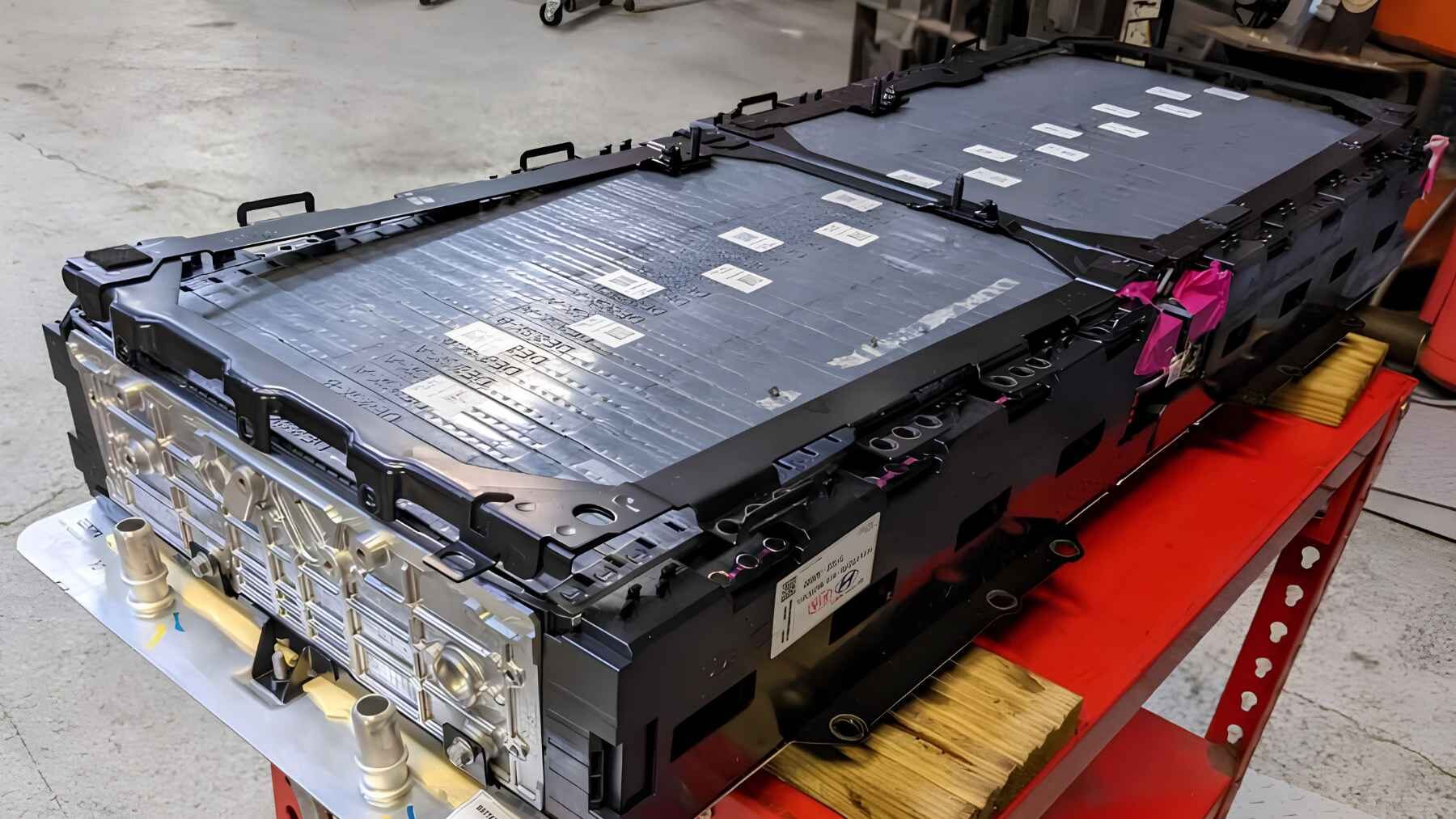
An EV battery is not cheap to change; it might set you back $20,000, significantly higher than replacing a conventional IC engine, which only costs about $10,000 at most. The incredibly large gap in price for a used model versus an EV often discourages even those interested in purchasing an EV. Today the average price of a used EV stands at $15000, while having to spend $12000 on battery replacement makes it easier to justify the purchase of a new car.
However, the story has begun to turn despite these costs being indisputably high today. Current evidence indicates that factors such as technological enhancement and the cost of depletion of materials are pointers.
Industry analysts expect the cost of EV battery replacements could drop as early as 2030. Rising, an electric vehicle consumer information provider, expects a massive EV battery pack to reach between $5,000 by the end of the decade. An informatics standard may need as little as $3,375 – 30% of the replacement costs in the previous year.
Major breakthroughs: Battery replacement costs expected to drop by 2030
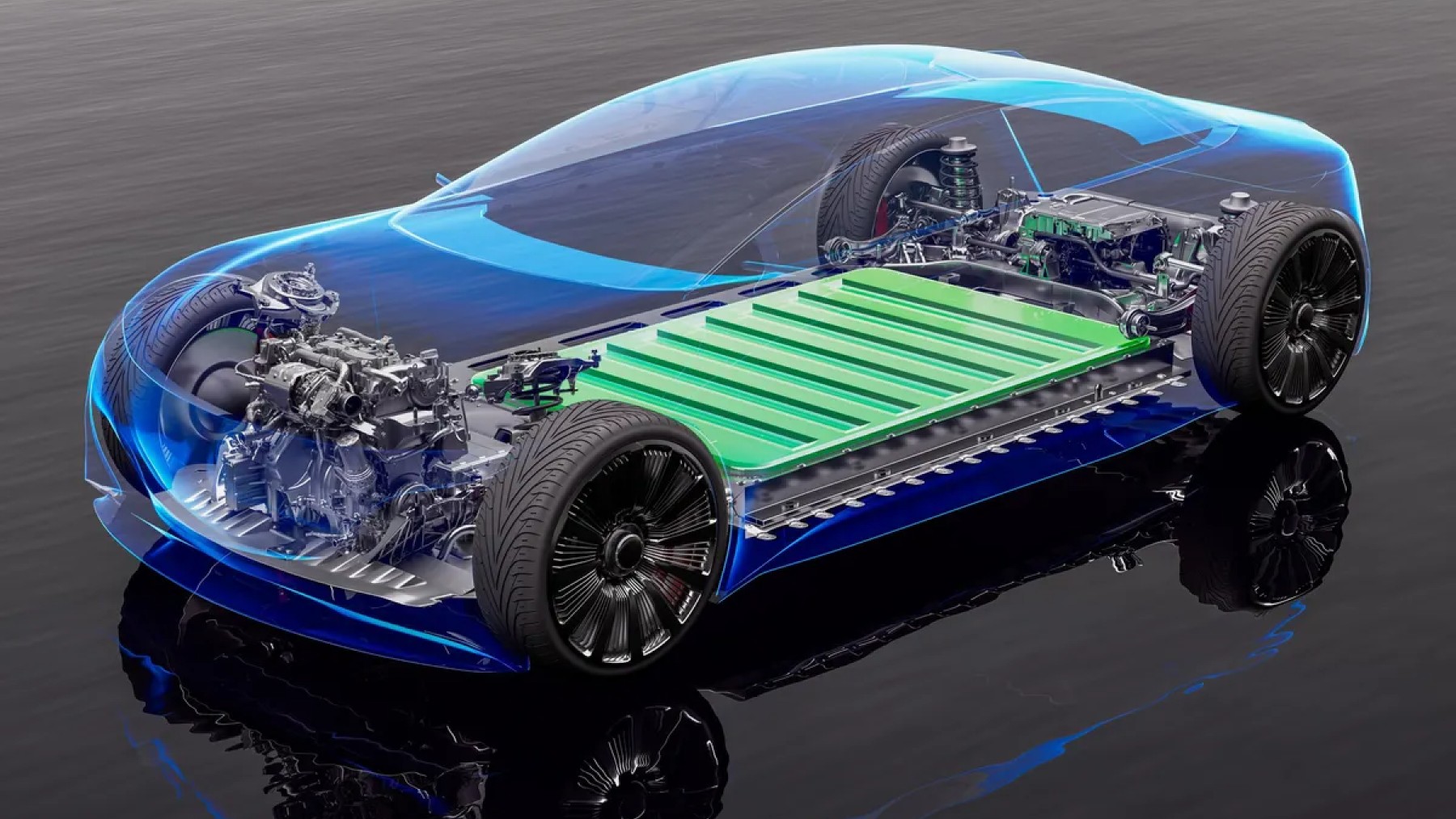
This optimism is due to the ongoing reduction of pricing on materials such as lithium and cobalt, which comprise well over half of the battery’s component expenses. Industrial giants like Goldman Sachs and RMI estimated that battery prices will reach $80/kWh within 2026 and may come down to $32/kWh within 2030. The present cost values range within the $100-$120 per kWh.
As already indicated by research studies concerning battery replacement expenses, EV ownership is likely to become even more affordable. This change could dramatically affect the market for used cars primarily because customers have always hesitated to purchase these cars due to the impending battery costs. These worries may be alleviated by lower replacement costs or other factors where used EVs should become more practical and affordable to a wider public.
All the same, this development also holds great potential for automakers. Declining battery costs should encourage the consumption of electric cars, thus enabling manufacturers to recover their heavy investments in EVs. On the other hand, consumers are likely to benefit from low ownership costs over the lifespan of the machines, closing the gap between fully electric vehicles and those powered by combustion engines.
Looking ahead: Why EVs are becoming a smarter long-term investment
While today’s EV battery replacement costs may seem prohibitive, the industry is evolving rapidly. Battery prices are dropping, technologies are improving, and supply chains are becoming more efficient. By 2030, replacing an EV battery could cost less than repairing a gas-powered engine, shattering one of the main arguments against electric vehicles.
This transition represents more than just a cost shift—it’s a step toward widespread EV adoption, greater environmental sustainability, and more affordable mobility for consumers. So, while the initial investment in an EV may feel like “losing money” now, the future of battery technology is bright, promising savings that could redefine the value of going electric.
Therefore, let me state that even though the current level of EV battery replacement costs is significantly high, the future for electric car owners and the entire industry appears to be brighter. Costs associated with batteries are expected to fall by more than half by 2030 due to developments in technology, reduced costs of materials used in the production of batteries, and improved manufacturing processes.