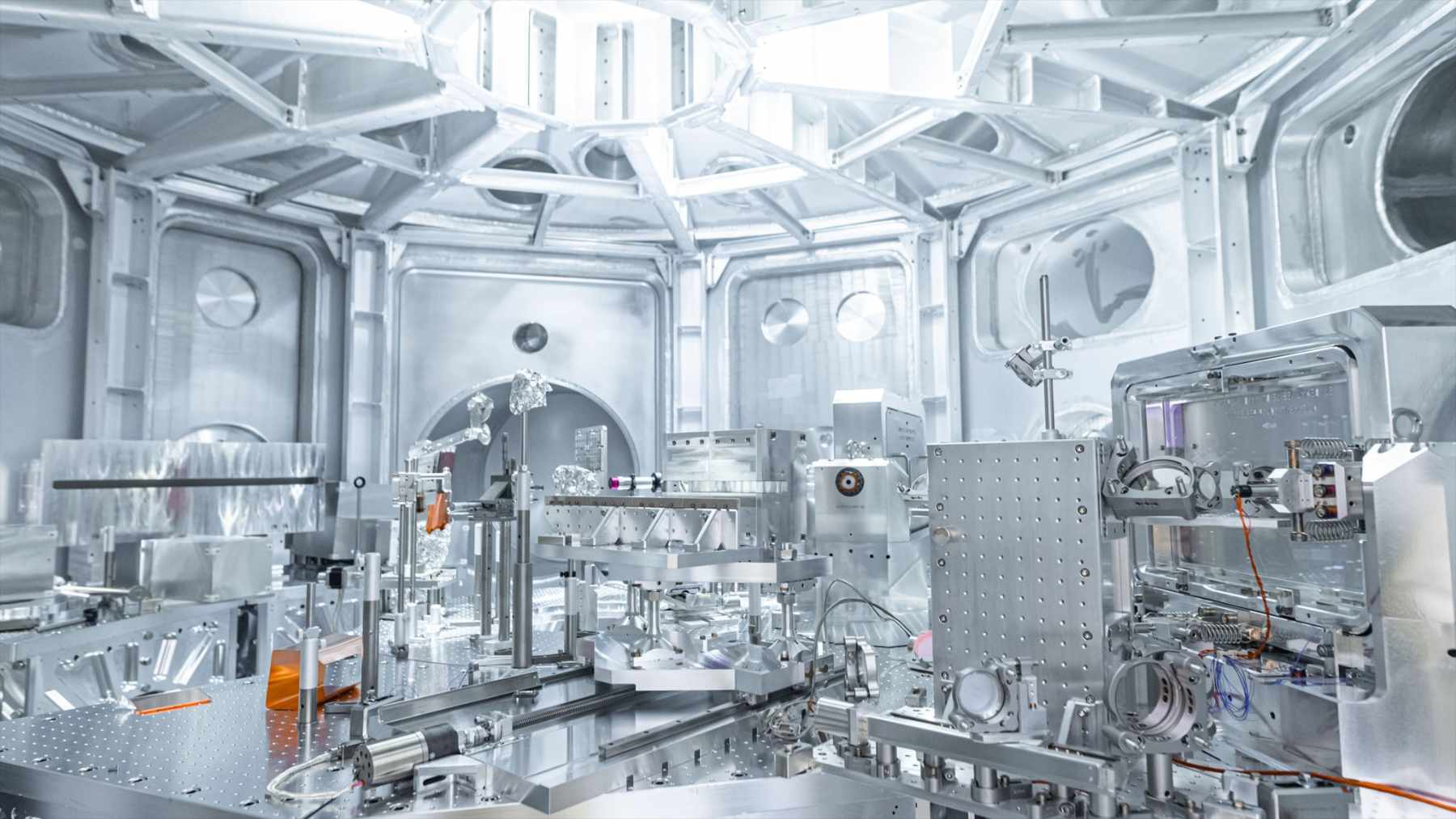
A new chapter in solar energy has been revealed and that too with the unveiling of the world’s first diamond solar cell. Being extremely powerful and bright, this is a breakthrough that could redefine the very essence of how we capture and convert sunlight into electricity. While the world of photovoltaics is dominated by silicon and perovskite, photovoltaics is welcoming synthetic diamonds too. While diamonds are well-known for shining brightly in jewelry, diamond’s entry into the solar energy realm marks an amalgamation of beauty, power, and innovation that has never been seen before thus making it the first diamond solar cell that has been unveiled in history.
More details about diamond solar panels
Diamond solar panels are considered to be advanced photovoltaic technology which substitutes traditional silicon with layers of synthetic diamond, fabricated through a process called chemical vapor deposition (CVD). As per this method, a carbon-hydrogen gas mixture—generally composed of methane and atmospheric CO₂—is introduced into a vacuum chamber. The amalgamation receives further energy through microwaves, heat, or plasma, causing the hydrocarbon molecules to break making the carbon atoms deposit as a thin diamond film on a substrate such as metal or silicon.
The final product is a man-made diamond layer that can convert sunlight into electricity. In turning sunlight into energy, the diamond layer does so with increased efficiency. As opposed to traditional panels that degrade over time due to heat, diamond-coated cells maintain optimal performance all thanks to their superior thermal and optical properties.
Understanding the science behind the sparkle
Albeit a rather unusual choice for a solar panel material, diamond’s extraordinary physical properties make it the ideal candidate for solar panels. Diamond does have the highest thermal conductivity of any known material and is as such effective at dissipating heat. This capability of diamond prevents overheating, which is a core factor that leads to the degradation of traditional solar panels over time.
Despite the diamond’s cooling advantages, diamond performs well in terms of electron mobility. Diamonds can thus rather fast and efficiently transport the electric charge generated from sunlight. Diamond’s wide bandgap exposes it to the broader range of the solar spectrum as well ultraviolet and violet wavelength generally lost in conventional silicon-based cells.
All these features combine to offer unprecedented energy conversion efficiency, potentially even performing far better than the best-performing perovskite solar cells. It may be true that diamond solar panels could deliver more power using less surface area and as such making diamond especially valuable for urban environments or applications where space is highly limited.
What impact does diamond solar panels have on the environment
While the introduction of diamond solar technology could become the cornerstone in the global fight against climate change, diamond solar panels have the potential to revolutionize renewable energy by providing longer lasting and more efficient solar systems.
This diamond solar panel innovation could possibly reduce citizen’s reliance on fossil fuels enabling cleaner energy generation across all three sectors: residential, commercial, and industrial sectors. Perhaps the future of solar panels may just see homes powered by roofs that sparkle in the sun. With Russia and Europe running out of photovoltaic energy, this diamond solar panel may just have the world in shock.
Researchers’ take on diamond solar panels
These diamond solar cells are promising for the future of energy generation, the diamond solar panels pose a significant cost factor. Since synthetic diamonds are quite expensive to produce that is something that researchers need to consider. Furthermore, scaling up manufacturing does serve as an added challenge. Taking into consideration that high quality CVD diamonds expect precise conditions and set materials, CVD diamonds are pricier than silicon.
Researchers are, however, trying their utmost best to reduce production costs through innovations in gas mixtures and more efficient CVD processes. Perhaps it’s time to say farewell to Russia’s perovskite as this is the first diamond solar panel that has done something unusual.