It may be hard to imagine, but imagine a place where geological time is condensed into strategic minerals, which were forged during the era of the first amphibians and the emergence of primitive forests. We are talking about almost 400 million years ago, long before the dinosaurs or the separation of the continents as we know them today. And that’s not all, during all these years, around 12,500 tons of mineral compounds and concentrates have emerged from the depths of this ancient mine. Perhaps this is what our energy race is missing…
Could this be the oldest mine in the world?
When we talk about 400 million years, it may seem like an exaggeration, but it’s not. According to geologists, this super rare geological formation, called an alkaline intrusion, is between 370 and 390 million years old. This takes us straight to the Devonian period, a time when life was beginning to emerge from the water and occupy dry land, and reefs were spreading across the seas.
But why does this matter so much to us today? Because, over all these millions of years, the magma full of “different” elements has been slowly crystallizing. The result? One of the most unique rare earth mines on the planet. And best of all: because it is so old, this formation allows us to extract some essential elements such as cerium, lanthanum, neodymium, and praseodymium. And yes, they are critical — after all, without these minerals, the much-talked-about energy transition and technological advancement simply cannot happen.
The 12,500 tons of the oldest mine in the world
When we say that this mine could change our energy race and accelerate our technological advancement (like this $8.4 billion mine found in America), we say that because it can generate 12,500 tons of these materials per year. Every year, about 2,500 tons of compounds containing light rare earth elements are mined:
- Cerium (Ce).
- Lanthanum (La).
- Neodymium (Nd).
- Praseodymium (Pr).
Essential elements for the production of permanent magnets used in electric vehicle motors, wind turbines, and advanced defense systems. In addition, there are approximately 10,000 tons of loparite concentrate (another mineral rich in mixed rare earth oxides) and other valuable elements such as titanium and niobium. produced annually. It is through all this extraction that it is possible to sustain this operation, economically speaking, in this case. With this, it is possible to always have a supply of strategic materials to Russian companies and, potentially, to global partners such as the United States.
“Rare earth metals are an important area for cooperation, and we have started discussions on several rare earth metals and other projects in Russia”, said Dmitriev, CEO of the Russian Direct Investment Fund.
The mine that can change the geopolitical scenario
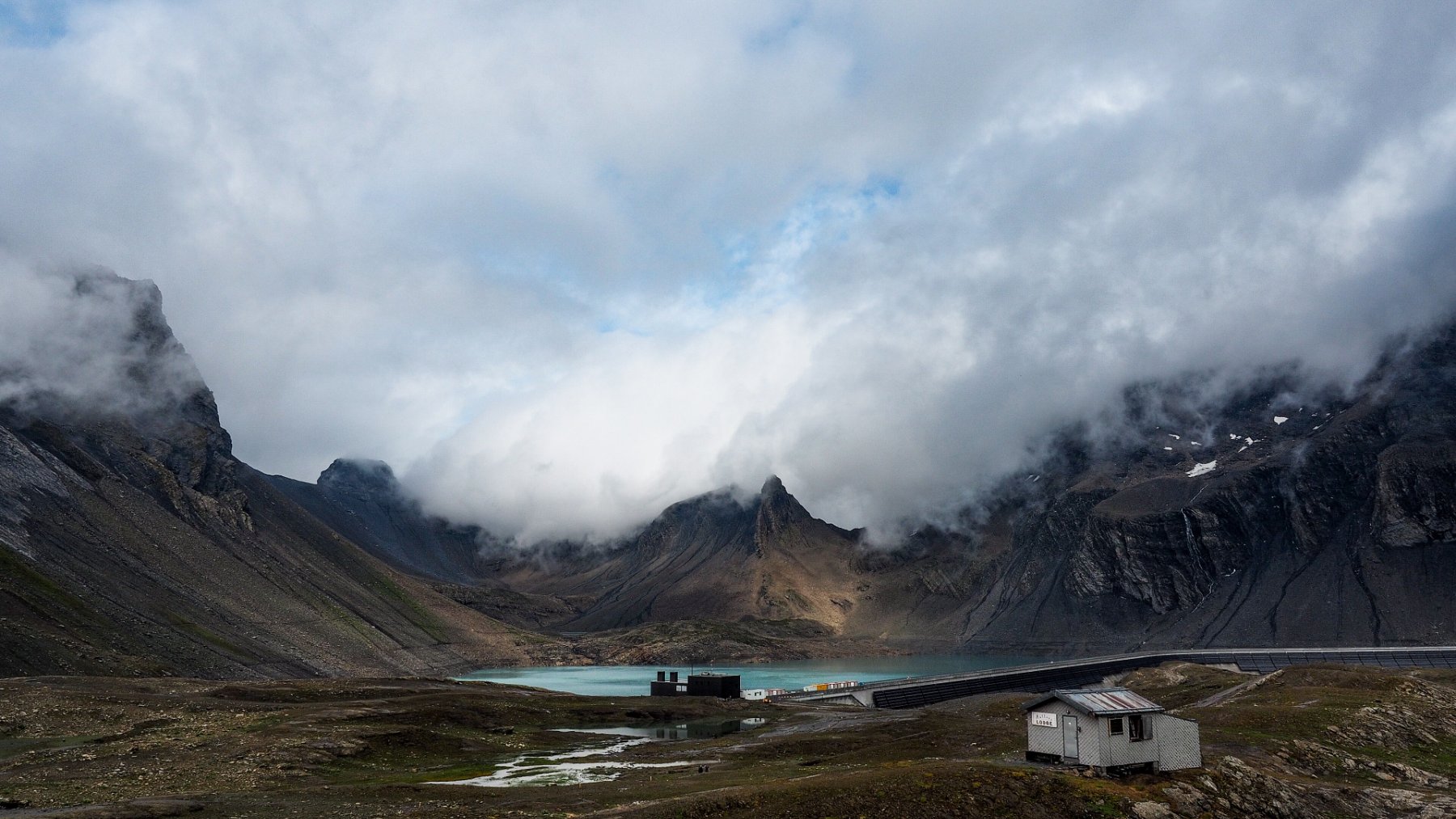
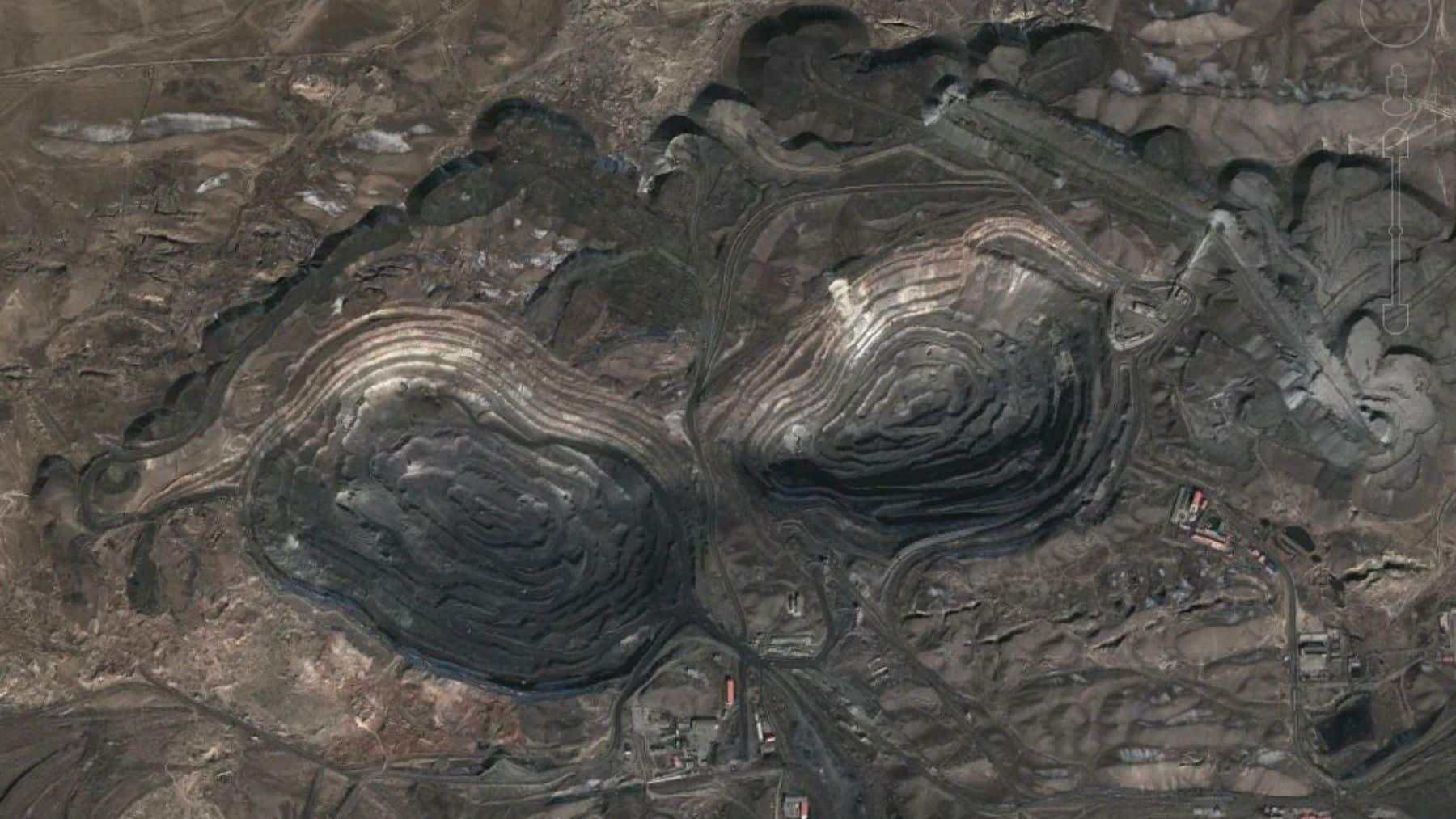
Since we’re talking about Russia, where is this mine? Since we’re talking about the Lovozero intrusion, it’s located on the Kola Peninsula, in northwest Russia. Interestingly, this mine was hidden for decades under the radar of the global market. And today, the Lovozero mine has become a key player in the restructuring of global rare earth supply chains. It is currently projected as one of the strategic pillars of a new industrial era.
Unlike other newer global sources, the Lovozero mine has an advantage: it has a consolidated infrastructure, access to energy and transportation, and decades of technical experience accumulated since the Soviet era. In other words, it is not just another source of minerals, but a geostrategic asset. And, in times of trade tensions and disputes over control of supply chains, being able to extract and process rare earths independently has become a matter of economic sovereignty, just like this diamond mine, where something unusual was revealed: there are 4.2 million clean energy plants.