Global warming continues to advance like a whirlwind ready to destroy everything, almost like the Texas tornadoes, if you will allow us the comparison. The truth is that its effects were expected many years from now, and now they are right in front of us. Wildfires are the last ones to change, and they are more monstrous than ever: you won’t believe how they behave at night.
Climate change had more in store than rising temperatures
In recent years, wildfires have begun raging dangerously overnight, representing an alarming new phenomenon tied to climate change. Whereas wildfires historically calmed down at night as temperatures dropped and humidity rose, climate change has disrupted this pattern in some regions.
Overnight temperatures are higher, humidity levels lower, and winds more erratic. This is prolonging and intensifying wildfires, creating monstrous infernos that burn around the clock. Nighttime wildfires pose grave new threats to firefighters, homes, and lives.
With less reprieve from the flames at night, exhaustion sets in for firefighters working grueling 24-hour shifts. Communities are also at higher risk as fires encroach on neighborhoods under cover of darkness. Looking ahead, climate forecasts predict this nightmarish trend will only worsen as the planet continues warming.
The invisible monster that is strengthening the fires: they will be inextinguishable
One of the key factors in the spread of wildfires is wind. Historically, overnight wind speeds tend to die down, which can slow the advance of fires. However, climate change is altering wind patterns in some regions, leading to higher wind speeds at night.
Shifting wind patterns spread fires at night. In parts of California and other western states, the normal evening offshore breezes are becoming weaker. Meanwhile, onshore winds are getting stronger, creating conditions for rapid fire growth overnight.
Stronger winds fan flames and carry embers further distances. This allows fires to jump containment lines and spread into new areas after the sun goes down. With winds blowing flames toward homes, firefighters have much less time to evacuate residents.
Overnight wind shifts have caused some of the most destructive fire behavior in recent years. The Camp Fire in 2018 raced into the town of Paradise, California overnight, destroying thousands of structures. Wind-driven fires have repeatedly blown up with little warning under the cover of darkness.
Firefighters in panic: less and less firefighting action possible
Fighting wildfires at night presents significant new challenges and dangers for firefighters. Cooler nighttime temperatures and higher humidity have historically provided windows of opportunity for firefighters to make progress containing blazes.
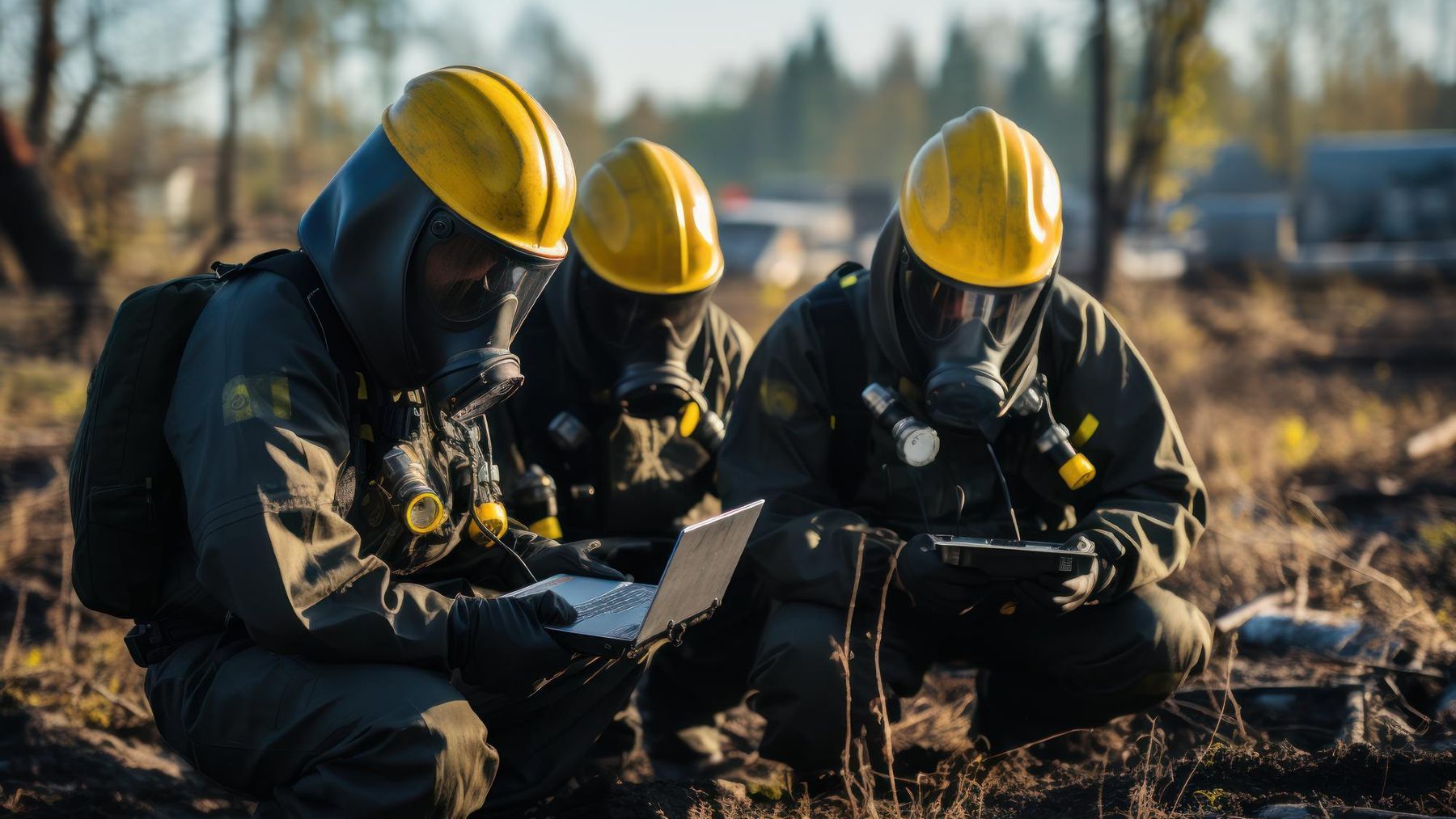
However, with wildfires now raging around the clock, the risks to firefighters are greatly increased. Night firefighting operations are extremely hazardous. Visibility is poor, which makes situational awareness and navigation difficult. Communication and coordination between crews can suffer.
The dangers of operating machinery and vehicles at night also goes up. Fatigue becomes a major factor as well, with firefighters unable to get adequate rest between shifts. All of these factors make it much easier for serious accidents or injuries to occur.
The new breed of overnight wildfires are growing exponentially larger as they burn day and night without pause. Traditional wildfires would calm down or even go out overnight when temperatures dropped and humidity rose. This allowed firefighters a window to gain ground and establish control lines.
It is clear that the relationship between wildfires and global warming is more powerful and indestructible than we expected. The Biden administration has already expressed concern about the sixth-generation wildfires that swept through California, but now it looks like the situation will be more serious. Are we heading for an exceptionally harsh summer season? All indications are that we are.