In 2022, a California startup released weather balloons carrying tiny amounts of sulfur dioxide over Mexico, then began selling what it called “cooling credits”. The gas quantity was far too small to change global temperatures, but the political reaction was much larger.
Mexico responded by moving to block solar geoengineering experiments in its territory, saying the launches had not been authorized. The episode turned a small private test into a much bigger question about who, if anyone, should be allowed to deliberately alter the planet’s climate.
What solar geoengineering means
Solar geoengineering, also called solar radiation management, refers to methods designed to cool Earth by reflecting a small share of incoming sunlight back into space. The best-known proposal would release sulfur dioxide high in the atmosphere, where it can form reflective particles known as aerosols.
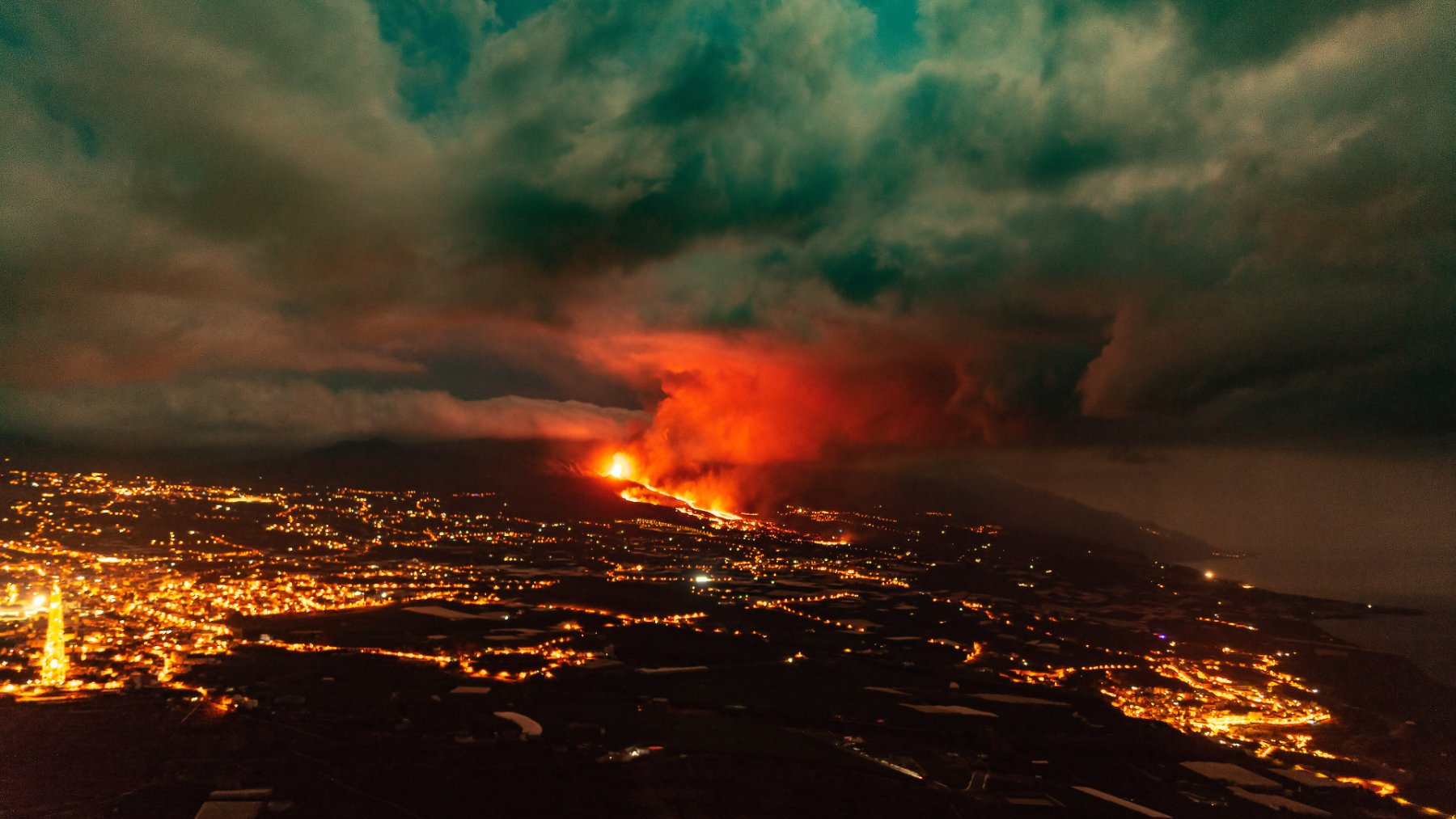
The idea partly comes from what scientists have observed after major volcanic eruptions. Volcanoes can send sulfur-rich material into the upper atmosphere, temporarily reducing the amount of sunlight reaching the surface and lowering temperatures for a limited time.
Supporters see the method as a possible emergency tool if global warming becomes more severe. But reviews in Nature Reviews Earth & Environment stress that it would not remove carbon dioxide, stop greenhouse gas emissions, or solve ocean acidification.
The balloon launches changed the debate
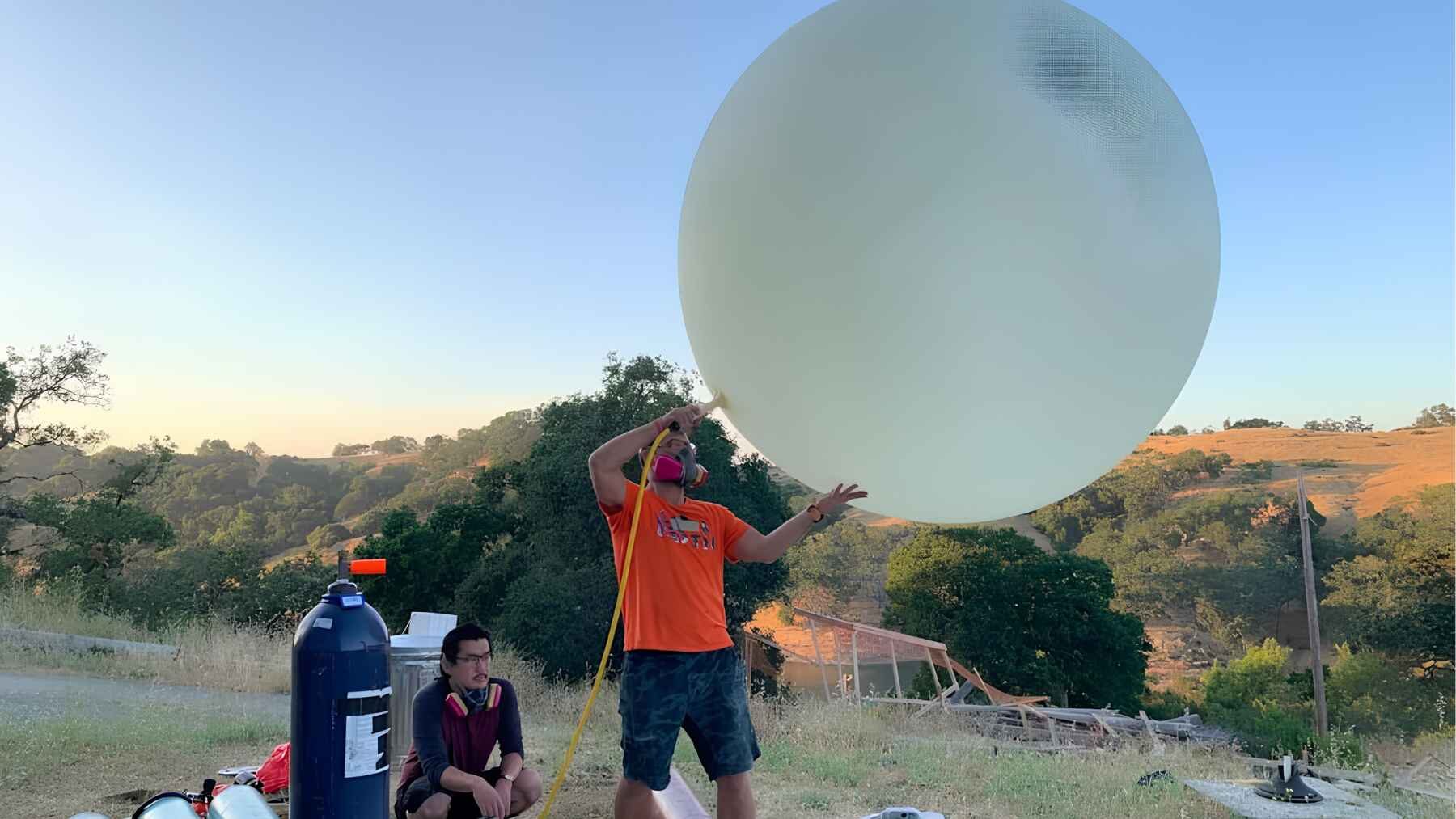
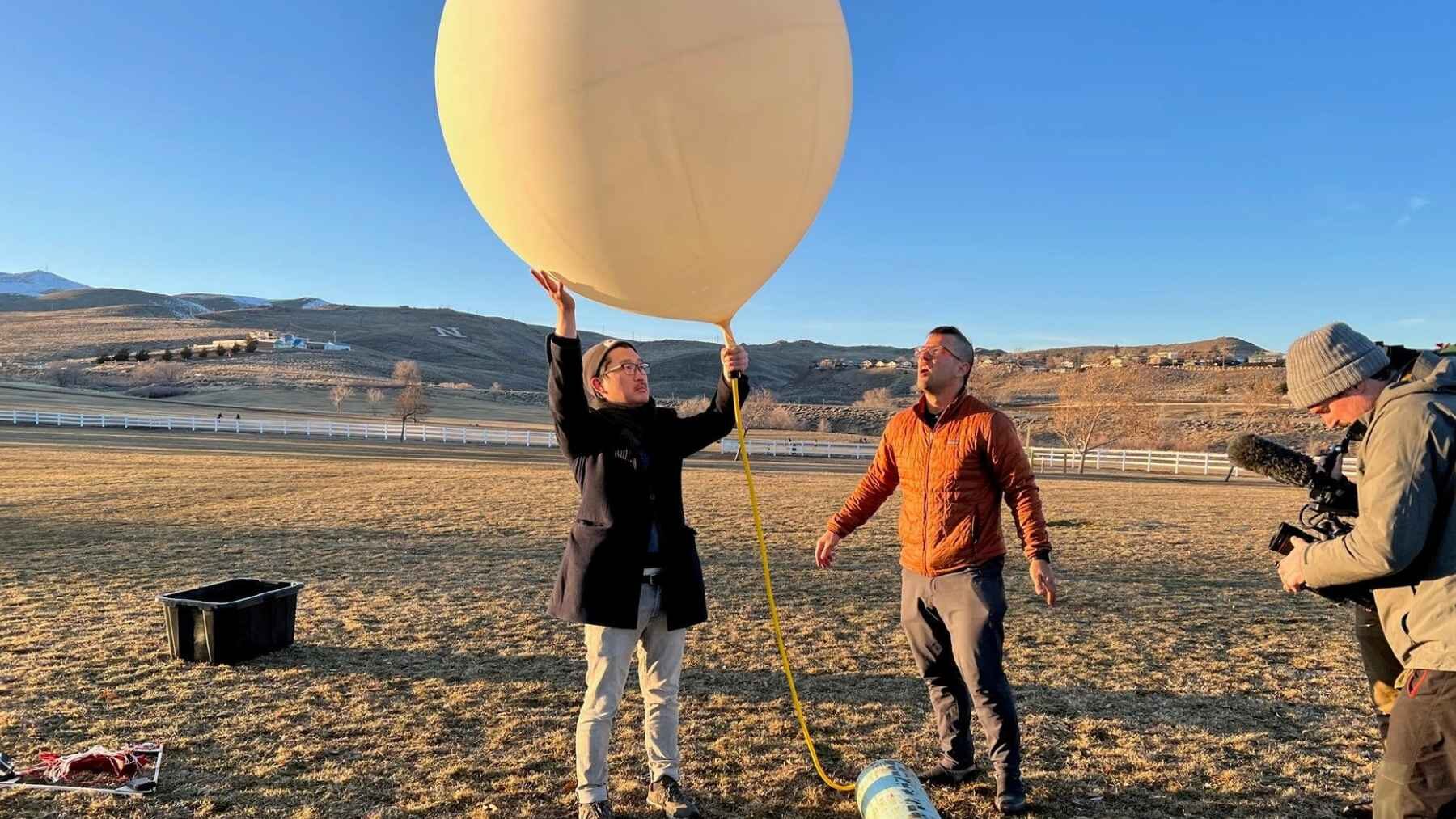
Make Sunsets, the startup behind the 2022 releases, argued that the climate crisis was moving too quickly to wait for governments. Its balloons were designed to rise, burst at high altitude, and release sulfur dioxide into the atmosphere.
The company described the launches as a practical demonstration of a potential cooling method. Yet the amount of gas involved was so small that it could not produce a meaningful change in Earth’s temperature.
That distinction matters. The immediate environmental effect may have been negligible, but the act showed how easily a private company could move a controversial climate intervention from academic discussion into the real world.
Mexico drew a hard line
Mexican officials said the balloon launches had taken place without authorization and announced that solar geoengineering experiments would not be permitted in the country. They pointed to possible environmental harm, ethical concerns, and the lack of international rules.
The government’s reaction was not only about one company or one balloon. It was also about sovereignty, since an intervention in the atmosphere may not remain neatly contained within national borders.
Air moves. Weather systems cross countries. That is why even a small experiment can raise questions far beyond the launch site.
Cooling credits added another concern
Make Sunsets also sold “cooling credits,” which it said represented the cooling effect created by sulfur dioxide released into the atmosphere. The model drew comparisons with carbon offsets, where buyers pay for activities intended to reduce or compensate for emissions.
But the two ideas are not the same. A carbon project is meant to prevent or remove greenhouse gases, while solar geoengineering would try to mask part of the warming without dealing with the pollution causing it.
Critics therefore accused the company of commercializing an unproven technology before governments or scientists had agreed on basic safeguards. Customers were being offered a climate benefit that was difficult to measure and surrounded by major uncertainty.
The risks remain unsettled
One of the biggest concerns is that solar geoengineering could affect regions differently. A lower global average temperature does not guarantee that rainfall, drought risk, or seasonal weather would remain stable everywhere.
Some areas might benefit, while others could face reduced rainfall or other disruptions. Who would decide whether that tradeoff was acceptable, and who would compensate communities that suffered harm?
There is also the danger of a sudden stop. Sulfur aerosols gradually disappear from the atmosphere, so a long-running program would need repeated releases. If deployment ended abruptly while greenhouse gas levels remained high, temperatures could rise quickly, creating an additional shock for ecosystems and societies.
It cannot replace emission cuts
Solar geoengineering is sometimes presented as a temporary shield while countries reduce greenhouse gas emissions. To a large extent, that is the most favorable case made for it, rather than a claim that it can cure climate change.
The trouble is that a shield can become an excuse. Opponents warn that governments and companies might delay the difficult work of cutting emissions if a seemingly easier cooling option became available.
It also leaves other carbon dioxide damage untouched. Even if temperatures fell for a time, oceans would continue absorbing carbon dioxide and becoming more acidic, threatening marine life and food systems.
A global technology without global rules
The Make Sunsets controversy exposed a governance gap. The atmosphere is shared globally, but there is no clear worldwide system deciding who can test solar geoengineering, what information must be disclosed, or what penalties should apply.
Research discussed in Wiley Interdisciplinary Reviews has helped drive calls for stronger international oversight. Some experts favor a global agreement that would prevent deployment until governments create transparent rules and assess the environmental and political consequences.
Enforcement would still be difficult. Small balloon launches may take place outside established laboratories, while outright bans could push experiments underground or toward countries with weaker oversight.
What this episode showed
The 2022 launches did not cool the planet in any meaningful way. What they did was demonstrate that even a tiny private experiment can force governments to confront questions that international rules have not yet answered.
The central issue is not only whether solar geoengineering could work. It is whether any company, country, or group should be able to influence the global climate without broad consent, independent monitoring, and clear responsibility for harm.
The scientific background on solar geoengineering discussed here has been reviewed in Nature Reviews Earth & Environment.