An undeniable fact: the global energy landscape is undergoing rapid change, particularly as countries adopt innovative approaches to address the growing demand for clean, sustainable energy. While the United States still relies on natural gas, and Japan is betting on hydrogen as a solution for the future, India is making surprising strides in developing a technology that could transform the way we generate energy. This device, which pulls energy from the air, could hold the key to more affordable and efficient energy solutions, while also contributing to reducing pollution.
Fossil dependence or a breath of clean air?
Currently, dependence on non-renewable energy sources, such as gas, remains a major obstacle for many countries. In the United States, for example, burning natural gas still represents a significant portion of the energy mix, contributing to carbon emissions and exacerbating climate change. Even so, efforts to reduce the carbon footprint have been constant, with investments in renewable energy sources, such as solar and wind, increasing considerably.
And while these initiatives are underway, India has made a revolutionary discovery that could change the way we generate and store energy. The device developed by Indian scientists could be the solution for developing countries facing energy and environmental challenges. The technology, which uses air as an energy source, promises to be an economical and environmentally friendly alternative for storing and producing electricity.
India’s bold bet: Will air-powered batteries rewrite the energy rulebook?
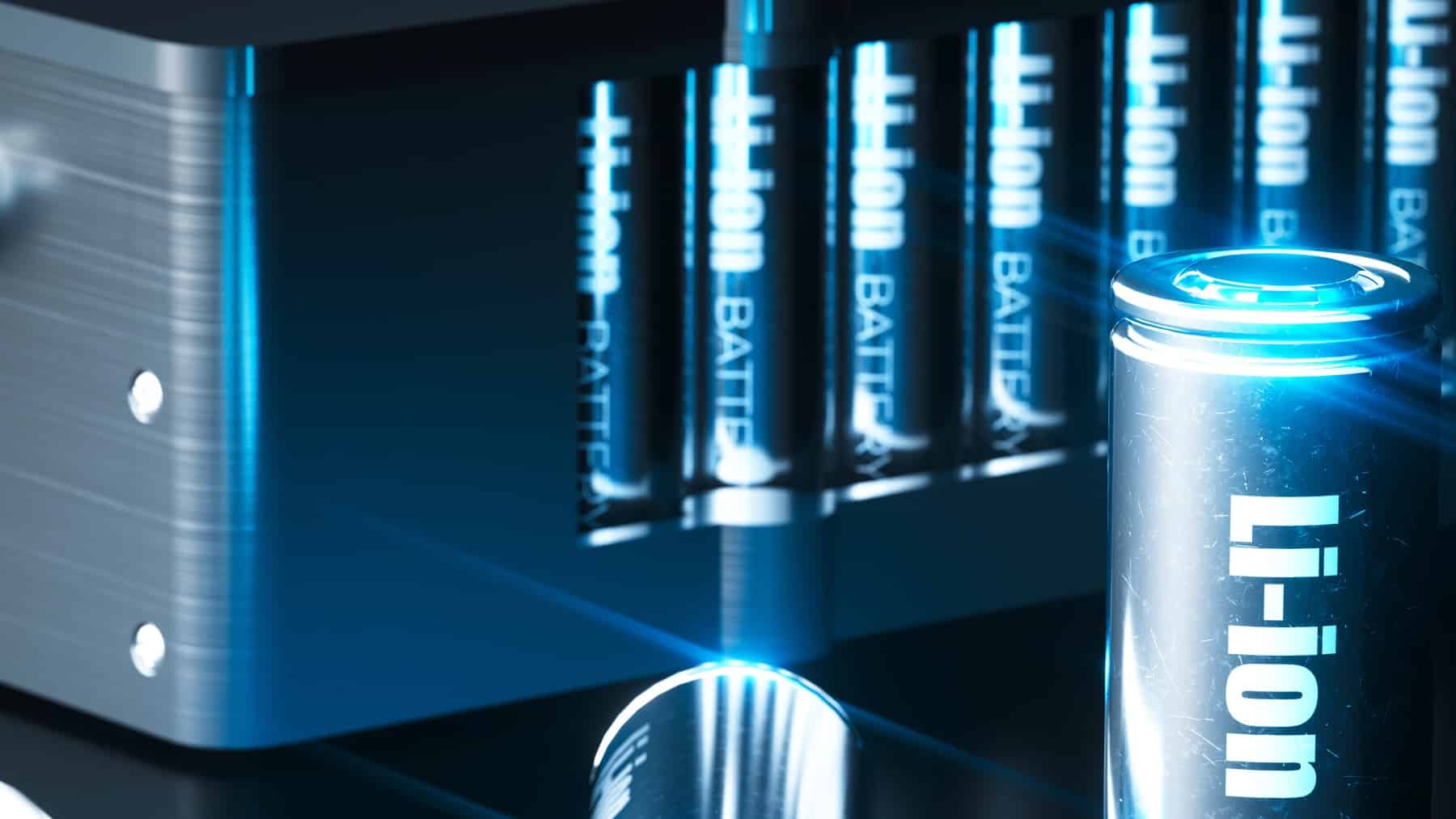
So, you might be wondering: what makes India’s innovation so special? Well, instead of relying on fossil fuels or limited renewable energy sources, Indian technology captures energy directly from the air, an abundant and accessible resource. The device, which uses a reengineered zinc-air battery, not only stores energy but also generates hydrogen peroxide (H₂O₂) as a byproduct, an essential compound in various industrial processes, such as water purification and textile waste cleaning.
The great thing about this battery is that it can precisely control the chemical reaction at the cathode, causing oxygen in the air to be reduced to hydrogen peroxide instead of water (could this be the big competitor to China’s perfect battery?). Using a carbon-based catalyst, this process becomes not only cheaper but also more sustainable, as it doesn’t require precious metals like palladium, which are used in conventional H₂O₂ production processes.
“If you don’t control the oxygen reduction reaction, it will only form water. The strategy here is to control the rate of this reaction to produce H₂O₂, not water,” explained Professor Aninda Bhattacharyya, research leader at the Indian Institute of Science (IISc).
Can airborne energy also clean our waters?
We must keep in mind that this device’s ability to not only generate energy but also perform a useful chemical reaction puts it in a unique position to solve two problems simultaneously. In other words, in places where energy access is limited, such as rural or off-grid areas, the zinc-air battery can provide electricity while cleaning contaminated water, making it a low-cost, multifunctional solution. Other potential benefits of this innovation include:
- Low cost: The technology uses abundant materials, making it more accessible to countries with fewer resources.
- Dual solution: It generates electricity and cleans wastewater, solving two critical problems simultaneously.
- Environmental sustainability: By using air and zinc, the solution is environmentally friendly and does not rely on rare earth metals or polluting processes.
This just goes to show that India’s innovation not only offers a solution to the growing demand for clean energy but also represents a new way to integrate energy production with environmental mitigation. The zinc-air battery, which generates hydrogen peroxide directly from the air, is a perfect example of how technology can be used to solve multiple problems simultaneously. Just like this other invention, which turns the floor into a living battery.