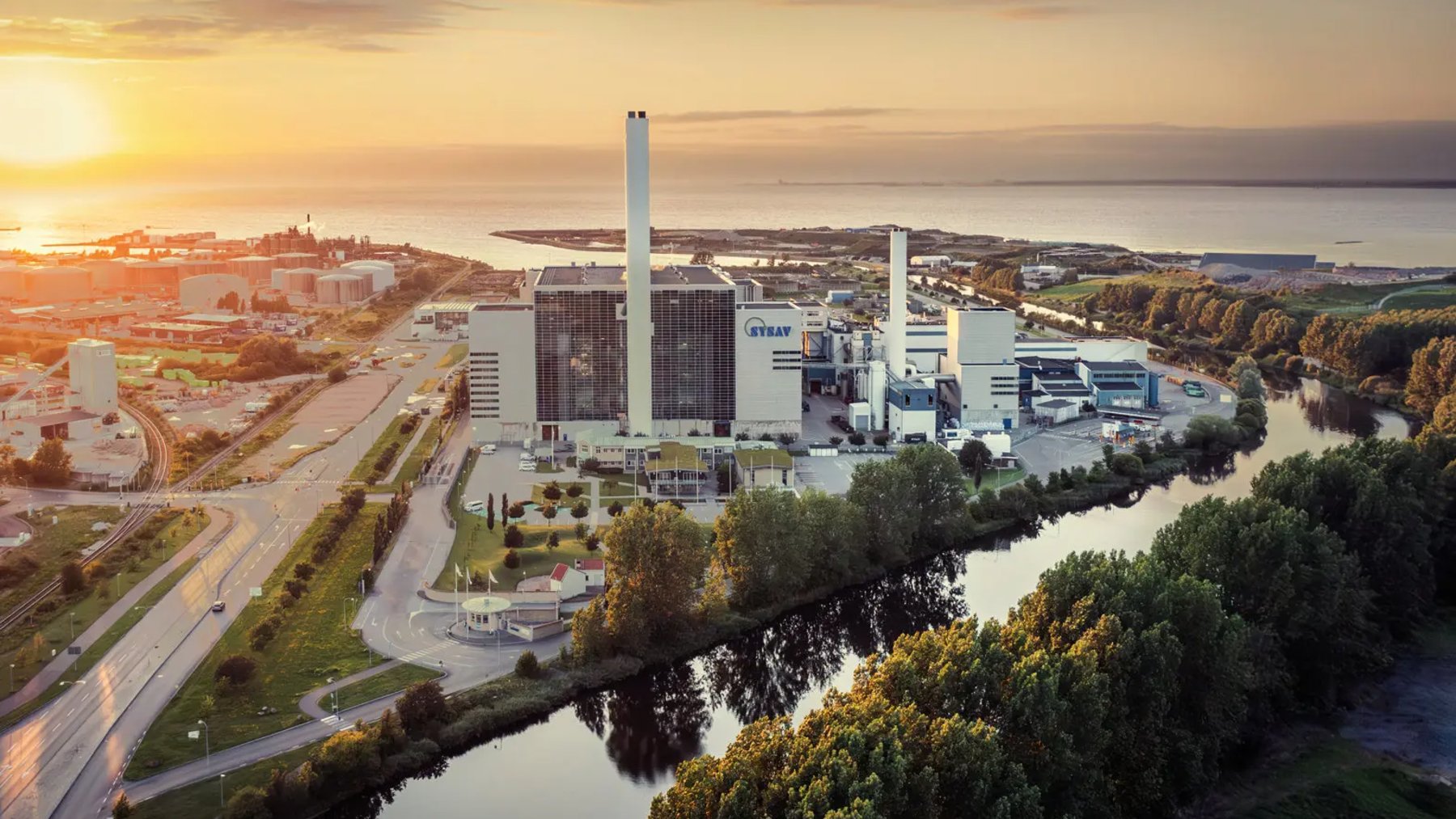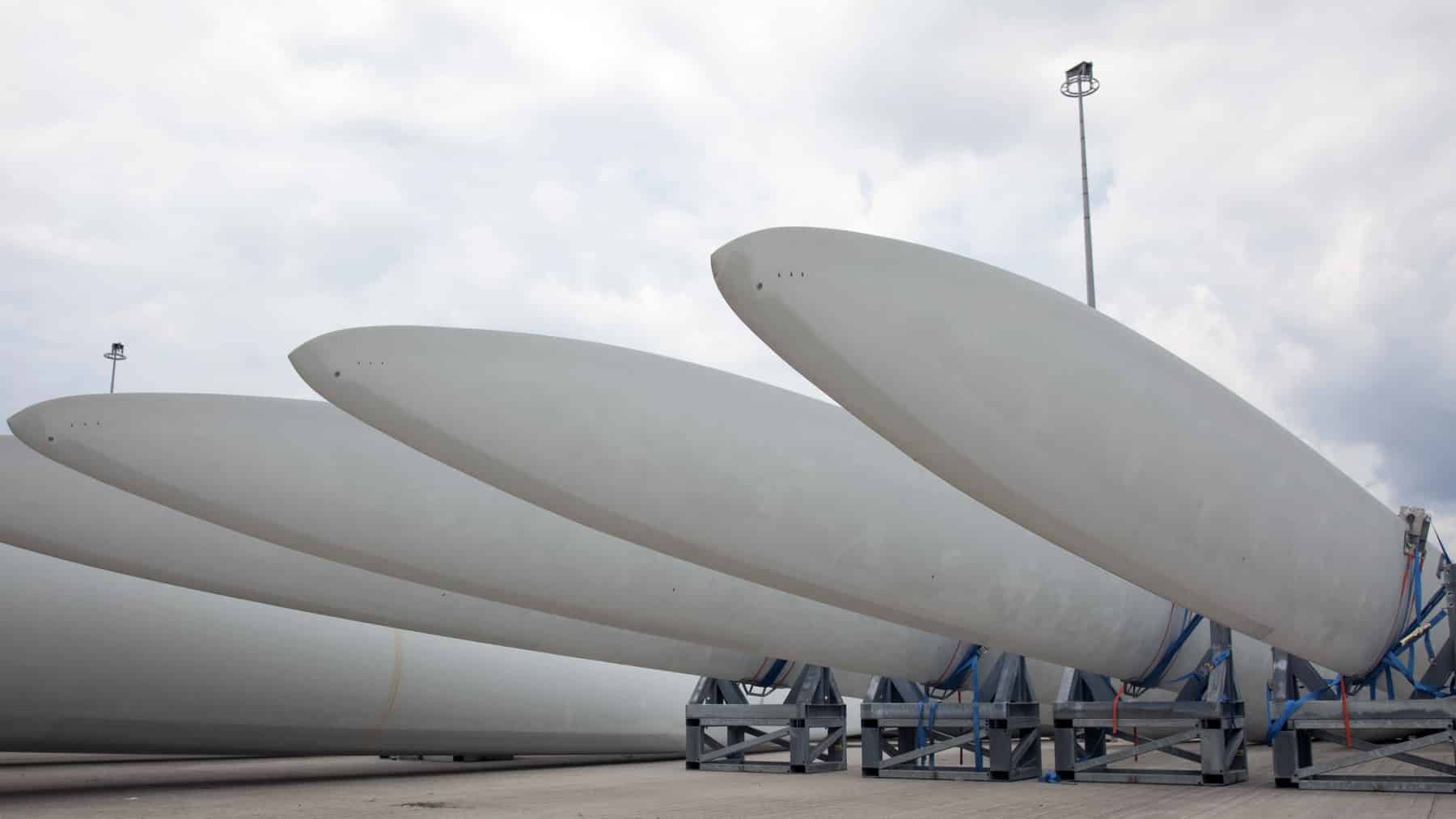
The debate on energy transition in Germany is in full swing. This is because new projects are creating divergent opinions in the country. On one side, some defend renewable energy, especially wind power. On the other hand, some more conservative parties and sectors are calling for the return of nuclear energy and also fossil fuels. However, despite these ideas, the German government has just approved the country’s largest renewable energy project.
The divergences of the energy transition in Germany
Over the past few months, an old question has resurfaced in Germany’s energy debates: does it still make sense to go back to nuclear energy and fossil fuels? We can say here that some political parties say yes, they even say that this would reduce costs, in addition to helping achieve climate goals. But is this hypothesis correct?
Energy experts think otherwise. Germany shut down its last nuclear power plants nearly two years ago, and most of them are already well into being dismantled. Restarting them? Out of the question. Building new ones? That would take more than a decade and cost billions, all while failing to address short-term energy security.
It is important to remember that approximately 1 year ago, by 2024, 59% of the country’s electricity will come from renewable sources, with over half of that coming from wind alone. In fact, this change could mark a different chapter in the history of Germany, but also of Europe.
Largest project in history
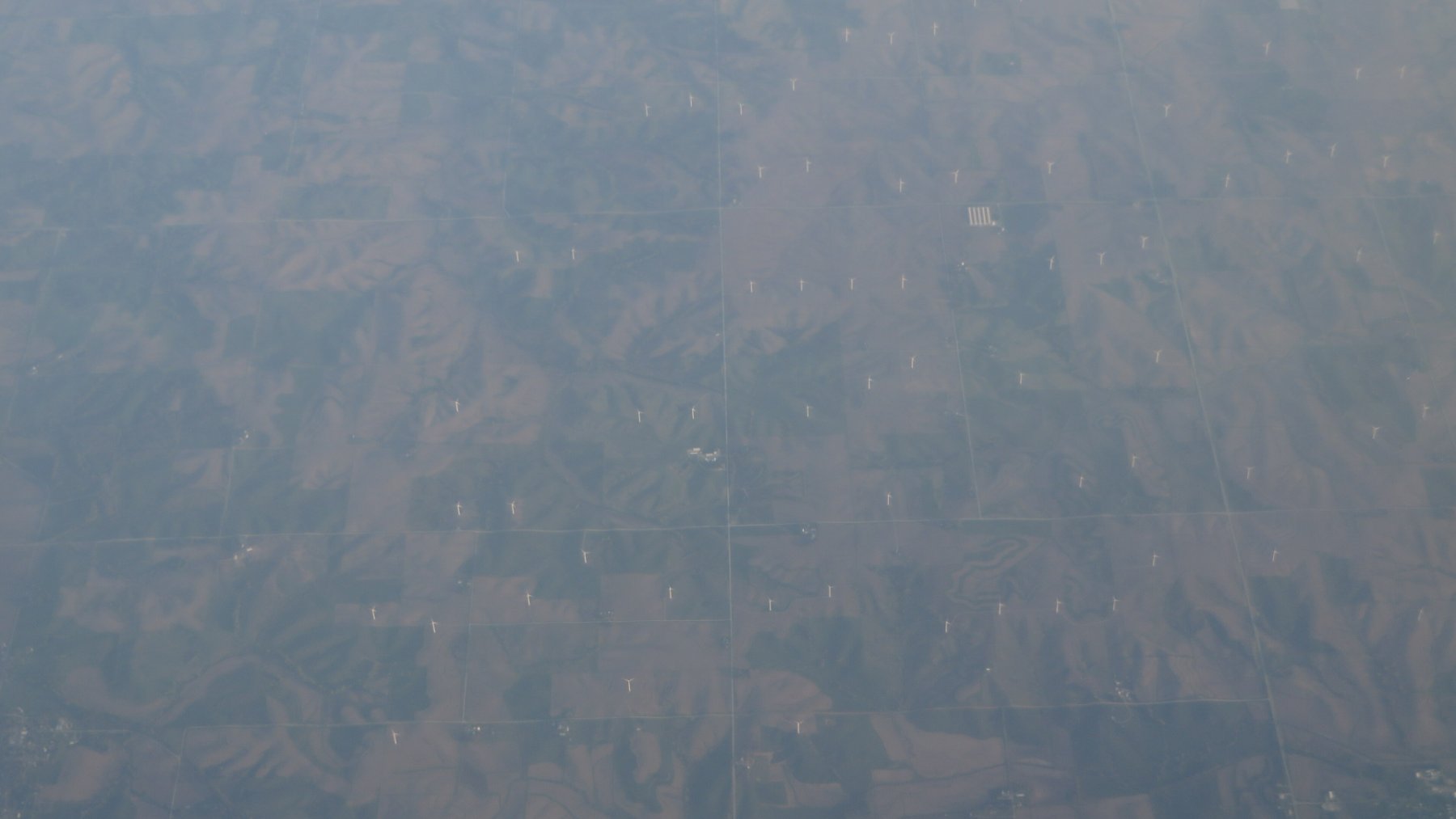
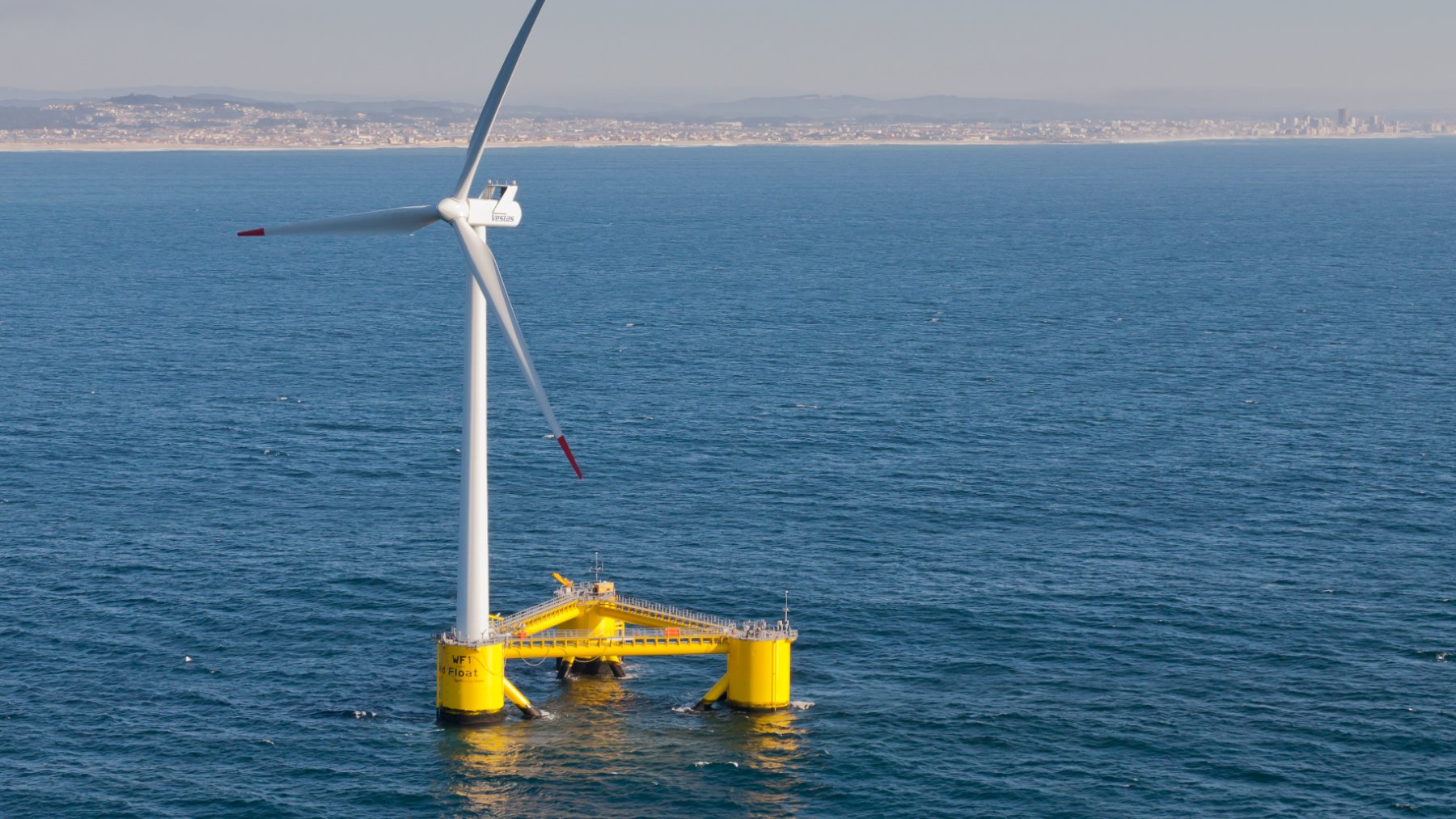
It didn’t make headlines right away, but something big happened in Germany last year. In 2024, the country signed off on what’s now considered the largest onshore wind energy rollout in its history: a plan to install 2,400 new wind turbines spread across different regions. It’s hard to overstate the scale of this. Together, these turbines will add 14 gigawatts to the grid. That’s not a minor boost, it’s roughly the same as the output you’d get from about ten nuclear power plants running at full tilt. A number like that doesn’t just shift capacity — it shifts momentum
This project it’s a clear sign of strategic alignment between the government, industry, and the scientific community. And they’re not thinking small. The goal is to reach 115 gigawatts of wind capacity by 2030, ambitious, we know… It’s not just about one big project; it’s part of a bigger move toward a cleaner, cheaper, and more self-reliant energy system. Actually, Germany is experimenting with a new type of fuel that comes from the air (and no, it’s not hydrogen).
The impacts of this major project in Germany
The benefits of this new wind power project are also financial. A study by the Fraunhofer Institute revealed that generating energy from wind and solar sources is, on average, much cheaper than generating energy from gas, coal, or nuclear energy. In terms of numbers, wind costs range from €0.041 to €0.225 per kWh, while fossil and nuclear sources cost between €0.109 and €0.49 per kWh.
In addition to these aspects, this type of project also:
- It generates qualified jobs.
- It promotes technological innovation.
- And it also attracts private investment, especially in rural areas.
It is also important to note that in times of energy crisis, such as during the Russian invasion of Ukraine, it was wind energy that helped to maintain a stable supply and prevent blackouts in the country. In other words, by maintaining turbine production in Europe, Germany ends up reducing its vulnerability to international tensions. It is no wonder that the country ended up ahead of China in energy: 14 tons, 1,000 wind turbines, and 60,000 MW.