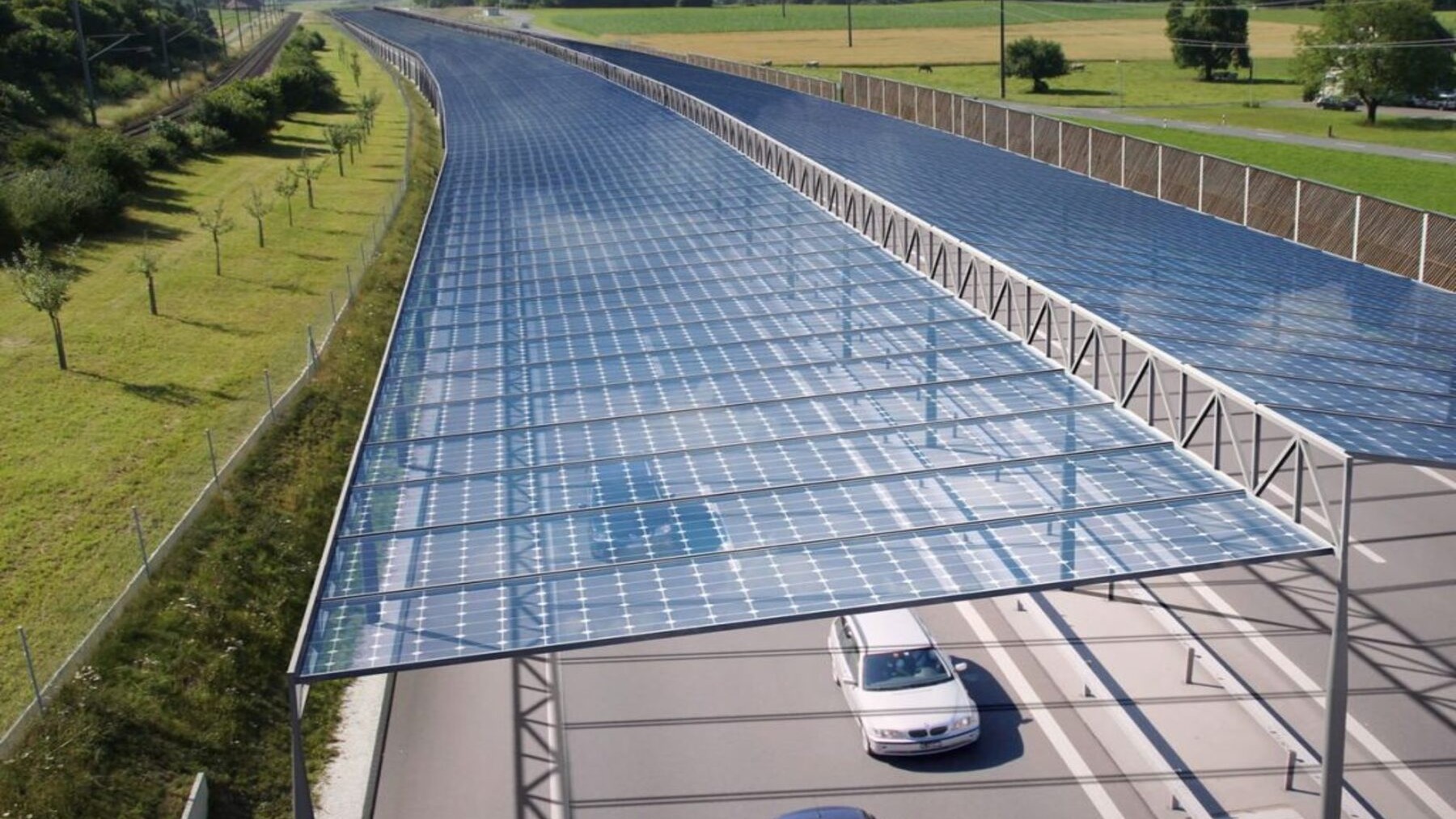
For a long time, photovoltaic has been recognised as one of the most widely used energy sources, and when it comes to this energy alternative in the automotive world, it is typically used to generate electricity in tunnels and manage roadside rest areas. However, one project in particular is emerging as the first photovoltaic highway with the promise of taking this technology far beyond its conventional applications.
The project that will shape the way we travel in the future: this is the first photovoltaic highway.
At the forefront of this exploration is a project sponsored by the Austrian Institute of Technology (AIT), which is taking photovoltaics to new heights by implementing them in an unprecedented way on roads. This Austrian-born initiative not only represents a significant breakthrough in the application of solar energy, but also promises to maximise its benefits in a revolutionary way.
The AIT team is leading this project with the aim of transforming conventional road infrastructure into a smart and sustainable network, where every stretch of road serves not only for transport, but also as an active source of clean and renewable energy generation for the benefit of electric car drivers travelling on the infrastructure.
Financial support for the PV-SÜD project comes from a multifaceted collaboration including the German Federal Ministry for Climate Action, Environment, Energy, Mobility, Innovation and Technology, the Austrian Research Promotion Agency (FFG), the German Federal Ministry of Transport and the Swiss Federal Road Office.
Here are some facts to consider in the development of this project
In the initial stage of this ambitious project, the aim is to realise an innovative solar roof design that not only harnesses the sun’s energy, but also ensures optimal protection and functionality. The meticulous selection of modules and structures will be carried out with the primary objective of guaranteeing maximum resistance to any environmental conflicts that may arise in the area.
On the other hand, traffic safety will be prioritised, implementing measures and devices that ensure the integrity of drivers and pedestrians at all times. This project not only represents a breakthrough in renewable energy generation, but also a commitment to the safety and well-being of the community.
For the project to be cost competitive, it is essential that the system is easy to operate and maintain. This involves not only initial management, but also consideration of ease of maintenance throughout its lifetime. It will seek to implement efficient technologies and maintenance practices that minimise operating costs and maximise energy availability.
These are the characteristics sought in the new photovoltaic highway.
According to Manfred Haider, who leads projects at AIT’s Mobility Systems Centre, solar canopies must not only meet the expected energy generation, but it is also crucial to analyse whether this innovative adaptive use of road infrastructure adds value to roads.
On the other hand, this approach can help extend the life of the pavement by protecting it from extreme conditions such as overheating and precipitation, as well as reducing traffic noise, thus offering additional benefits to the community and the environment.
The first photovoltaic highway represents a significant advance in the integration of solar energy into road infrastructure. This project, led by the Austrian Institute of Technology (AIT), promises to transform roads into active sources of clean, renewable energy generation.