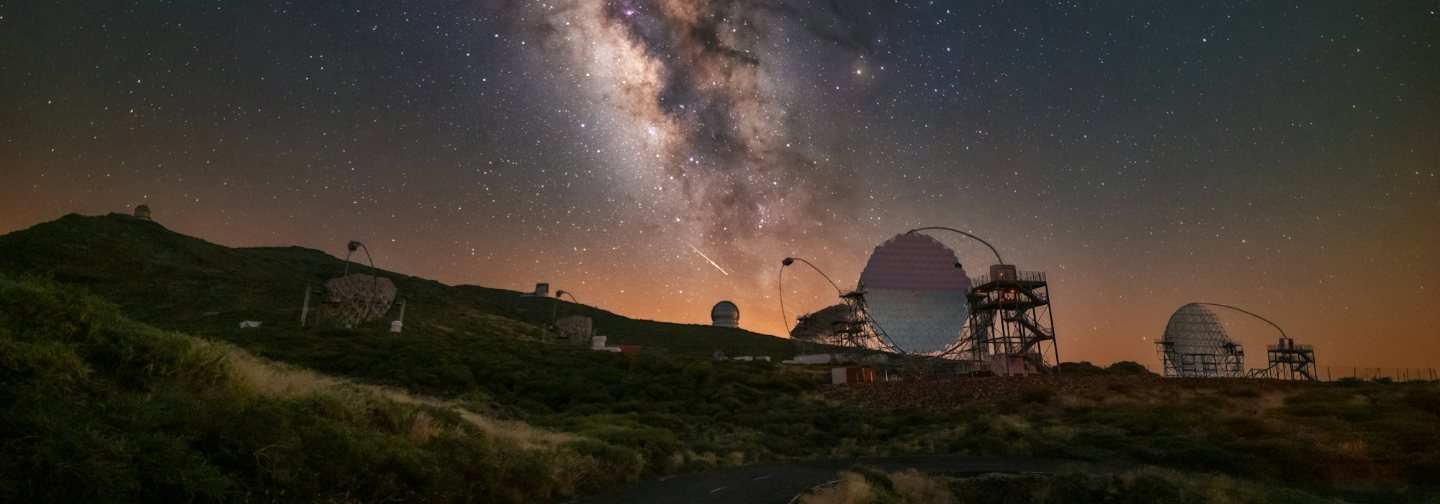
Observatory under the Milky Way at night

Science

Geology, paleontology, physics, space and the natural world

In Science, ECOnews reports on new discoveries in geology, paleontology, physics, space, health and the natural world. We explain the latest studies from universities and labs worldwide in plain language.
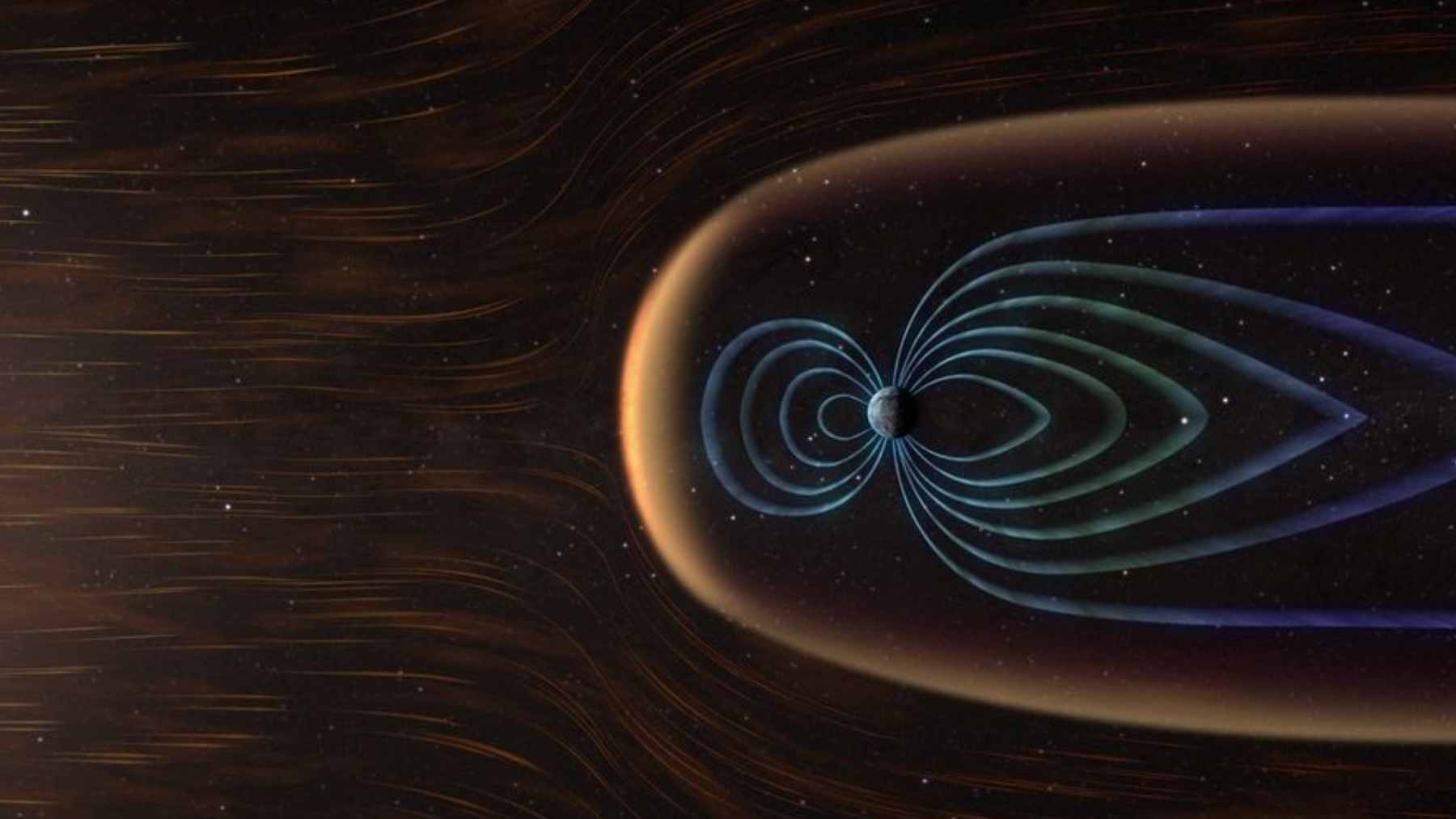
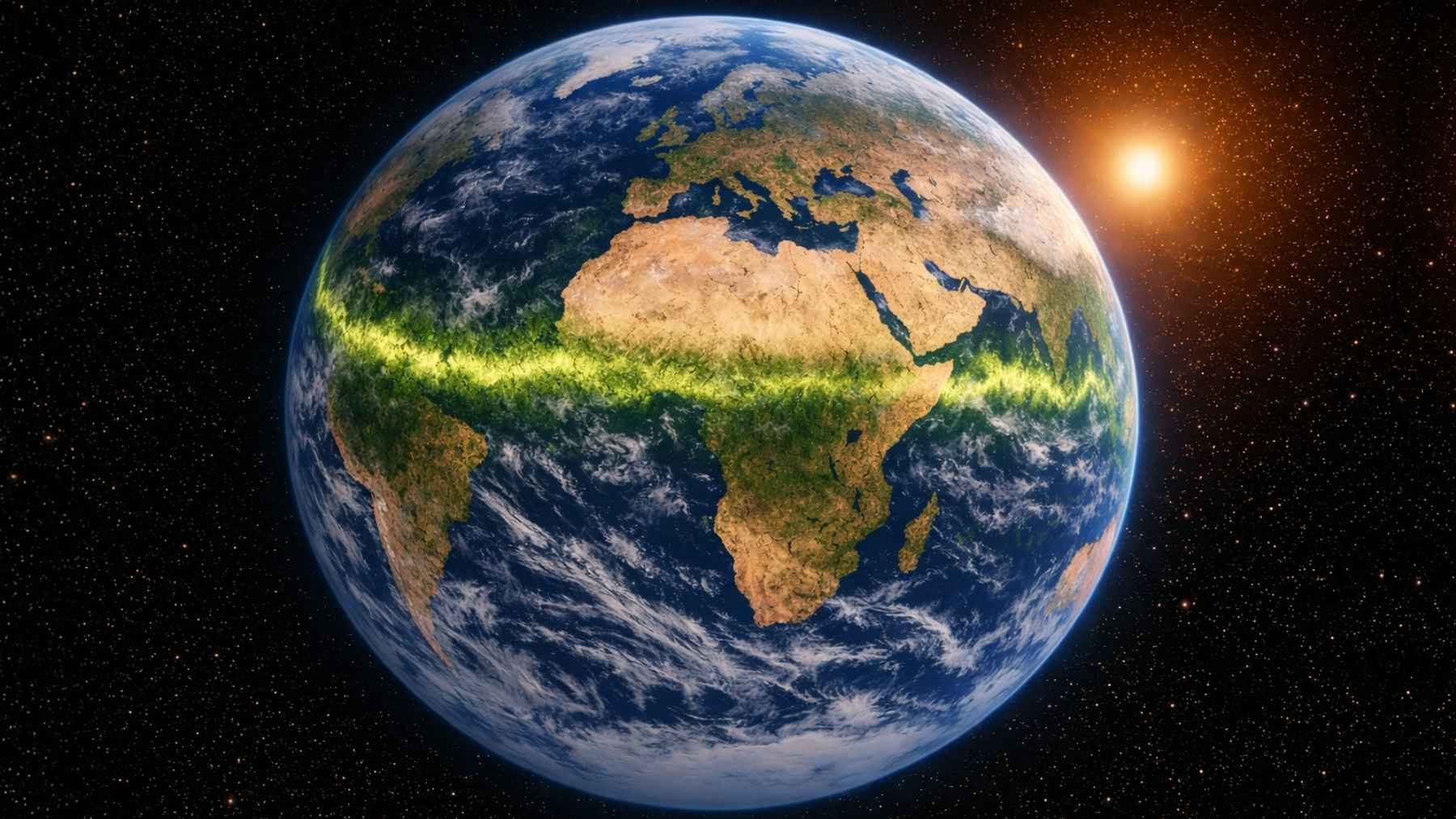
A digital illustration showing Earth’s blue magnetic field lines shielding the planet from solar wind while green vegetation represents oxygen production.

NASA detects a 500-million-year pattern between Earth’s magnetic “shield” and oxygen in the air… and the question posed by the article is crazy

—
April 5, 2026 at 5:00 PM
Earth’s “green heart” is drifting northeast, and scientists say the shift could reveal how climate change is reshaping life.

Scientists have discovered that Earth’s “green pole” has been shifting northeastward for decades and that, since 2010, this shift has accelerated much more than expected

—
April 5, 2026 at 12:56 PM
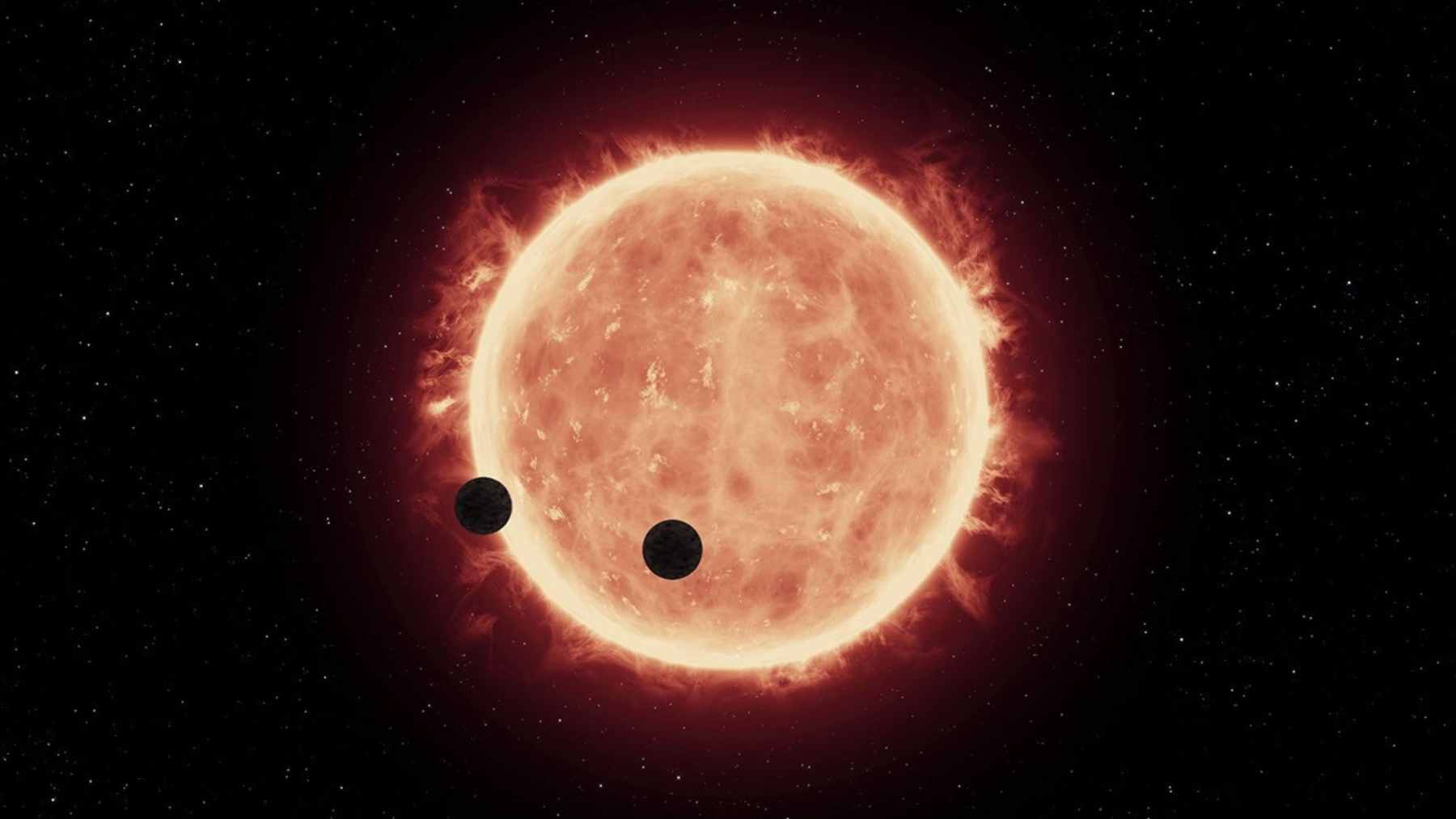
An artist's impression of the LHS 1903 system showing a small red dwarf star orbited by two large, blue gaseous planets and two smaller, brownish rocky worlds in an unusual order.

The four planets of red dwarf LHS 1903 are in “inverted” order, with a rocky world on the outside

—
April 5, 2026 at 12:30 PM
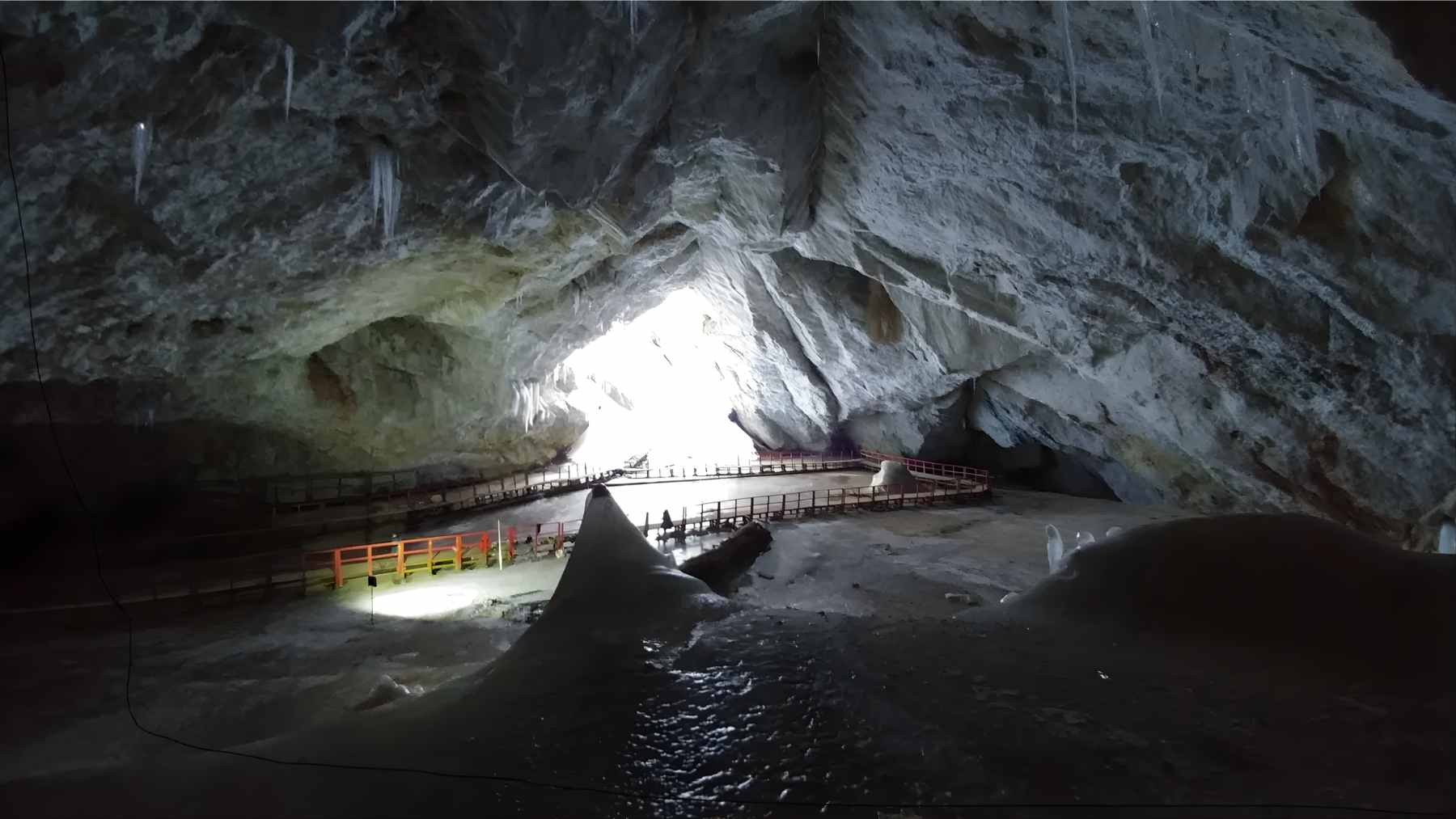
Researchers extracting a vertical ice core sample from the frozen floor of a Romanian cave for microbial analysis.

A 5,000-year-old bacterium awakens from the ice in a cave in Romania, revealing something disturbing: it was already resistant to antibiotics still used today to treat serious infections

—
April 5, 2026 at 10:15 AM
An ultraviolet camera capture showing faint electrical corona discharges glowing on the tips of sweetgum tree leaves during a thunderstorm.

What had been only a suspicion for nearly a century has just become reality: dozens of electrical flashes have been recorded in trees on the east coast of the United States that could be silently burning leaves

—
April 5, 2026 at 8:45 AM
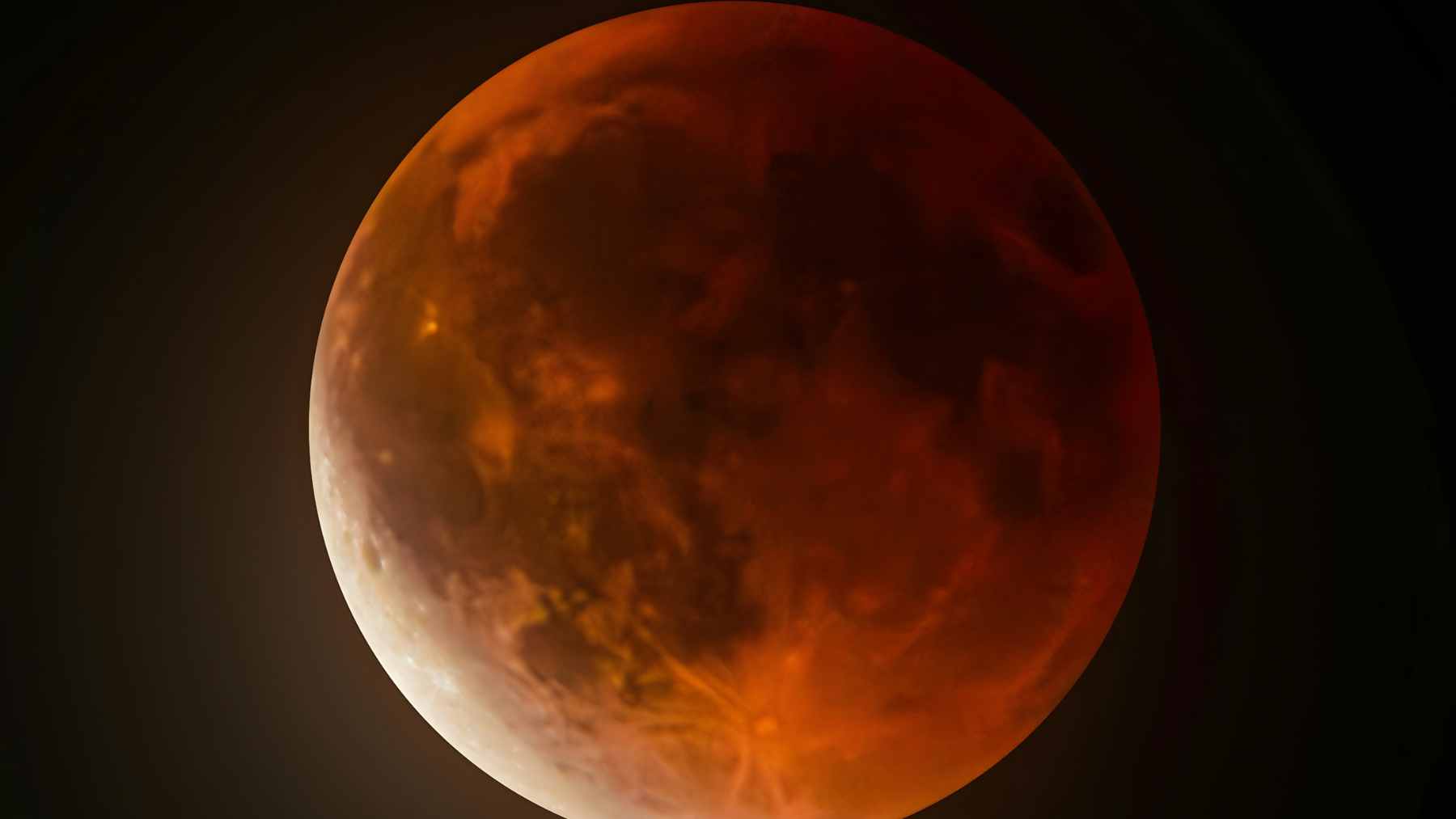
A composite image showing a total solar eclipse transitioning into an annular "ring of fire" eclipse against a dark starry background.

The Moon moves 3.8 cm away from Earth each year, and the last total solar eclipse could come in about 600 million years

—
April 5, 2026 at 6:30 AM
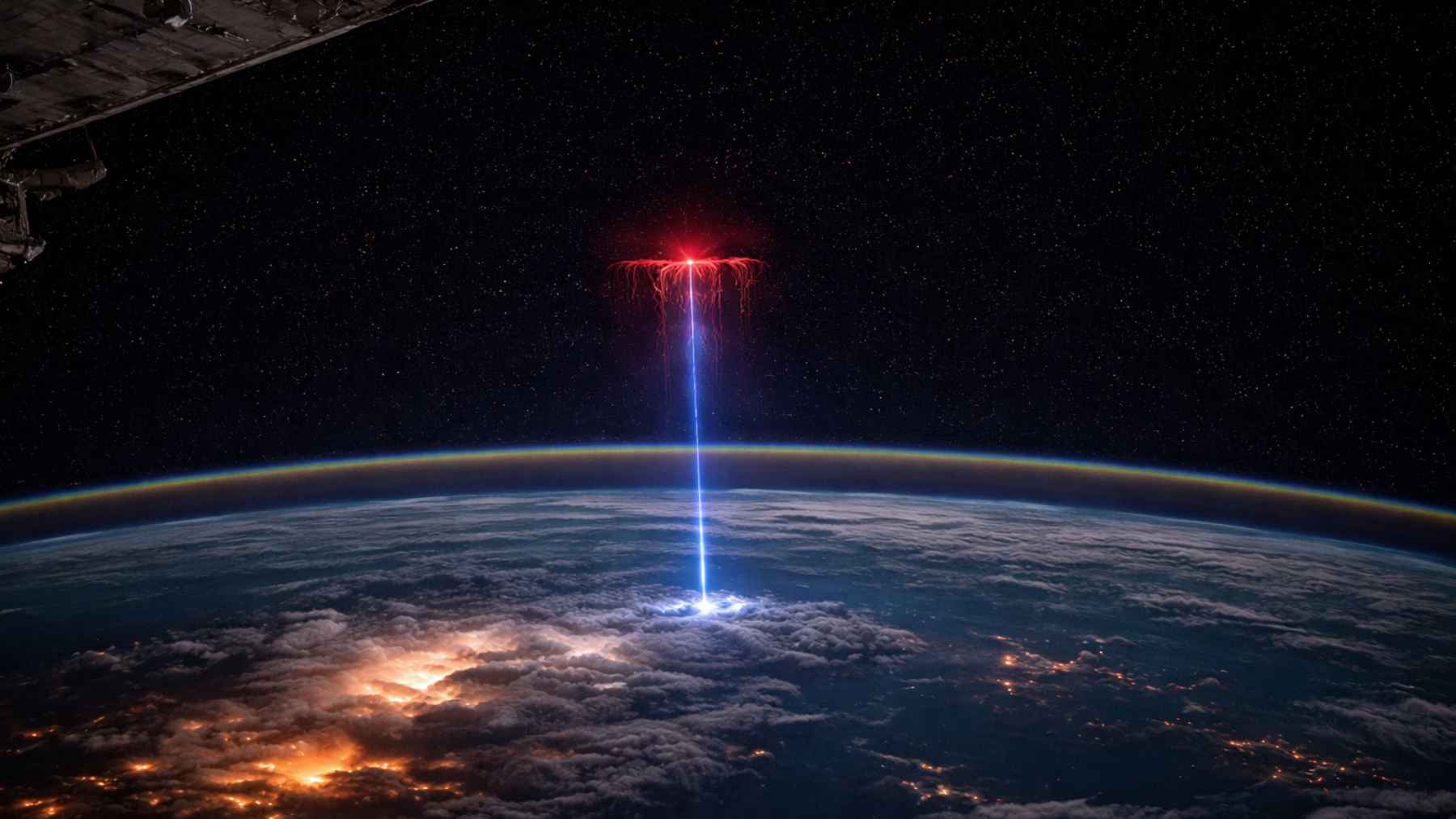
Rare gigantic jet lightning shooting upward from a thunderstorm toward space as seen from the International Space Station

NASA is once again highlighting an image taken on July 3, 2025, from the ISS that looks like something out of a movie: a “gigantic jet” that doesn’t fall to Earth, but instead shoots out of a storm and rises to a height of nearly 100 kilometers

—
April 5, 2026 at 4:52 AM
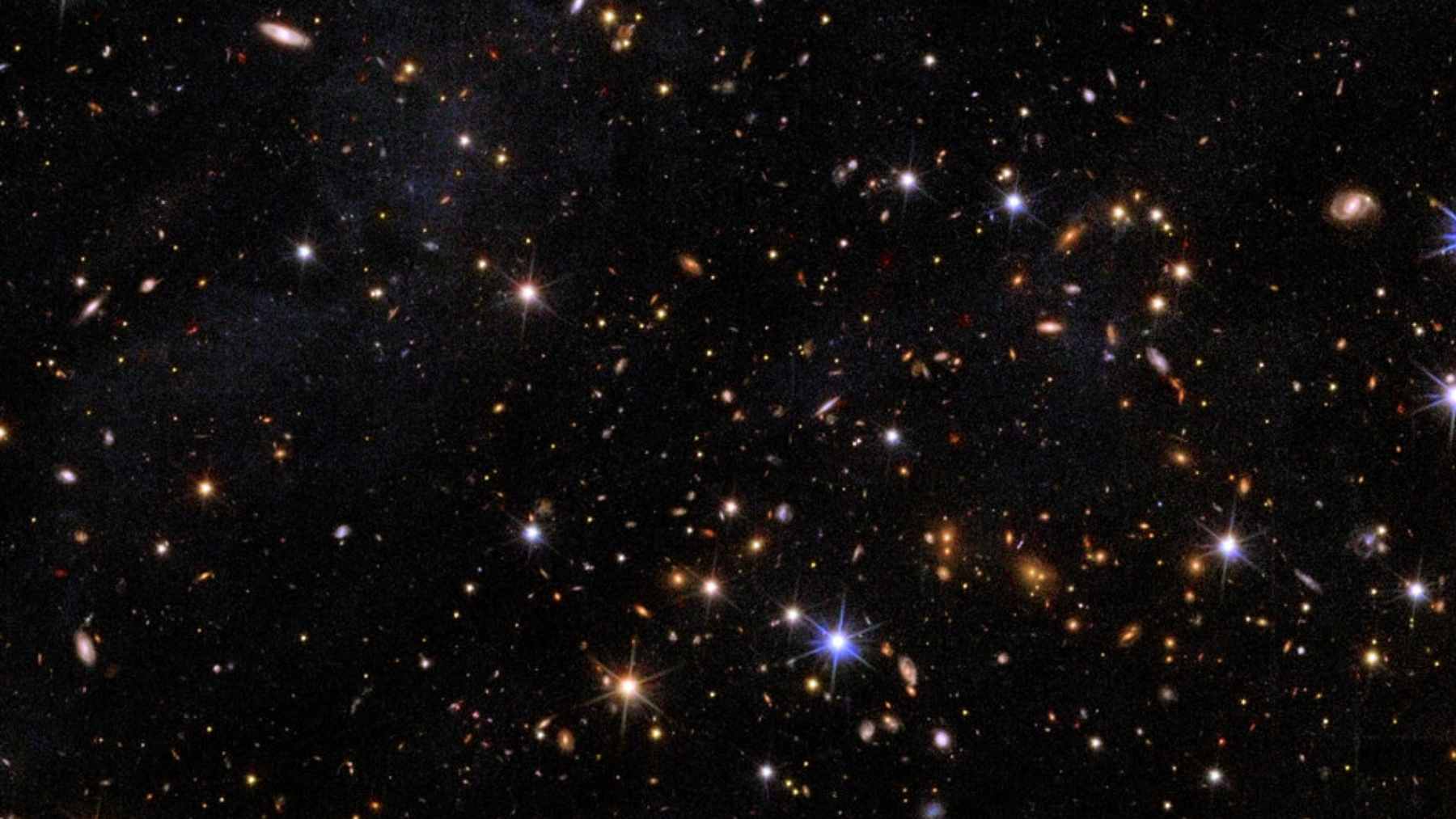
A deep-space composite image from the Hubble and Euclid telescopes showing the Perseus galaxy cluster, with a circle highlighting the faint star clusters of CDG-2.

CDG-2, a galaxy in the Perseus cluster made of 99.9% dark matter, is one of the darkest ever found

—
April 4, 2026 at 5:00 PM
A digital recreation of a Neanderthal and a modern human standing side-by-side, representing the genetic blending of the two lineages.

It is possible that Neanderthals did not “die out”… they mixed with us until they became invisible

—
April 4, 2026 at 12:30 PM
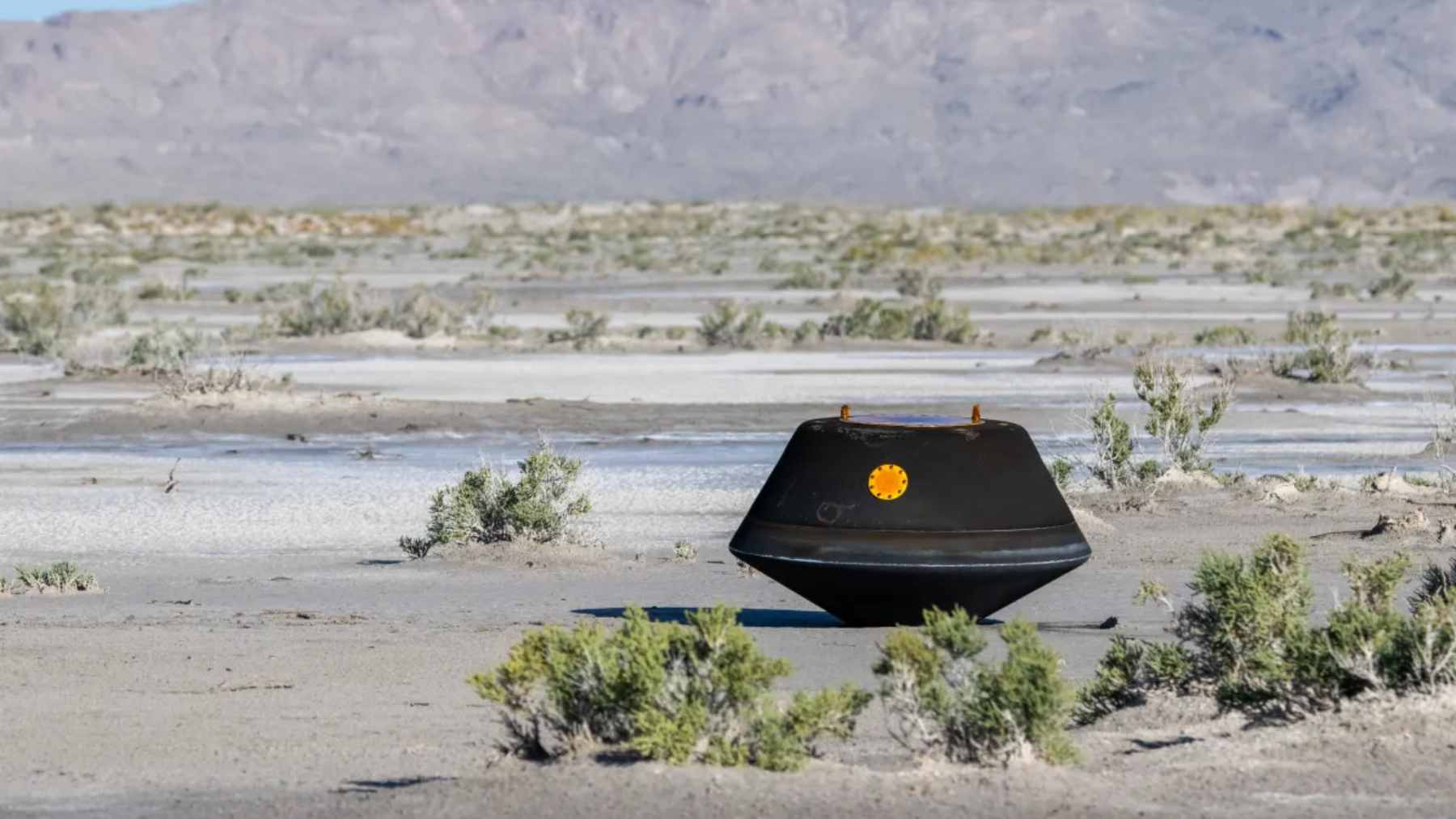
A high-resolution close-up of a dark, carbon-rich rocky sample from asteroid Bennu held in a NASA laboratory setting.

Samples from the asteroid Bennu force us to rethink the origin of life: NASA finds key compounds in rocks over 4.5 billion years old

—
April 4, 2026 at 8:45 AM
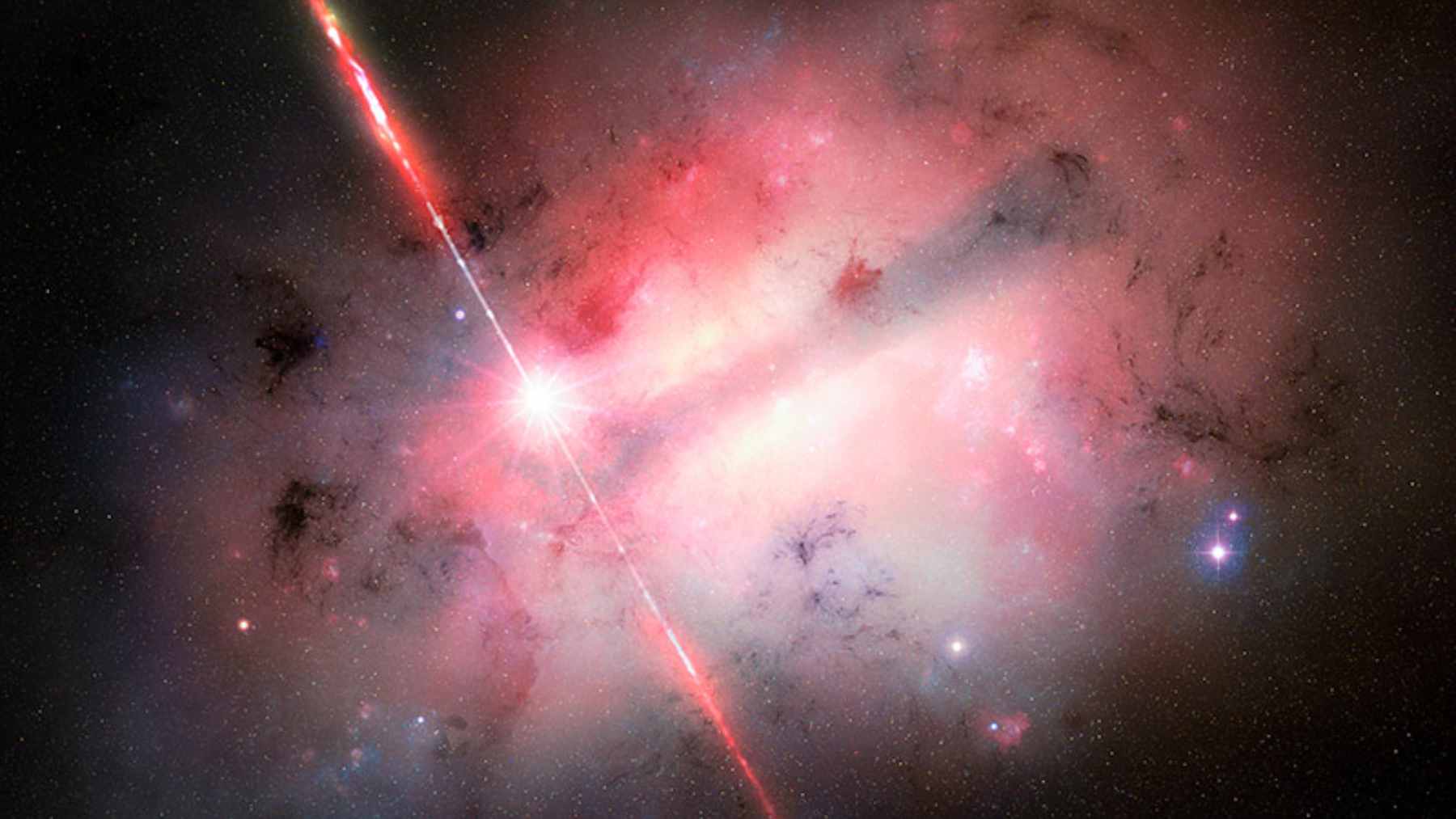
An artist's depiction of GRB 250702B, showing a black hole at the center of a helium star emitting powerful, narrow jets of gamma radiation.

A gamma-ray burst kept astronomers on tenterhooks for 7 hours

—
April 4, 2026 at 6:30 AM
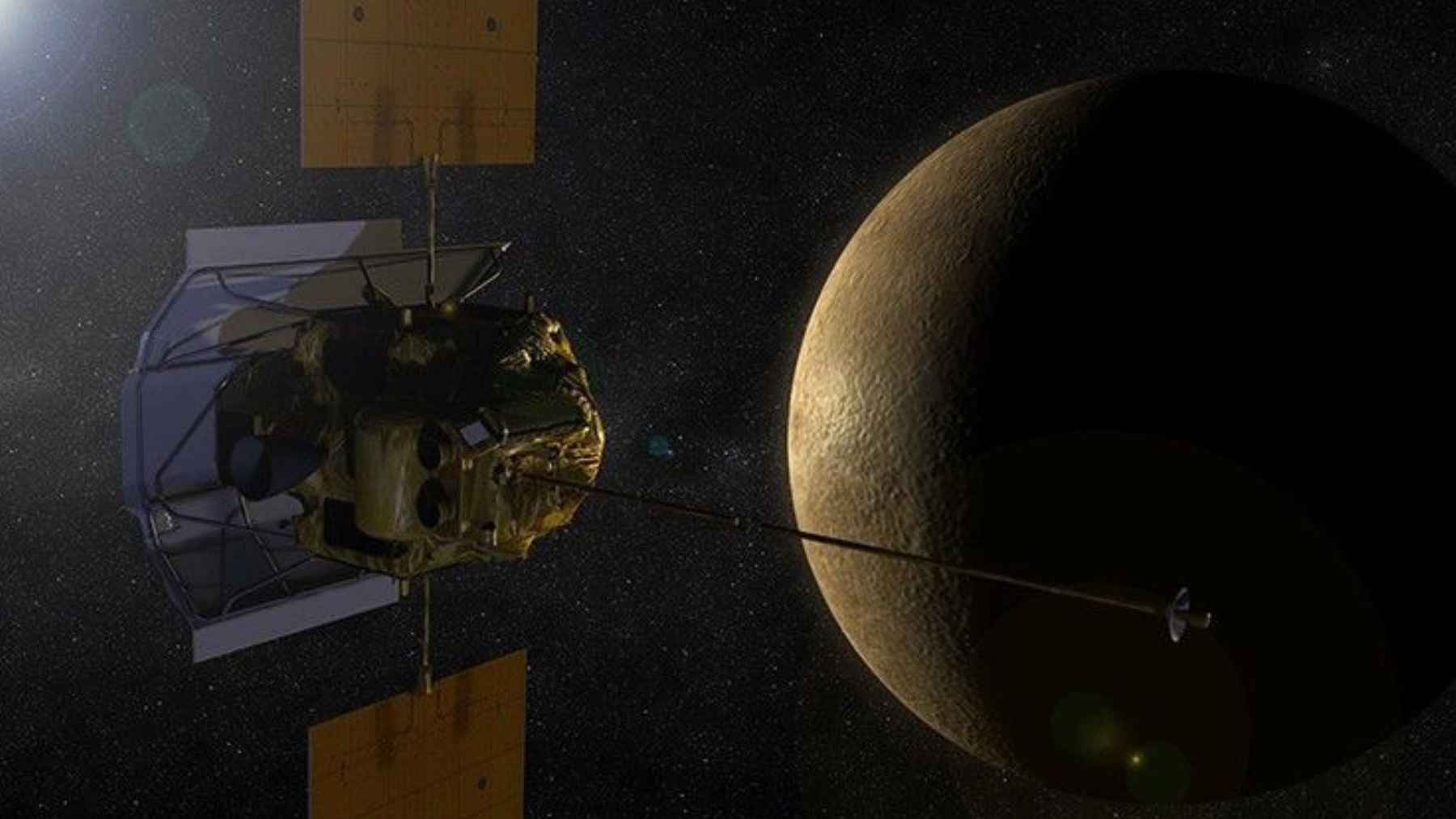
Bright slope lineae on Mercury detected in NASA MESSENGER images, suggesting recent geological activity on the planet’s crater walls.

For decades, Mercury had been considered a “dead” planet, but a study has just changed that idea. NASA has detected bright structures that point to current geological activity

—
April 4, 2026 at 4:08 AM
JOIDES Resolution research vessel at sea during the expedition that recovered the deepest mantle core ever drilled beneath the Atlantic Ocean

Scientists drill into the Mid-Atlantic Ridge and extract the deepest mantle core ever obtained at 4,160 feet

—
April 3, 2026 at 6:34 PM
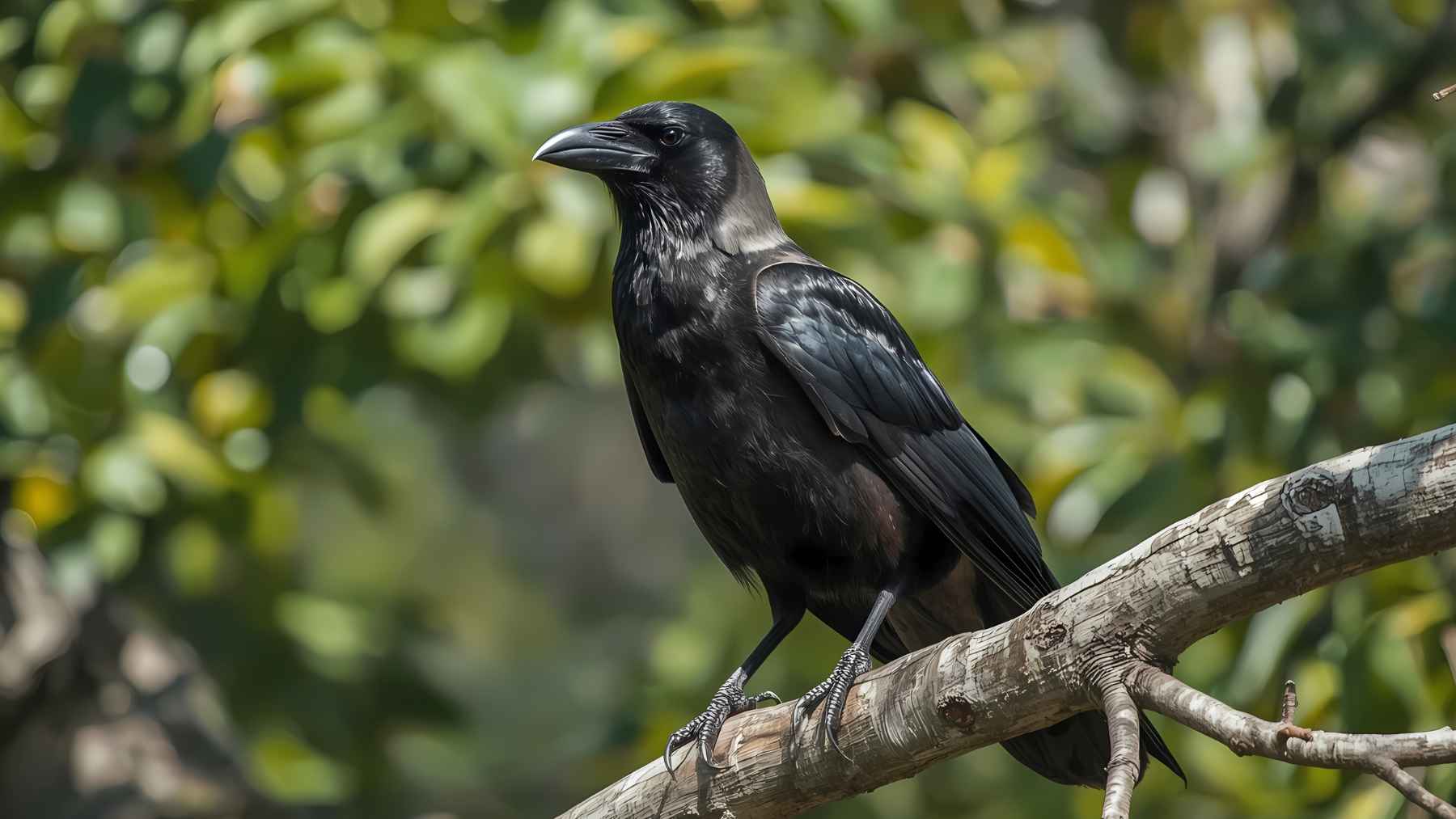
Carrion crow perched on a tree branch, the bird species used in a study on shape recognition and animal intelligence

Crows outperform monkeys in an intelligence test that until now was believed to be exclusive to humans

—
April 3, 2026 at 5:00 PM
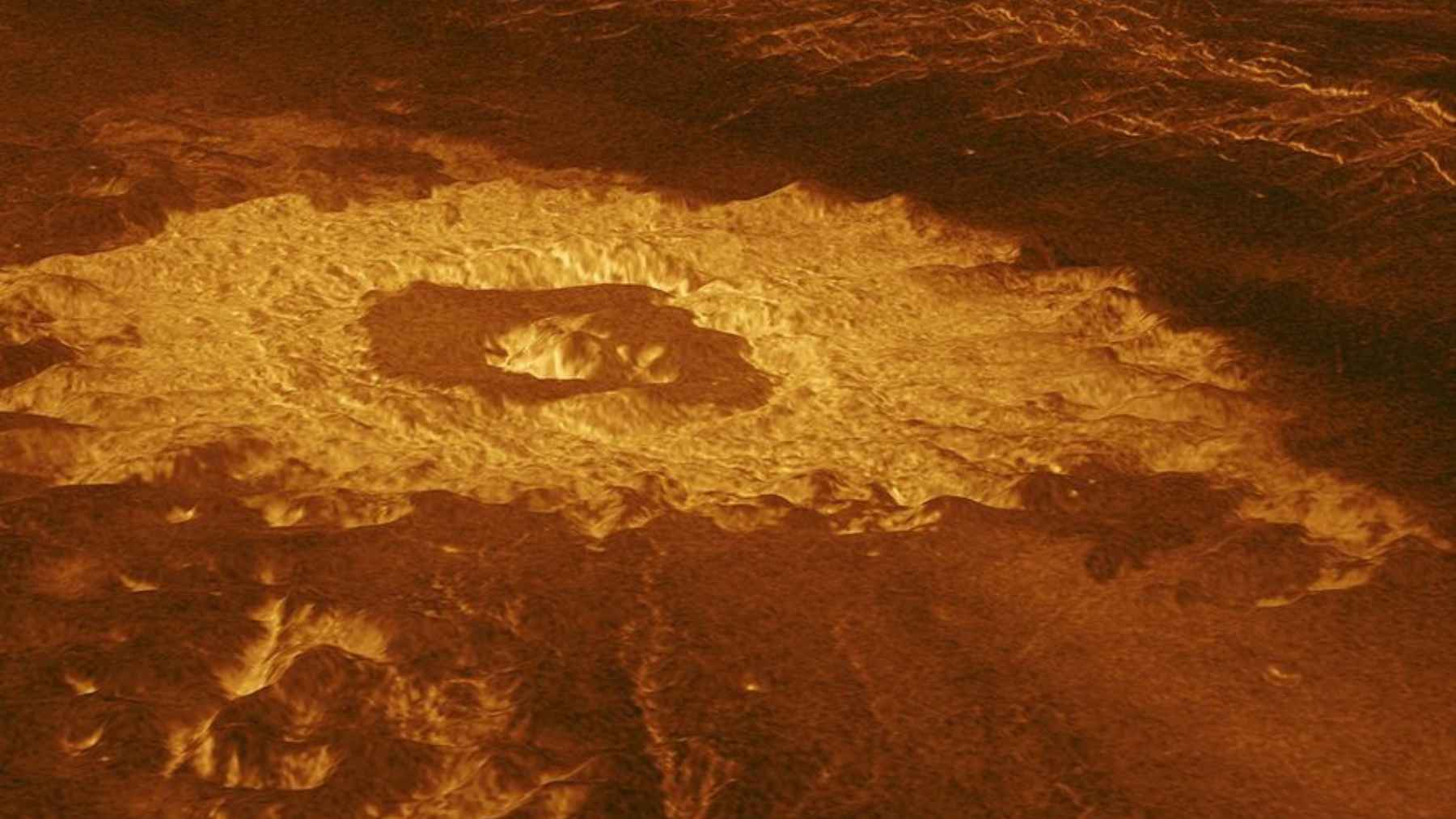
Radar view of the Venus surface near Nyx Mons, where scientists found evidence of a giant underground volcanic cave

Astronomers confirm for the first time the existence of a giant volcanic cave on Venus

—
April 3, 2026 at 3:00 PM
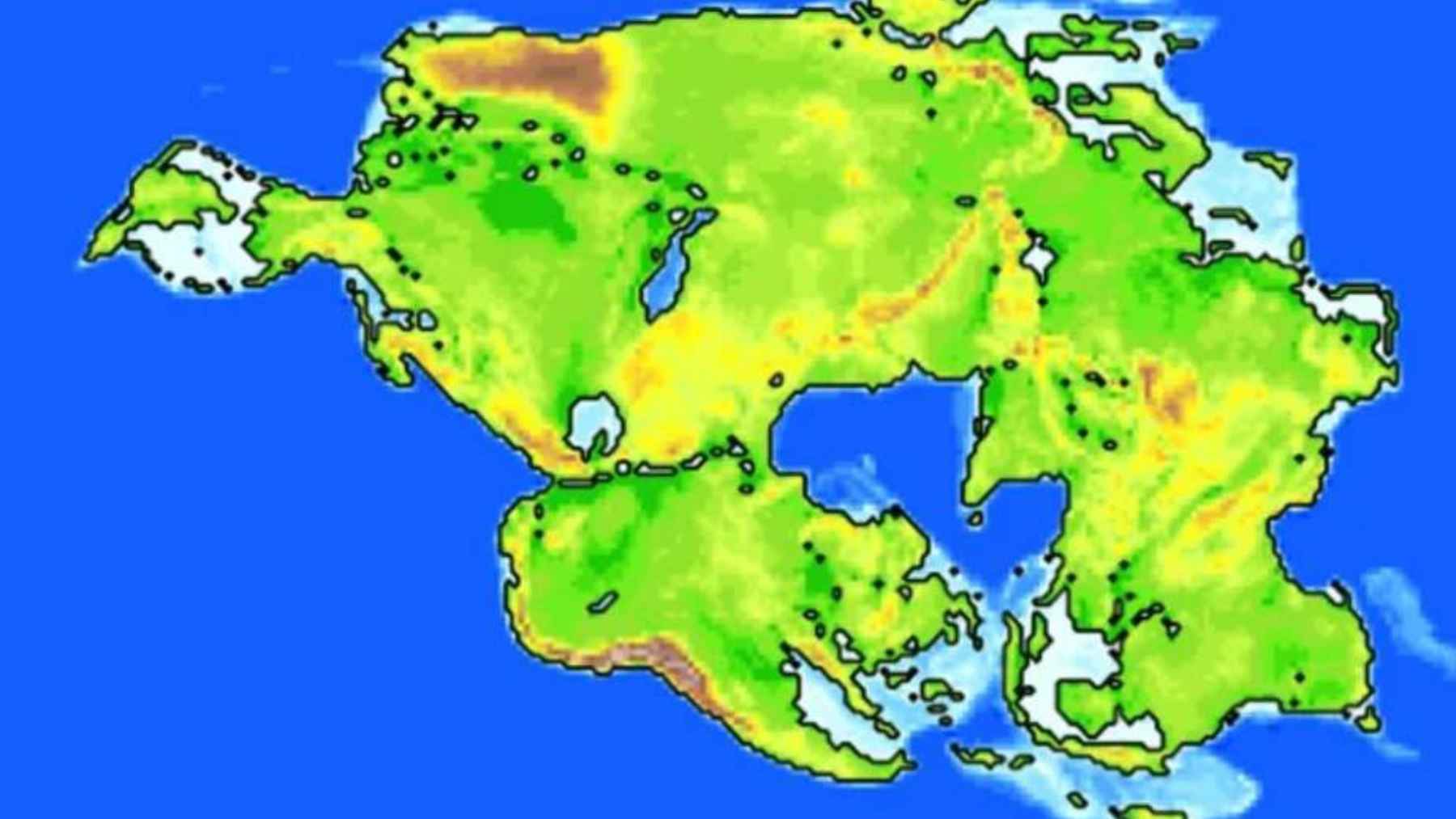
Illustration or map showing a future supercontinent configuration of Earth based on tectonic plate movement models

A new supercontinent could form in 200 to 250 million years and make much of Earth too hot for mammals

—
April 3, 2026 at 12:30 PM
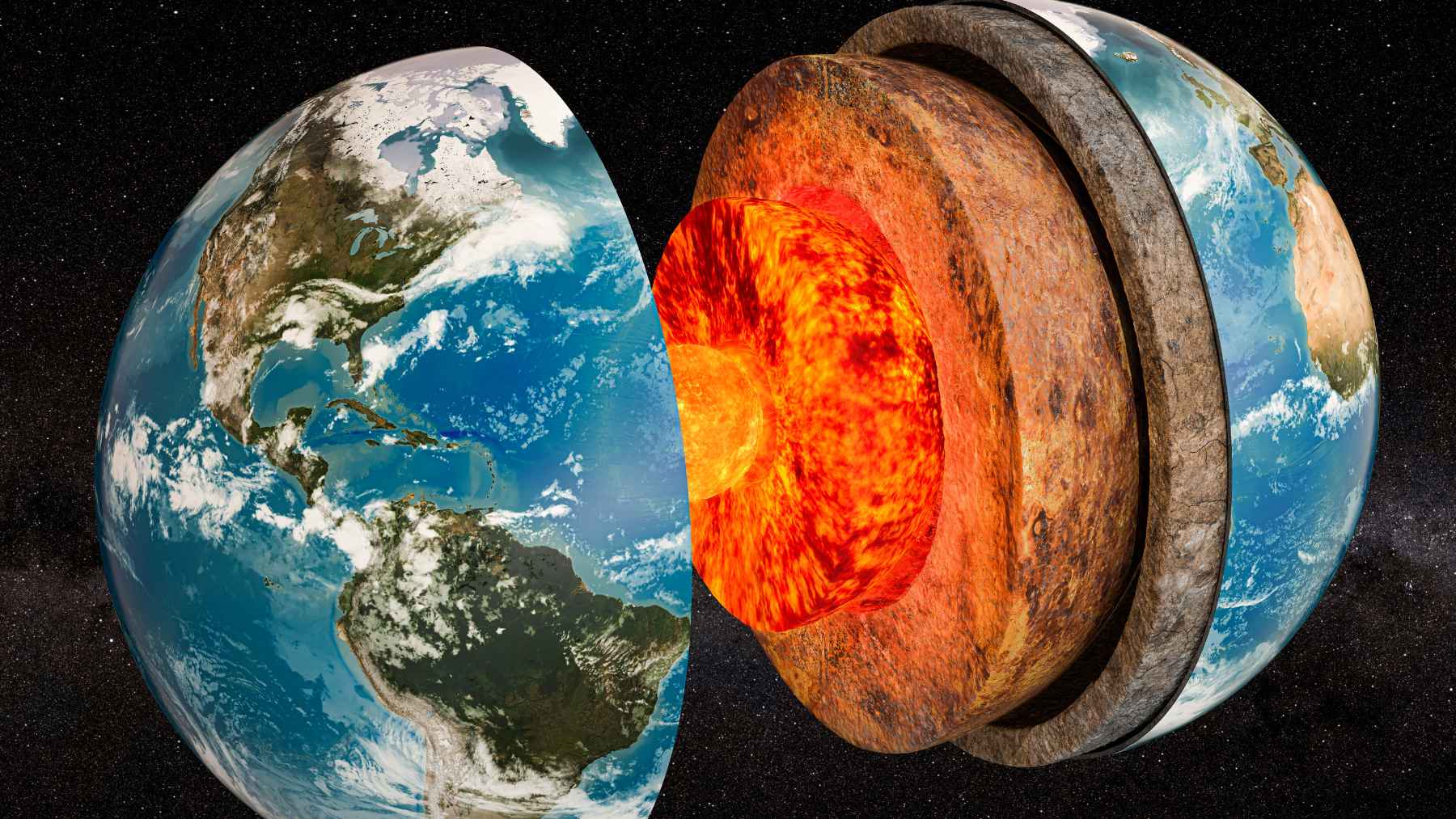
Scientist conducting high-pressure laboratory experiment simulating Earth’s core conditions to study hydrogen and water origins

A discovery in the Earth’s core casts doubt on the origin of much of the planet’s water and forces us to rethink what we knew about the formation of the oceans

—
April 3, 2026 at 10:15 AM
Wetland landscape in the Netherlands or Belgium linked to ancient hunter-gatherer populations studied through DNA research

Ancient DNA reveals that hunter-gatherers in what is now Belgium and the Netherlands survived until 2500 BC, when the rest of Europe was already engaged in agriculture

—
April 3, 2026 at 8:45 AM
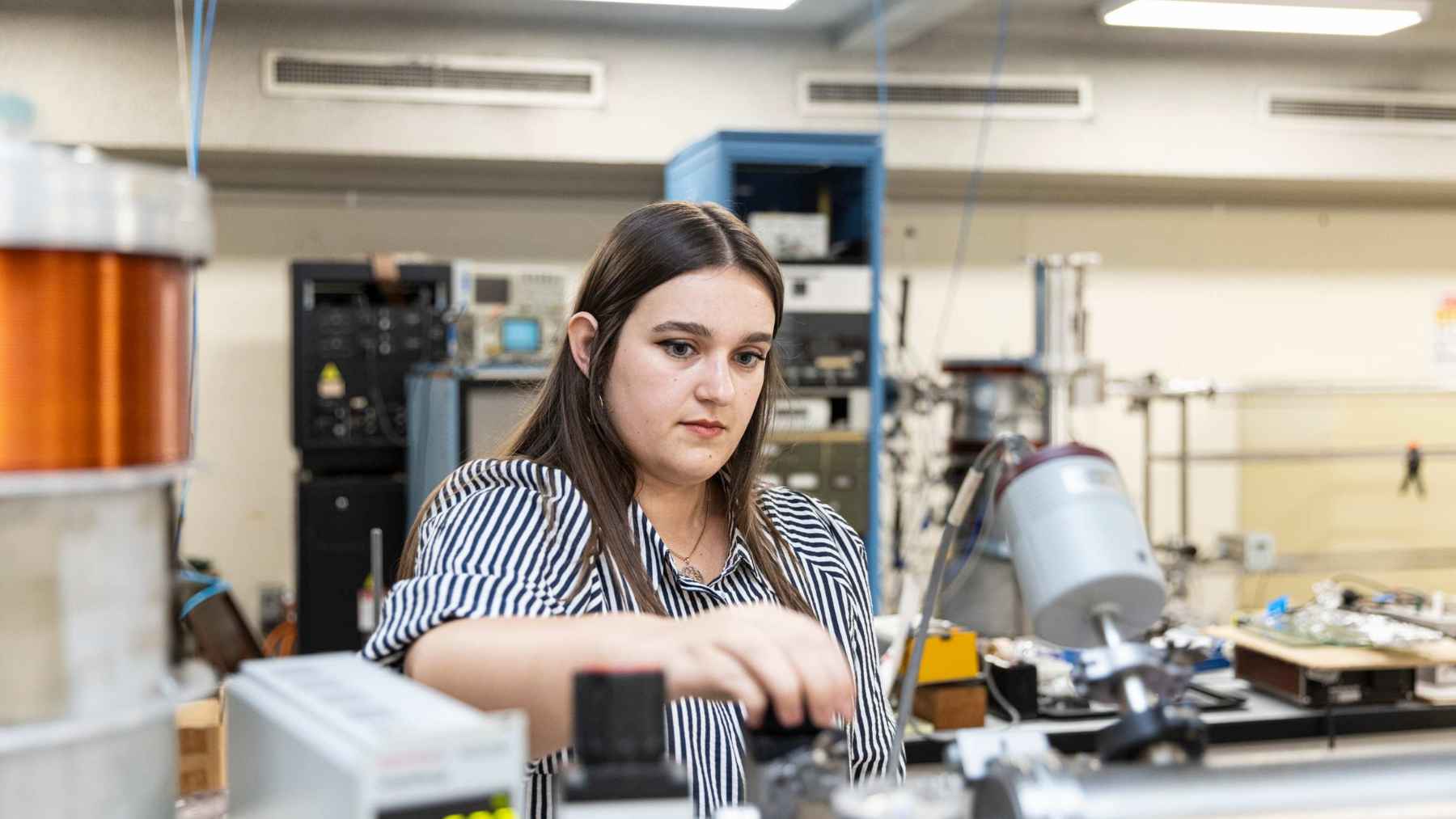
Student working in a laboratory while conducting research to recreate cosmic dust and study the origins of life’s ingredients

A student has created cosmic dust in the laboratory and may have revealed how the ingredients for life on Earth came about

—
April 2, 2026 at 6:30 PM
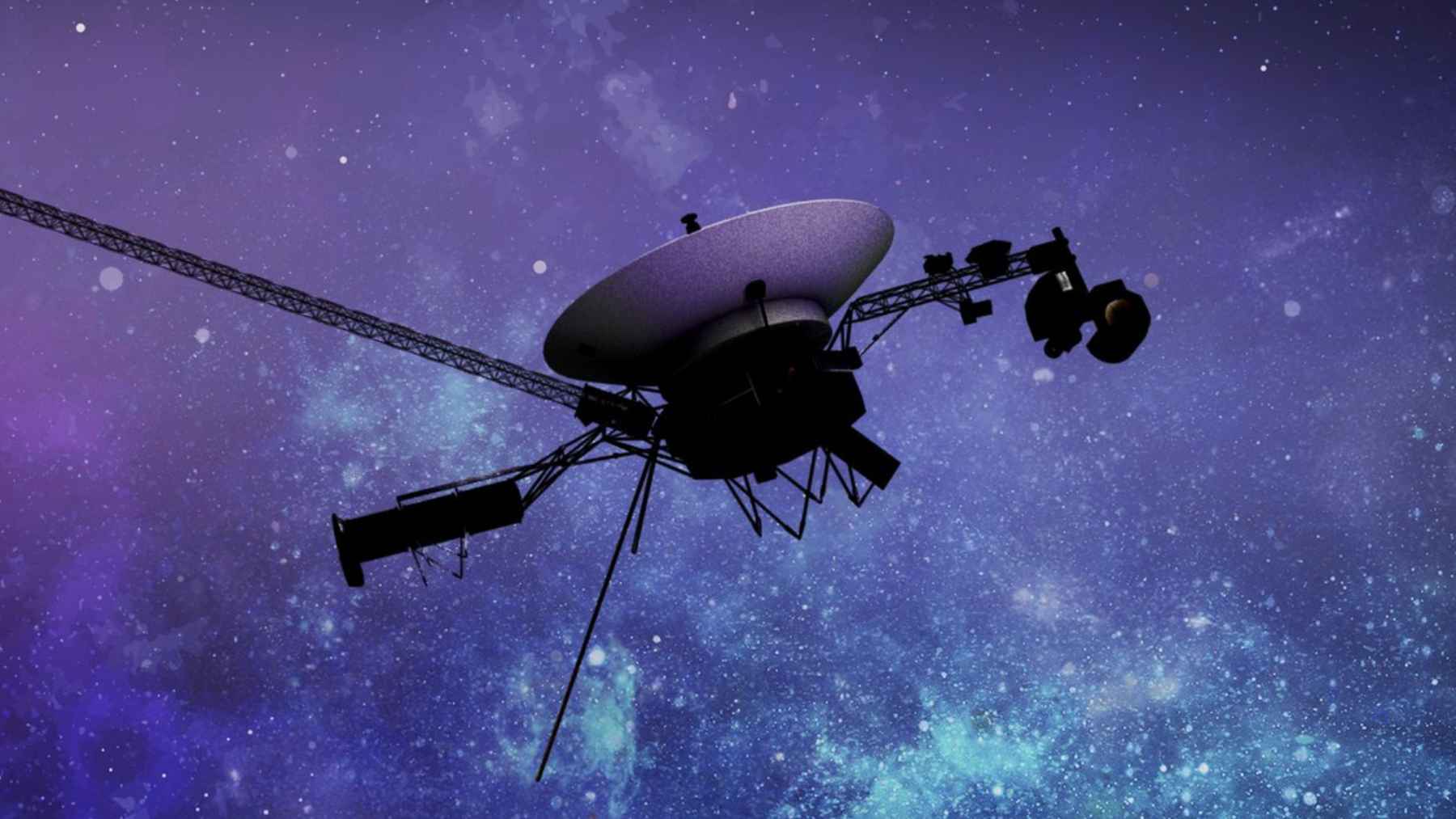
Dwingeloo radio telescope detecting Voyager 1 signal from deep space nearly 25 billion kilometers from Earth

A group of amateur astronomers has just “heard” a signal from 25 billion kilometers away, confirming that Voyager 1 is still transmitting from the outer reaches of the Solar System

—
April 2, 2026 at 5:00 PM
Previous Next

ECOnews alerts

Get the most relevant environment stories as soon as we publish them

ECOnews is the English-language edition of ECOticias.com, focused on environmental and sustainability news for a global audience: mobility, energy, economy, technology, science, environment and trending stories.

© 2026 ECOnews · ECOticias.com, the green newspaper since 2004 ↑ Top