Science
In 1964, scientists discovered that this marine mammal could sleep with half its brain awake, and it is not the only one that hardly ever rests
It’s not magic or witchcraft, it’s home chemistry that explains why onions and baking soda are used as “bait” and why insects are so attracted to them
A tectonic plate that had been “dead” for 200 million years has just reappeared beneath western North America, and scientists say it could be increasing seismic risk without anyone noticing
In 2022, they descended to the bottom of Utah’s Great Salt Lake and found a “worm” that, according to the textbooks, should not exist there and is now officially a new species to science
Japan sank to almost 8,000 meters below sea level, and what it found explains why the 2011 tsunami was much worse than anyone imagined
December 1938, a call from a ship and an “impossible fish” in South Africa: that’s how the day began when Marjorie Courtenay-Latimer turned 66 million years of science on its head
No weights or running: according to a study, this type of exercise improves sleep more than walking or cardio
The pink rocks of Antarctica reveal a gigantic secret structure hidden under the ice for 175 million years
In 1974, we confirmed that Sagittarius A was a black hole with a mass of 4 million suns, but now a study suggests that it may never have been one, and a technical detail will decide whether Hawking was right or wrong
They would not be insects or mammals: humanity’s most likely successor lives under the sea and is smarter than you think
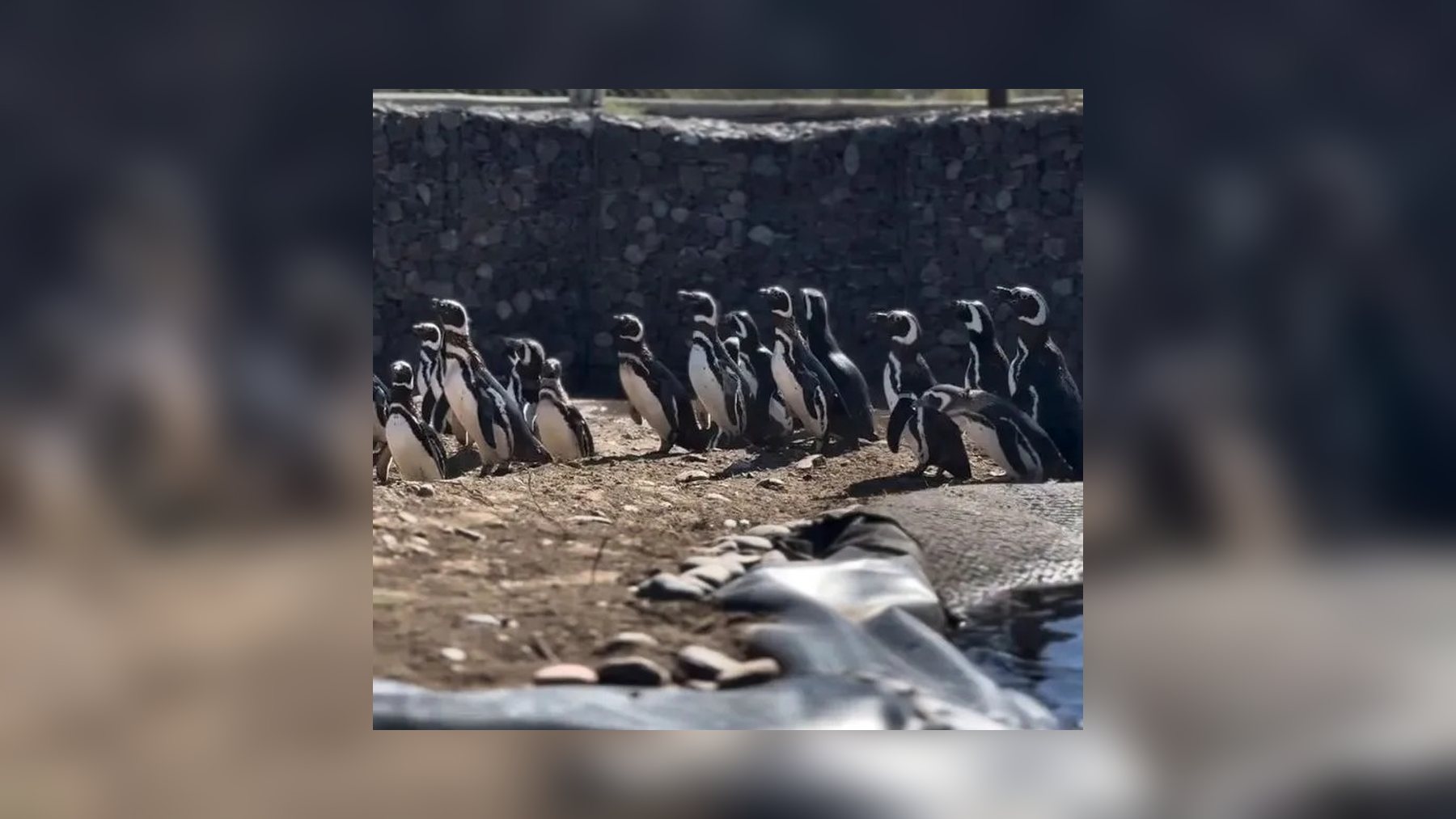
Argentina achieved the unthinkable after 110 years, and the “return” of this mammal to the Chaco is already changing the ecosystem from day one
China has just activated a 35.6-tesla magnet, 700,000 times more powerful than the Earth’s magnetic field, and the big question is what it intends to do with such power in 2026
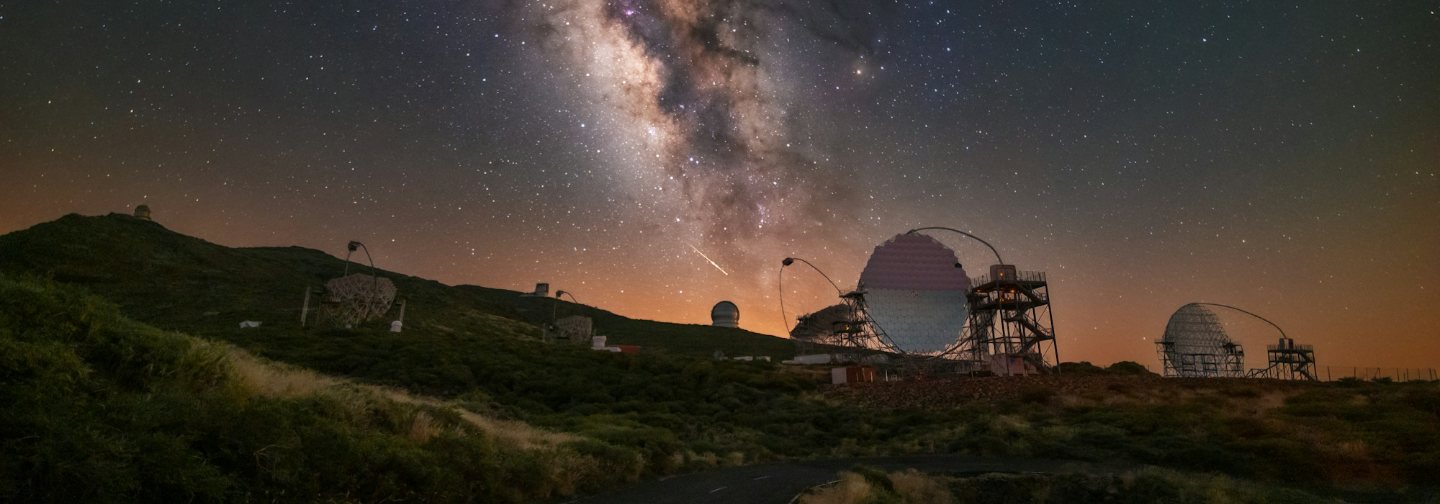
NASA makes it clear: the “monster” located at the center of the Milky Way (4 million suns) has a set date for its “awakening”
Goodbye to dialysis as we know it: Scientists create artificial kidneys from human stem cells, paving the way for a new era in regenerative medicine
Time is not the same in all materials, and an experiment shows that an electron can take between 26 and more than 200 attoseconds, depending on where it is located