Science
Geology, paleontology, physics, space and the natural world
In Science, ECOnews reports on new discoveries in geology, paleontology, physics, space, health and the natural world. We explain the latest studies from universities and labs worldwide in plain language.
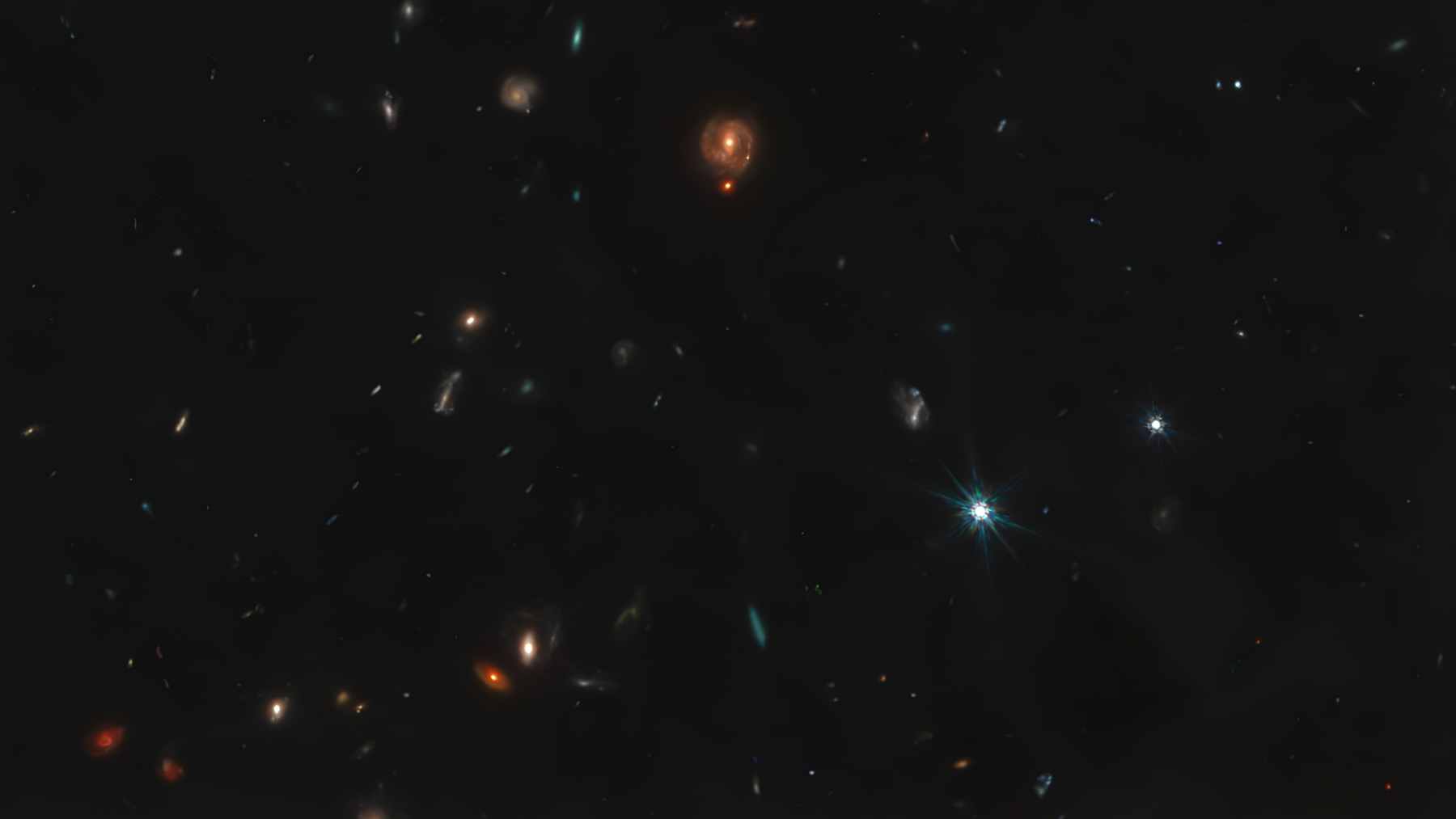
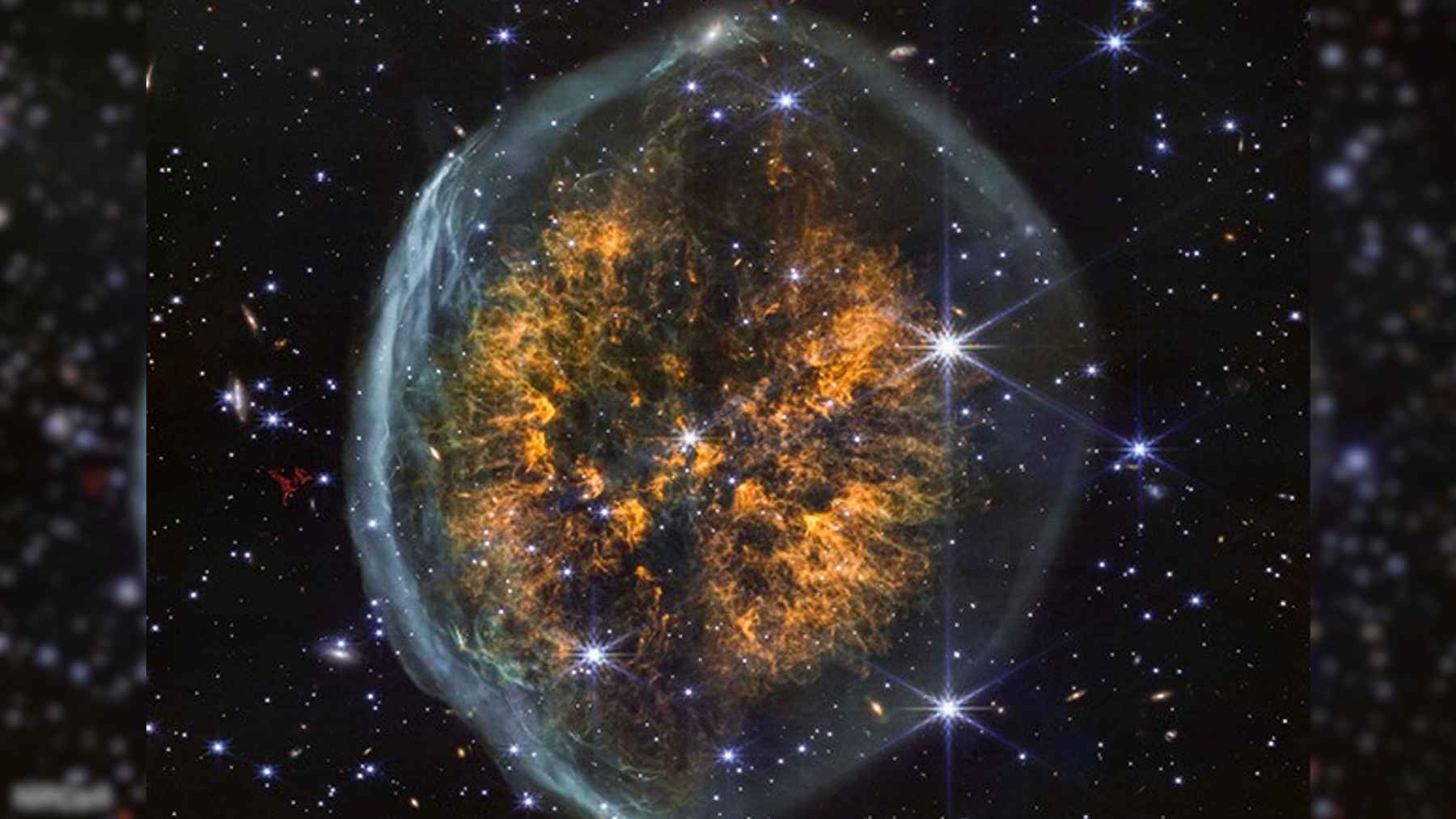
The James Webb Space Telescope detected strange red spots in the early universe, and now a study suggests that they were not galaxies, but young black holes growing at a breakneck pace
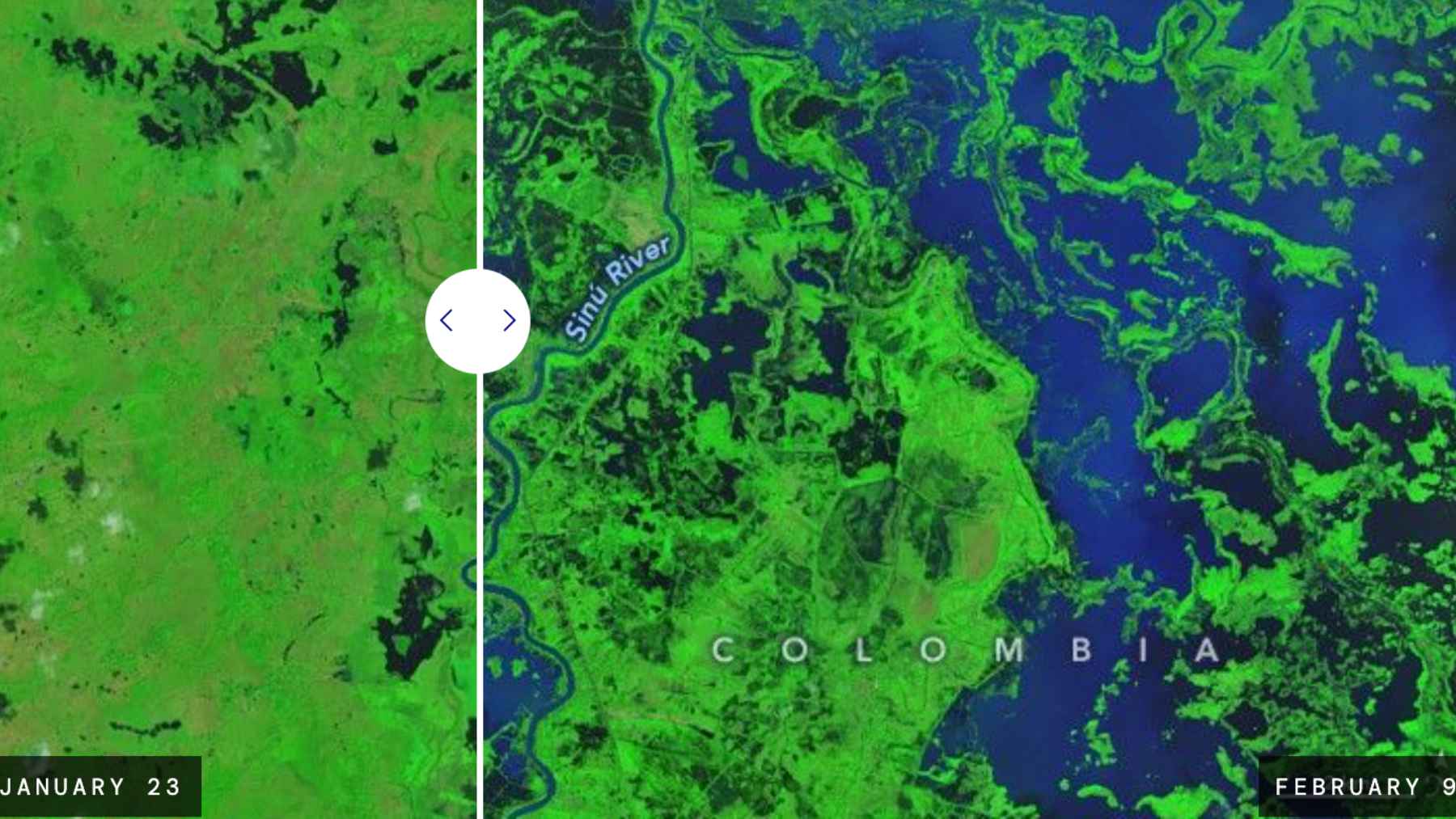
How one of Colombia’s most important livestock-raising regions came to resemble a giant lake in just a few days following the rains of February 2026, which were so unusual that they could be seen from space
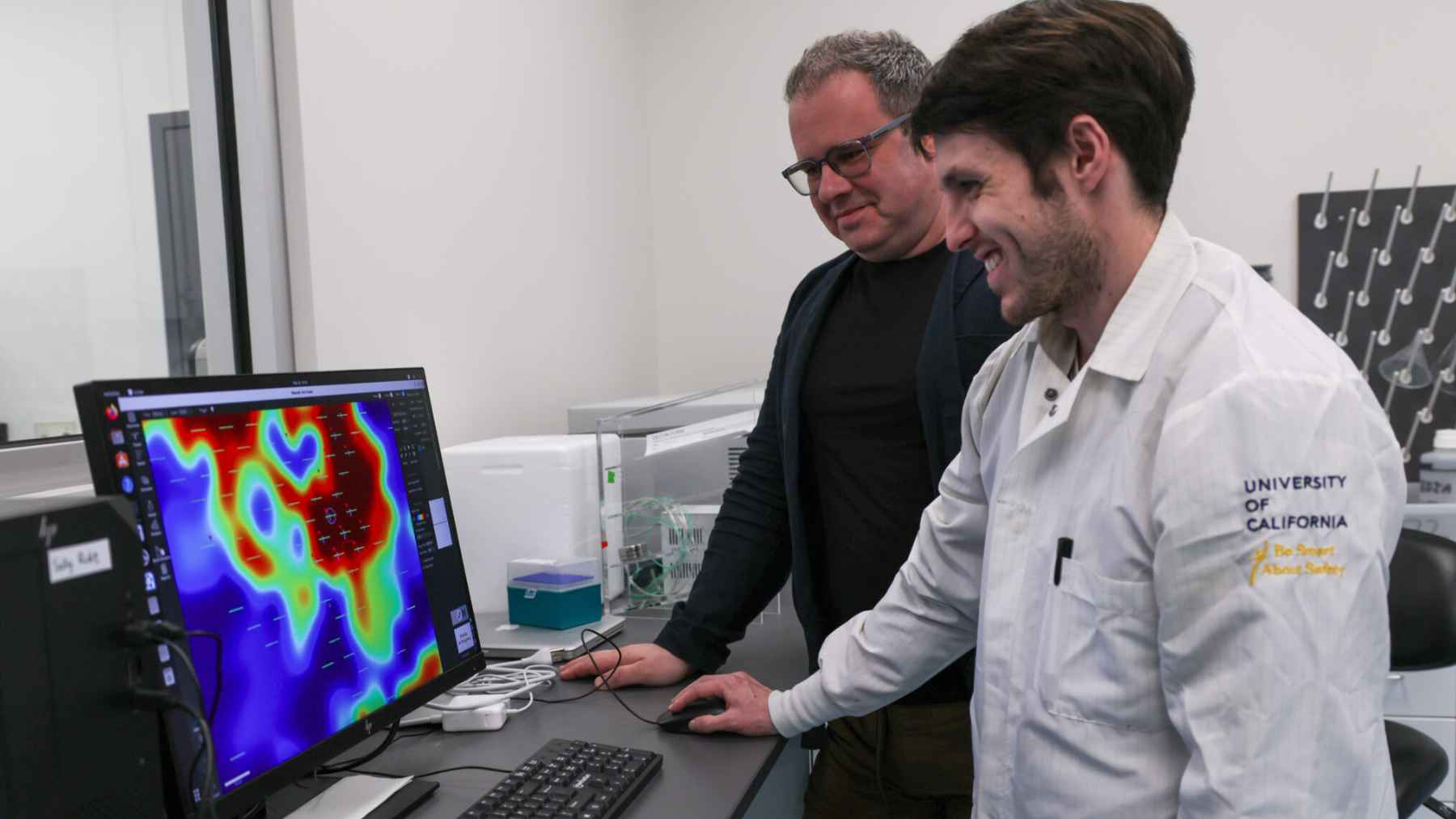
A “mini-brain” created in the lab faces the challenge of solving one of engineering’s most complex problems, and what happens in just 45 minutes raises a profound question about artificial intelligence
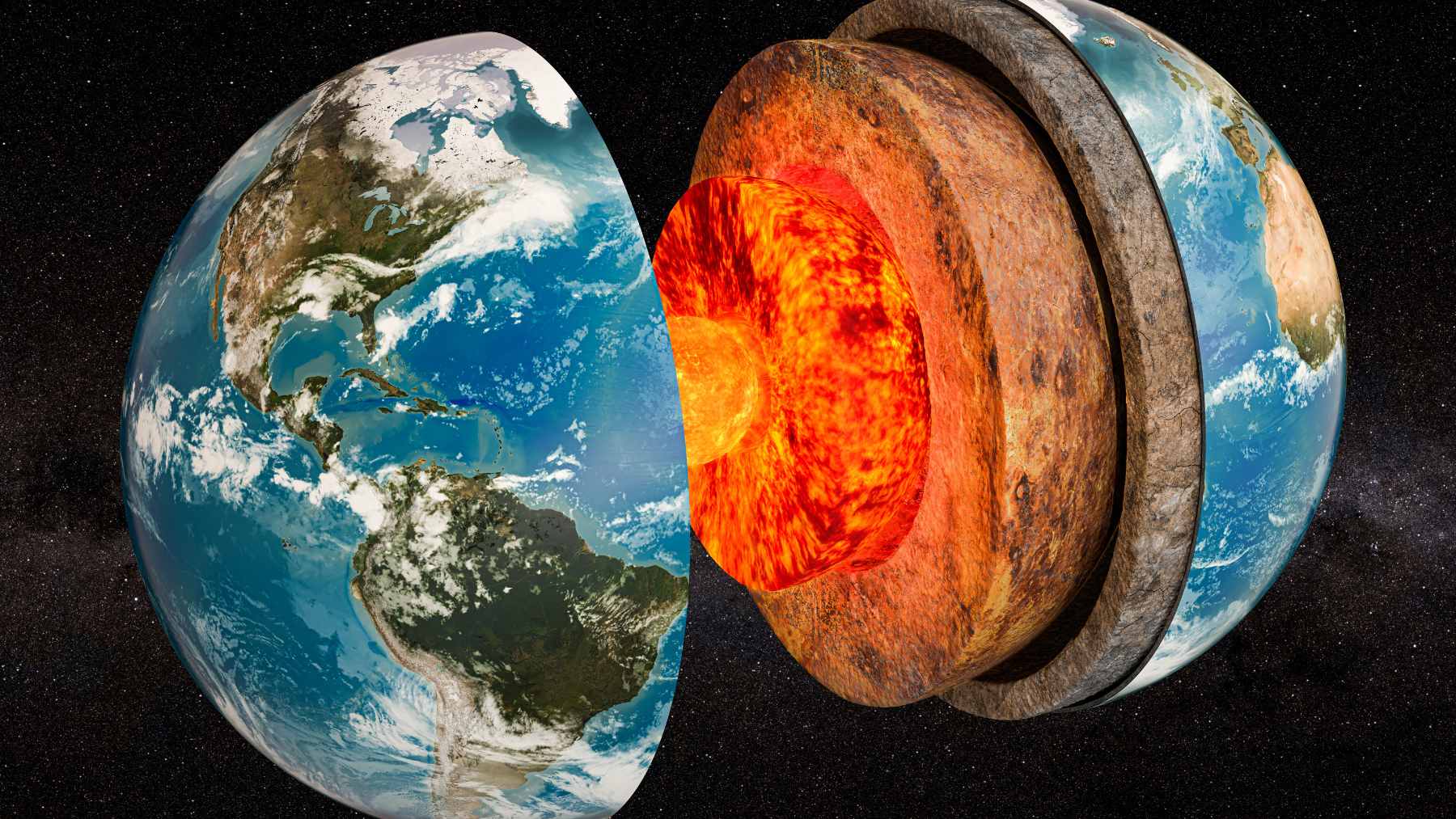
Earth already did it 200 million years ago… and it’s going to do it again: the supercontinent that could wipe humans off the map
An “underground sea” of fresh water has been discovered beneath the Atlantic Ocean, so large that it could supply New York City for 800 years
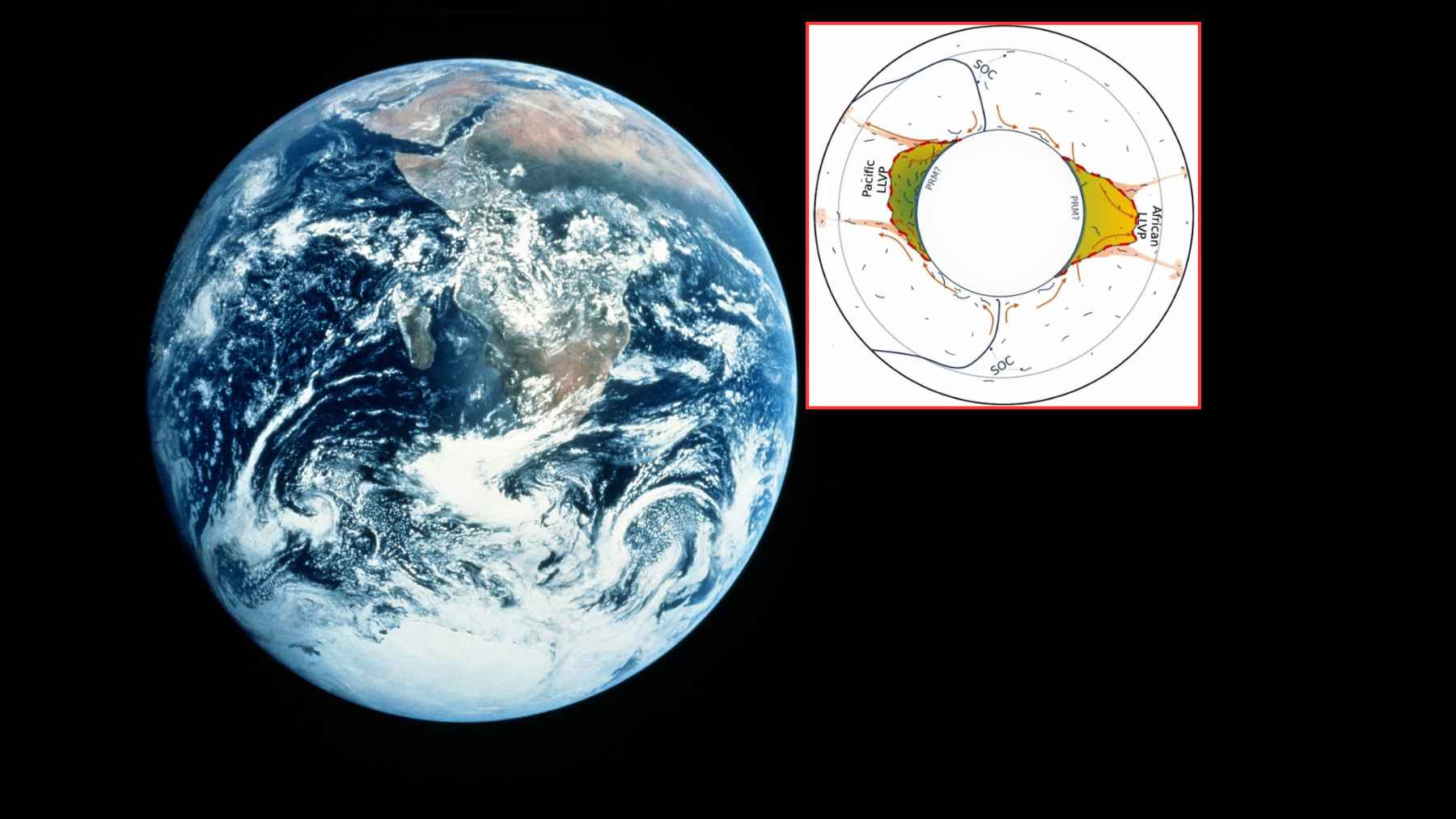
A study of the deep structures of the Earth’s mantle raises new questions about the future stability of the planet’s magnetic field
For the first time, they “saw” a tectonic plate breaking apart under the Pacific, and what they found was not a crack, but an entire system
An expedition discovers an infected giant tarantula, and the find is so rare that it has left scientists with a thousand questions
Human DNA reopens the last great mystery of Genghis Khan, and what scientists have discovered could change everything we thought we knew about his descendants
The project that threatened one of Earth’s clearest skies has been canceled, and astronomers are celebrating because Paranal will no longer face its most feared invisible enemy
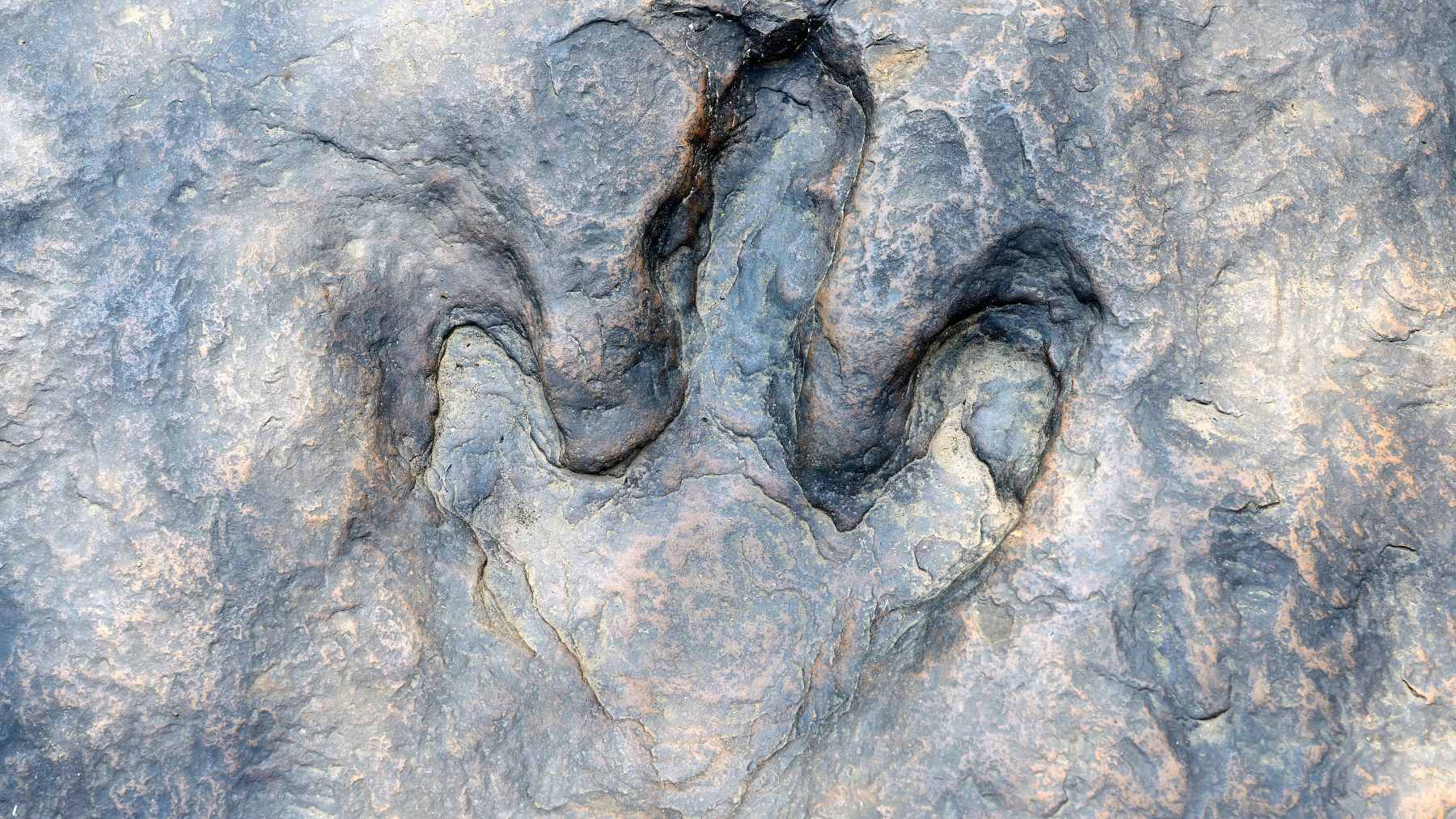
An artificial intelligence application identifies dinosaur footprints with 90% accuracy… and may have found the footprints of the planet’s first birds, dating back 200 million years
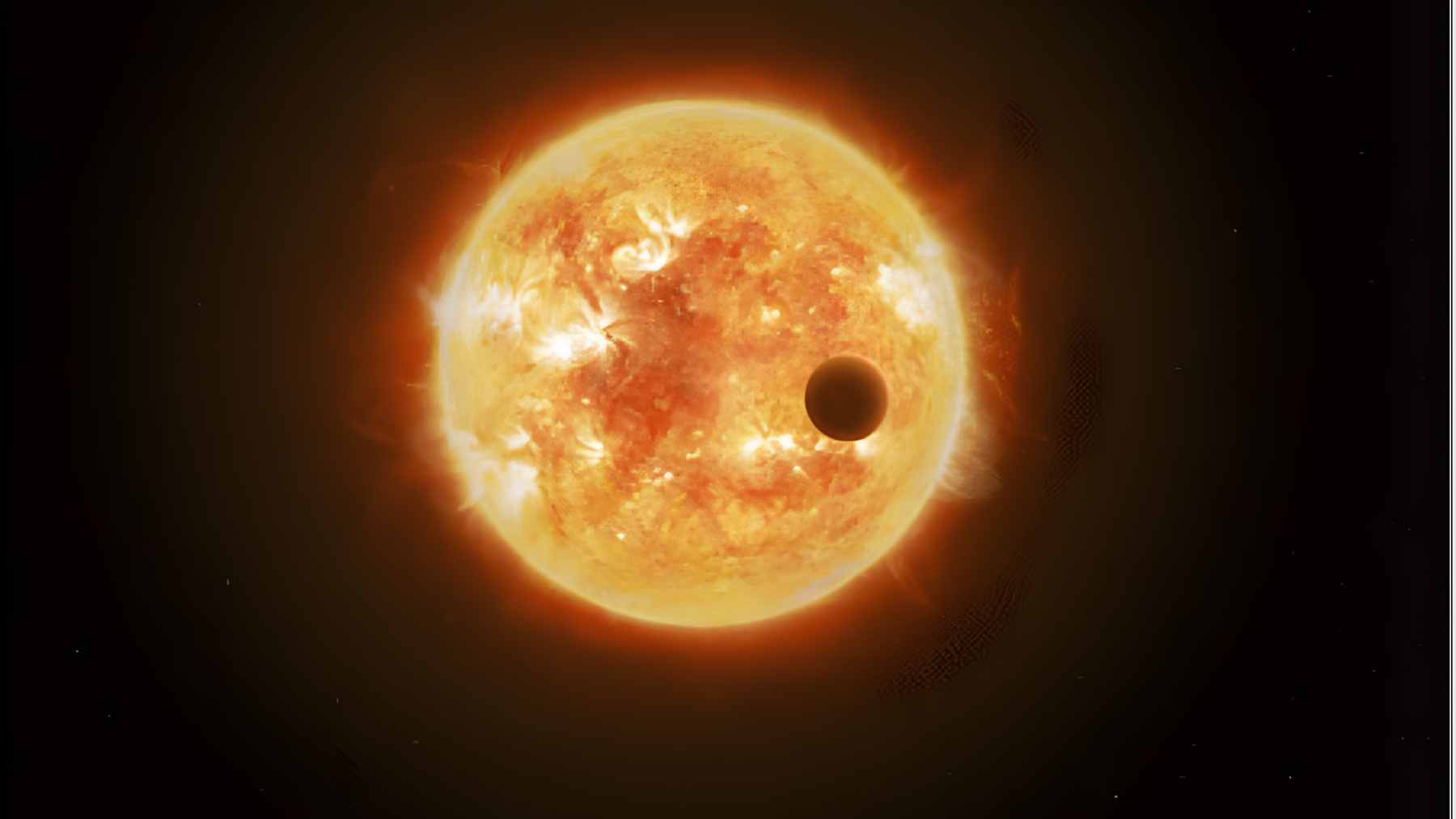
Astronomers discover a solar system 120 light-years away with two “Earths” and an arrangement so strange that it doesn’t fit any known formation model