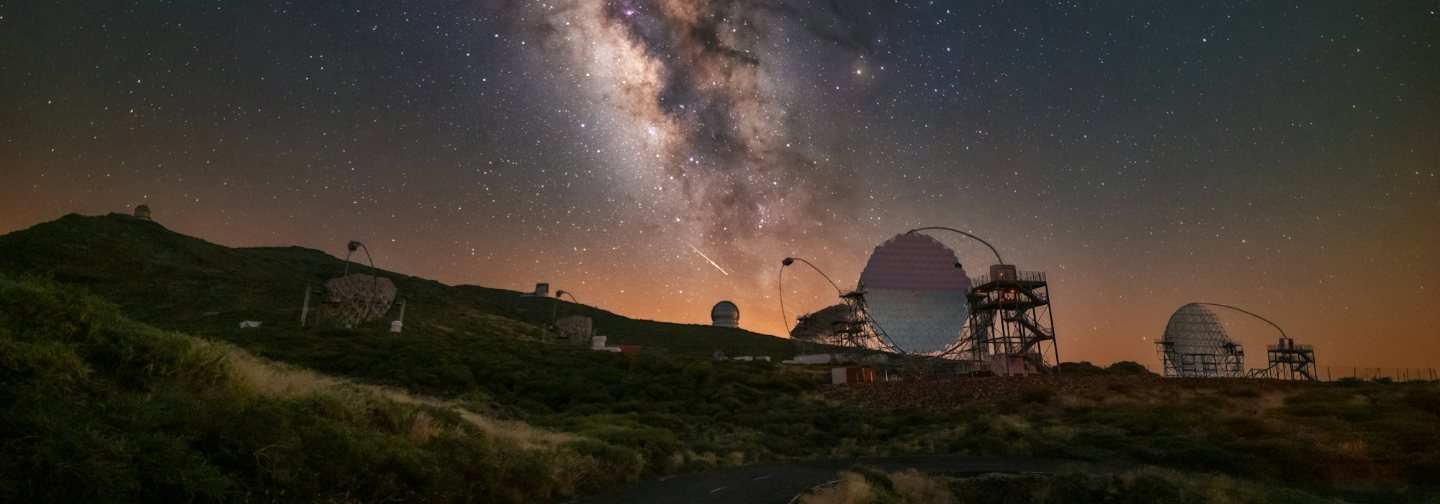
Observatory under the Milky Way at night

Science

Geology, paleontology, physics, space and the natural world

In Science, ECOnews reports on new discoveries in geology, paleontology, physics, space, health and the natural world. We explain the latest studies from universities and labs worldwide in plain language.
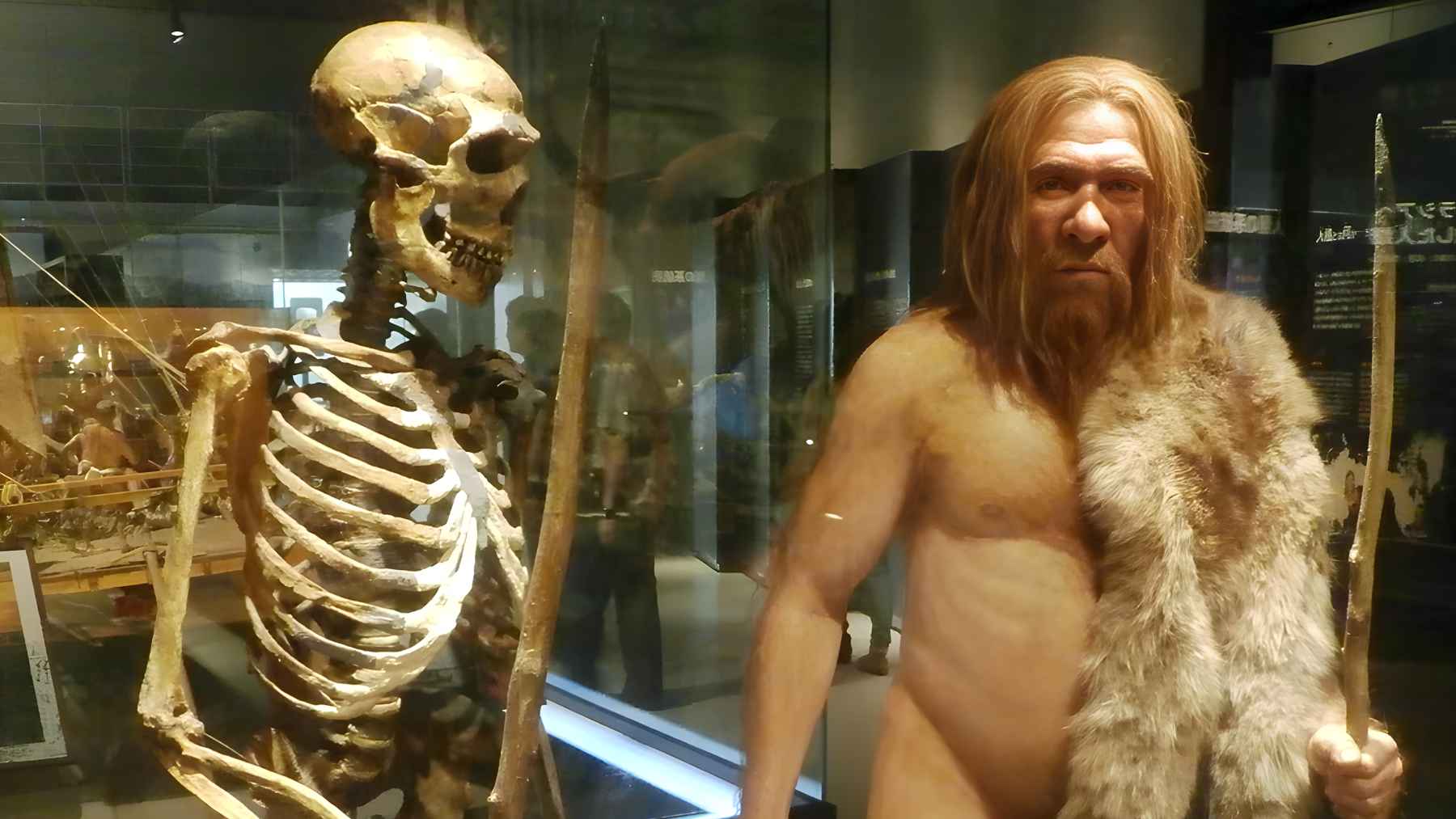
llustration of Neanderthal and Homo sapiens individuals representing interbreeding patterns revealed by X chromosome DNA analysis

What if DNA were telling a story of unequal attraction between sapiens and Neanderthals that is far more human, complex, and uncomfortable than we had imagined until now?

—
April 30, 2026 at 6:30 PM
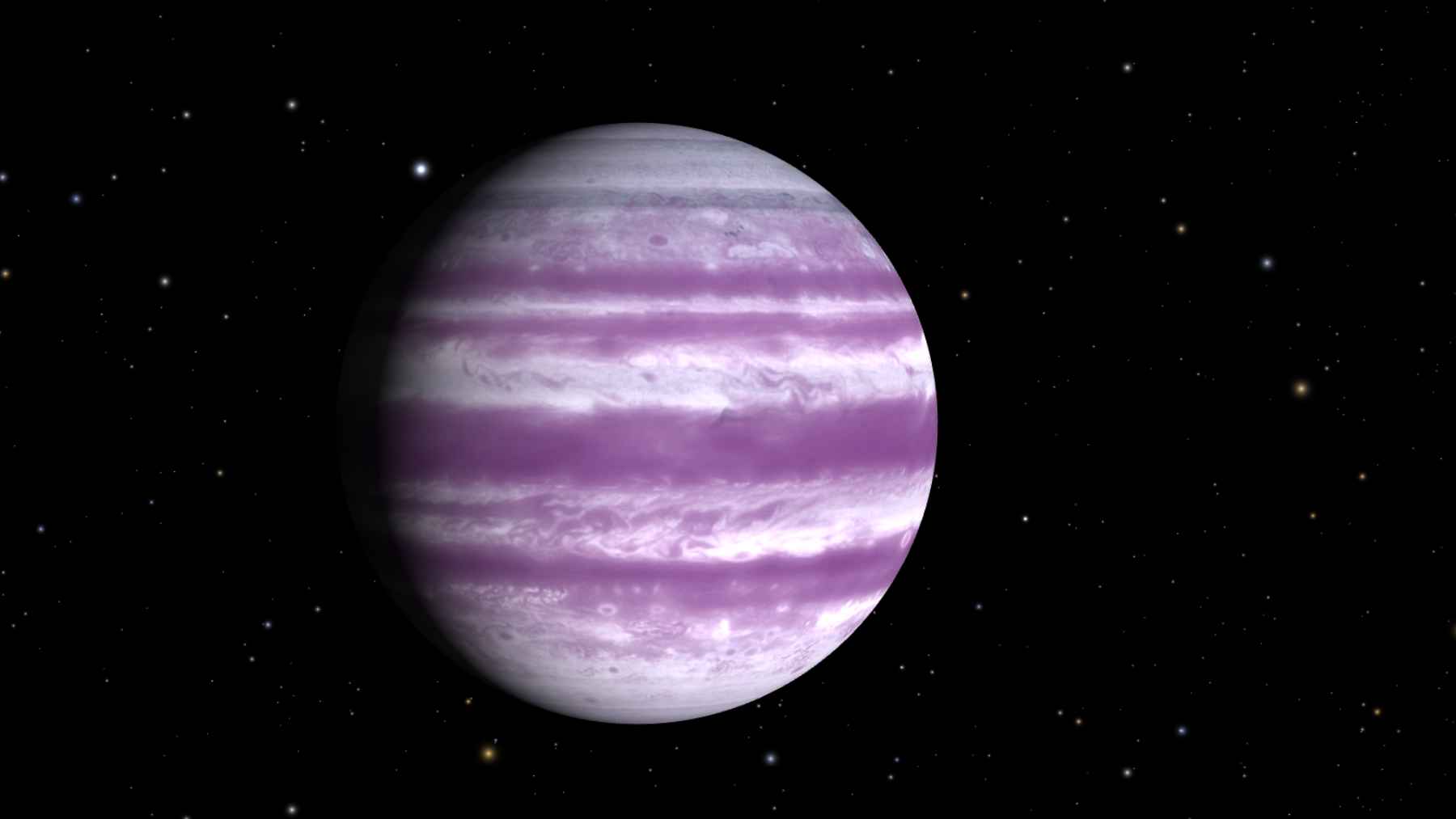
Artist’s illustration of a super-Earth exoplanet orbiting a red dwarf star in the habitable zone

A potentially habitable super-Earth has been discovered just 10 light years away, and the big question of what might be waiting for us out there returns with a vengeance

—
April 30, 2026 at 5:00 PM
Leonardo da Vinci’s Vitruvian Man showing a human figure inscribed in a circle and square with geometric proportions

After 500 years, they believe they have found the key that could solve one of the greatest mysteries of the Vitruvian Man, Leonardo’s most famous and enigmatic drawing.

—
April 30, 2026 at 3:00 PM
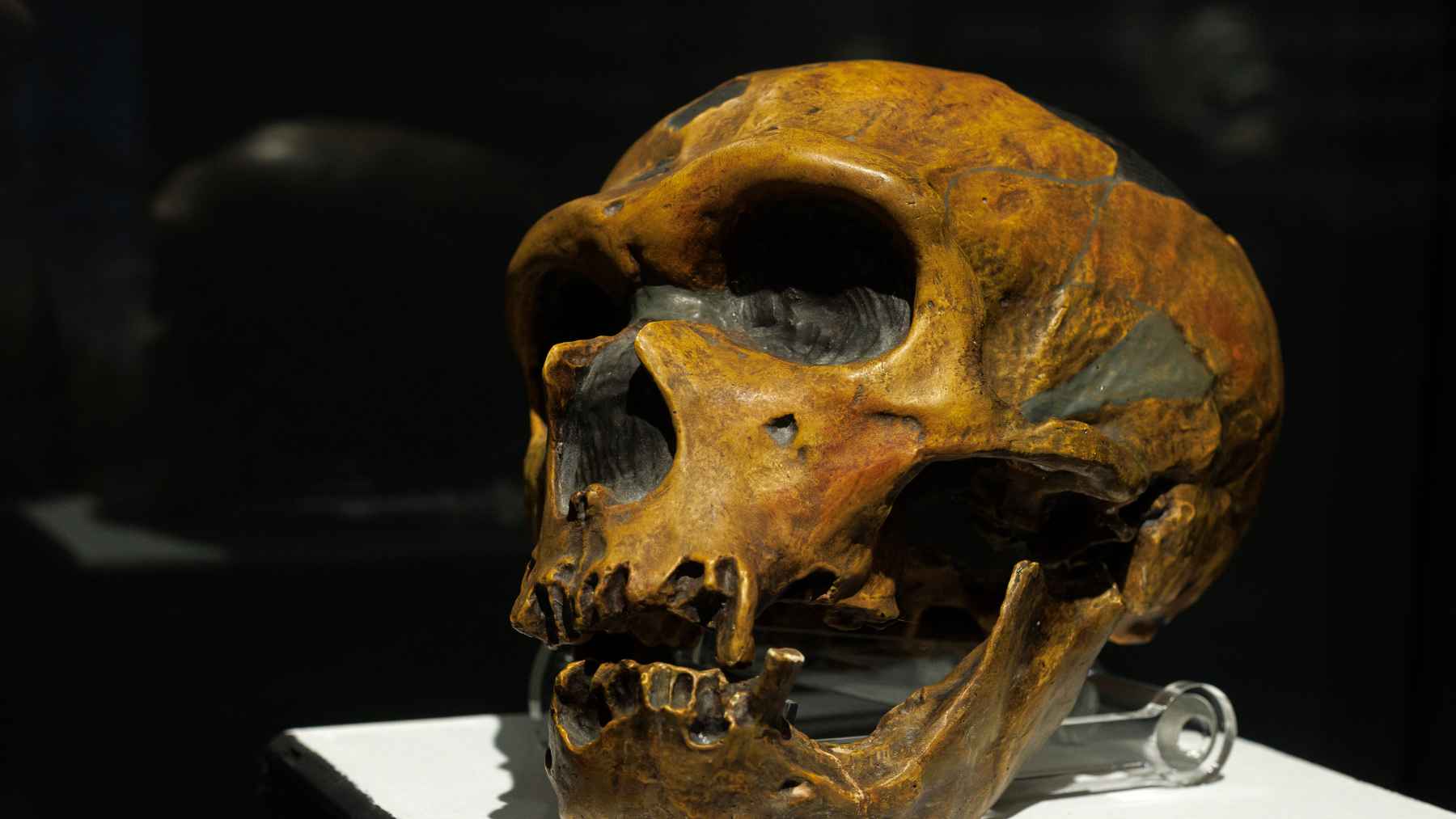
Reconstruction of a Neanderthal male and a Homo sapiens female illustrating interbreeding patterns suggested by genetic research

A new study suggests that human women and Neanderthal men interbred much more frequently than previously thought, which rewrites part of the history of our origins

—
April 30, 2026 at 10:15 AM

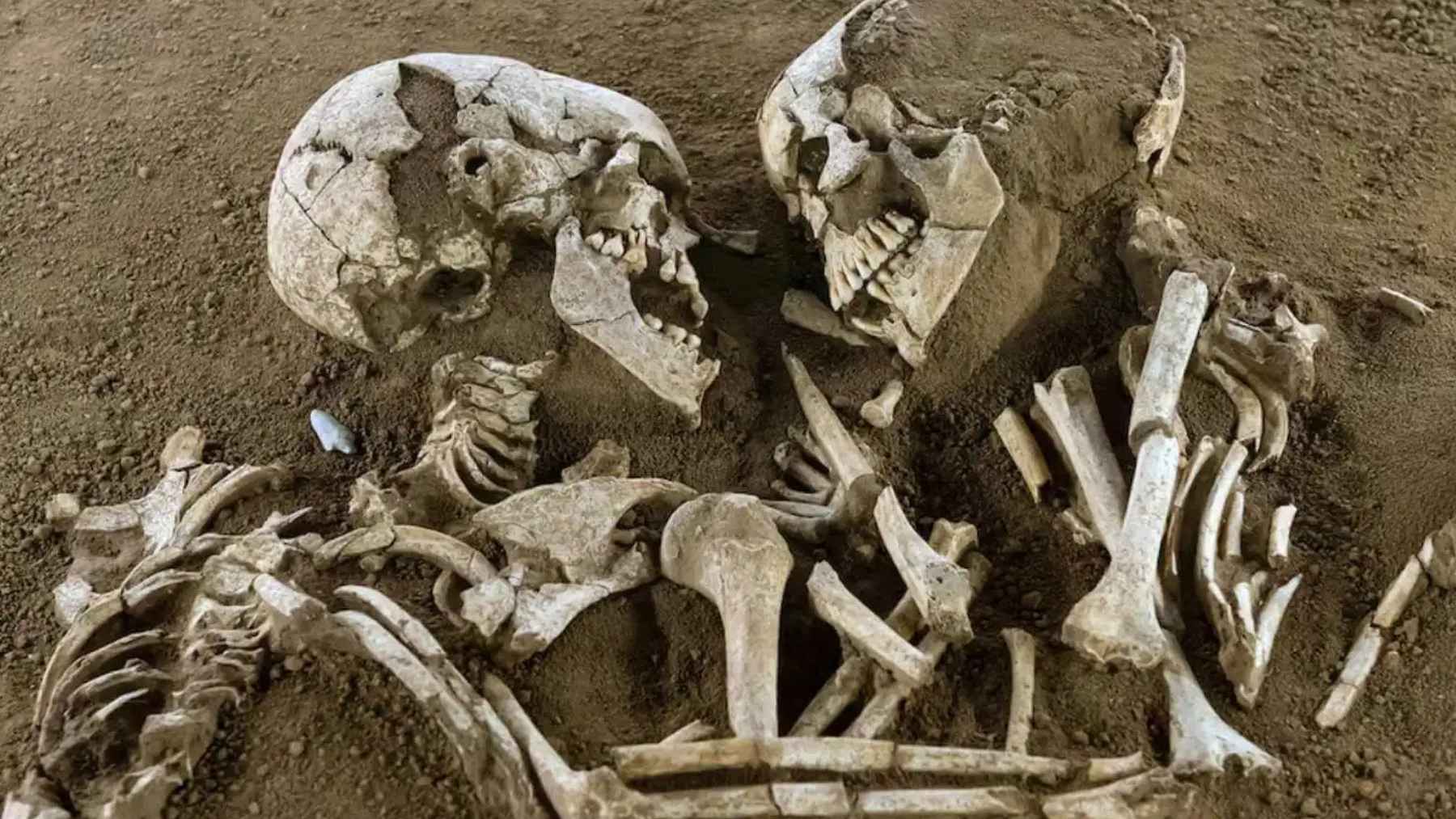
They embraced for 12,000 years, and now DNA has revealed that this Paleolithic scene was even more moving and mysterious than it initially appeared

—
April 30, 2026 at 6:30 AM
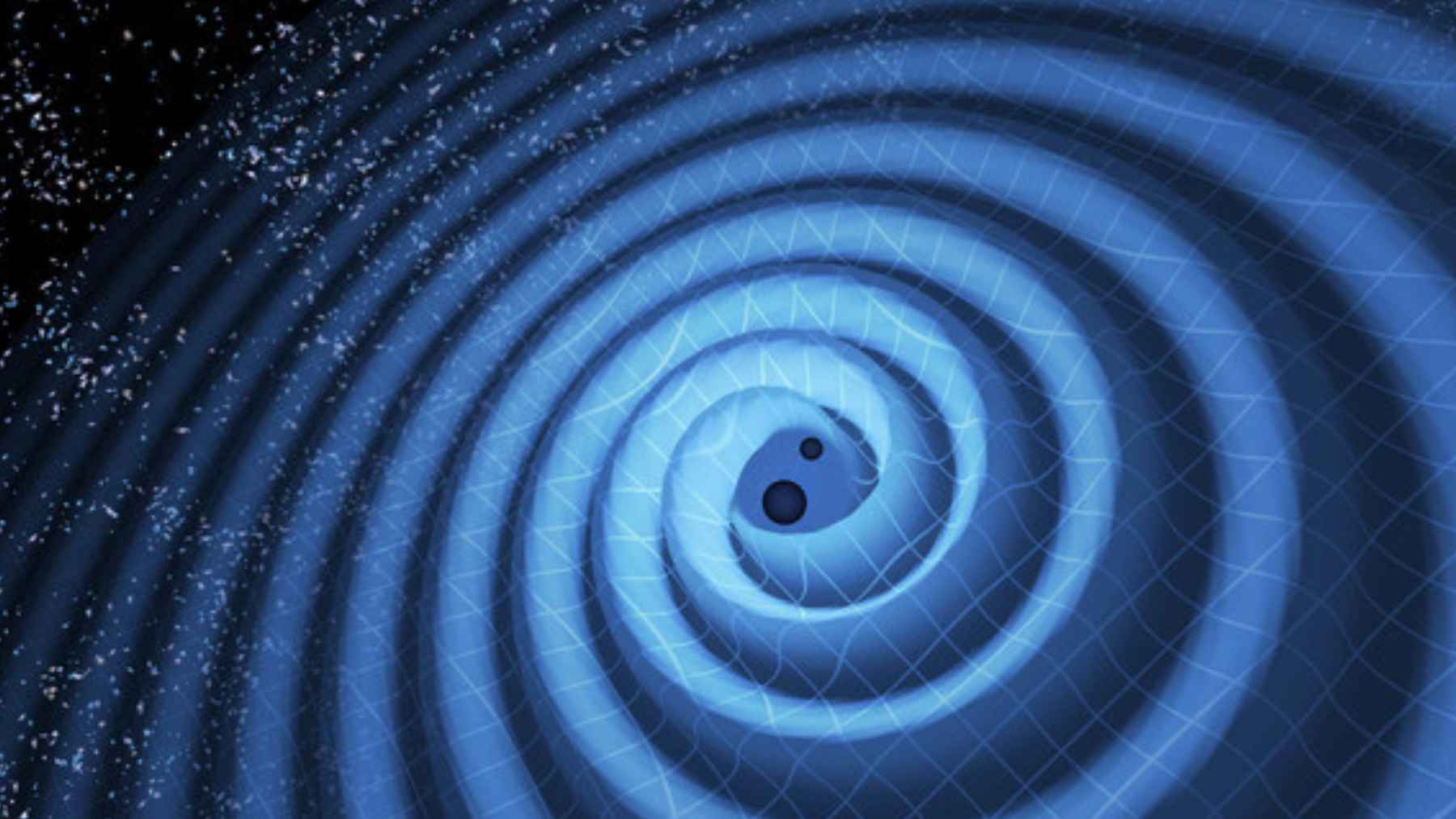
View of the Moon’s surface illustrating a proposed site for a lunar gravitational-wave detector designed to capture faint cosmic signals

Scientists want to build an instrument on the Moon capable of detecting black hole collisions, and the Moon’s near-total silence could be the key to the project’s success

—
April 29, 2026 at 6:30 PM
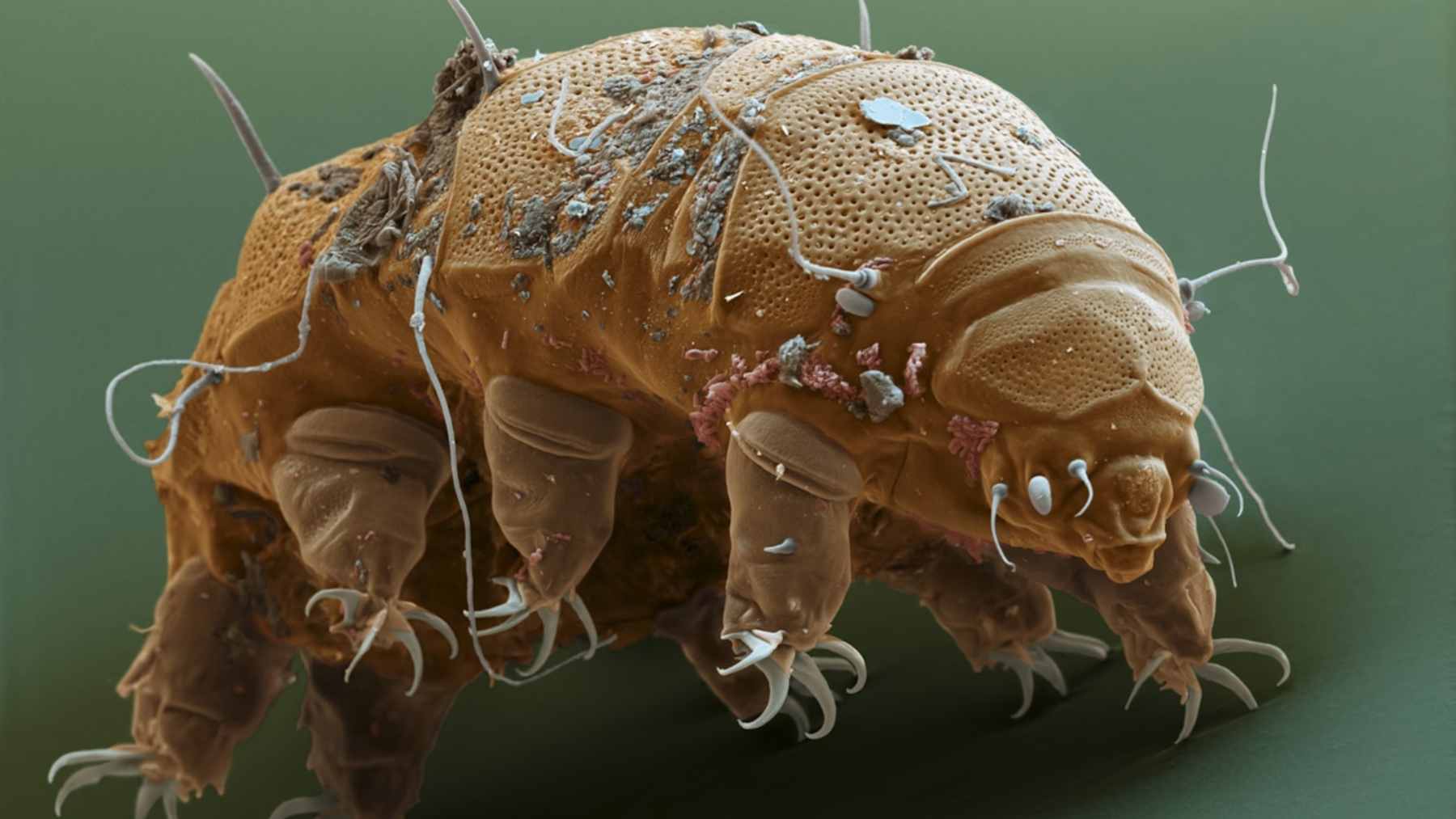
A microscopic image of a resilient tardigrade, also known as a water bear, crawling among fine dust particles.

Tardigrades have gone from being tiny, extremely rare creatures to becoming true guardians of the galaxy, in a story that combines extreme biology and planetary protection

—
April 29, 2026 at 5:00 PM
A microscopic visualization of brain tissue neurons glowing after being successfully thawed from a deep cryogenic freeze.

They froze a brain and then managed to reactivate its electrical activity—a phrase that sounds like science fiction, but is already becoming a central part of real scientific discourse

—
April 29, 2026 at 3:00 PM
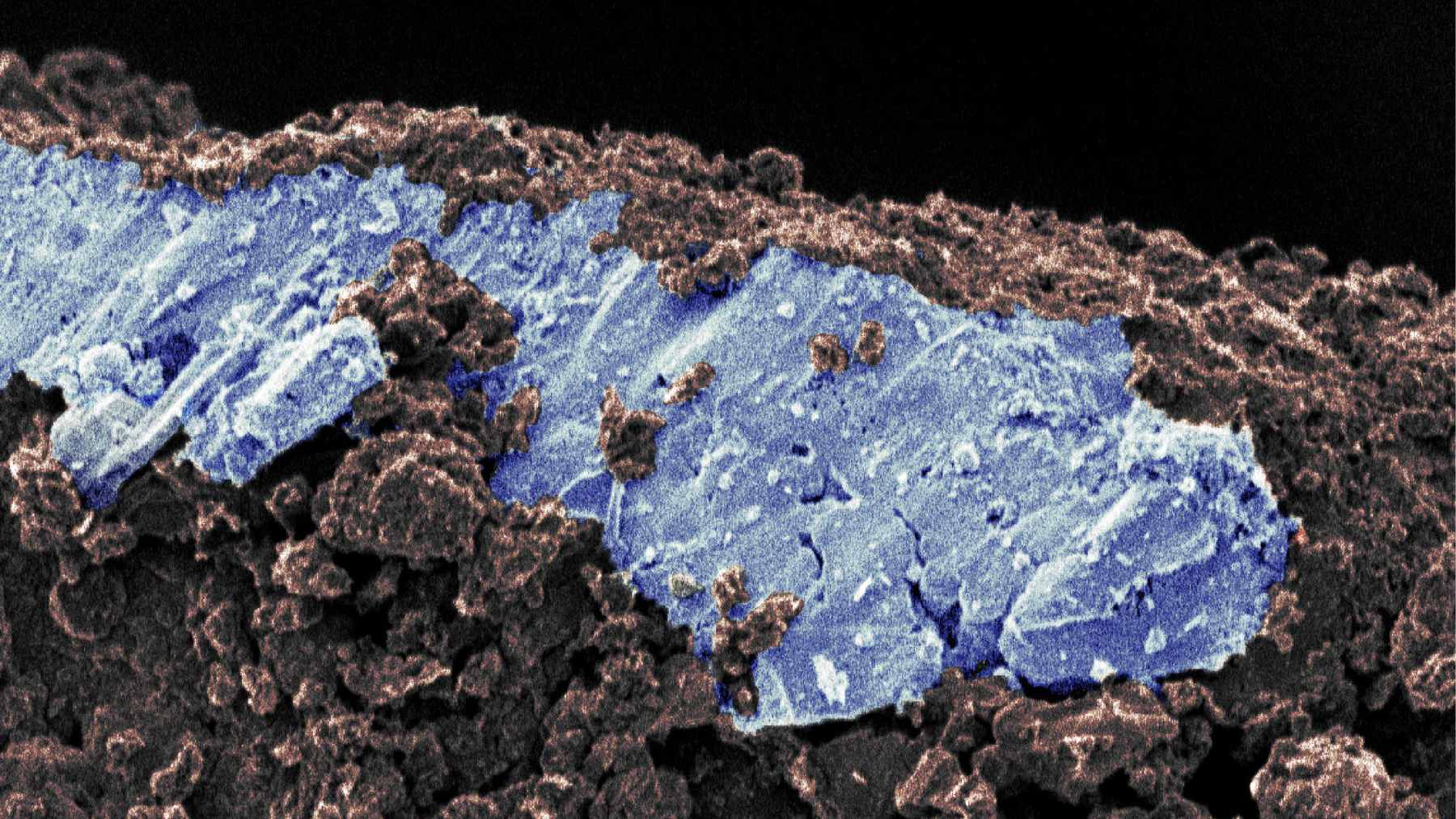
A close-up view of pristine, dark rocky grains collected from the surface of the near-Earth asteroid Ryugu.

An asteroid located about 300 million kilometers away contained the five basic letters of DNA and RNA, and the discovery once again calls into question the idea that life began only on Earth

—
April 29, 2026 at 10:15 AM
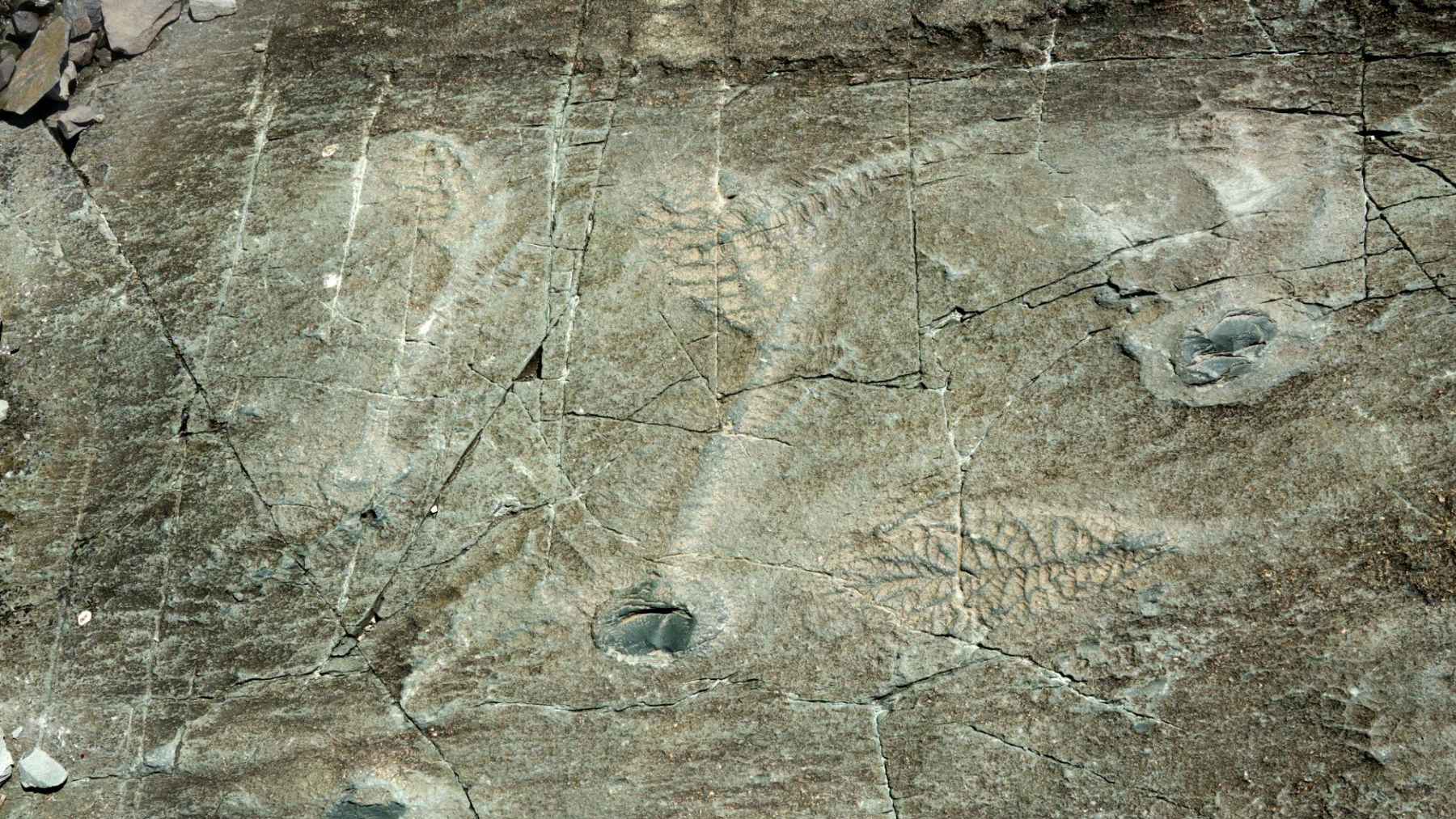
Ediacaran fossils preserved in rock at Mistaken Point in Newfoundland, linked to research on Earth’s first major animal extinction.

Earth’s first major extinction event was worse than we thought and may have wiped out nearly 80% of species 550 million years ago

—
April 27, 2026 at 6:30 PM
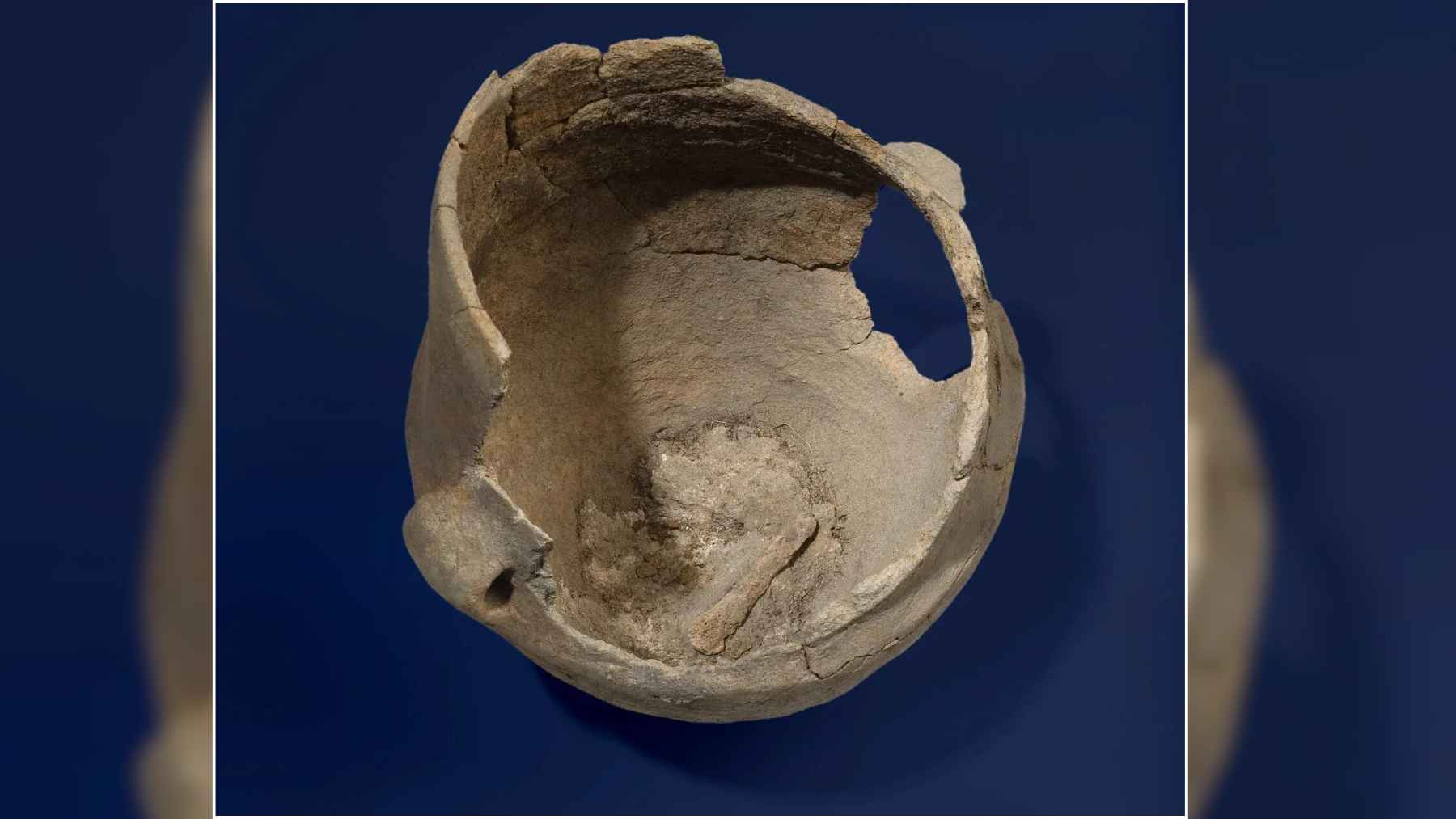
Prehistoric pottery vessel with burnt food residue inside, linked to a study on ancient European cuisine.

Food crusts on 5,000- to 8,000-year-old pottery show prehistoric Europeans cooked plants as well as fish

—
April 27, 2026 at 5:00 PM
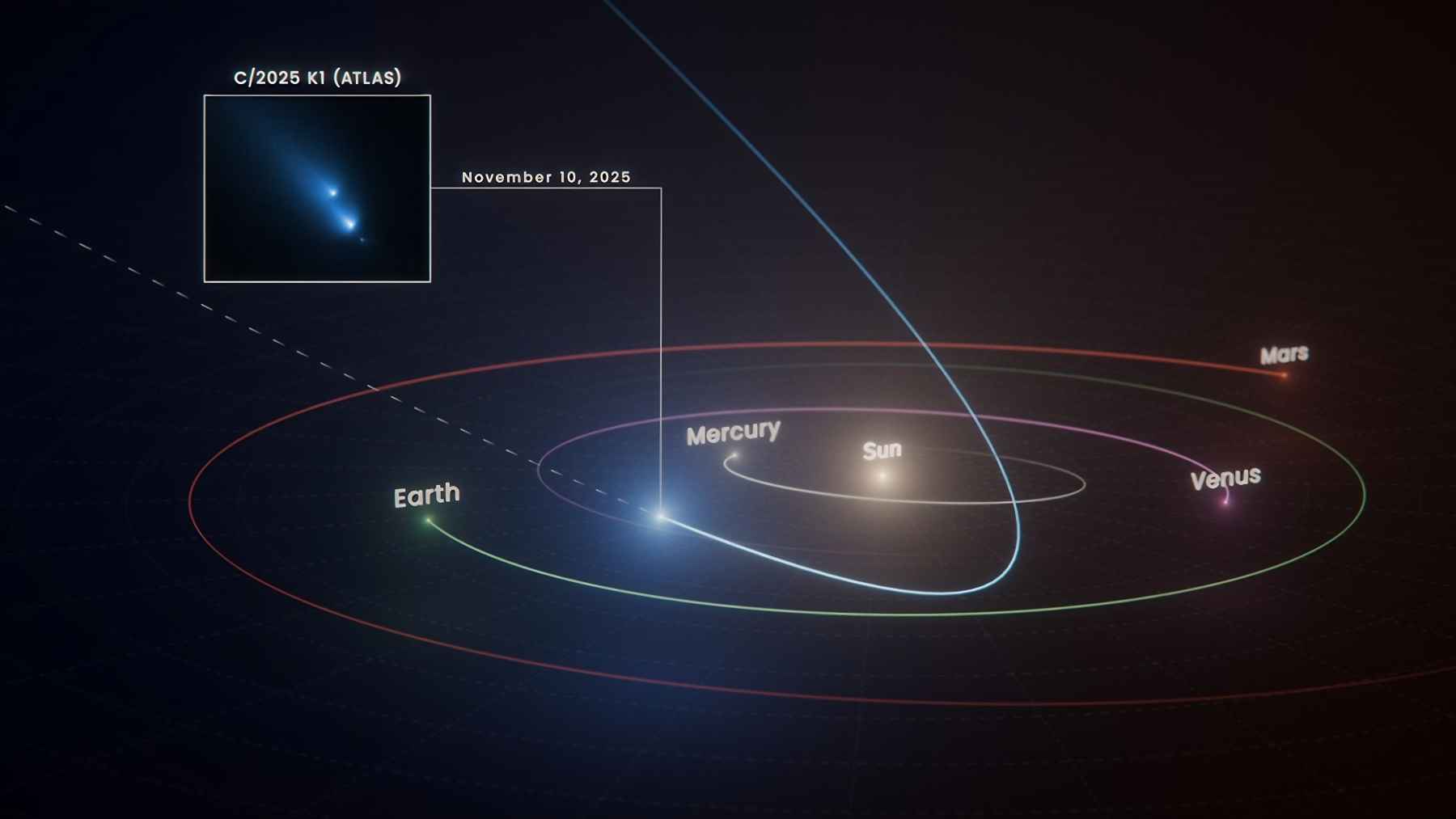
Illustration of Comet C/2025 K1 ATLAS passing through the inner solar system, with an inset showing its fragmented nucleus.

Hubble captured a comet breaking apart in real time purely by chance, and the odds of seeing it happen at that exact moment were remarkably low

—
April 27, 2026 at 3:00 PM
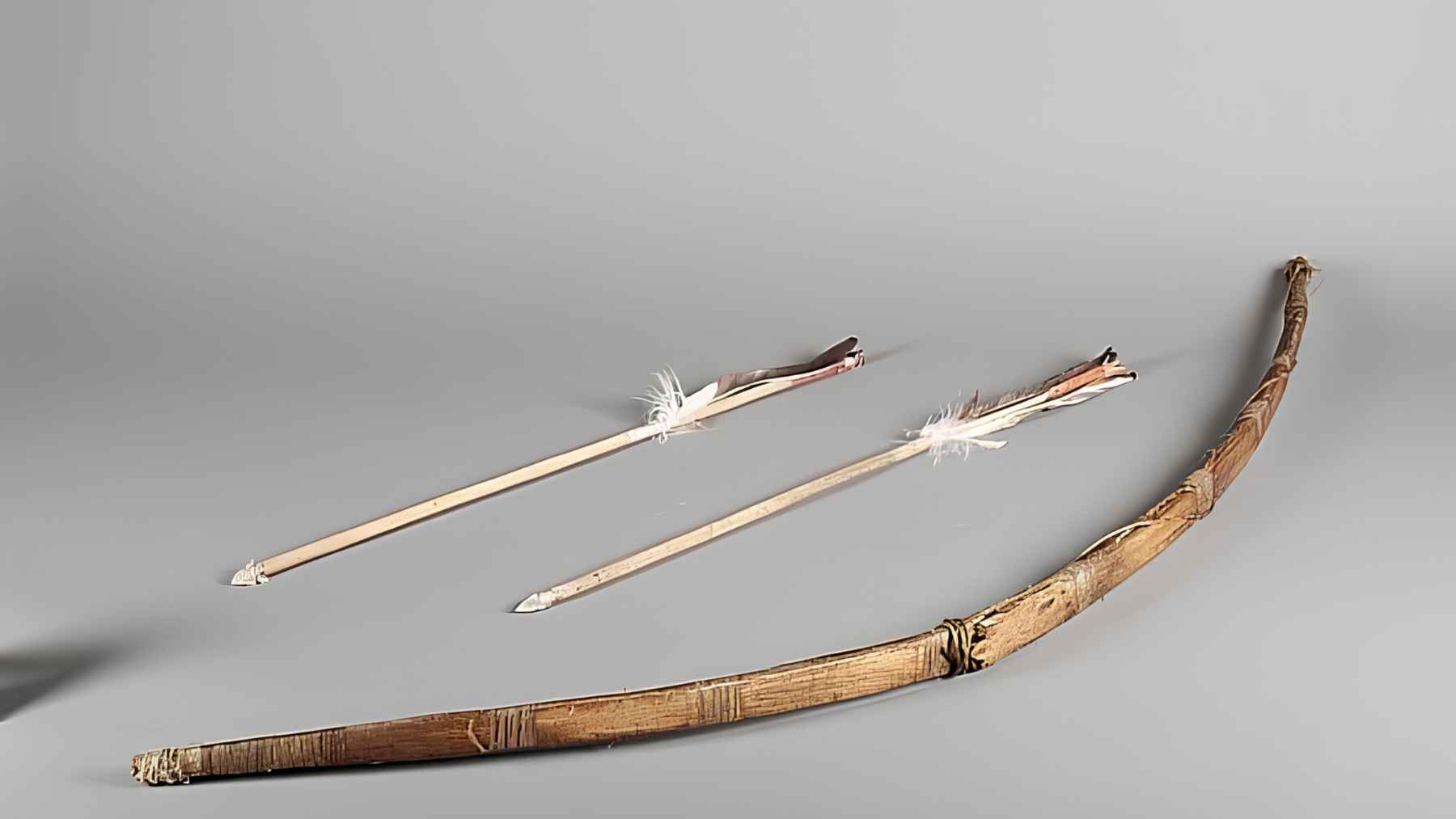
Ancient Pueblo bow-and-arrow artifacts showing early hunting technology in the North American Southwest.

Researchers have analyzed 136 weapons using carbon-14 dating and have been able to pinpoint exactly when the bow-and-arrow era began in North America

—
April 27, 2026 at 12:30 PM
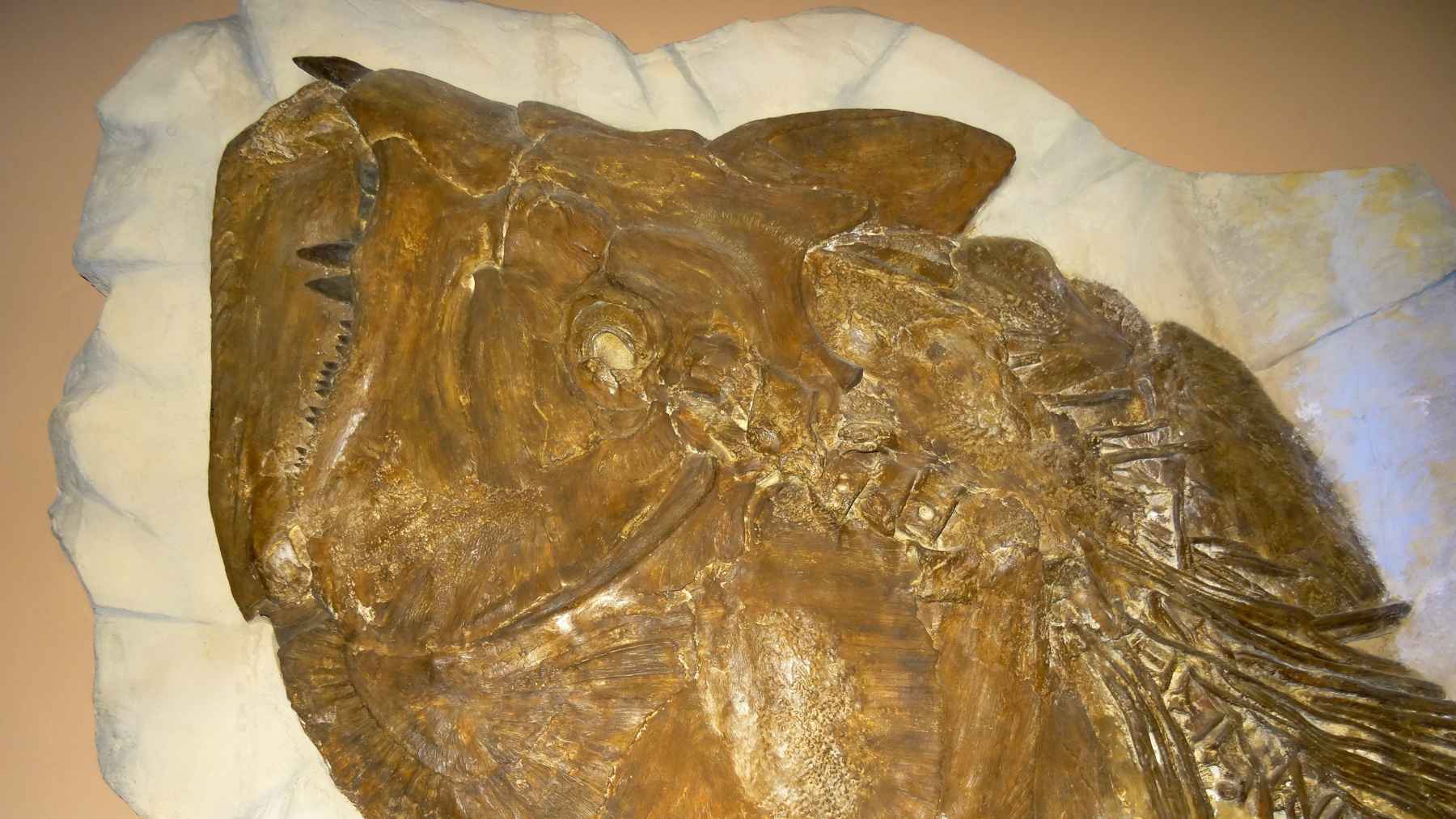
Close-up of a Xiphactinus audax fossil skull and teeth from the Smithsonian collection.

They found a giant tooth embedded in the neck of a plesiosaur, and the “culprit” was not a marine reptile, but a massive predatory fish

—
April 27, 2026 at 10:15 AM
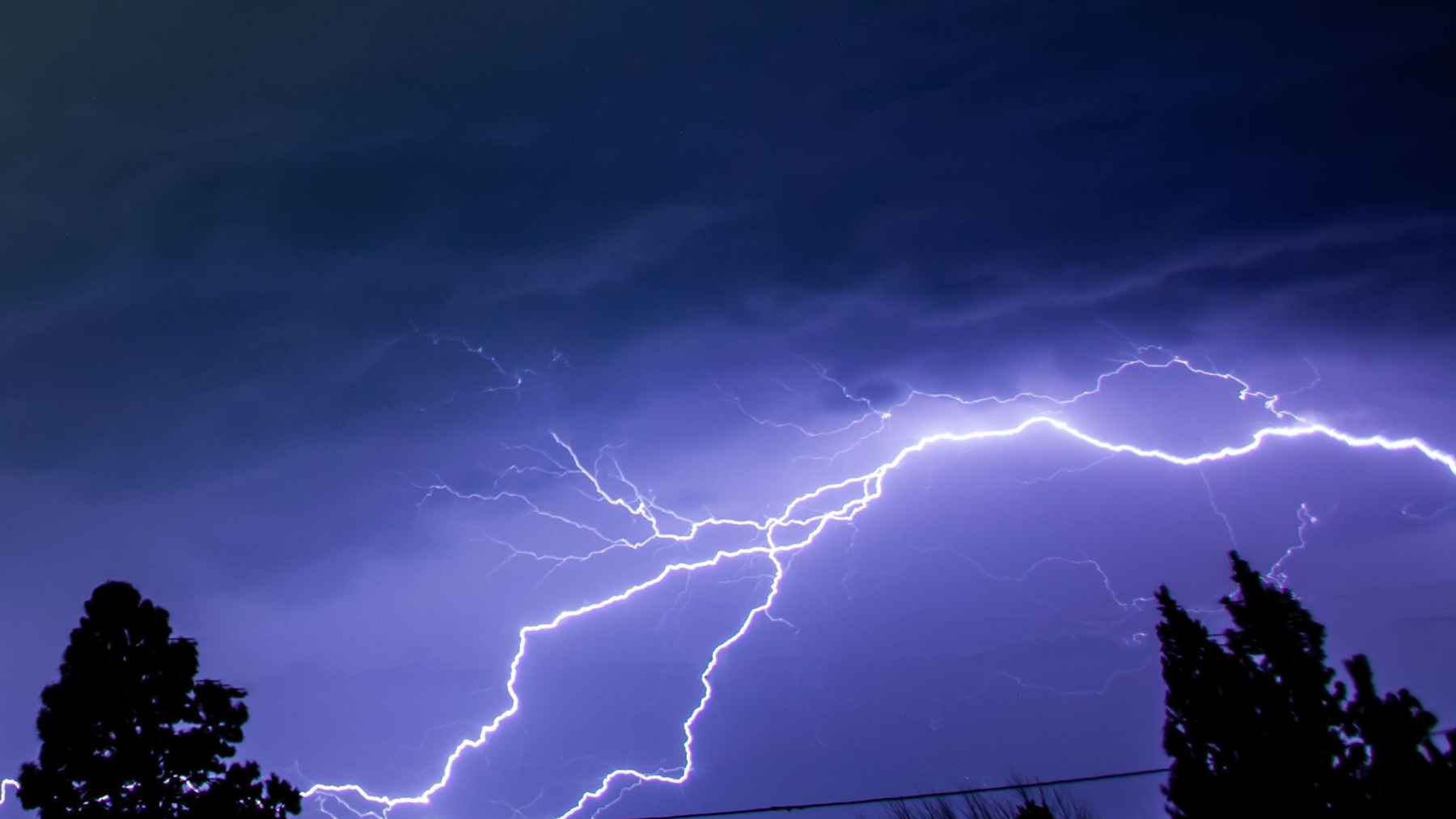
Lightning flashes over trees during a thunderstorm, illustrating research on ultraviolet corona discharges in forest canopies

What they observed over the course of 90 minutes in the branches of a tree in the midst of a storm seems straight out of a science-fiction novel: 41 ultraviolet flashes invisible to the human eye and a major unanswered mystery

—
April 26, 2026 at 3:00 PM
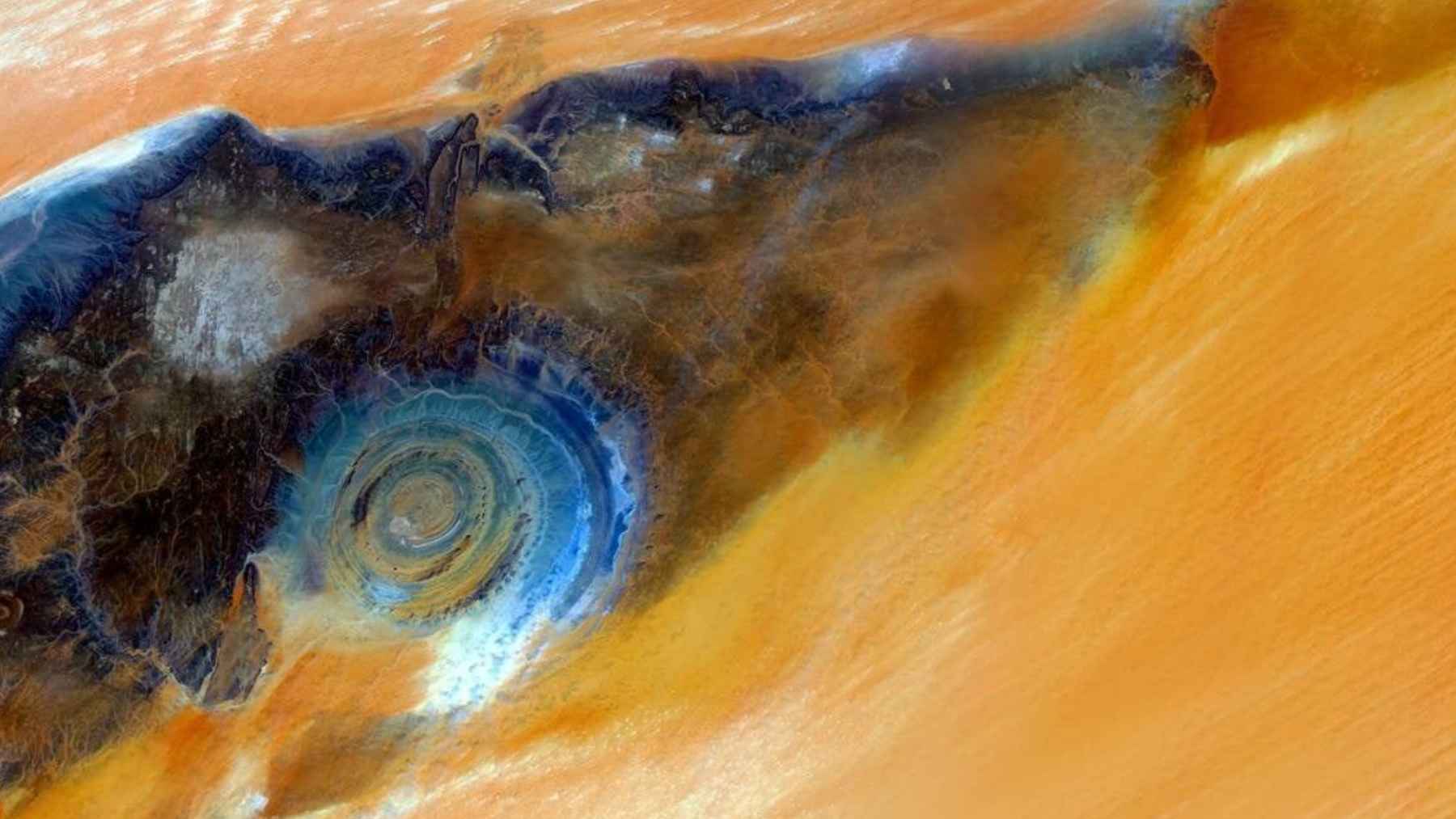
Astronaut view of the Richat Structure, or Eye of the Sahara, showing concentric rings in the Mauritanian desert

NASA observes the Sahara from the International Space Station and detects a gigantic eye nearly 50 kilometers wide, whose origin is not as cosmic as it seems

—
April 26, 2026 at 2:12 PM
Massive stone block from the Lighthouse of Alexandria being lifted from the sea during the PHAROS archaeology project

Twenty-two giant blocks from the legendary Lighthouse of Alexandria have been recovered from the seabed, and this discovery is rewriting the history of one of the world’s most famous wonders

—
April 26, 2026 at 12:30 PM
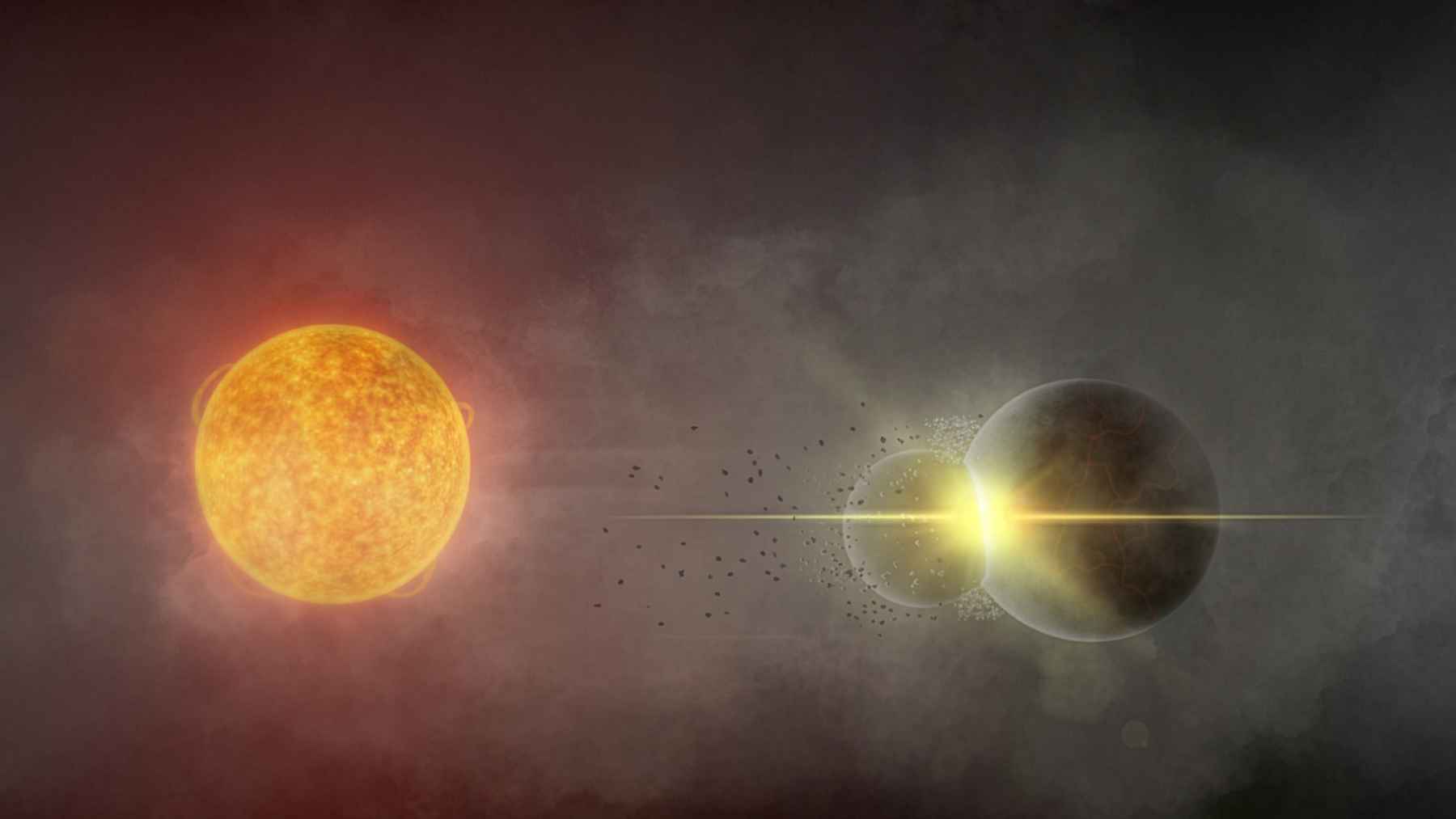
Artist’s illustration of two young planets colliding and producing a large cloud of dust around a distant star

Astronomers have detected, for the first time and in real time, a violent collision between two young planets located 11,000 light-years away

—
April 26, 2026 at 6:30 AM
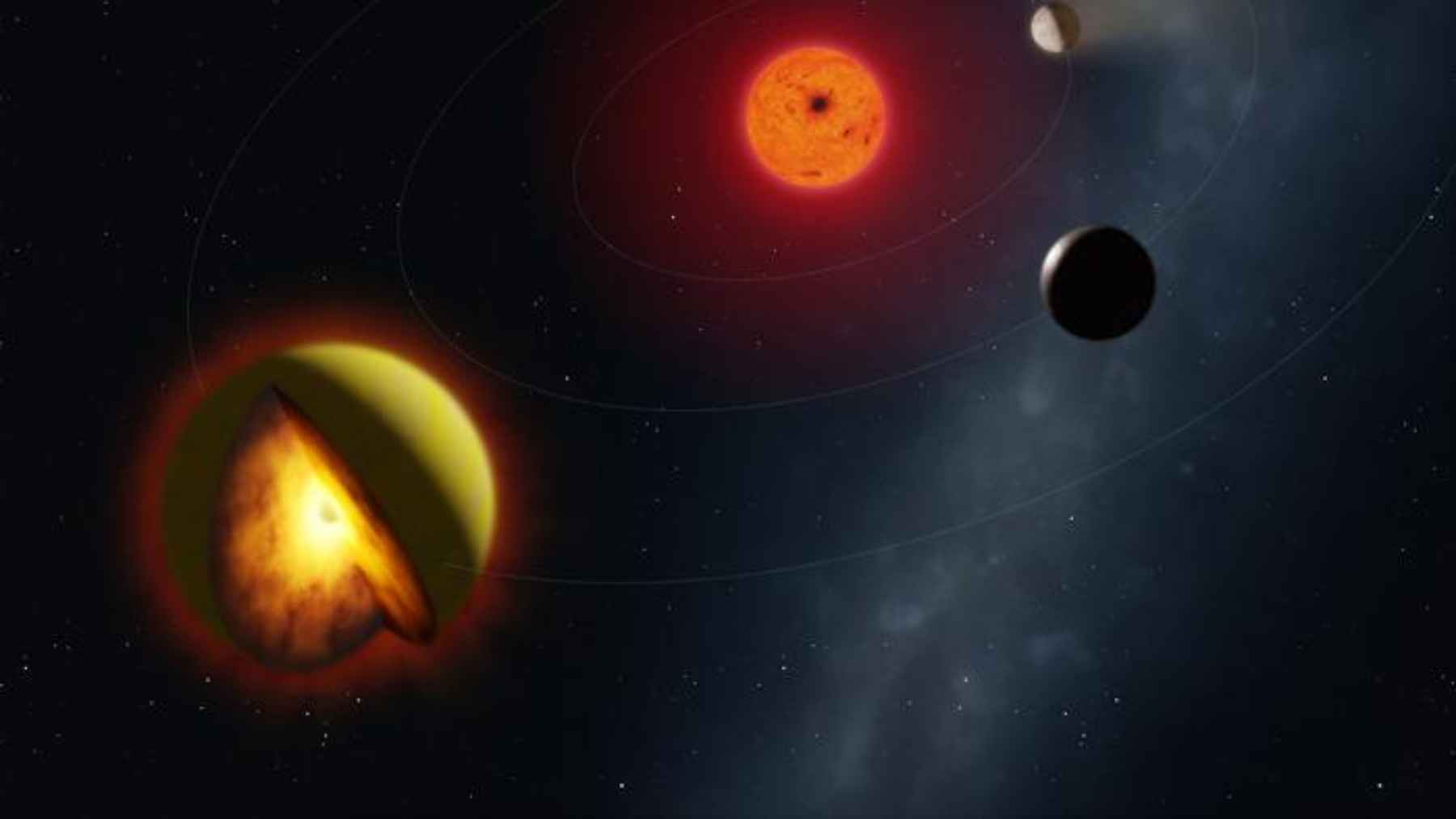
Artist’s illustration of a magma ocean exoplanet with a glowing molten surface and thick sulfur-rich atmosphere

Scientists reveal a new class of hellish planets with a permanent ocean of magma

—
April 25, 2026 at 12:30 PM
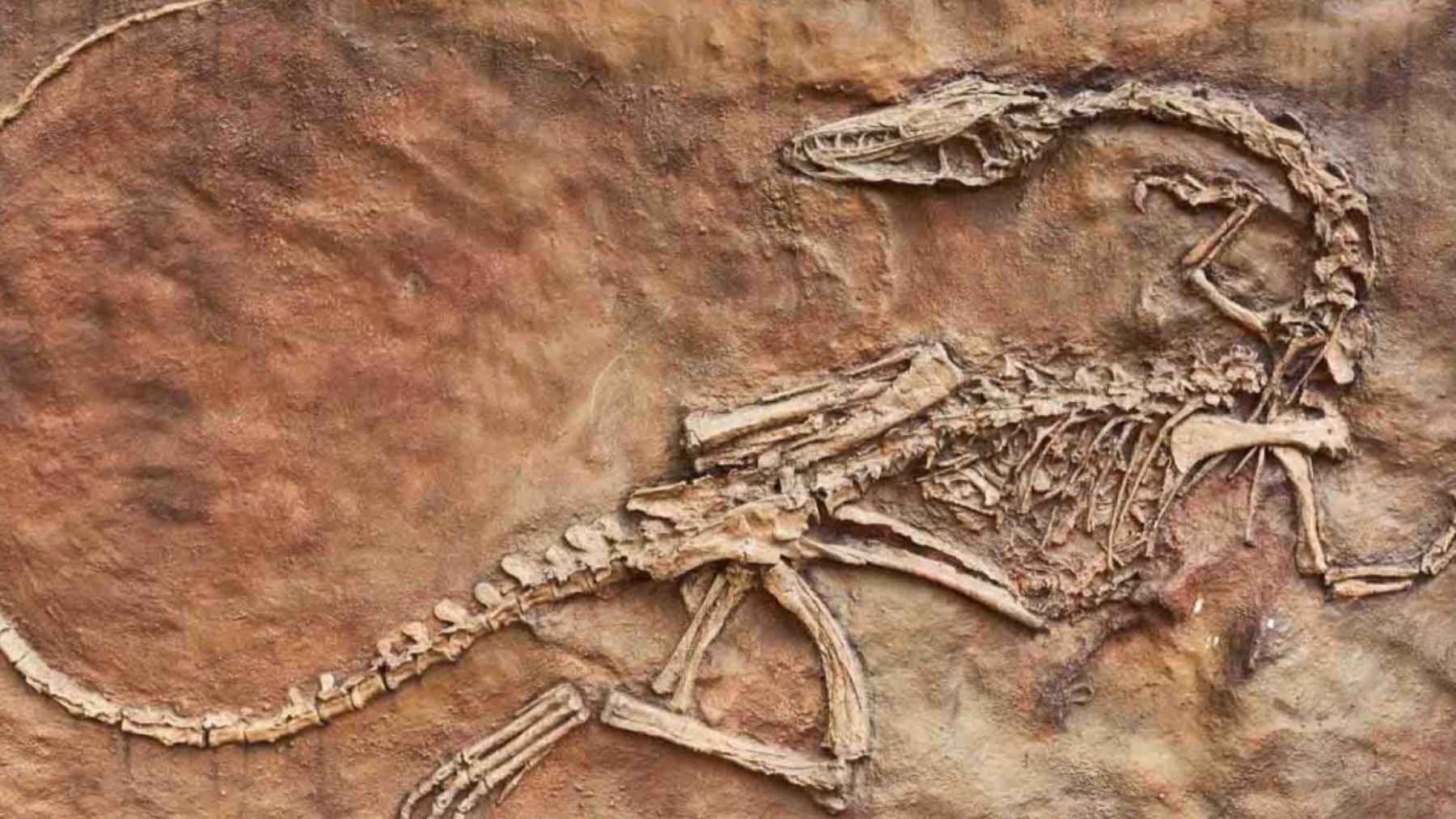
Fossil of the oldest known docodontan from Greenland, linked to Nujalikodon cassiopeiae and early mammal evolution

Scientists have identified a tiny creature, just 0.06 inches long and 200 million years old, hiding in an ancient burrow in Greenland; it lived at a time when dinosaurs already ruled the Earth

—
April 25, 2026 at 12:14 PM
Previous Next

ECOnews alerts

Get the most relevant environment stories as soon as we publish them

ECOnews is the English-language edition of ECOticias.com, focused on environmental and sustainability news for a global audience: mobility, energy, economy, technology, science, environment and trending stories.

© 2026 ECOnews · ECOticias.com, the green newspaper since 2004 ↑ Top