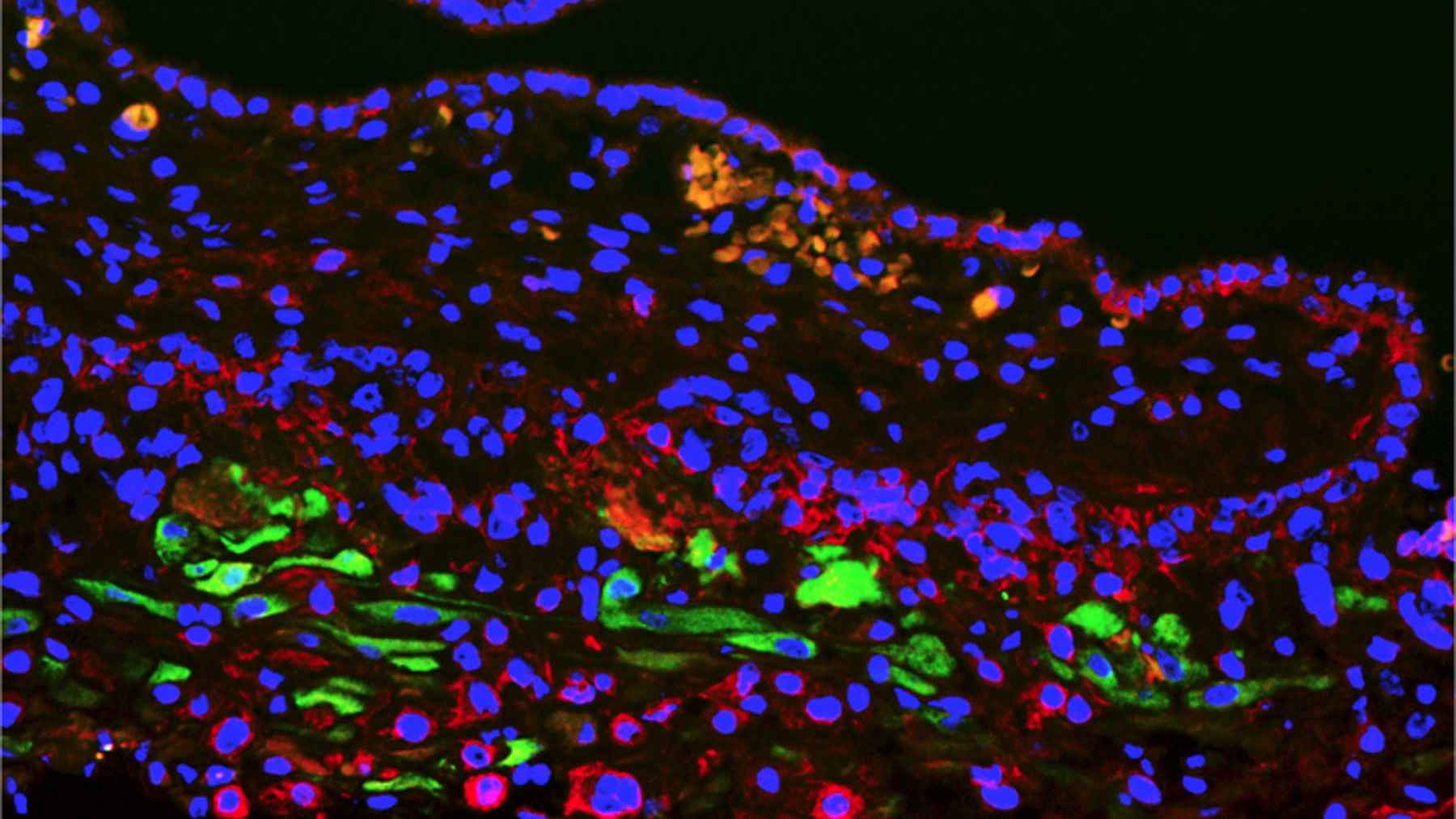
What if one of the most important “gatekeeper” cells in pregnancy only exists for a short window, then vanishes without a trace? Researchers at UC San Francisco say they have found exactly that, a previously unknown human cell type that appears at the very start of pregnancy and may help manage how the placenta connects to a mother’s blood supply.
The discovery comes from a new, unusually detailed map of the tissues where mother and fetus meet, the maternal-fetal interface. It is the point where biology, genetics, and the outside world collide, including exposure to chemicals that can ride the bloodstream, get breathed in as smoke, or be taken as “natural” remedies.
A high-resolution atlas of the mother-baby connection
To build their atlas, the team combined classic single-cell sequencing with spatial mapping that keeps cells in their original neighborhood. In practical terms, that means they did not just identify cells – they also tracked where those cells sit and who they are likely “talking” to inside uterine and placental tissue.
The scale is what makes it stand out. Researchers analyzed about 200,000 individual cells and compared them with nearly 1 million more cells mapped in place, spanning samples collected from about week 5 through week 39 of pregnancy.
A cell type that appears only in early pregnancy
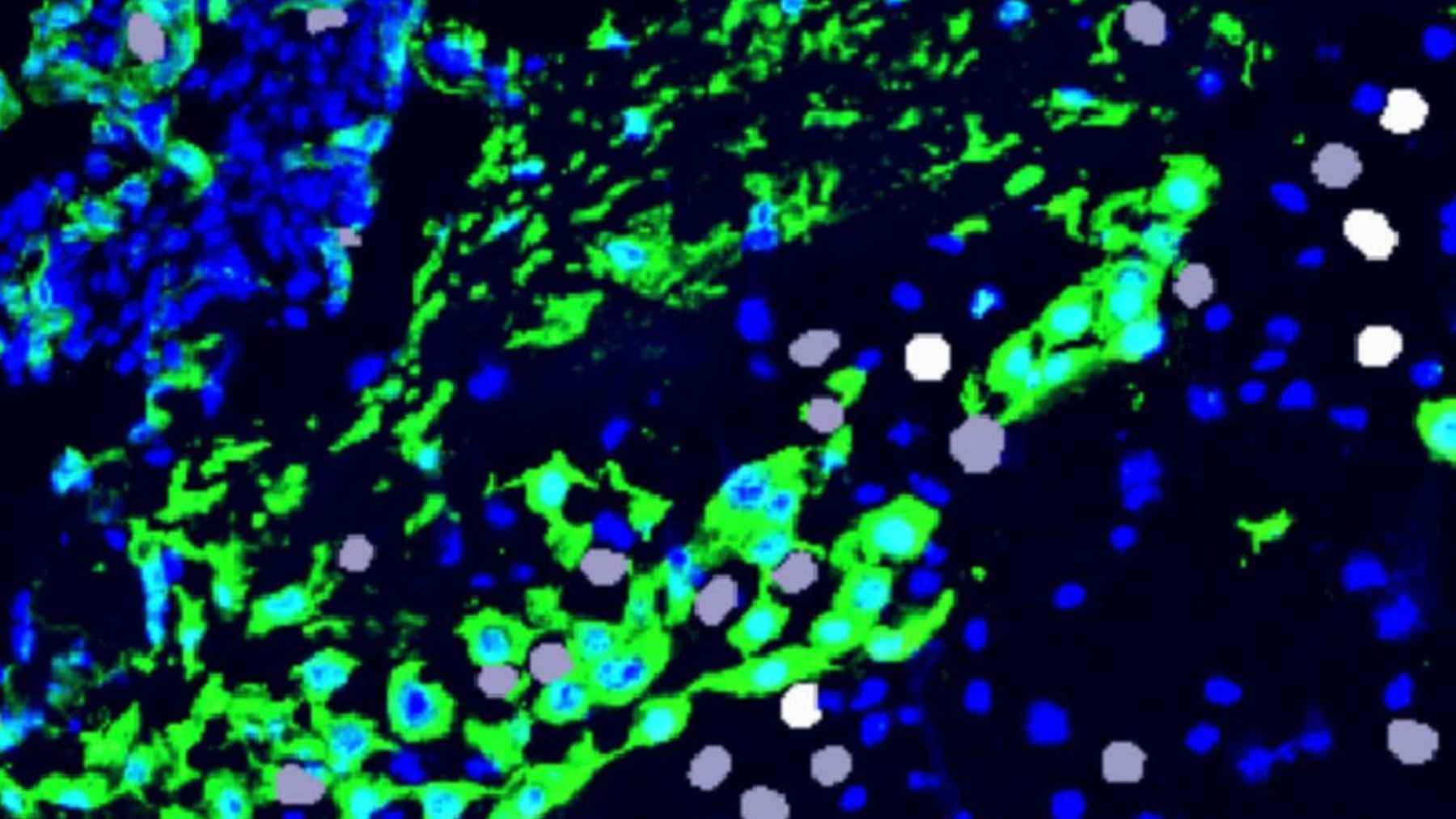
During that sweep, the team noticed a cell subgroup that had not shown up in previous placental studies. These “decidual stromal cell 4” cells, shortened to DSC4, were found only at the start of pregnancy, then disappeared later on.
Jingjing Li, one of the senior authors, said that when the group checked with other experts, “no one knows what they are.” That kind of admission is rare in science writing, and it shows just how much of pregnancy biology is still unmapped.
A cannabinoid receptor at the frontline
The Nature paper adds an important clue about what DSC4 might be doing. The researchers found that these cells express the gene CNR1, which codes for the cannabinoid receptor CB1 that responds to cannabinoids made by the body and to THC from cannabis.
In lab tests, those cannabinoid signals seemed to slow the normal invasion of fetal cells into the uterus. That invasion is supposed to happen in a controlled way so the placenta can anchor and connect to maternal arteries, not too aggressively and not too weakly.
From map to medical tool
Why should anyone outside a lab care? Because placental invasion is tied to real-world complications, including preeclampsia – a dangerous pregnancy disorder linked to high blood pressure and organ damage.
Preeclampsia alone is estimated to complicate roughly 2% to 8% of pregnancies worldwide, and it can turn a routine blood pressure check into an emergency in a single appointment. The World Health Organization notes it can progress to seizures and contributes heavily to maternal and newborn illness and death.
What this means for cannabis and everyday decisions
It is too early to claim that cannabis causes specific pregnancy complications based on this study alone. But the fact that DSC4 cells carry a cannabinoid receptor, and that cannabinoid signals influenced placental invasion in experiments, gives researchers a plausible pathway to investigate.
The U.S. Centers for Disease Control and Prevention says using cannabis during pregnancy may affect fetal development, and the new cell data adds a biological reason why experts urge caution. For many people, this plays out in everyday life, including secondhand smoke exposure that also carries toxic and cancer-causing chemicals found in tobacco smoke.
What comes next
The atlas is now a public resource, which means other teams can use it to connect genetic risk variants to specific cell types and time windows in pregnancy. That is how a map becomes a tool, and it could eventually help clinicians spot “early-warning” signals for disorders like preeclampsia or preterm birth.
For the rest of us, the takeaway is simpler. Early pregnancy seems to rely on a finely tuned cellular handshake, and tiny shifts in signaling, whether from genetics or outside exposure, may matter more than we assume when we are standing in a dispensary line or breathing someone else’s smoke. A small cell can make a big difference.
The press release was published on the University of California’s website. It also links to the underlying Nature paper for readers who want the full technical details.