The world of renewable energies is in a constant technological advance, where new and better inventions to make the most of unused spaces are frequently emerging. Recently, a group of specialists took it upon themselves to design a new solar panels device that is specifically implemented in reservoirs or bodies of water.
An extensive list of benefits: this is what this new invention brings
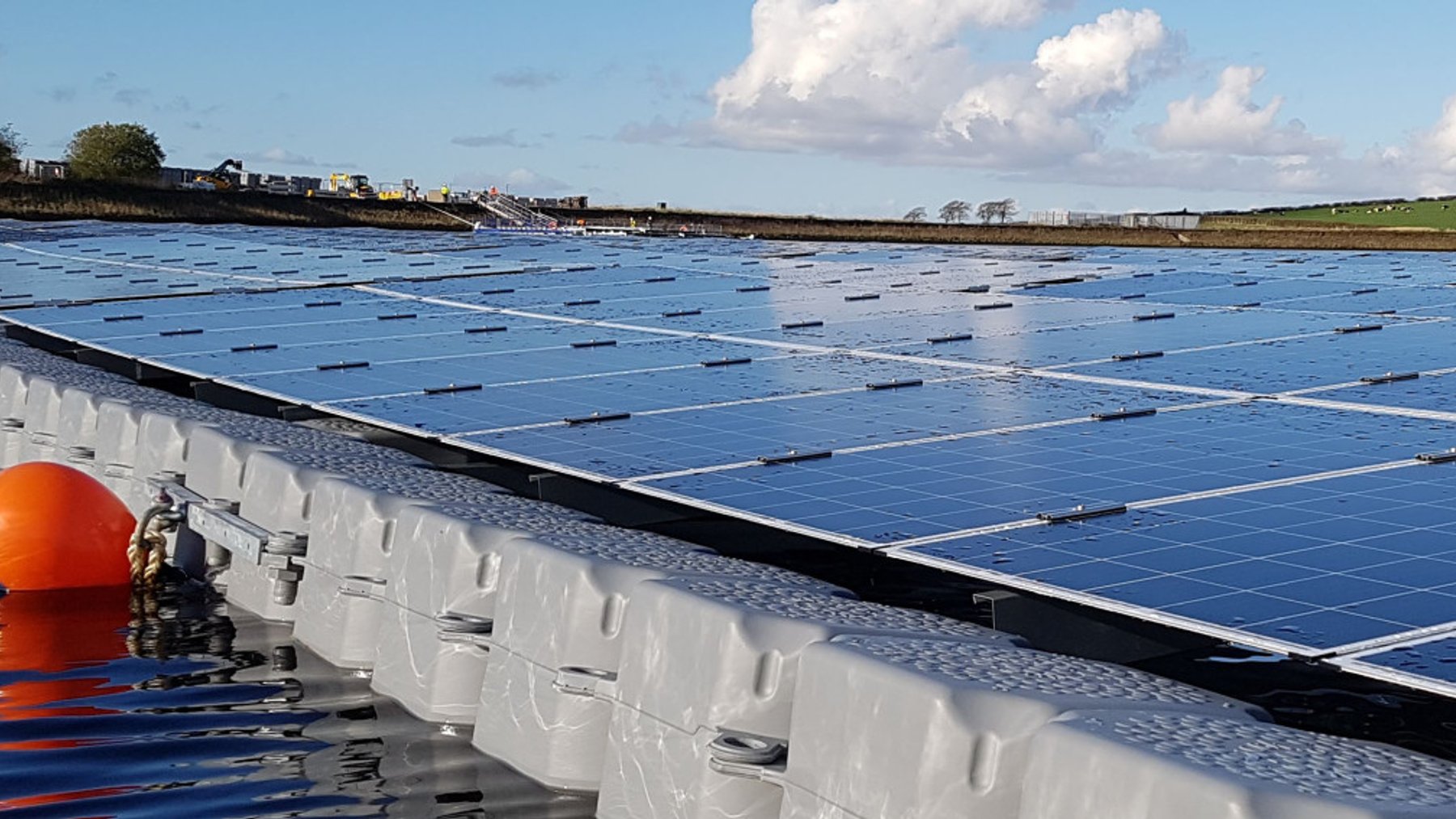
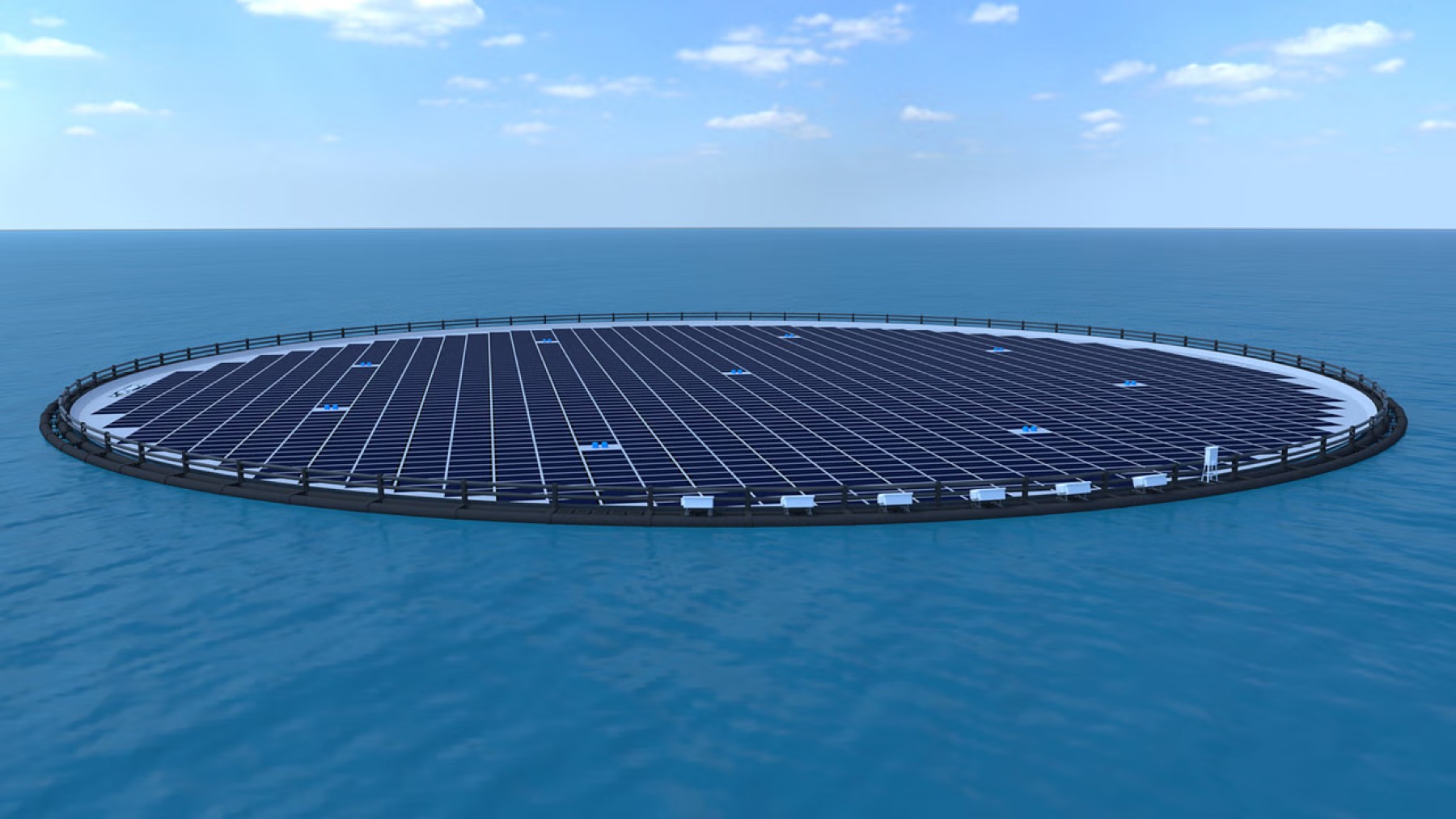
Well, it was Soltec that set to work and designed Flotus, a floating solar tracker that aims to combine large hydroelectric power plants with renewable energy generation from photovoltaic panels, ensuring a good supply of sunlight for extended periods of time and making the most of spaces that are not usually used.
First of all, Flotus has a solar tracking system, which would allow optimal sunlight reception throughout the day. It is important to mention that this system has been used before in horizontal terrestrial solar trackers but what differentiates this system is its naval design that would make a big energy difference by utilizing unused areas.
And as mentioned before, this project is based on a series of terrestrial photovoltaic structures that would be strategically located on two large floats, something that could maximize not only the reception of sunlight, but also the efficiency in the collection of sunlight that would later be converted into electricity.
This is the confirmation of these innovative floating solar panels
This system mentioned above can be easily recognized because it is composed of three main elements. We are talking about a central tank with the quality of being floodable and two floats that are located longitudinally, the same that are designed to provide mainly buoyancy of the system and a stability that would prevent sinking even in adverse conditions.
By having this specific and unique configuration, Flotus has the possibility to take advantage of sunlight throughout the day, thanks to this, the device is able to produce a greater amount of energy, to be specific between 15% and 25% more energy than traditional solar panel systems.
On the other hand, the ability to self-regulate the east-west movement allows this particular system to be automatically adjusted to maximize solar energy collection. This feature would prove to be key to ensure continuous and efficient operation, minimizing any interruptions that may occur in traditional systems.
These are the main advantages you should know about Flotus
As mentioned above, this device is designed to withstand any type of conditions, since its central tank can function as a ballast, offering greater stability and allowing the system extra support against possible wind gusts of more than 100 kilometers per hour.
Another of its great advantages is its higher energy production, which could surpass fixed floating structures and terrestrial solar trackers. This is also attributed to its cooling system. In other words, the panels operate at lower temperatures and this would be reflected in their extended lifetime and high efficiency.
In conclusion, Soltec’s floating solar panel system presents a true innovation in the field of solar energy. This can be attributed to its naval design and solar tracking system that can be truly beneficial. Flotus optimizes sunlight collection throughout the day, outperforming traditional systems in efficiency by 15% to 25%.