
The brain
32 stories · since 2026 · latest, November 17, 2026
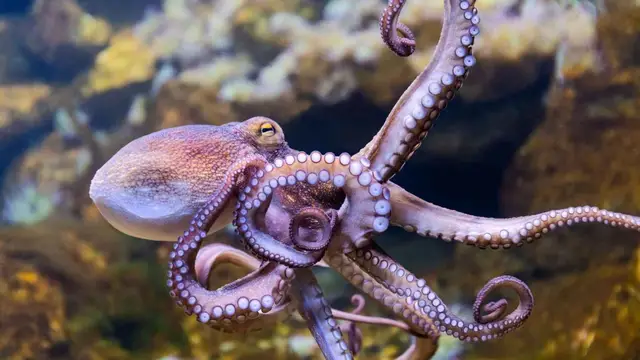
An octopus has three hearts, NOAA says, plus blue copper-based blood and one central brain, and its eight arms carry about two thirds of its neurons, which is why the popular ‘9 brains’ line is too simple
Updated November 17, 2026, with what each of the three hearts does, why ‘9 brains’ is a figure of speech, why octopus blood is blue, whether an octopus is…
ECOnews Newsroom · June 15, 2026
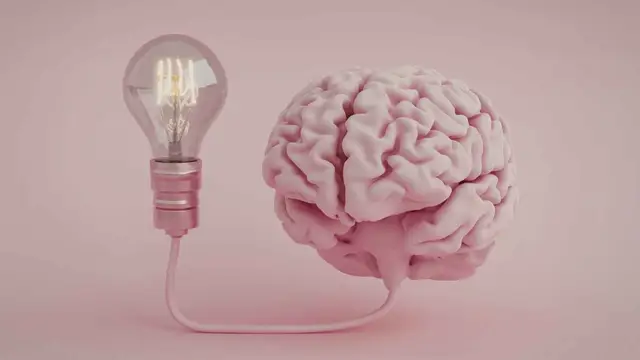
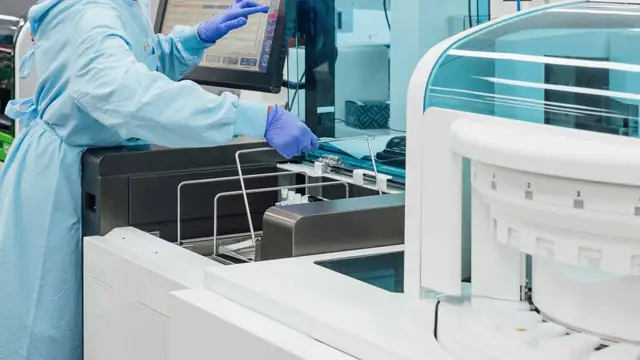
The human brain works with roughly the power of a computer monitor, and that tiny energy bill may reveal why artificial intelligence still has a huge problem
You are reading this on a device that needs charging, updates, and a steady stream of electricity from the wall. Meanwhile, your brain is handling vision,…
ECOnews Newsroom · May 8, 2026
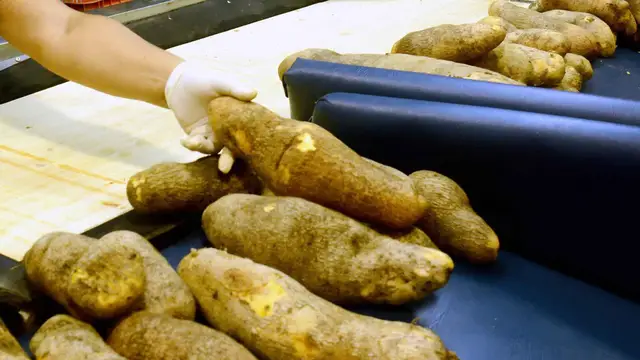
Yams could support memory and brain health, according to early studies on the compound diosgenin
Yams have been sitting in the produce aisle for generations, often overlooked. So why are scientists talking about them now? Researchers are testing…
ECOnews Newsroom · May 4, 2026
For the first time, scientists have managed to restore electrical activity in a frozen mouse brain, and that single sentence is enough to spark curiosity, a sense of wonder, and many questions
What if a sliver of brain tissue could be frozen solid, thawed, and still “talk” in electrical pulses? A German team has now shown that this can happen in…
Adrian Villellas · May 2, 2026
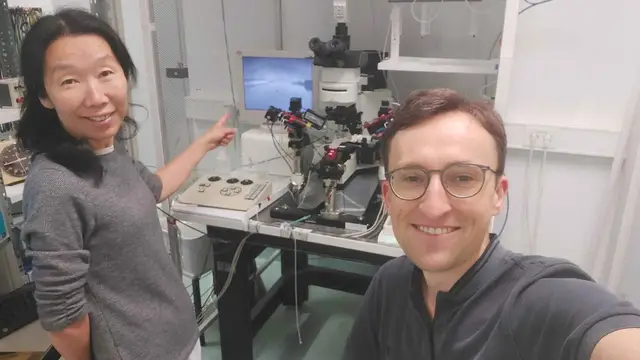
They froze a brain and then managed to reactivate its electrical activity—a phrase that sounds like science fiction, but is already becoming a central part of real scientific discourse
Scientists in Germany have shown that thin slices of adult mouse brain can be cooled to cryogenic temperatures, thawed, and then start passing electrical…
ECOnews Newsroom · April 29, 2026
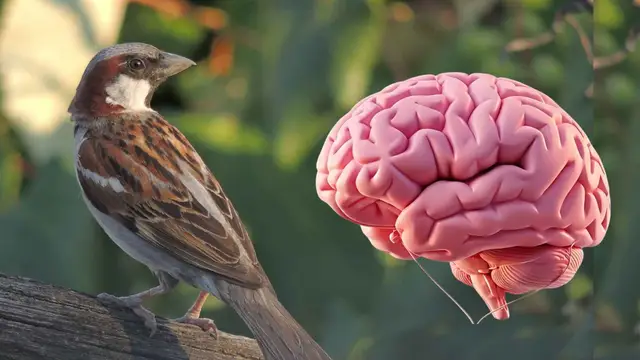
Birdwatching for years not only changes what you see, but it could also be reshaping your brain in ways that surprise neuroscientists
If you have ever tried to tell two almost identical sparrows apart, you already know birding is not just a slow walk with binoculars. It can feel like a…
ECOnews Newsroom · April 19, 2026
A comprehensive study identifies four ages at which the brain changes course, and one of them is much more surprising than expected
Is your brain quietly rewiring itself in the background while you juggle homework, work deadlines, or a new hobby? A large new analysis suggests it does,…
ECOnews Newsroom · April 15, 2026

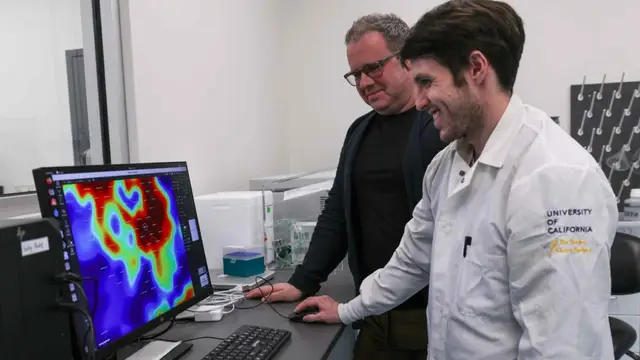
A “mini-brain” created in the lab faces the challenge of solving one of engineering’s most complex problems, and what happens in just 45 minutes raises a profound question about artificial intelligence
Can a cluster of lab-grown neurons learn something useful without a body, senses, or anything like everyday experience? Researchers at the University of…
ECOnews Newsroom · April 9, 2026
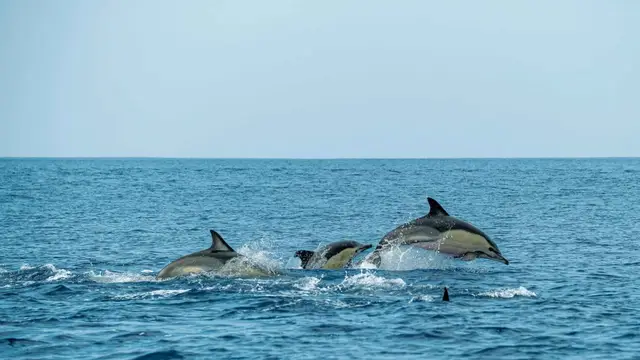
In 1964, scientists discovered that this marine mammal could sleep with half its brain awake, and it is not the only one that hardly ever rests
Sleep is usually defined as a reversible state of deep rest, with a special posture and a higher threshold for waking up. In mammals and birds it also…
ECOnews Newsroom · April 1, 2026
Neuroscientist Louisa Nicola’s squat advice: what the study on breaking up sitting time really found
Long hours in a chair have become so normal that many people barely notice them anymore. Louisa Nicola, a neurophysiologist who has spoken publicly about…
Adrian Villellas · March 26, 2026

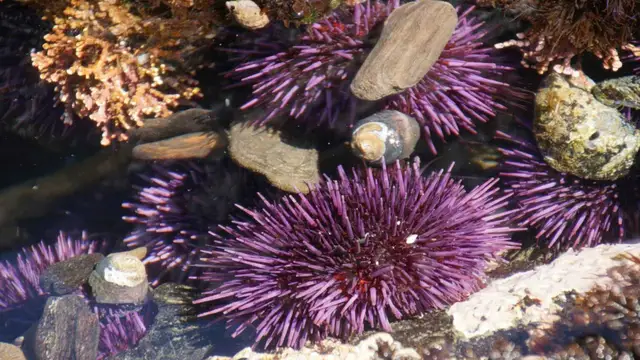
The purple sea urchin’s whole body works like a brain, a genetic study finds
If your whole body worked like a brain, would anyone recognize you as intelligent?That is more than a sci-fi thought experiment now. It is the puzzle…
ECOnews Newsroom · March 5, 2026
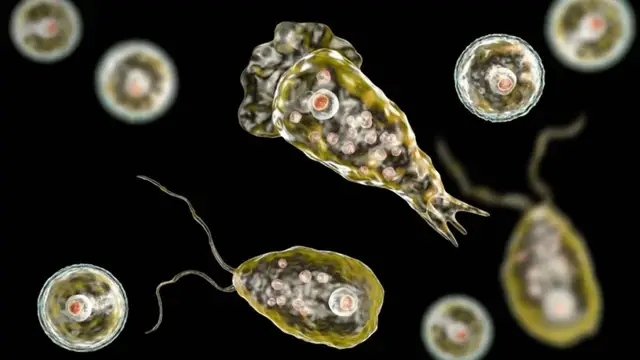
The famous “brain-eating amoeba” is not the only one; the new fear is a whole group of microbes that live in water and soil and are already gaining ground with climate change
A little known group of microbes is quietly moving into the same places we swim, irrigate crops, and turn on the tap. In a new perspective in the journal…
ECOnews Newsroom · March 4, 2026
“They’re not ships, they’re floating brains”: why the Spanish Navy is redesigning an entire naval base so that the F-110s, valued at more than 4.3 billion, can operate without limits from 2026 onwards
For months now, the Rota Naval Base has been a landscape of cranes, trucks, and torn-up pavement. All that disruption has one clear goal in mind: getting…
ECOnews Newsroom · February 25, 2026

Your brain could be full of microplastics… and you don’t even know it
Most of us now accept that plastic has reached nearly every corner of the planet. It floats in oceans, settles in soils, and drifts through city air. What…
ECOnews Newsroom · February 19, 2026

Your brain may be accumulating microplastics, and the big question is no longer whether they are there, but what they might be doing
You expect plastic in a water bottle or a grocery bag. You probably do not expect it in your brain. Yet a landmark analysis of donated human organs has…
Adrian Villellas · February 13, 2026
