The brain
There are lots of interesting discoveries in the brain! Microplastics have been found inside it, the ages at which changes happen in the brain have been mapped, and we know more about ancient neurons that help us concentrate. All of these discoveries are summarized here in easy to understand language.
32 stories · since 2026 · latest, November 17, 2026
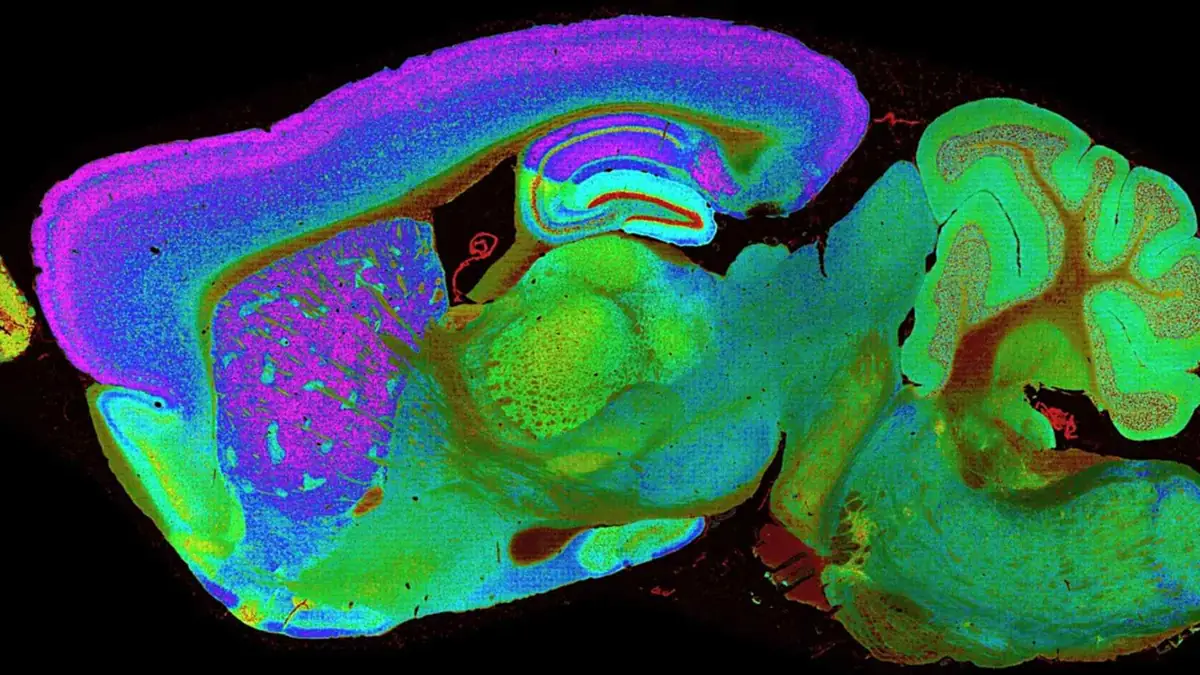
University of Edinburgh scientists mapped brain cell connections across more than 100 regions of the mouse brain and found that experience reshapes the mix of synapse types rather than their total number
Experience changes brain cell connections far beyond the regions doing the work, according to a new mouse study led by the University of Edinburgh. Mice…
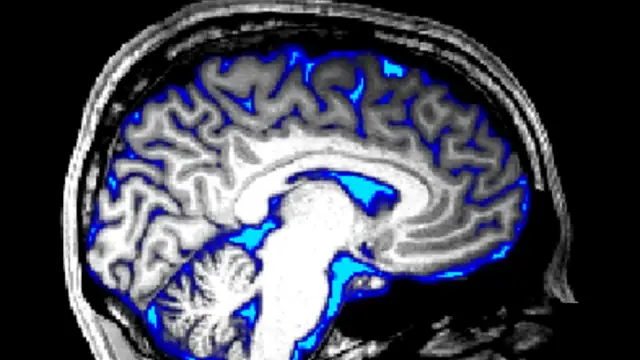
Scientists watched 72 people fall asleep inside an MRI scanner around midnight and found the cerebrospinal fluid waves that clean the brain shrink after 60, and a few older sleepers broke the pattern
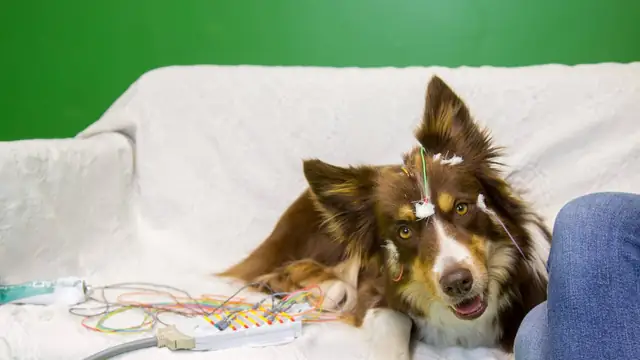
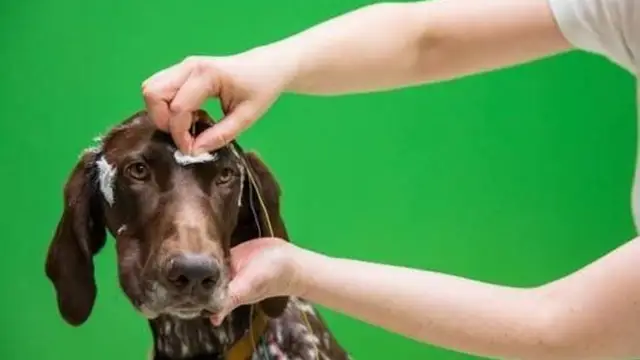
Twenty family dogs listened to nonstop invented words while wearing electrodes, and scientists found that dog brains lock onto the same hidden detail of speech that human brains rely on from infancy
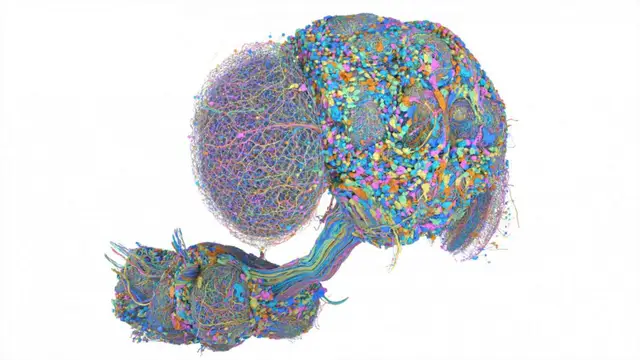
Janelia scientists spent 18 years mapping every neuron in a male fruit fly, 166,700 cells and 125 million connections, and days after the map came out programmers had it playing Doom
In 2008, Gerry Rubin’s lab in Ashburn, Virginia, decided to map every neuron in a fruit fly’s brain. A lot of other scientists thought the idea was crazy.…
Javier Niño · October 1, 2026
According to psychology, reading for pleasure may do more for your brain than you think, as a Cambridge review links it to better memory in 10,243 children and less cognitive decline later in life
The book on your nightstand may offer more than a break from a busy day. A new Cambridge-led editorial connects reading for pleasure with better mental…
ECOnews Newsroom · September 30, 2026

Researchers in Hungary recorded the brain waves of 14 dogs told to wait beside a treat and found a frontal rhythm that resembles the signal linked to self-control in humans
A dog that waits patiently beside a tempting treat may be doing more mental work than its still body suggests. Researchers in Hungary have recorded brain…
Adrian Villellas · September 25, 2026
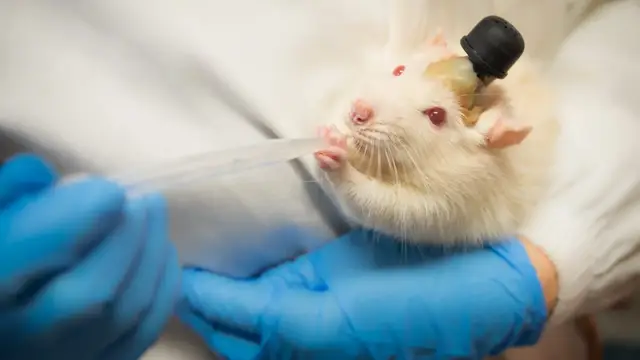
Scientists put rats through 10 weeks of treadmill exercise and found the nerve hubs controlling their hearts changed in opposite ways, with roughly four times as many neurons on the right while cells on the left grew nearly twice as large
Ten weeks of moderate aerobic exercise reshaped nerve clusters that help control the heart in rats, revealing a surprising split between the body’s left…
Adrian Villellas · September 23, 2026
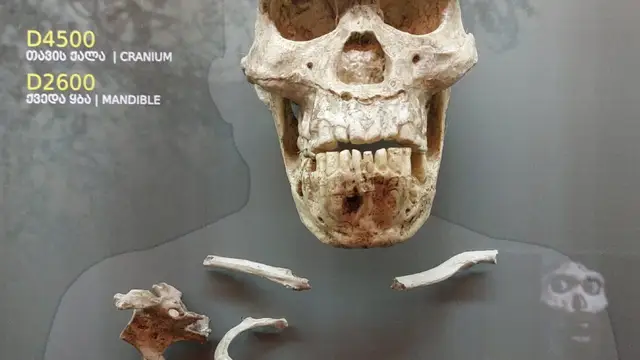
Scientists compared 87 human skulls spanning multiple Homo lineages and found that our bigger brains and smaller faces may not have emerged through a steady evolutionary push, but through long periods of anatomical stability interrupted when biological and environmental constraints finally loosened
Why did our ancestors develop bigger brains and smaller faces? A study published July 6, 2026, in Nature Communications suggests these familiar trends may…
ECOnews Newsroom · September 23, 2026
Researchers followed 260 Finnish children for eight years expecting more screen time to signal weaker thinking skills, but by age 15 those reporting greater use actually showed better overall cognitive performance, although the study could not prove screens caused the difference
Does another hour on a tablet automatically mean a child’s thinking skills are slipping? An eight-year Finnish study of 260 young people found a different…
ECOnews Newsroom · September 20, 2026
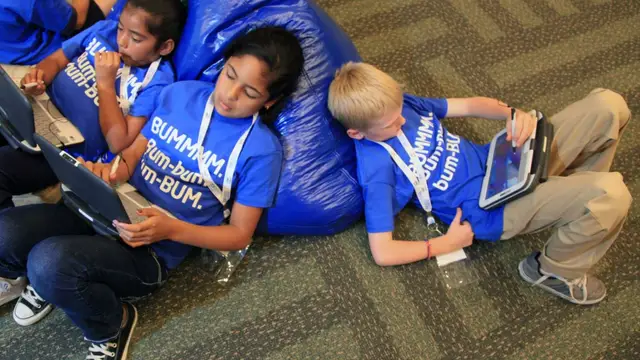
A drug first developed for spinal cord injuries reduced DNA damage and brain inflammation in mice with Alzheimer’s, and because it already passed a safety trial in 109 people, researchers believe it could reach patients faster
An experimental drug first developed for spinal cord injuries has reduced DNA damage and signs of brain inflammation in a mouse model of Alzheimer’s…
ECOnews Newsroom · September 19, 2026
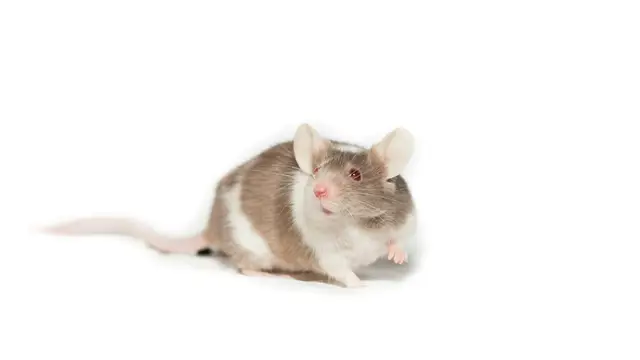
Six years after paralysis, brain implants restored movement and touch; the bigger surprise was what remained when the implants stopped
Keith Thomas had resigned himself to a life of limited or no movement after suffering severe spinal cord damage, but experimental brain implants have…
Adrian Villellas · August 26, 2026
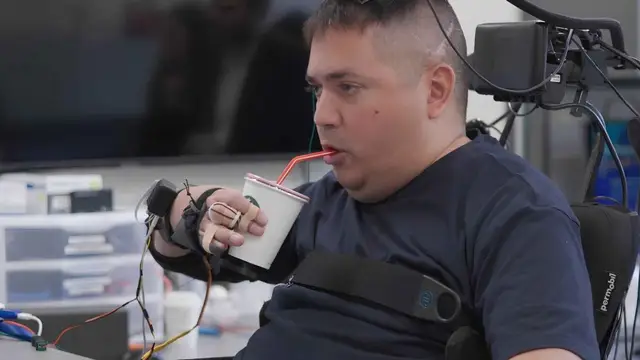
Silencing ancient brainstem neurons made mice far more distractible, the first evidence that evolution kept an old attention circuit alongside newer brain systems
A flashing notification. A moving shadow. Something bright at the edge of your vision. Any of these can pull your attention away from what actually matters.
ECOnews Newsroom · August 8, 2026
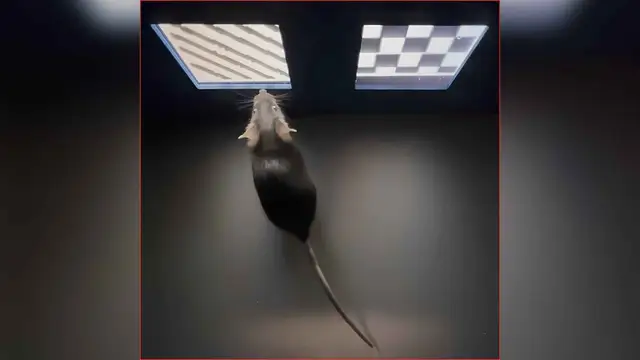
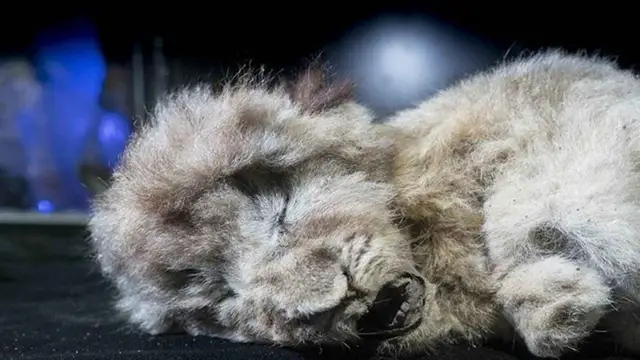
A cub named Sparta, which remained frozen in the permafrost for 32,000 years, provides virtually intact DNA and confirms that cave lions constituted a distinct lineage, with brain, visual, and circulatory traits, that never set foot on the African savanna
For years, scientists often pictured cave lions as oversized versions of the lions that live today — bigger, tougher, and built for ice — but new genome…
ECOnews Newsroom · June 26, 2026
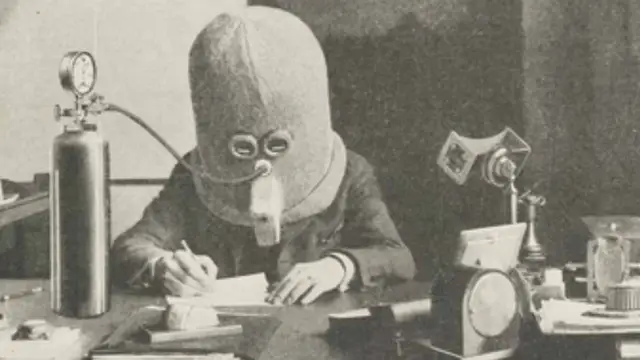
The 1925 ‘Isolator’ Helmet: a noise-blocking, oxygen-pumping brain bubble that tried to save genius from distraction
A century before smartphones, social feeds, open offices, and endless notifications, one inventor believed the human mind needed a shield. Not a better…
ECOnews Newsroom · June 21, 2026
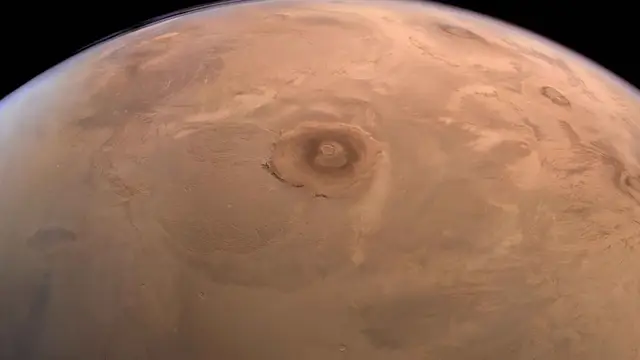
Olympus Mons is the biggest volcano in the solar system, and the detail that breaks your brain is the footprint, about 370 miles wide and roughly 72,000 feet tall from base to summit on Mars
Mars is only about half the size of Earth, yet it carries a mountain that makes our tallest peak look almost ordinary. Olympus Mons, the giant shield…
Adrian Villellas · June 20, 2026