In a revolutionary and counterintuitive measure that can practically reverse the worldwide trend toward vehicle electrification, the $220 billion Stellantis engine automotive major, which controls 14 major auto brands worldwide, has unveiled a €5.
He has committed his company to a significant investment of US $6 billion, equal to 6 billion in South America, announced to be implemented from 2025 to 2030; the historic pledge is the biggest ever made for the advancement of the automotive industry in the region.
The investment also speaks to the company’s strong belief in the ICEs’ longevity and ability to provide sustainable mobility solutions. It marks a creative approach to sustainability through implementing Bio-Hybrid technologies. This promising strategic plan is expected to redefine the automotive industry in South America and consolidate market leader Stellantis.
This cutting-edge Bio-Hybrid technology could reshape the future of sustainable mobility in South America and beyond
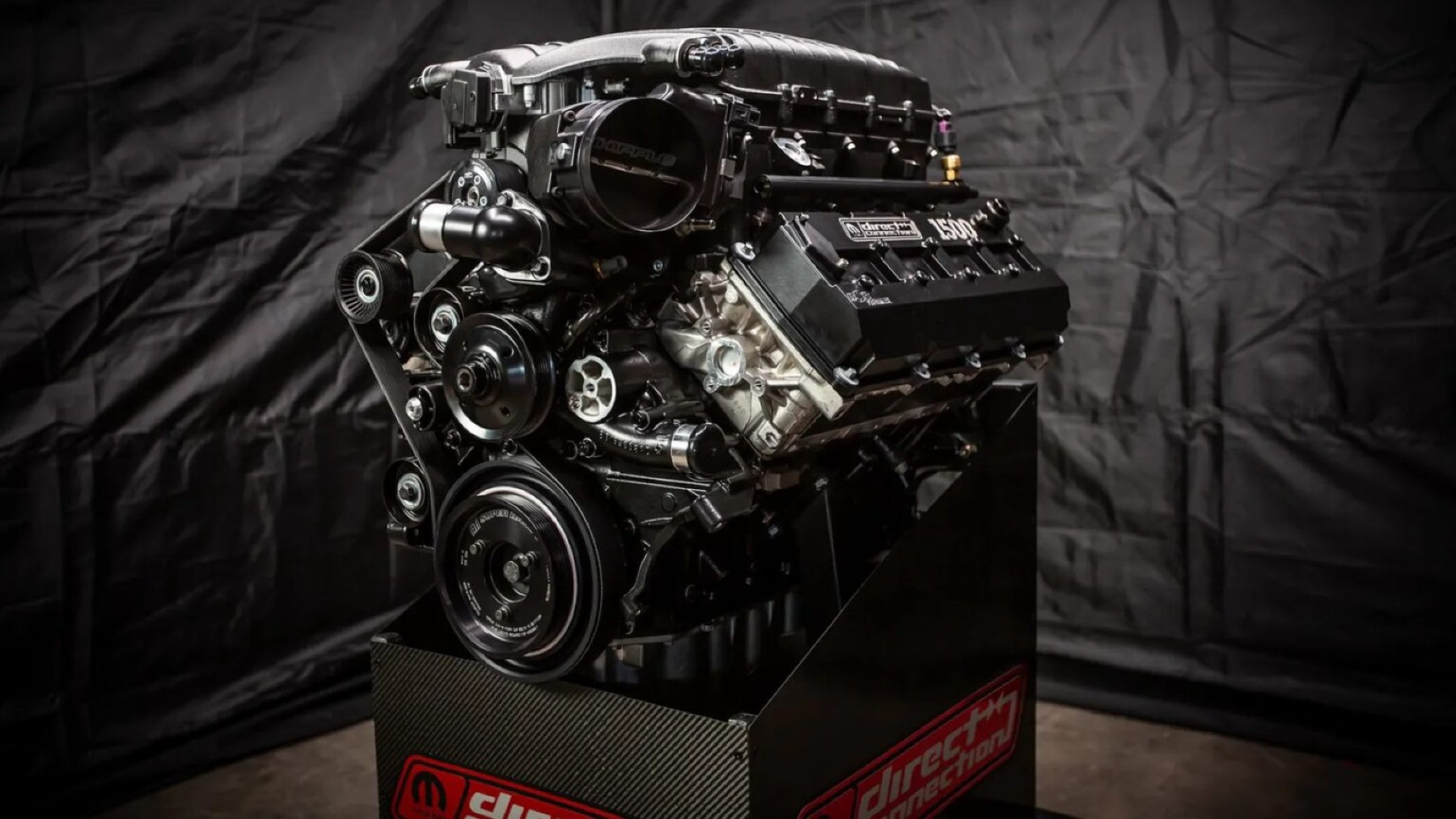
One should mention Stellantis’ commitment to developing innovative Bio-Hybrid solutions globally among such promising investments. The revolutionary propulsion systems listed here blend electric power with advanced hybrid engines run by renewable bio-fuels such as ethanol prevalent in South America.
It heralds a new revolution in bio-power engine technology development, with Stellantis firming up its plant in Betim, Brazil, as the world center for this invention, consistent with the automobile giant’s hall of fame in bio-fuel engine technology. The investment will support producing three distinct levels of Bio-Hybrid powertrains: Bio-Hybrid, Bio-Hybrid electrified dual-clutch transmissions (CT), and Bio-Hybrid Plug-in hybrids.
Further, Stellantis intends to launch at least one BEV in the region as part of Its sustainability vision and response to the growth of a diversifying market in automotive powertrains. This combination is expected to bolster the firm’s competitiveness and strengthen its sustainable promotion in the region.
Here’s how Stellantis plans to dominate the South American market with its diverse product portfolio
It highlights that Stellantis’s significant investment plans are meant to lock horns in South America, where the company has a stronghold. Now, the company enjoys a lion’s share market position by controlling 31% of the market share. 4% market share in Brazil and 23.5% of the global demand across South America holds leadership positions in Argentina and Chile.
New product development will allow Stellantis to launch more than 40 products in 5 years, thereby remaining competitive. This offensive product, combined with the focus on developing new propulsion technologies, is meant to help Stellantis retain dominance in an area where IC engines still rule. The strategy also involves diversification into new markets and opportunities; for instance, through acquisitions in the after-sale market, Stellantis has become the largest auto parts dealer in South America.
Stellantis’ strategic investment aligns with global sustainability goals while catering to regional needs
Despite this, the investment aligns with the company’s global Dare Forward 2030 strategic roadmap that encompasses ICE and hybrid technologies while striving for carbon neutrality by 2038. The focus on bio-hybrid technologies and ethanol-based fuels also demonstrates an area-specific approach to reducing carbon footprint by utilizing the availability of ethanol in South America.
This strategy enables Stellantis to have a global electrification plan while having specific approaches to environmental issues and other market requirements in different regions. It also entails exploring and introducing new decarbonization processes within the automotive value chain, supporting Stellantis’ decarbonization goals.
This €6 billion investment could revolutionize the automotive industry, reshaping how we view sustainable mobility in South America
In Conclusion, Stellantis’ €5. Investment of 6 billion dollars accentuates the confidence in South America’s internal combustion engines and hybrid systems. Thus, Stellantis is exploring a different path towards sustainable mobility that is diagonally tied to the global trend in full electrification by enlarging bio-hybrid powertrains and utilizing local resources.
This maneuver, in addition to strengthening the company’s leadership position in South America, also helps the company to communicate its ability to offer solutions according to the market. As the automotive industry continues to transform, Stellantis adapts to fit each of these regions’ needs as it remains committed to achieving global sustainability targets.
The success of such a large-scale investment can drastically change the discussion on the evolution of automotive propulsion systems and provide evidence that radical approaches to traditional engines can coexist and develop parallel to the transition to electrical solutions.