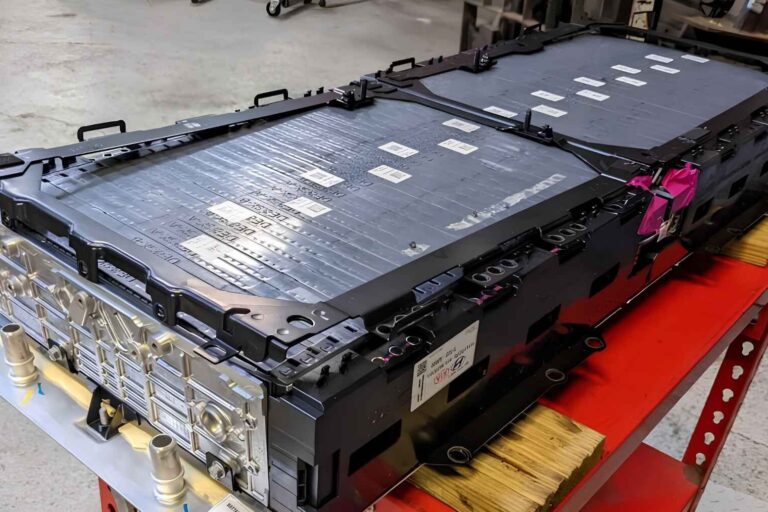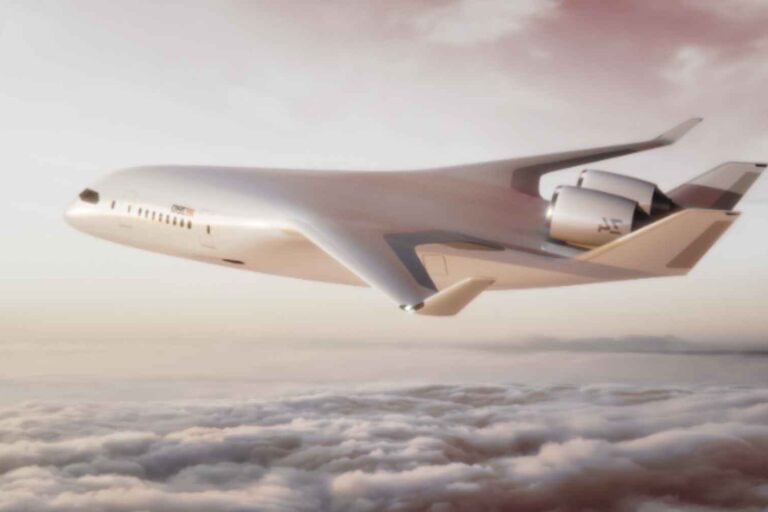
The U.S. Air Force, together with G.E. Aerospace, has always displayed high-end technology in designing and developing engines and systems for aviation. These discoveries, which were unveiled at the Farnborough Air Show 2024, are expected to transform both military and commercial flights.
It ranges from improving initial platforms to creating new propulsion systems that will pave the way for a different generation of aerospace control. Rather than just focusing on improving the performance value and productivity, this ‘systematic’ approach also takes into consideration the future requirements of warfare and the effects on the environment.
Revamping existing aircraft: How the SAOC platform enhances performance and efficiency
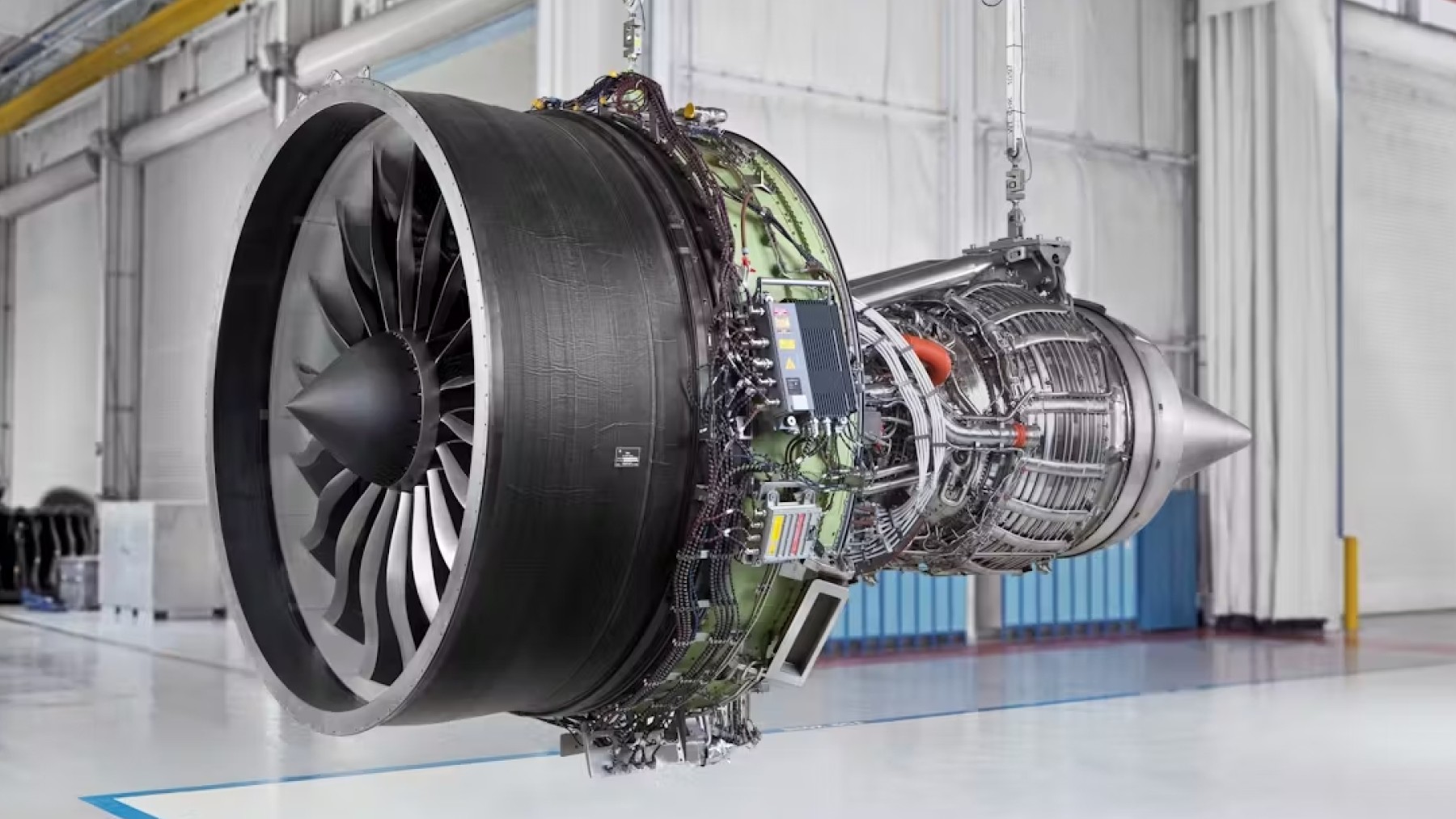
One of the perfect products of this concept of modernizing current aircraft with the most advanced technology is the SAOC of the U.S. Air Force. The overhaul and upgrade of the GEnx-2B engines produced by G.E. Aerospace for the Boeing 747-8 aircraft, which is to become the new SAOC platform, has been carried out through cooperation with Sierra Nevada Corp (SNC). Ultimately, this $13 billion Pentagon contract is intended to provide a younger model of the E-4B Nightwatch aircraft.
New developments include the GEnx engines, which are expected to provide better efficiency by as much as 15% compared to the current CF6 turbofans. Also, these engines will work at 30 percent lower noise and will emit lesser nitrogen oxides and other gases, which reflect concerns both in functionality and environmental characteristics. This upgrade shows a typical approach from the Air Force in terms of evolution, focusing on developing the existing aircraft to meet the future requirements while using the tried and tested airframes.
Cutting-edge computing systems: The role of advanced platforms in aircraft integration
The new computing platform was launched by G.E. Aerospace company as a sensitive Networking Digital Backbone for aircraft systems integration. It is an open architecture platform that is going to control several systems and avionics as well for civil and military aircraft, where flexibility and up-gradability are unparalleled.
Currently used in Boeing 787 airliner and selected by the U.S. Army for the V-280 Valor future military tilt-rotor, such a system permits new capabilities, including the electronic warfare systems, to be incorporated by creating the network nodes or constructing the new circuit cards. The Laviation results in aircraft that are highly adaptable to new threats and mission systems without requiring complex redesigns in the platform, which means that its design guarantees future readiness in meeting future military needs.
Innovative propulsion technologies: How G.E. Aerospace is leading the charge in hypersonic flight
Going slightly further down the road is G.E. Aerospace, which is already spending significant amounts on other radical propulsion innovations that could fundamentally alter the potential of military planes. The company is advancing in the technique of Rotating Detonation Combustion which is used to power the future hypersonic aircraft of speed Mach 5. With the demonstration of the sub-scale dual-mode ramjet test rig and looking forward to building a facsimile in the coming years in the latter part of this year.
G.E. is one of the major contenders in the race of hypersonic propulsion. Also, there are plans to adopt an adaptive cycle engine, or an engine with a more efficient, better control system, which will improve the performance of an airliner coupled with a fighter jet. This new type of engine offers the third airflow for cooling purposes; it could be a solution to one of the main problems of high-performance military aviation engines.
Aviation’s future transformed: The revolutionary impact of new technologies on military and civil aviation
Last but not least, the concerted approach with industrial giants like G.E. Aerospace of the U.S. Air Force is changing the face of aviation technologies. From the changes of new generation and improved engines that can enhance the capabilities of the old platforms to the enhancements of new computing systems and coming generation propulsion systems, these projects are on the verge of revolutionizing military and civil aviation.
Stressing the growth and flexibility, effectiveness, and advanced professional capacities guarantee that the Air Force will be prepared for future tasks. Once these technologies start being integrated into actual aircraft and become programs of record, they will not only increase the capabilities of military operations but also affect a wide range of economy aviation applications. The recent vision of “the engine of the future” is a concept and not just a single engine technology but a system approach to aeronautical engineering, thus placing the United States for the future of aerospace technologies for several decades.