British researchers have done what a couple of decades ago was unthinkable—producing an artificial sun hotter than the heart of our star. This is the result of work that started in the mid-1990s when engineers first envisioned tapping the same power that illuminates the cosmos. The wait is finally over.
MAST Upgrade tokamak makes record plasma control breakthrough
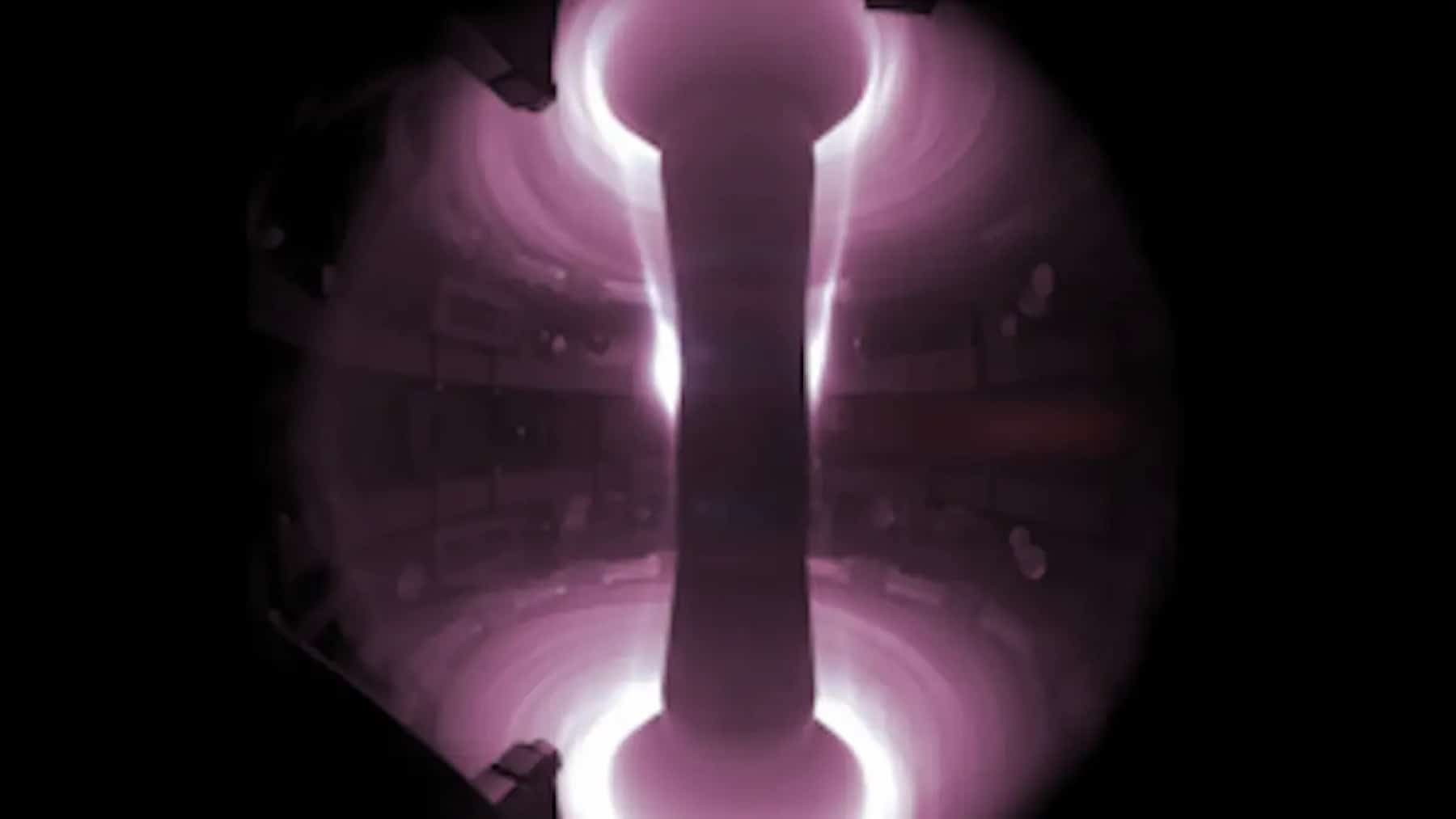
It is the first time that fusion plasma has been stabilized in a spherical tokamak with 3D magnetic coils by the UK Atomic Energy Authority. The achievement was achieved at the MAST Upgrade scientific research facility, located at the Culham Centre for Fusion Energy in Oxfordshire. Scientists utilized Resonant Magnetic Perturbation coils to suppress Edge Localised Modes entirely, deadly instabilities that can potentially destroy costly tokamak hardware and halt the process of fusion.
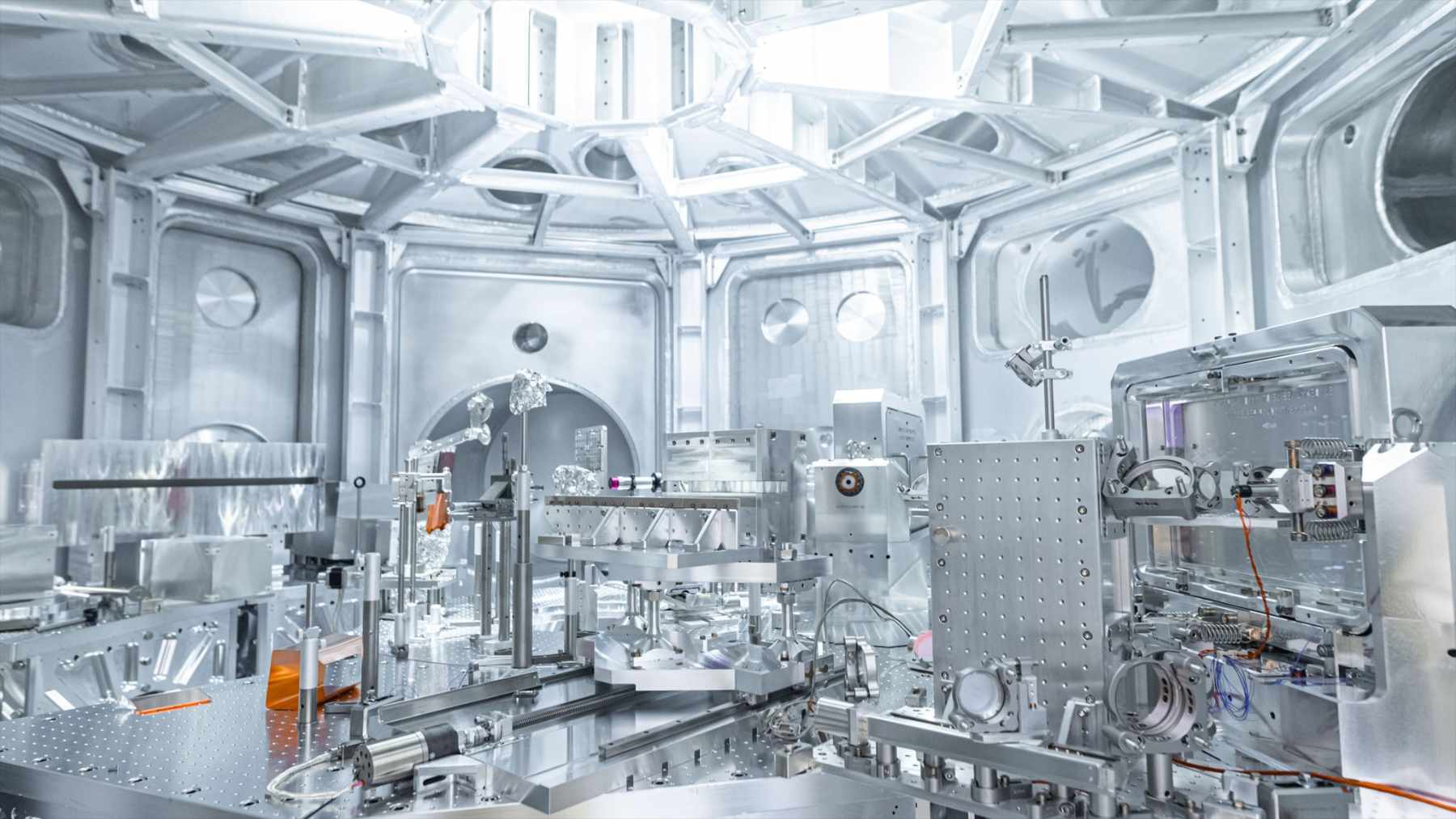
The MAST Upgrade tokamak is the largest spherical fusion reactor in the world currently in operation, commissioned by UKAEA and the European Atomic Energy Community together. The device went on duty in 2020 following a complete seven-year overhaul process, which raised performance levels, allowed for longer plasma pulses, and enhanced magnetic field control systems across the whole reactor facility.
Cutting-edge 3D magnetic field technology avoids heat instabilities in plasma
A breakthrough for the team is to use small 3D magnetic fields in the plasma edge and, for the first time ever, quench them in a spherical tokamak design, creating completely new possibilities for future world fusion power plants.
A long path from the 1990s idea to reality today
The genesis of this icon dates back to the late 1990s, when the original design of MAST took place between 1995 and 1997 as an outcome of the previous START experiment. The first tokamak achieved its first plasma in 1999, the start of an incredibly long process toward real fusion power. The upgrade itself took seven years, from 2013 and 2020, to enhance performance, allow for longer pulses, and enhance the magnetic field systems.
This chronology demonstrates the staggering patience and perseverance demanded of fusion work, whose development is measured in decades, not years. The initial designers could never have dreamed that the designs they developed in the 1990s would see temperatures exceeding 35 million degrees Celsius, twice the core temperature of the Sun.
“The colour camera is perfect for experiments such as these. It allows us to view immediately whether the gaseous impurities we are injecting are giving off at the anticipated location,” – Laura Zhang, physicist at Tokamak Energy
Artificial sun technology holds the promise of clean energy eternally
The MAST Upgrade facility generates plasma temperatures of up to 35 million degrees Celsius by confining fusion fuel inside strong magnetic fields, essentially creating an artificial sun on Earth. Hydrogen atoms collide with each other at these temperatures to create heavier nuclei, generating huge quantities of clean energy in the process. This is having a direct impact on the design of the UK’s £2.5 billion STEP Fusion project, which will generate net electricity from fusion by 2040.
The achievement has the promise to overcome one of the most longstanding challenges confronting fusion energy—sustaining plasma conditions long enough to produce useful power. Fusion does not make long-lived radioactive waste and utilizes abundant hydrogen isotopes as fuel, so it can be the cleanest energy for human society’s future requirements.
This Britain breakthrough for fusion is a scientific achievement—the realization of a vision that had started in the 1990s. This technology of an artificial sun potentially unlocks the limitless clean energy the world so urgently requires for a sustainable future. The impossible has become possible. Scientists utilized Resonant Magnetic Perturbation coils to suppress Edge Localised Modes entirely, deadly instabilities that can potentially destroy costly tokamak hardware and halt the process of fusion.