When Meta, the parent company of Facebook, decided to harness the power of the Earth’s crust, Zuckerberg’s commitment to tap into the planet’s heart with a deep-drill plan became clear. A new agreement allows Meta to harness the next generation of geothermal energy, and after deciding to drill beneath the Earth’s crust, this futuristic breakthrough is targeting one American state. Meta’s plan could rewrite our clean energy future while also sparking a revolution in the industry.
A deep-drill plan is on the cards for Zuckerberg’s geothermal energy project
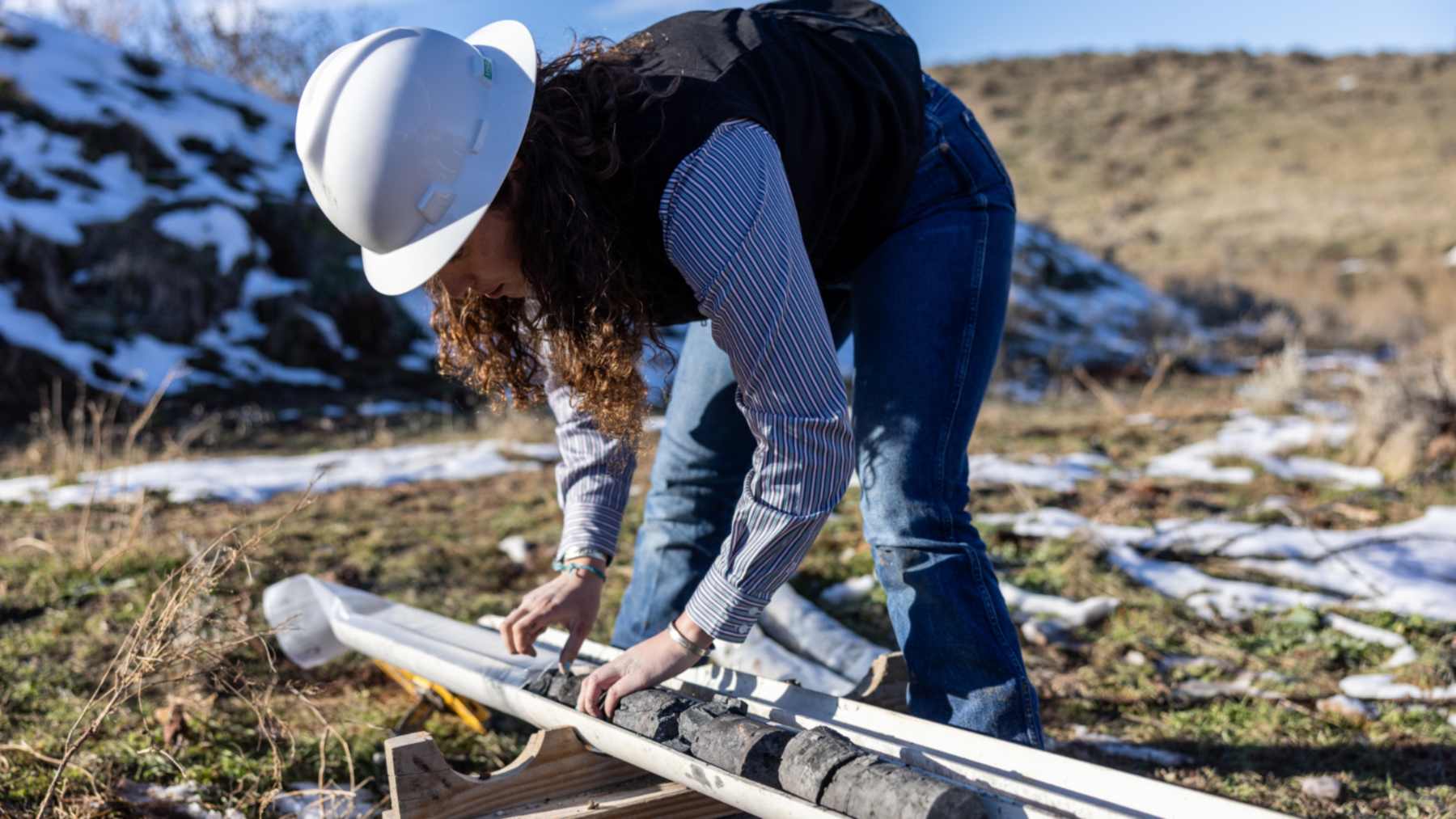
The partnership announced by Meta and Sage Geosystems in August 2024 led to the promise to deliver 150 megawatts of clean energy from geothermal sources. The plan to tap into geothermal energy sources is different in terms of Sage’s Geopreassured Geothermal System (GSS) technology, which permits the deeper drilling of hot and dry rock.
Being Sage’s biggest project yet, plans are on the cards for the first phase, which will go online in 2027. From 2027, it is expected that round-the-clock energy will be delivered to Meta’s data centers. This vision has only been made possible thanks to Meta’s digital infrastructure buildout and artificial intelligence systems.
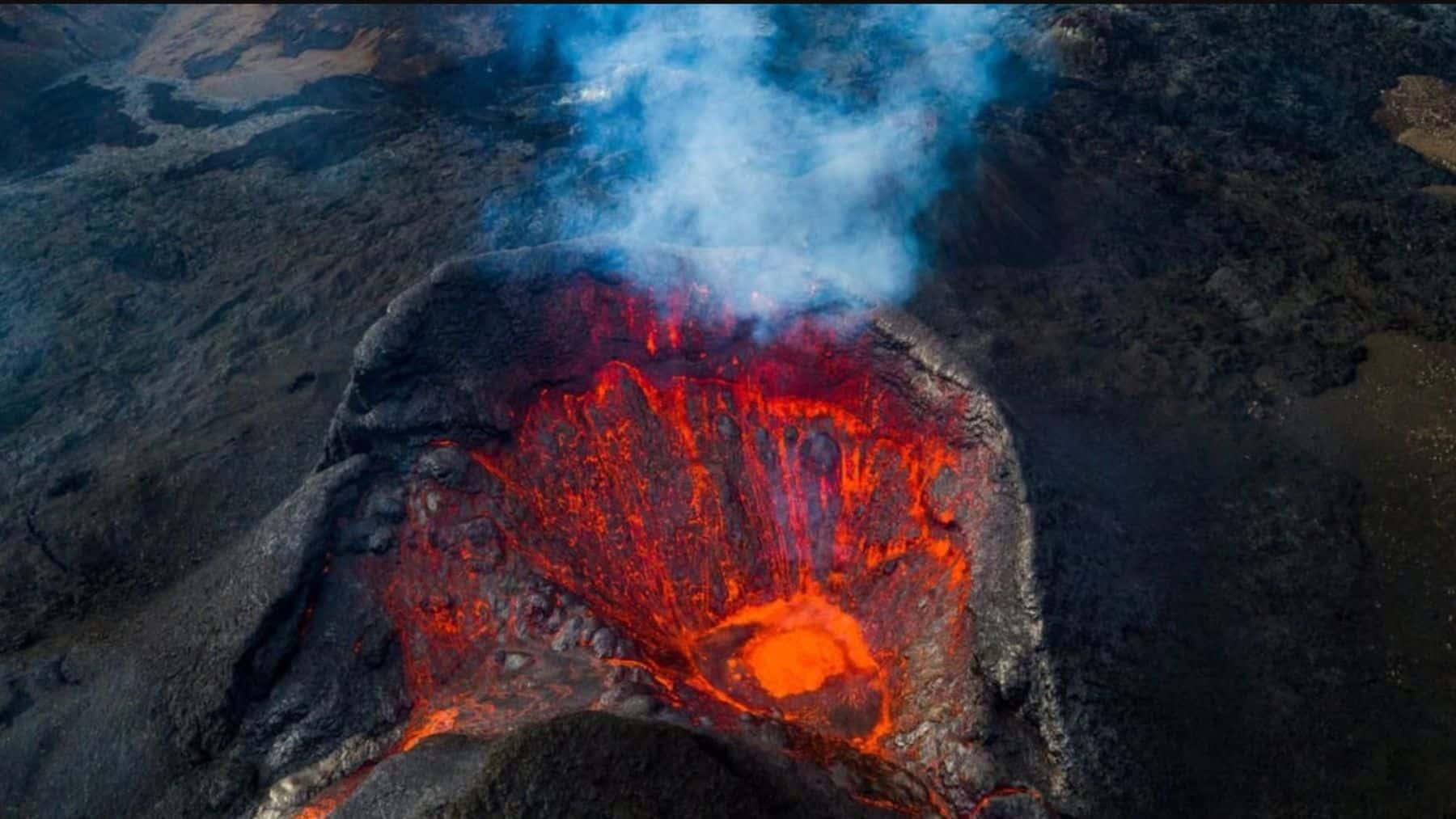
While initially viewed as a project set to tap into volcanoes, Meta’s deep drilling plans are not focused on volcanoes, but rather on drilling thousands of feet down and pumping water into the Earth, so as to gain resulting energy through turbines. Meta has thus created their own underground energy cycle that produces no emissions in the process.
What does Sage and Meta’s energy breakthrough mean for us?
Thus far, geothermal only makes up 0,4% of U.S. electricity, and while geothermal has always been the underdog in the industry, Sage, along with Meta, will finally be able to unlock the true potential of geothermal energy. The fact that usable heat lies beneath Earth’s surface is exciting; however, the challenge has always been tapping into this heat source affordably and safely. The Department of Energy is also on board in terms of the sheer potential of relying on geothermal energy.
By looking at geothermal energy, Sage and Meta seek to consider what gaining energy 24/7 could mean and, in the process, look at how geothermal energy could be significant in the race to decarbonize.
What are the stakes that lie ahead as Meta moves forward with the geothermal project?
Meta’s decision to go down the geothermal route proves that big tech is more in favor of chasing foundational energy sources. While the 150MW deal that Meta made with Sage seems too small in comparison to Meta’s impressive renewable energy portfolio, it is a rather symbolic project in that the company is going beyond solar and wind projects, and drilling deeper to harness power from sources that have long remained untapped. For one state, this geothermal project may very well be the turning point in terms of geothermal innovation.
Texas is said to be the core of Meta’s geothermal project
While it has not yet been fully disclosed by Sage as to which state Meta’s project will take place in, all signals point towards Texas, the oil powerhouse. In fact, the company has already started deploying other geothermal technology projects in the state, with the first-of-its-kind energy storage sites being located in Texas already.
Texas has always been the state associated with deep drilling and fracking projects due to its years of experience in terms of oil and gas, so it makes more sense as to why Texas would be the right state for deep drilling initiatives in favor of clean energy generation. Sage is also based in Houston, Texas, so the decision to go with Texas makes much more sense.
With Texas offering drillable land, it does seem lucrative for Meta’s project with Sage to begin drilling in this state into the molten land beneath our feet. Once geothermal power begins to rise, Zuckerberg’s pursuit of the Earth’s core fire could spark an entirely new energy era, showing that the planet’s heat possesses immense power.