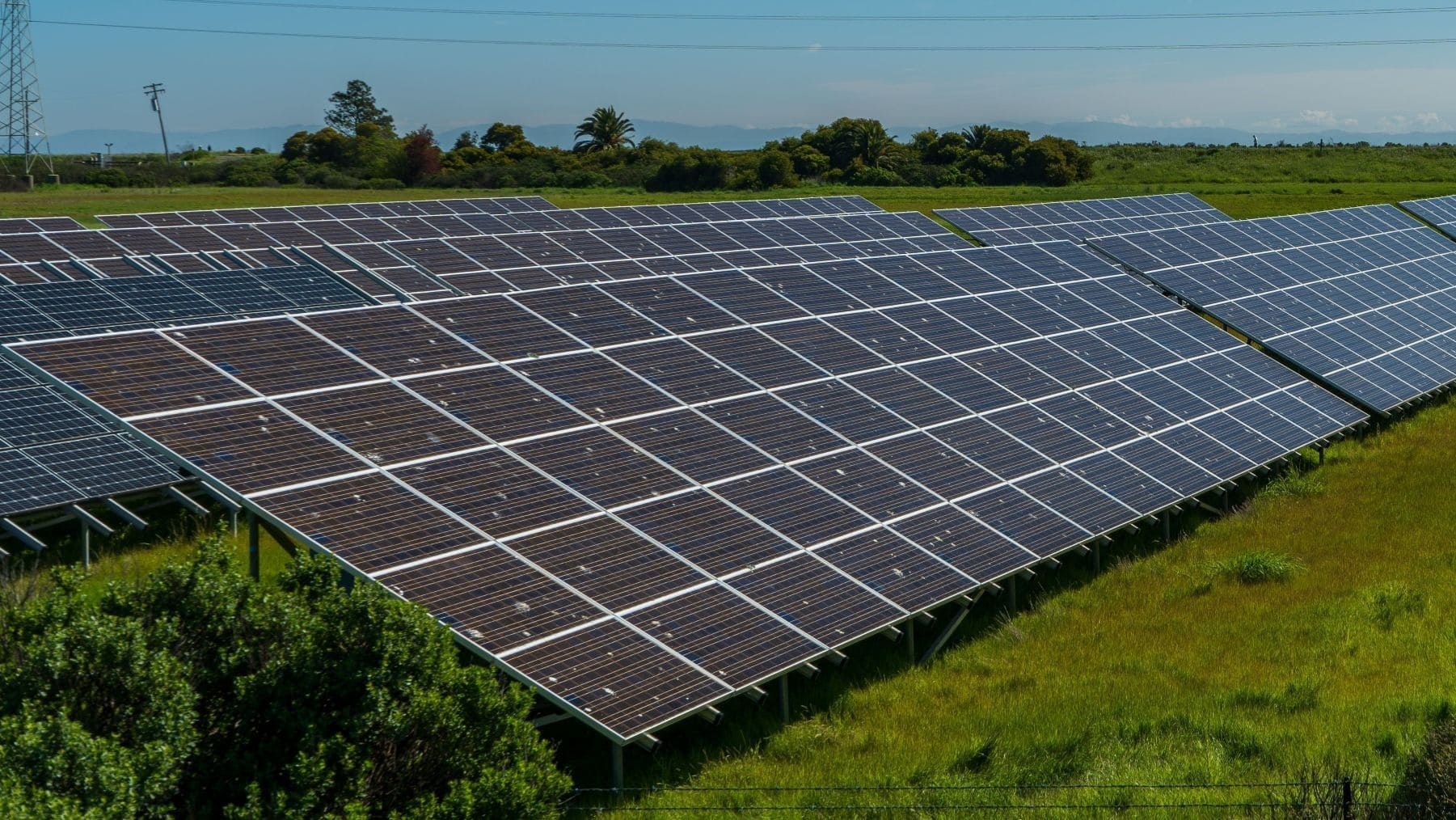


California-based REC Solar has flicked the switch on Hawaii’s first utility-scale solar farm to date built on Kaua’i, the state’s fourth largest island.
The 1.21-megawatt installation was commissioned and began feeding electricity to the Kaua’i Island Utility Cooperative last Friday.
The solar farm was financed by Kapaa Solar L.L.C. and agreed to sell the power to the cooperative for about 20 cents per kilowatt-hour under a power purchase agreement, according to the Honolulu Star Advertiser.
The plant will generate an estimated 1.8 MW hours of clean electricity annually, enough to power close to 300 households annually. Over the first 30 years of operation, the solar system will avoid greenhouse gas emissions of nearly 40,000 tons.
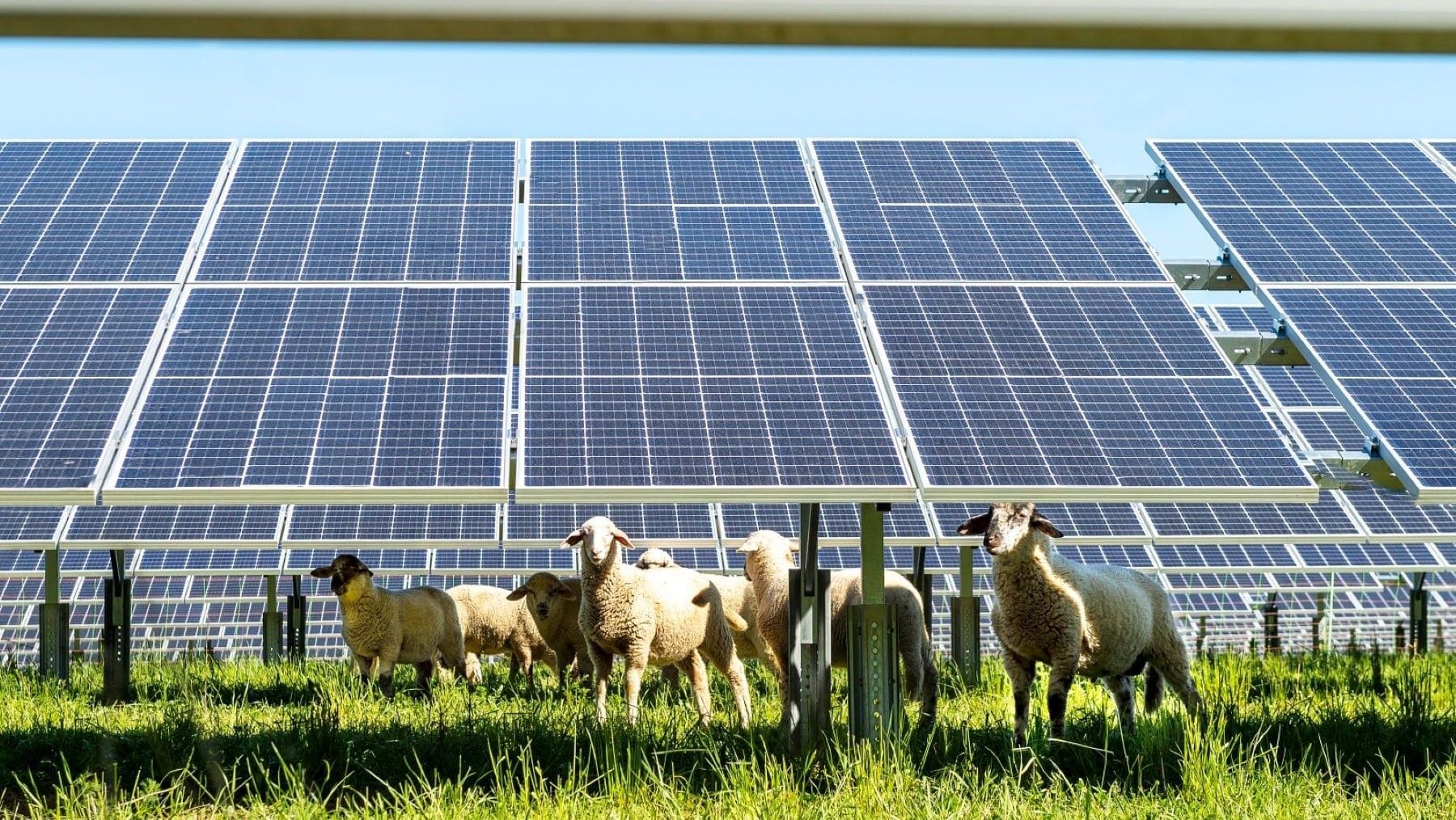
REC Solar Hawaii designed and built the system with 5,376 photovoltaic panels on about five acres of spare agricultural land in the island.
The project deal was signed in August and started construction in November 2010.
«Creating more renewable energy alternatives is one of the most critical challenges we face,» Kaua’i Mayor Bernard Carvalho said.
David Bissell, the cooperative’s chief executive, said the solar farm «allows us the opportunity to determine and better understand the physical limitations of high penetration PV on a distribution circuit and to work through some specific technicalities associated with adding large-scale intermittent renewables to our generation mix.»
The cooperative is working toward generating 50 percent of the island’s power from renewable sources by 2023.
This January, it signed power purchase deals for biomass-based energy generation from Green Energy Team L.L.C. and research collaboration with Free Flow Power Corporation for expanding its hydropower resources.
The next large-scale renewable energy project scheduled for Kaua’i could be a 3-MW solar farm planned for the southern side of the island in Koloa that will begin construction this year.
The cooperative already signed a contract with Xtreme Power to purchase a 1.5-MW utility-scale battery storage system to smooth the power output from this facility.
Angiolo Laviziano, chief executive of REC Solar, said given the state’s aggressive renewable energy goals and abundant solar resources, the state will likely emerge as a leading market for solar energy generation. Hawaii’s current target is set to have 70 percent clean energy – 40 percent from renewables while 30 percent coming from energy efficiency – by 2030.