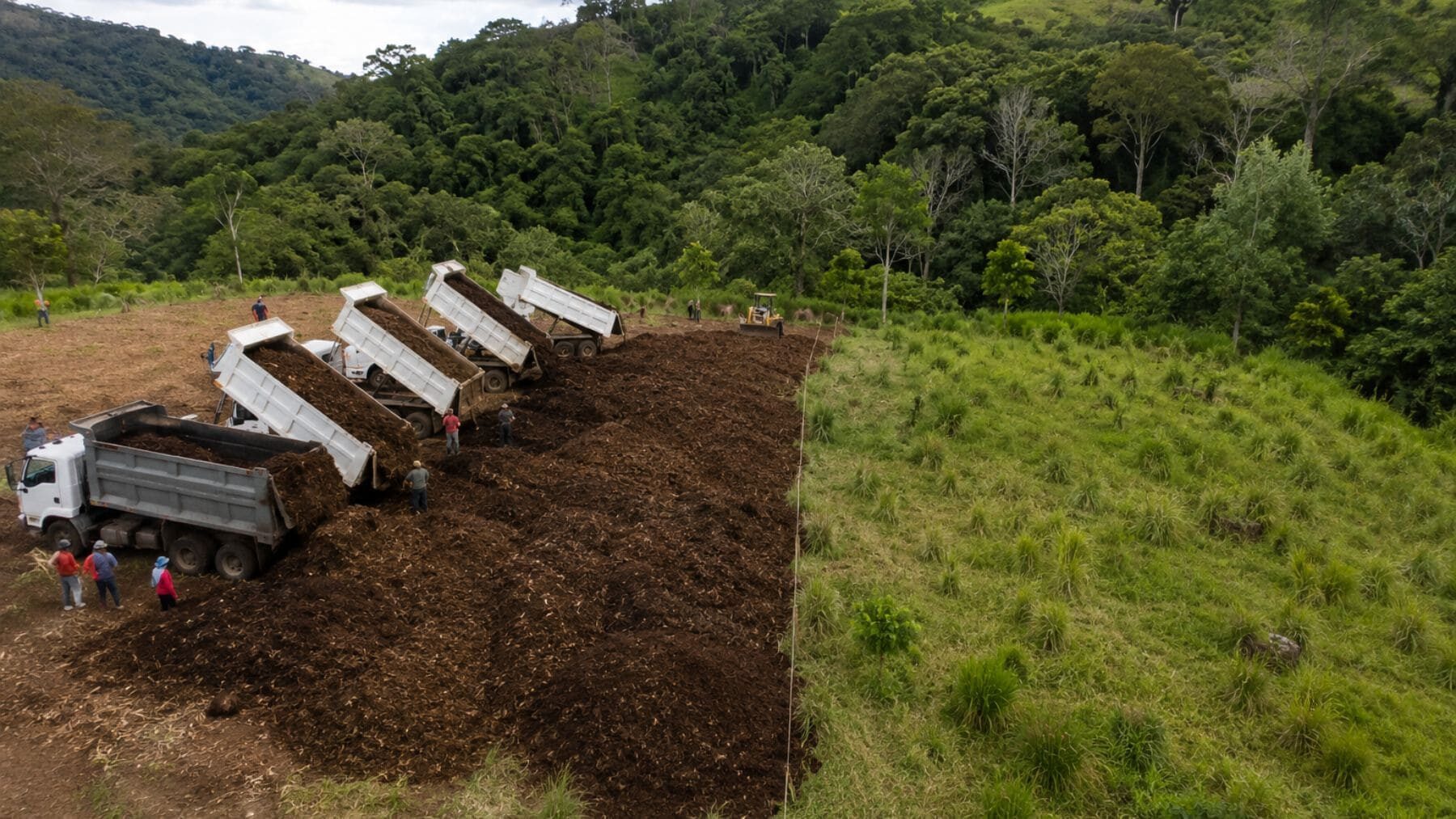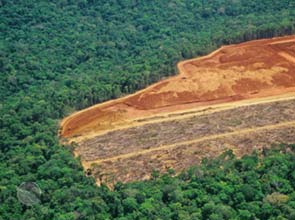
Deforestation is the largest source of carbon dioxide emissions in Brazil, accounting for 40 percent of gross carbon emissions. Brazil houses 60 percent of the Amazon rainforest, which accounts for more than half of the world’s remaining rainforests.
Over the past 15 years, deforestation has been one of the reasons for the decline of the country’s carbon stock by 6 billion metric tons, or the equivalent of two-thirds of annual global emissions.
The bank said that avoiding deforestation offers the most potential for mitigating greenhouse gas emissions in Brazil. According to the bank’s analysis, preventing deforestation could reduce emissions by approximately 6.2 gigatons of carbon dioxide equivalent from 2010 to 2030.
“Avoiding deforestation is by far the best option to reduce greenhouse gas emissions in Brazil,” said Christophe de Gouvello, coordinator of the report.
He said that though the Brazilian government has been trying to lessen deforestation by protecting forests, it can also look into additional measures such as increasing the use of pasture, reintegrating degraded areas back into production and protecting new areas from encroachment.
Changes in land use from deforestation, agriculture and livestock account for 75 percent of Brazil’s emissions.
The World Bank said that improving livestock productivity could eliminate the need for huge pastures. Degraded pastures could also be recovered and turned into forests. Meanwhile, forests must continually be protected from unauthorized logging.
Since agriculture and livestock represent a large part of direct emissions, the World Bank pushed for more unconventional farming methods to reduce direct agriculture emissions.
It proposed a method where a crop is planted directly into a seedbed without tilling or ploughing the soil. This method involves can avoid the use of fossil fuel-powered equipment. If done correctly, this method could help control soil temperature, enhance soil structure and increase the soil’s water-storage capacity.
Brazil is widely regarded as an emerging leader in renewable energy. However, emissions from the country’s energy sector will continue to grow in proportion with its economy. Emissions from energy could take up a quarter of total national emissions by 2030.
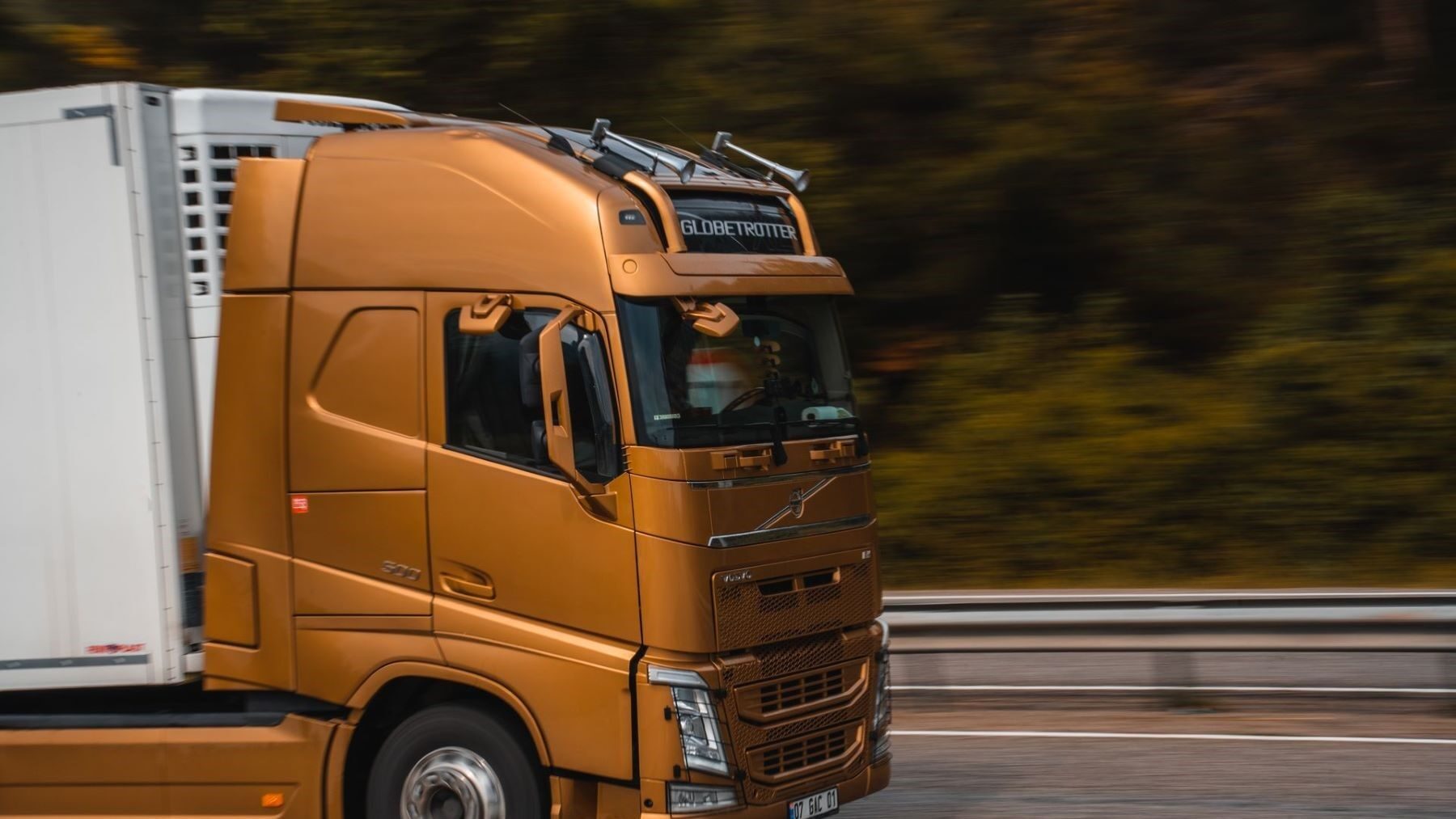
The World Bank proposed a combination of public transportation policies in urban areas and different modes of regional transportation using ethanol. Doing so could slow down the increase of transportation emissions from 65 percent to 17 percent by 2030.
The bank said that these low-carbon measures would require about $400 billion in additional investments over 40 years.
“The sum of all the necessary investments for each sector and the collateral effects on the rest of the economy would counterbalance the potential negative effects and even promote growth and job creation,” said Makhtar Diop, World Bank director for Brazil
“As an investment, the low-carbon scenario generates profits in three ways: economic growth, long term environmental sustainability and global benefits,” he continued.