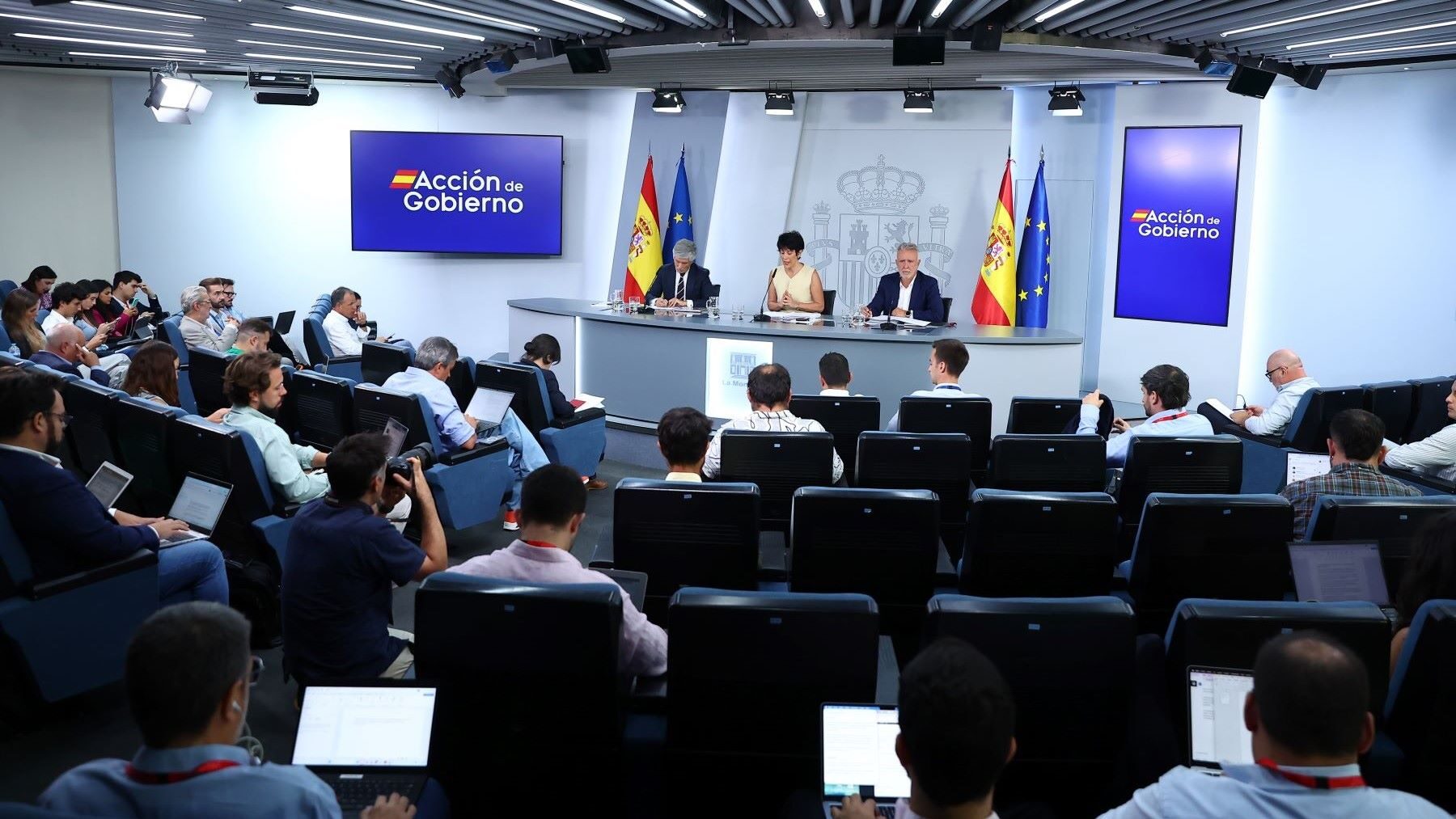
At the world’s first Clean Energy Ministerial, Steven Chu, United States energy secretary, said that the initiatives will eliminate the need to build more than 500 midsize power plants worldwide in the next 20 years.
«What we’ve seen here is that working together, we can accomplish more, faster, than working alone,» Mr. Chu said at the close two-day meeting in Washington D.C. on Tuesday.
The 24 participating countries, which include Australia, China, the European Commission, Germany, India, Japan, South Korea, Russia, Spain, the United Arab Emirates, Britain and the United States, consume more than 80 percent of the world’s energy and account for 70 percent of global greenhouse gas emissions.
To reduce energy waste in buildings, which consume 60 percent of the world’s energy, the Massachusetts Institute of Technology and eight large companies will develop an internationally recognized certification program for energy efficiency.
The companies, which together have more than $600 billion in annual sales, are 3M Company (NYSE:MMM), Cleveland Clinic, Dow Chemical Company (NYSE:DOW), Grubb & Ellis Company (NYSE:GBE), Marriott International Inc. (NYSE:MAR), Target Corporation (NYSE:TGT), Wal-Mart Stores Inc. (NYSE:WMT) and Nissan Motor Company (TYO:7201).
Japan’s JFE Steel Corporation and Tokyo Electric Power Company (TYO:9501) will participate as public-private task groups. They will identify, promote and monitor available efficiency technologies and practices by standardizing protocols on energy use and facilitating communication among stakeholders.
Another initiative aims to incentivize the deployment of energy efficient appliances and increase efficiency standards starting with televisions and lighting, two globally traded products that together account for about 15 percent of household electricity use.
Experts estimate that concerted international efforts to improve the efficiency of televisions alone could reduce energy use equal to that of about 80 power plants by 2030.
In the transportation sector, the countries aim to deploy at least 20 million electric vehicles by 2020 and reduce global oil consumption by approximately 1 billion barrels over the next decade through sister-city partnerships.
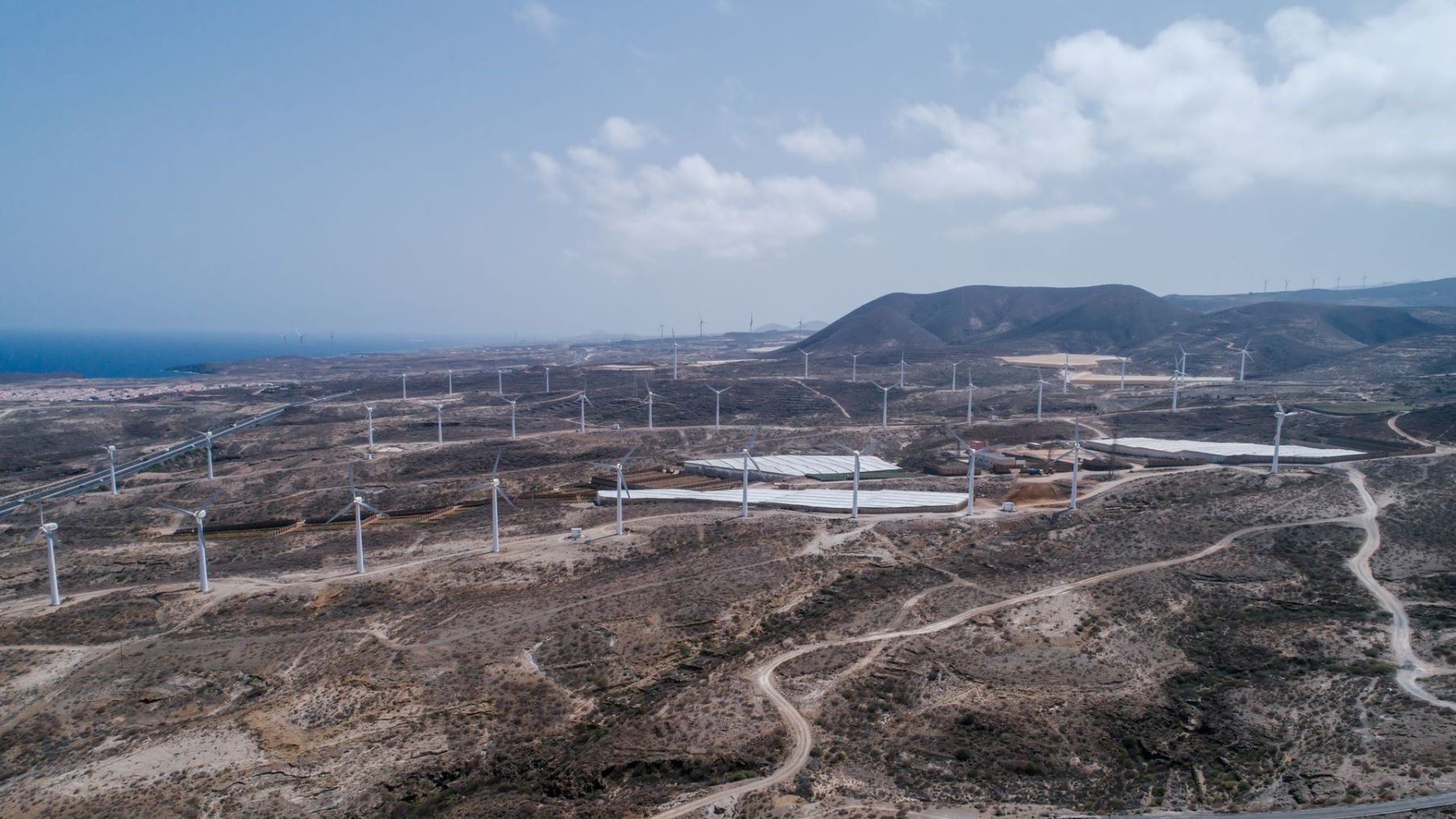
Governments also agreed to make global information atlases for solar energy, wind energy and biomass to give analysts and policymakers comprehensive and accurate data on which to make investment decisions.
In addition, initiatives will be made to equip the future clean energy workforce with basic working skills and academic education in various renewable energy sources.
An international network on smart grid was also launched to further hasten the deployment of electric vehicles, improve the reliability of the world’s power grid and promote the growth of renewable energy.
The smart grid partnership will focus in key areas, including policy and standards, finance, research and development, workforce skills and expertise, and consumer engagement.
Other initiatives will help promote carbon capture technologies, encourage young women to pursue careers in clean energy and bring solar light-emitting diode lanterns to approximately 1.6 billion people who lack access to electricity.
The United Arab Emirates offered to host the second Clean Energy Ministerial in 2011 while Britain offered to host the third meeting at a date yet to be determined.