Insurance industry keen to cover climate-related risks
· 2 min de lectura
According to the insurance groups, the industry can offer a myriad of mechanisms to support climate change adaptation, among a host of other efforts.
The insurance organizations are represented under four groups, namely ClimateWise, The Geneva Association, the Munich Climate Insurance Initiative and the United Nations Environment Programme Finance Initiative.
They said the industry holds expertise in such activities as evaluating risk and vulnerability, quantifying and mapping risk and risk transferring methods.
The insurance sector is said to be capable of developing new insurance products that address risks created by climate and weather events.
These new products can cover the diverse range of elements endangered by climate change such as human health, crop production and animal diseases.
“With climatic disasters inflicting more and more damage, the increasing reliance of governments on foreign aid alone is unsustainable,” said Andrew Torrance, chairman of ClimateWise and chief executive officer of Allianz Insurance.

«The core principle of risk management and loss prevention is that in most cases ‘prevention is better than cure’,” said Patrick M. Liedtke, secretary general and managing director of the Geneva Association.
The groups said insurance puts a premium on adaptation by improving adaptive capacity and outlining the cost-effectiveness of climate resilience measures.
The companies called on world leaders and negotiators in the United Nations Framework Convention on Climate Change to include insurance issues in the debates and start a national information drive in each country to enable immediate action.
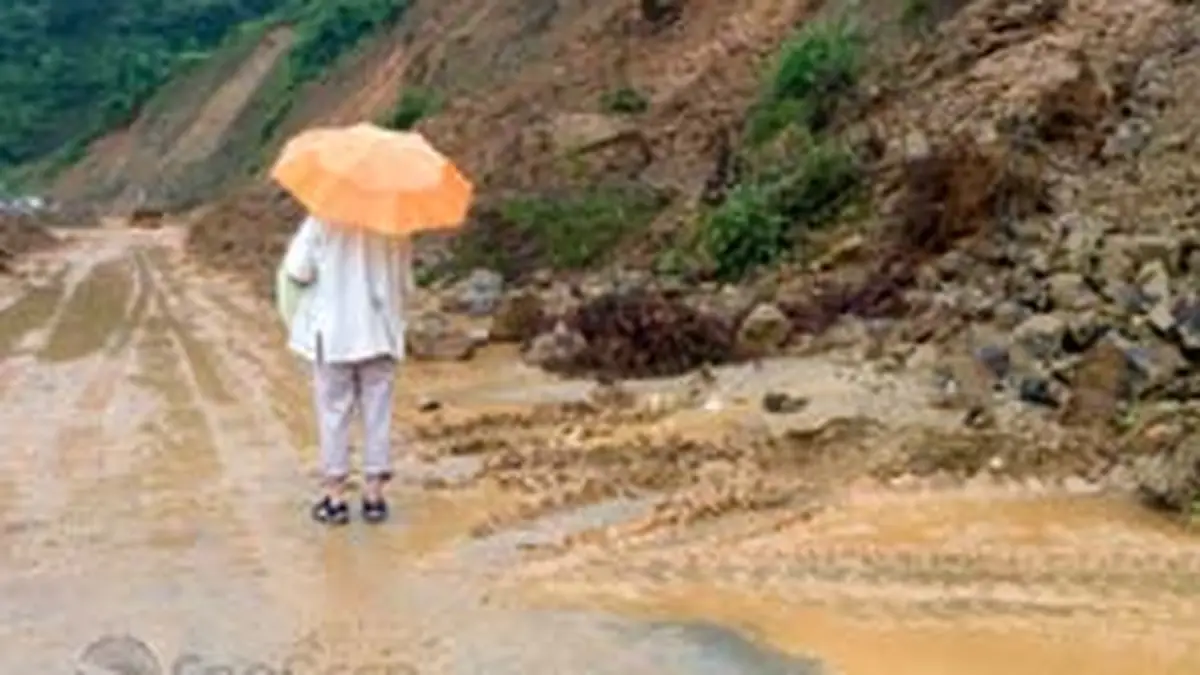
The groups’ recommendations came after a month that saw some of the worst natural disasters in recent memory, as towns in Pakistan and China disappeared under the gushing torrents of floods.
News reports revealed that over 1,000 people died in Pakistan’s worst flood in 80 years. Meanwhile, more than 300 people lost their lives in China’s deadliest flooding incident in a decade.
These events are expected to create considerable dents in developing economies, where populations are generally less healthy and minute economic losses can severely hamper development efforts.
The insurance industry said that in the past 30 years, direct global economic losses from natural disasters averaged $90 billion annually. About 85 percent of deaths related to natural disasters over the same time scale occurred in developing countries.
“If governments, especially in the developing world, can implement robust risk management and loss reduction measures, then a significant amount of both human suffering and economic loss could be prevented,” Mr. Liedtke said.
Comentarios · 0
Normas ›Todavía no hay comentarios. Sé el primero en opinar.